Kamm’s List presents the remarkable stories of the cases Dui Hua Founder John Kamm worked on after launching his Prisoner Information Project initiative. In this episode, host Sze Wah Leong engages Kamm in a discussion on the recently revealed life sentence on the Uyghur ethnographer Rahile Dawut, leading to Kamm’s story of his involvement with Father Giancarlo Politi, a Catholic priest in Hong Kong committed to finding information on fellow priests detained in China, and how the two men played a role in the release of Father Li Fangchun of Shangqiu South Church, Henan. The exchange sheds light on the experiences and challenges Catholic priests faced in China in the early 1990s.
Tune in and immerse yourself in this episode. Prepare to be captivated by an insightful and eye-opening conversation. For those eager to delve deeper, the full story “Two Good Priests” is available on the John Kamm Remembers blog.
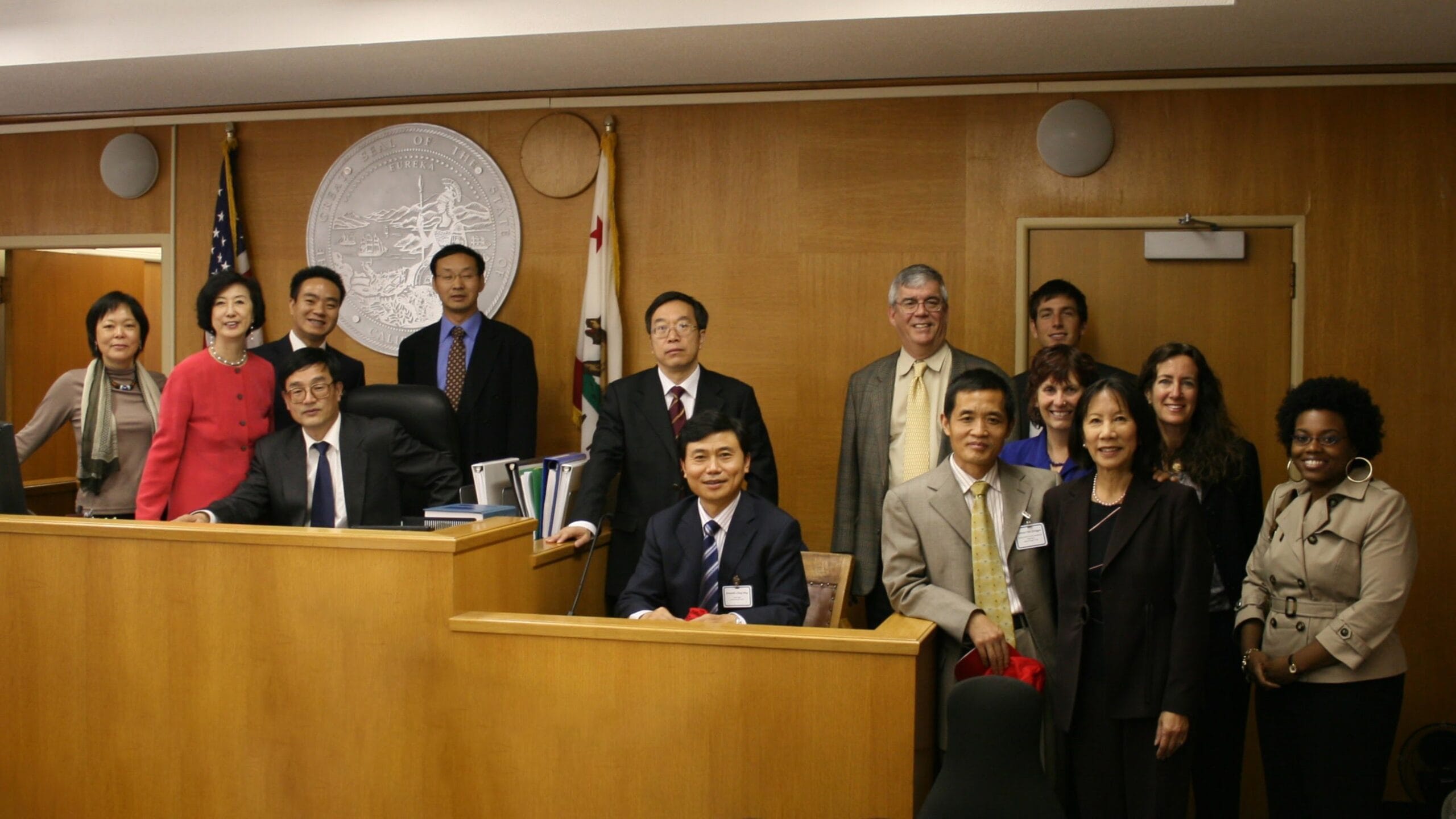
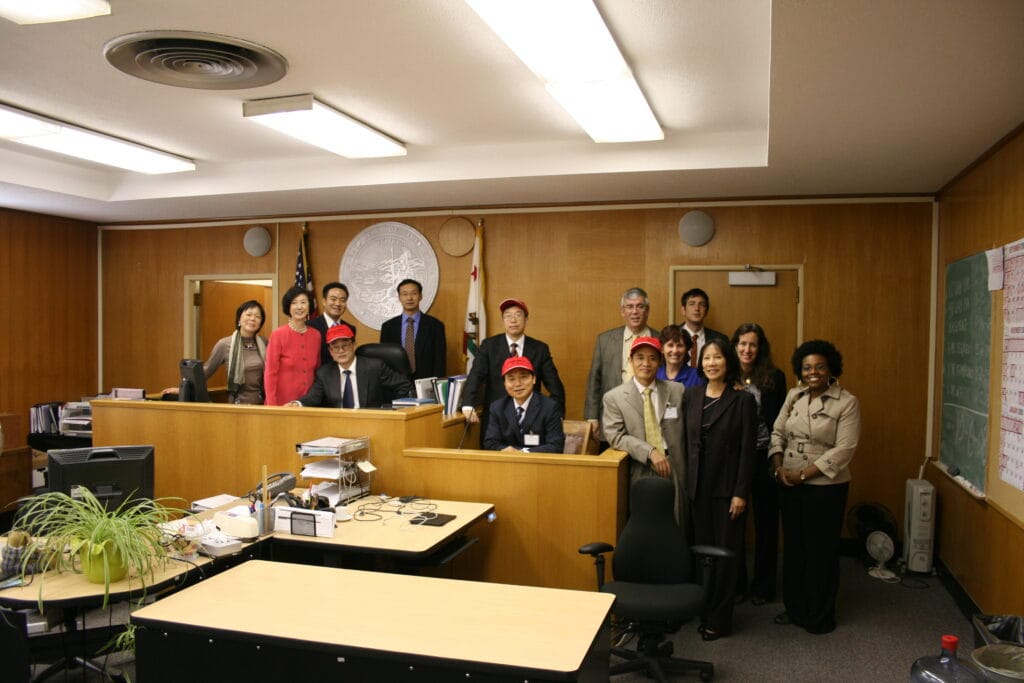
The delegation from China’s Supreme People’s Court visiting the Juvenile Court of the City and County of San Francisco during Dui Hua’s first expert exchange in 2008. Image credit: Dui Hua
This year marks the 15th anniversary of Dui Hua’s first expert exchange with the Supreme People’s Court (SPC) on juvenile justice, an area of concern around the globe. Beginning in 2008, Dui Hua has hosted US-China expert exchanges related to juvenile justice, women in prison, girls in conflict with the law, and child welfare. In April 2023, Dui Hua hosted “Topics in Juvenile Justice Reform: A Sino-American Exchange,” the ninth exchange involving the SPC. These exchanges address one of the few areas of human rights issues where the United States and China still engage in dialogue, in this case a dialogue that contributes to justice system reform.
Lower Convictions for Juveniles
Statistics released by the SPC and Supreme People’s Procuratorate (SPP) in 2022 reveal a continuous drop in juvenile convictions, falling by more than 50 percent since 2013. The statistics also show a sharp uptick in the number of juveniles given non-arrest and non-prosecution decisions, as well as an increase in the number of juvenile records sealed. This progress in restorative justice for juveniles has occurred in the decade since China added a new section to the Criminal Procedure Law that incorporated provisions for conditional non-prosecution, record sealing, and more non-custodial measures – topics that were discussed during Dui Hua’s US-China expert exchanges.
Table 1. Total Convictions & Juvenile Convictions
Source: National Court Judicial Statistics Bulletin 2002-2022
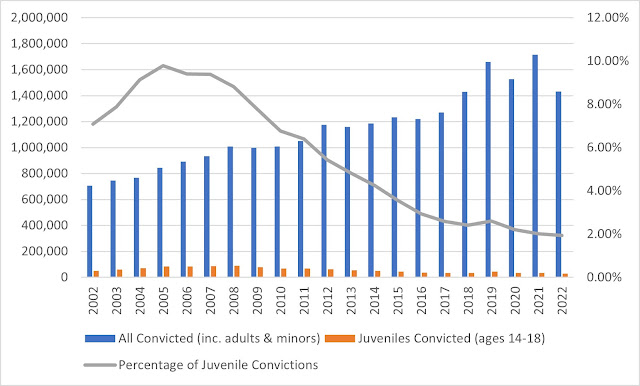
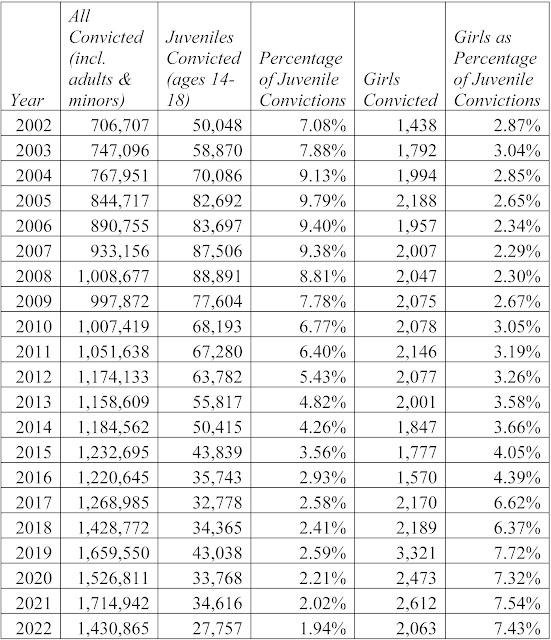
In 2022, the number of juvenile convictions reached a record low, with only 27,757 juveniles tried nationwide. The percentage of juvenile convictions reached its peak at 9.79 percent in 2005 and remained at around 9 percent through 2008. This surge alarmed the Chinese government, and calls for juvenile justice reform increased. In 2007, senior Chinese prosecutor Dan Wei told Dui Hua executive director John Kamm that reforming the juvenile justice system had become a priority for senior leaders. The exchanges kicked off with an invitation to the SPC to study juvenile justice in the United States.
Following the first exchange, juvenile convictions continued to decrease year-by-year. Convictions fell below 5 percent for the first time in 2013, after the revised Criminal Procedure Law came into force and codified the principle of prioritizing education over punishment. Over the last decade, the number of juvenile convictions decreased by more than 50 percent from 63,782 in 2012 to 27,757 in 2022.
Of those 27,757 juveniles, 2,063 were girls. The number of convicted girls increased from 1,570 in 2016 to 3,321 in 2019 but dropped below 2,500 in 2020 and further to 2,000 in 2022. Despite this decrease, the number of girls convicted as a percentage of juvenile convictions has remained above 7 percent since 2019, up from 3.58 percent in 2013.
Table 2. Total, Juvenile & Girl Convictions
Source: National Court Judicial Statistics Bulletin 2002-2022
Collective Efforts
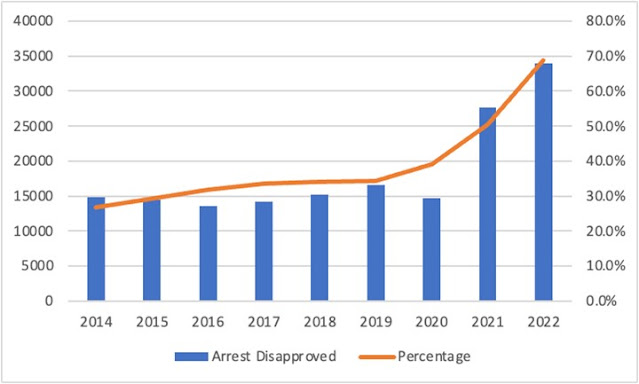
Besides fewer juvenile convictions, the SPP works in tandem with the SPC to incorporate restorative practices into its operations by approving fewer juvenile arrests and prosecutions. In 2022, prosecutors accepted and examined arrests for 49,070 minors, a drop from 55,379 in 2021. It is a sizable increase from 2020’s figure of 37,681. The approval rate for arrests of juvenile suspects in 2022 reached a record low of 31.5 percent. Of those, prosecutors approved arrests of about 15,000 minors while disapproving arrests of 34,000. The disapproval rate rose incrementally every year from 26.7 percent in 2014 to 39.1 percent in 2020. This rate exceeded 50 percent for the first time in 2021 and reached another peak of 68.5 percent in 2022.
In the first six months of 2023, prosecutors disapproved the arrests of 20,000 juveniles. The disapproval is 67.9 percent, on par with the 2022 level.
Table 3. Juvenile Arrests Disapproved
Source: White Paper on Prosecutorial Practice for Minors 2014-2022
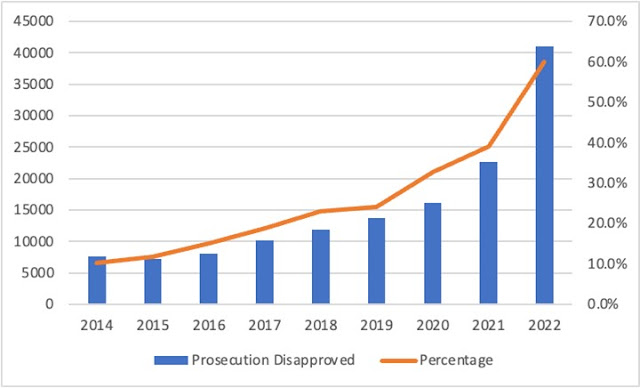
The prosecution rate for juvenile suspects in 2022 was 47.6 percent. The number of juveniles accepted and examined for prosecution decreased year-by-year from 77,405 in 2014 to 58,307 in 2018. In 2022, the number rose back to 78,467, exceeding the 2014 prosecution rate. Despite the increase, a growing number of juvenile delinquents have been given non-prosecution over the years. In 2022, prosecutors approved the prosecution of 28,000 juveniles and disapproved 41,000 prosecutions. The disapproval rate reached a record high of 59.9 percent, up from 10.3 percent in 2013. In just one year, the number of juveniles given non-prosecution nearly doubled from 22,585 in 2021 to 41,000 in 2022.
The non-prosecution rate in the first six months of 2023 was 56.7 percent, with a total of 18,000 juveniles given non-prosecution.
Table 4. Juvenile Prosecutions Disapproved
Source: White Paper on Prosecutorial Practice for Minors 2014-2022
Of particular significance is the wider use of conditional non-prosecution, known in the United States as diversion. In 2022, 26,161 juvenile cases were diverted, and the application rate of diversion rose year-to-year from 20.8 percent in 2020 to 29.6 percent in 2021, and to 36.1 percent in 2022. In 2013, diversion was incorporated into the Criminal Procedure Law. Since 2014, the number of juveniles offered conditional non-prosecution increased eightfold.
Table 5. Juvenile Delinquents Given Conditional Non-Prosecution
Source: White Paper on Prosecutorial Practice for Minors 2014-2022
Sealing Records
Record sealing was incorporated into the Criminal Procedure Law in 2013, and prior to that it was a major topic of discussion during the expert exchanges hosted by Dui Hua. Dui Hua was assisted in preparing and conducting the exchanges by Judge Leonard Edwards of Santa Clara County, California. Judge Edwards (retired) is a recognized expert in juvenile justice in general and the sealing of juvenile records in particular.
In China, the practice of sealing juvenile records mandates that a juvenile offender’s records be sealed after they successfully complete the probation period called for by conditional non-prosecution orders issued by the procuratorate, provided that the juvenile observes the conditions of non-prosecution and does not commit new crimes. The SPP has disclosed nationwide figures on how this restorative measure has been implemented. A total of 92,694 juveniles had their records sealed from 2020-2022. In 2022, 33,021 juvenile records were sealed, an increase from 28,163 in 2020 and 31,510 in 2021. In May 2022, the SPC, SPP and Ministry of Public Security promulgated Implementation Measures for Sealing Juvenile Criminal Records, which provides detailed standards and operational procedures for sealing juvenile criminal records.
The drop in juvenile arrests, prosecutions, and convictions in 2022 signals a more progressive approach to juvenile justice. Although public sentiment continues to support more punitive approaches such as lowering the age of criminal responsibility from 14 to 12 in 2020, the Chinese government increasingly emphasizes rehabilitation and education as the first response to juvenile offenders. The Law on Protection of Minors, revised in 2020, refined the family guardianship system by improving guardianship measures, establishing a mandatory reporting system, and creating an information inquiry system for offenders. The law also provided more guidance on prevention and response measures for internet addiction, campus bullying, new offenses, and parental legal obligations. In the same year, the revised Juvenile Delinquency Prevention Law focused on prevention rather than punitive measures by stressing education, mental health, reduction of bullying, and multi-institutional collaboration to reduce juvenile delinquency.
Building Safer Systems for All
A notable omission of both laws is that they do not address gender-specific needs. It is increasingly recognized that rehabilitating girl offenders requires different approaches than those applied to boys. To raise awareness of the need for gender-specific treatment, Dui Hua formally expanded its mission in 2014 to include women and girls in conflict with the law. Later that year, Dui Hua co-hosted an international symposium on women in prison, facilitating discussions and capacity building on the Bangkok Rules, a set of regulations that provide guidance for policy makers, legislators, sentencing authorities and prison staff to meet the specific needs of women detainees and to reduce overall female imprisonment. As part of this campaign, with permission from Penal Reform International, Dui Hua released a Chinese translation of “Neglected needs: girls in the criminal justice system in 2018.” The 12-webinar International Symposium on Girls in Conflict with the Law that took place from October 2020 to March 2021, continued this campaign in an international context with input from the SPC.
However, many countries – including both the United States and China – continue to use policies that are inadequate to address the unique needs of girls in conflict with the law. Both the Law on Protection of Minors and the revised Juvenile Delinquency Prevention Law made significant strides in improving protections for minors, but the lack of gender-specific measures needs to be addressed in the future. The drop in convictions and the rise of diversionary measures reflect the great progress made in these protections, but it is important that girls are not left behind as China’s juvenile justice system continues to reform.
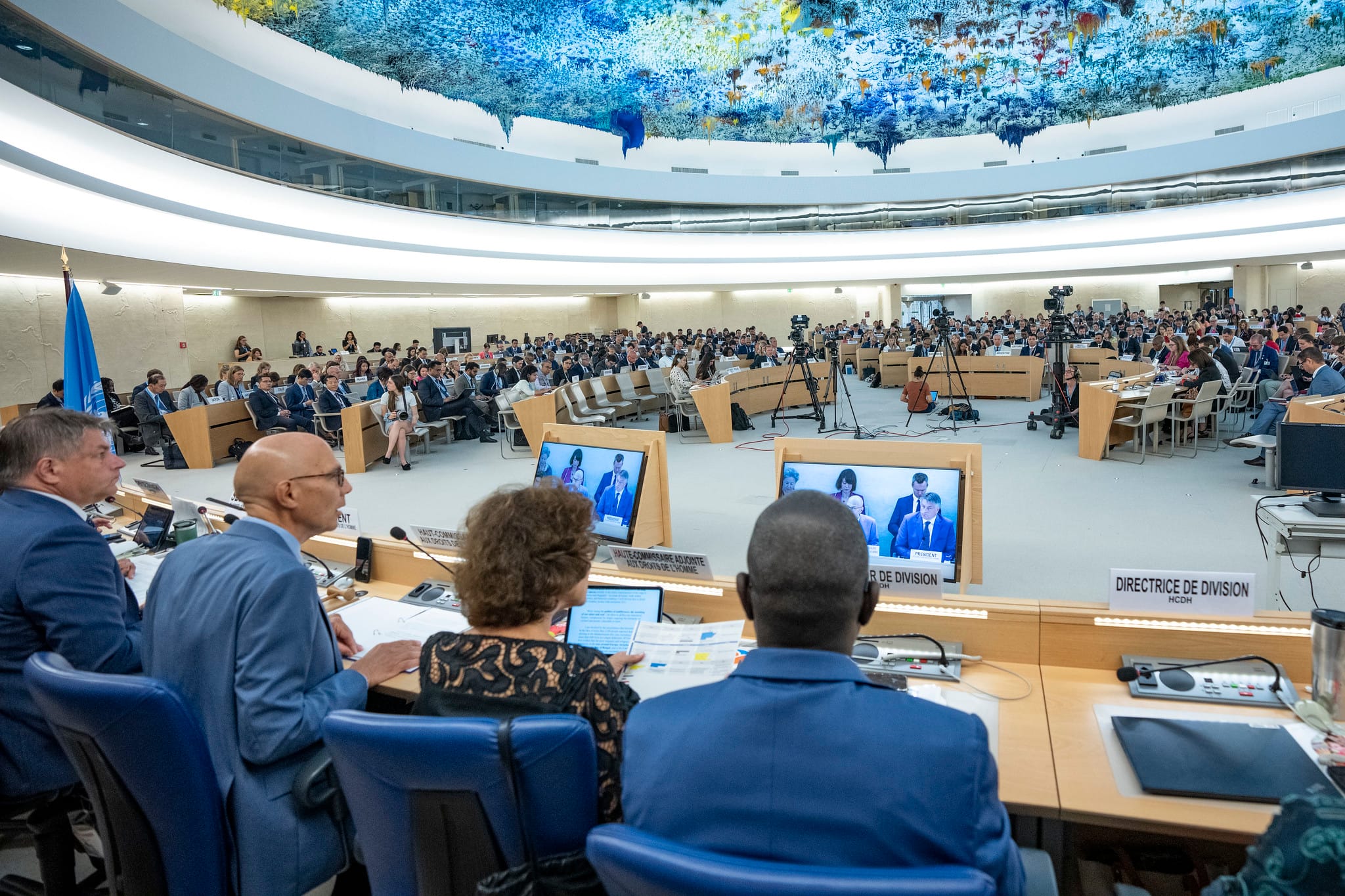
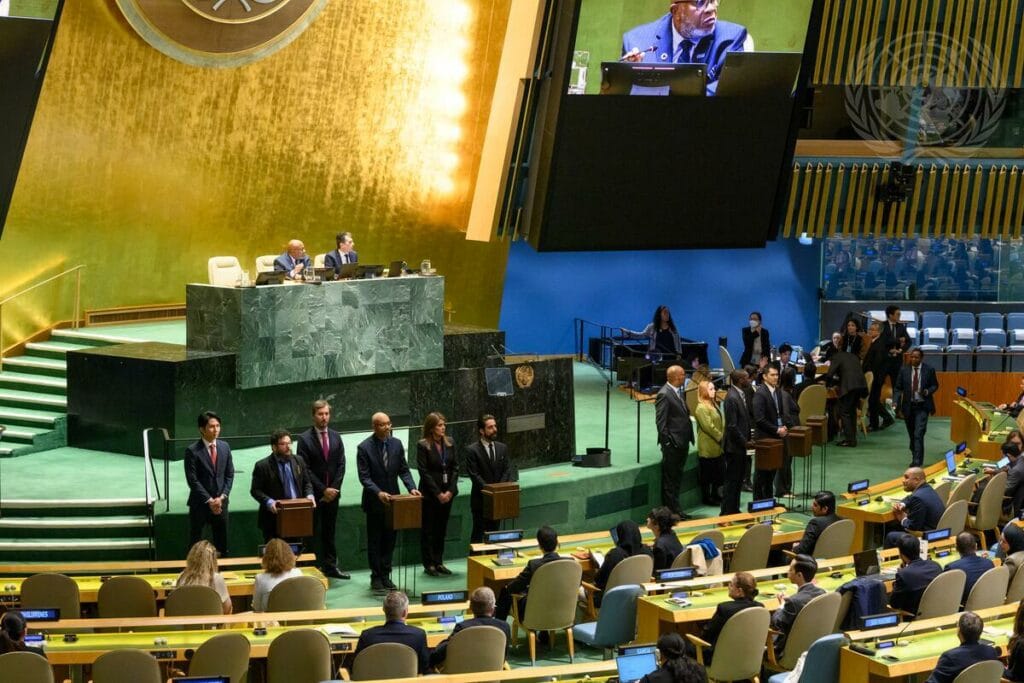
On September 11, 2023, Human Rights Council officials address the Council during its 54th session. Image credit: Jean Marc Ferré / UN Photo
The months of September and October are crucial times for international human rights. The United Nations General Assembly (UNGA) convenes in New York, and the opening session of the Human Rights Council (HRC) takes place in Geneva. As the HRC nears conclusion in October, action shifts back to New York for meetings of UNGA’s Third Committee, which has the responsibility of examining issues related to human rights.
Meetings of both UNGA and HRC were largely uneventful. On October 10, China won reelection to the Human Rights Council in a secret ballot by gaining 154 votes of 192 cast, an improvement from the 139 members who voted in 2018. Of the four countries up for election in the Asia and Pacific Group, China secured the fewest number of votes. The 2023 election of China came despite intense lobbying by parliamentarians and human rights groups which sought to reduce China’s tally from the 2018 result.
A view of the election of members of the Human Rights Council during the 17th plenary meeting of the General Assembly. Image credit: Loey Felipe / UN Photo
In the waning days of the 54th session of the HRC, China and its allies — Bolivia, Egypt, Pakistan, and South Africa — tabled a resolution that seeks to change the way the Office of the High Commissioner for Human Rights (OHCHR) operates by placing greater emphasis on promoting and protecting economic, cultural, and social rights (ECSR) and relatively less emphasis on promoting and protecting civil and political rights. The resolution declares that “Rights should all be treated in the same manner. . . ECSRs have not been accorded the attention they deserve and inequalities are on the rise.”
The resolution’s sponsors make no mention of their own records on ECSRs — e,g. China does not allow independent trade unions — nor do they mention that corruption is rife in their countries. On the whole, the resolution aligns with China’s long-standing effort to emphasize the right of development over all other rights. It was passed by the HRC by consensus on October 12.
HRC High Commissioner Volker Türk (center) on September 11, 2023 during the 54th session of the HRC. Image credit: Jean Marc Ferré / UN Photo
Prior to the flap over China’s resolution in Geneva, there were side events in both New York and Geneva. In New York there was a side event sponsored by the Atlantic Council, Human Rights Watch, and Amnesty International. The event examined the situation in Xinjiang and Uyghur exiles addressed this event. In Geneva, there was a side event sponsored by the United Kingdom that dealt with press freedom on Hong Kong. Sebastien Lai, son of imprisoned publisher Jimmy Lai, delivered powerful remarks.
China strained mightily to make sure that countries didn’t send representatives to either event. Its efforts were in vain. Large audiences attended both events. In Geneva, 25 countries sent representatives to the Hong Kong press freedom event, and the event in New York was prominently covered by the press.
A panel speaking at a side event about the treatment of the Uyghurs hosted by the Atlantic Council, Amnesty International, and Human Rights Watch. Image credit: Atlantic Council YouTube page
In Geneva, the European Union made a statement under Item Four of the agenda that called attention to the situations of political prisoners, cited by name. Unfortunately, the statement failed to mention Professor Rahile Dawut, the internationally acclaimed Uyghur scholar who was given a life sentence that was announced by Dui Hua on September 21, 2023. According to an official in Geneva for the 54th session, the statement made “quite a splash . . . Rahile Dawut’s name was on everyone’s lips.”
It was widely expected that a joint statement on the situation in Xinjiang would be introduced at the Third Committee’s meeting in New York. This would follow up on a joint statement introduced by the United States at the Third Committee meeting in June. Although China was not mentioned by name, the wording of the joint statement on the importance of protecting the cultures of indigenous people was similar to the wording of the Bachelet report. China resolutions at the HRC in Geneva typically attract signatures from no more than 45 countries. The US statement at UNGA in June 2023 attracted the signatures of 67 countries, including several Muslim countries.
DUI HUA: 25 YEARS OF DIALOGUE
Dui Hua began operations in August 1999 upon receiving its first grant to work on prisoner accounting. To mark its 25th year, we’ve launched a new podcast series looking at aspects of Dui Hua’s unique form of advocacy as well as issues affecting US-China relations.
Before 2007, Dui Hua’s work focused exclusively on political and religious prisoners. That year, Dui Hua hosted Dan Wei, a senior Chinese prosecutor and legal scholar, on a study program around Bay Area law schools and legal facilities to learn about the US criminal justice system. After a juvenile court hearing, Dan pulled Kamm aside to say that China was interested in reforming its juvenile justice system and suggested that Kamm speak with his friends at the Supreme People’s Court (SPC) about a joint US-China program. Listening intently, Kamm saw space to open a new dialogue channel.
Dan’s visit to the San Francisco County Jail. Image credit: Dui Hua archives
Kamm reached an agreement with the SPC, secured funding with the support of the MacArthur Foundation, and gathered a group of experts to represent the US justice system. Dui Hua had never attempted an event on this scale before, but by March 2008 the planning was done. Tragically, a massive earthquake struck Sichuan Province in May 2008, forcing the event to be delayed.
Once the Chinese delegation arrived in October 2008, the US experts did their part to highlight successes in the field, but they also laid bare the systematic deficiencies. Judge Edwards, an instrumental figure in Dui Hua’s expert exchanges, shared that the United States has no single unified juvenile justice system but rather more than 2,800 different ones that vary radically from one county to another. Judge Edwards also spoke about the value of sealing juvenile records to give young offenders a clean slate upon release.
The delegation visiting a San Francisco legal facility. Image credit: Dui Hua archives
“Dui Hua started as a small organization with a big humanitarian mission. As the organization grows, the scope of its work needs to grow to ensure that more people benefit and that individuals vulnerable to systemic prejudice are heard,” Kamm said in 2011 when he announced the expansion of Dui Hua’s mission to include juvenile justice and women in prison.
Juvenile justice and women in prison are among the few human rights topics that China and the United States can still discuss with each other. Adopting these new program areas increased the emphasis on humanitarian treatment for at-risk detainees, while maintaining the importance of “dialogue,” the meaning of Dui Hua’s name in Mandarin Chinese. The 2008 juvenile justice exchange marked the start of Dui Hua’s cooperation with the SPC, leading to eight additional expert exchanges over 15 years, all of them rooted in the spirit of “dialogue”: the notion that positive change is realized through constructive relationships and exchange.
Doing Right by Our Children: Mutual Concern Opens Up New Dialogue on Juvenile Justice
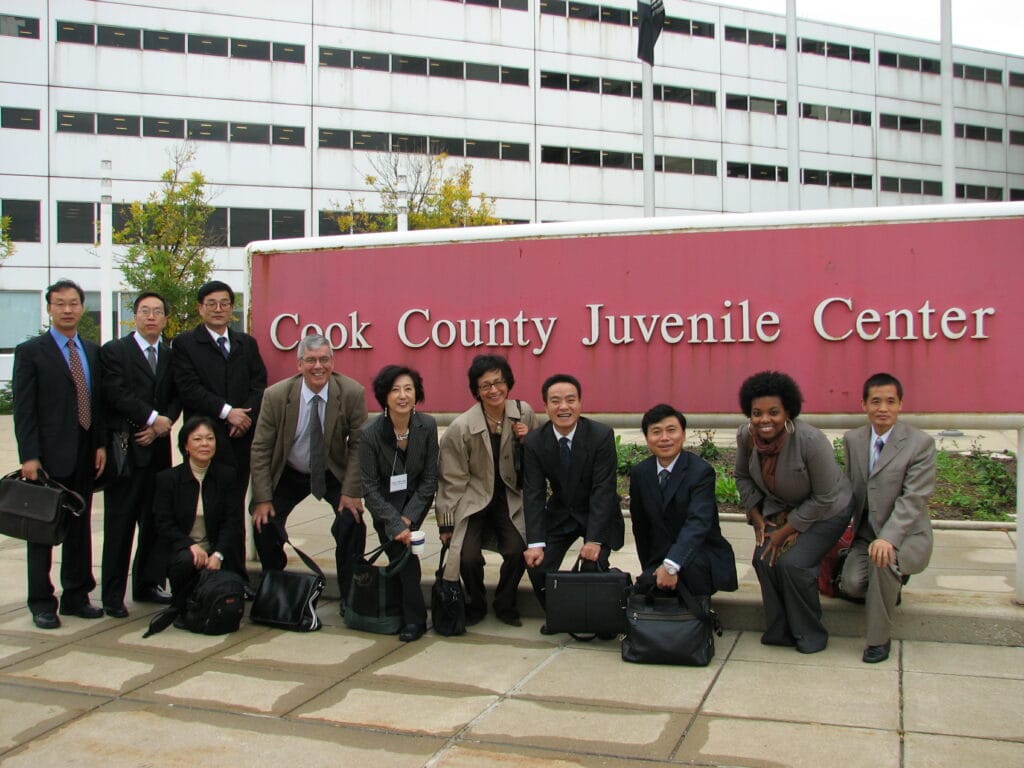
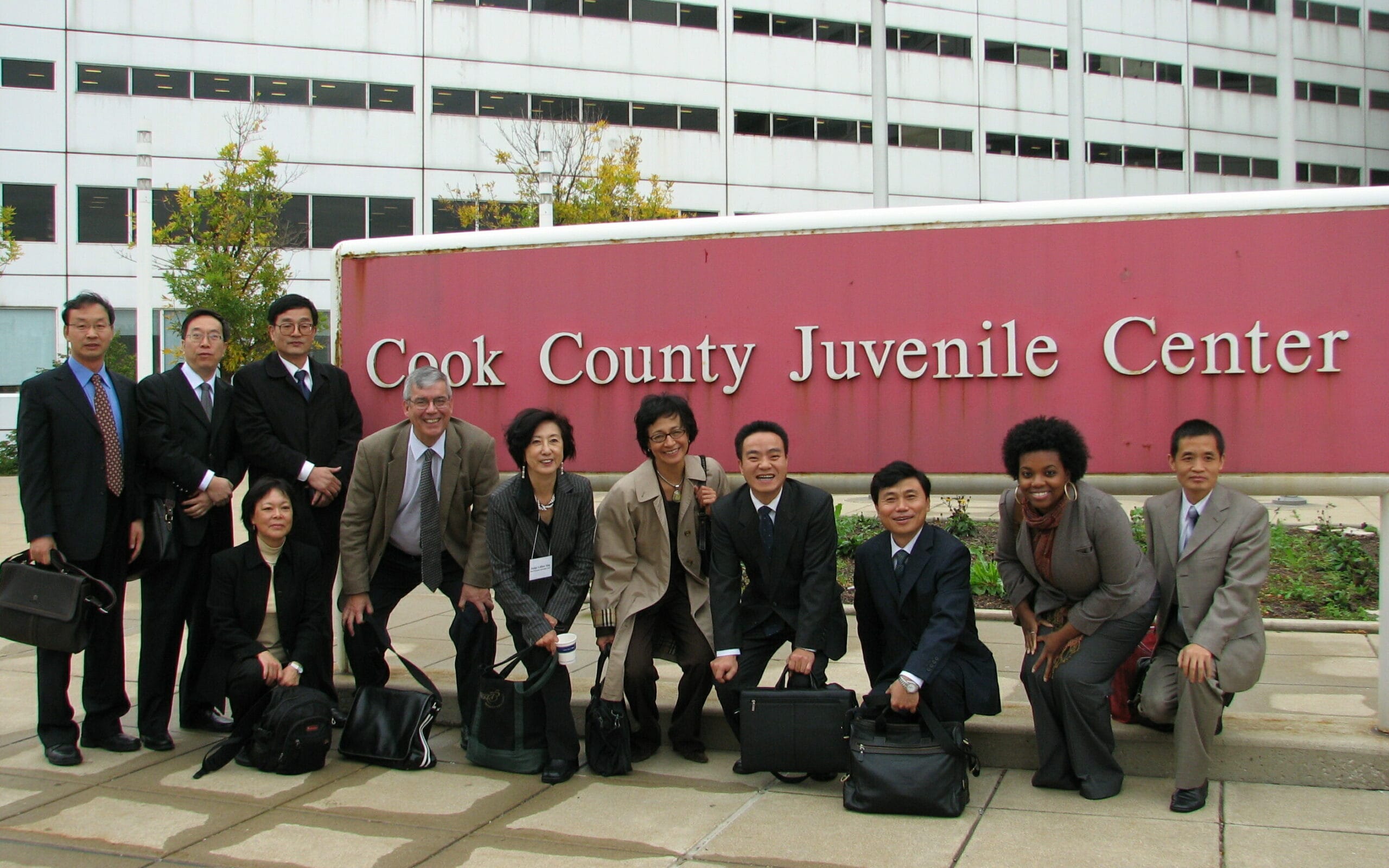
The delegation at Cook County Juvenile Center, Illinois. Image credit: Dui Hua archives
Exploring Dui Hua’s first expert exchange with the Supreme People’s Court of China, this John Kamm Remembers goes back 15 years to a time when Chinese officials looked to the United States for insights into legal reform. What followed was a week-long exchange where legal experts from both countries discussed their flaws and successes of their legal systems, inspiring changes that resonate to this day.
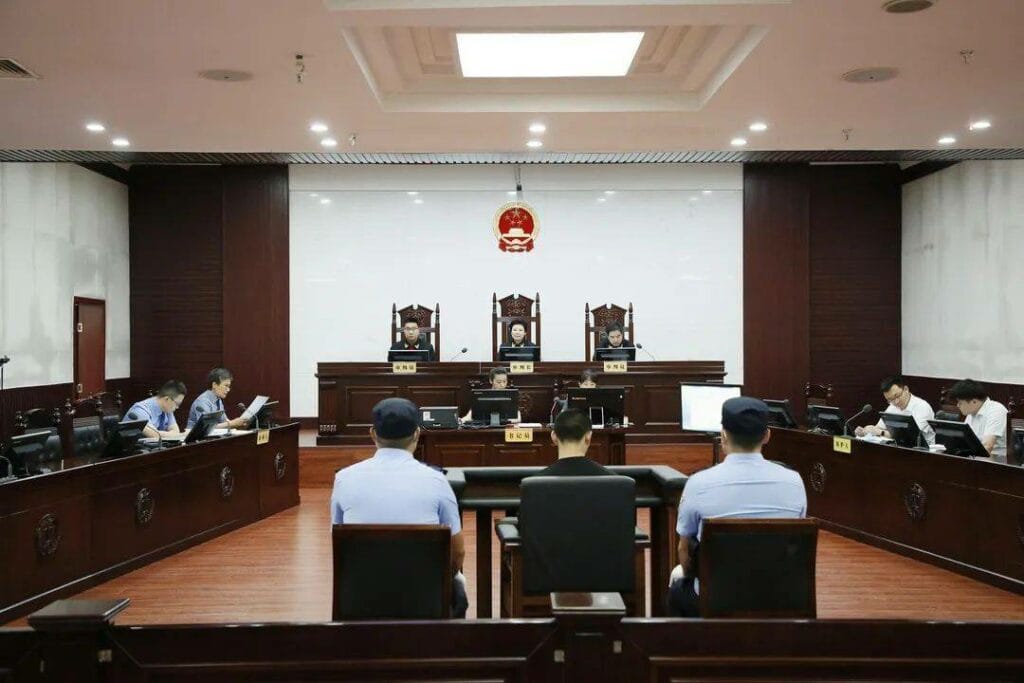
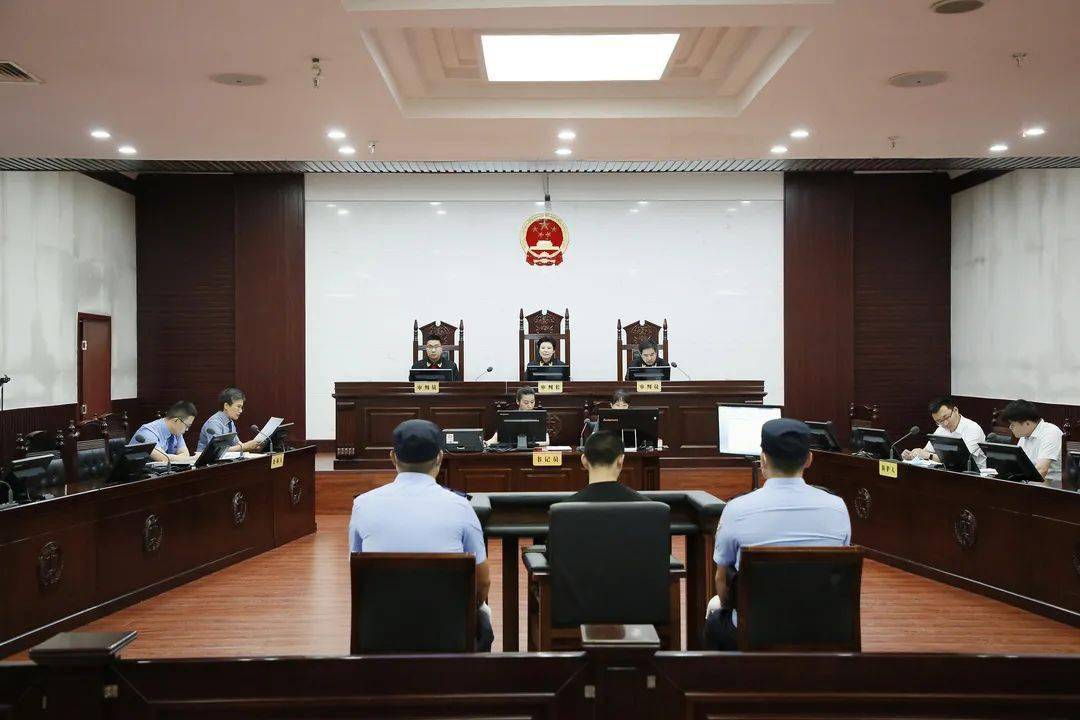
A 2021 trial for a murder case, which was livestreamed on China Court Trial Online. Image credit: Kaifeng Intermediate People’s Court, Henan Province
In 2022, China’s trial acquittal rates reached a new low while its conviction rate soared to 99.95 percent. Dui Hua’s Human Rights Journal delves into recent statistics to understand this trend and what it means for the criminal justice system in China.
SAN FRANCISCO (SEPTEMBER 21, 2023) — According to a source in the Chinese government, Professor Rahile Dawut (راھىلە داۋۇت, 热依拉 · 达吾提), an acclaimed Uyghur intellectual and expert on Uyghur folklore and traditions, is serving a life sentence for endangering state security.
In 2022, Dui Hua added 1,650 names to its Political Prisoner Database, submitted 21 prisoners lists to the Chinese government, and learned of 23 acts of clemency. Read the report to learn more about last year’s achievements and developments.
Over the last two months, Dui Hua’s research and advocacy has received attention in the press. Its research on acquittal rates in China was published in the Human Rights Journal (HRJ). Both this HRJ and our work tracking exit bans for Americans in China were cited in Politico’s “China Watcher” newsletter.
Dui Hua’s press statement on Professor Rahile Dawut received widespread coverage in US and international media. Professor Rahile Dawut’s life sentence was reported on by major news outlets including the Associated Press, Reuters, BBC, New York Times, Washington Post, Guardian, and NPR. In addition to being syndicated widely, it triggered condemnations by the US State Department and leading NGOs such as Human Rights Watch, the World Uyghur Congress, the Campaign for Uyghurs, and the Council on American-Islamic Relations and was covered by news outlets in Europe, South Asia, East Asia, and the Middle East.
For more information, please visit our Dui Hua in News page.
Life Sentence for Professor Rahile Dawut confirmed
According to a source in the Chinese government, Professor Rahile Dawut (راھىلە داۋۇت, 热依拉 · 达吾提), an acclaimed Uyghur intellectual and expert on Uyghur folklore and traditions, is serving a life sentence for endangering state security.
The Dui Hua Foundation (Dui Hua) had previously been told by a Chinese official that Professor Rahile Dawut was tried in December 2018, one year after her detention, for the crime of “splittism” — a crime of endangering state security — by an intermediate people’s court in Xinjiang. She was convicted and appealed the sentence. The most recent information confirmed that her appeal was subsequently rejected by the Xinjiang Uyghur Autonomous Region High People’s Court.
Professor Rahile Dawut’s sentence comes with the supplemental sentence of deprivation of political rights for life.
For more information of Professor Rahile Dawut’s, please read our press statement.
Inciting subversion trial for Guangzhou activists begins
After spending two years in custody, the trial for women’s rights advocate Huang Xueqin (黄雪琴) and labor activist Wang Jianbin (王建兵) began on September 22, 2023. According to their supporters, family members of Huang and Wang were able to attend the hearing at the Guangzhou Intermediate People’s Court. The court has yet to announce a judgment at the time of writing.
Details of the allegation were unknown to the public until the supporters posted the indictment and updates on the trial. The document revealed that the two were initially detained for subversion on September 21, 2021. They were formerly arrested on October 27, 2021 for inciting subversion, another endangering state security crime. The indictment listed Huang as the first defendant and Wang as co-defendant.
The prosecutors accused the pair of using overseas communication apps to organize gatherings at Wang’s home to discuss social issues that would incite participants’ “dissatisfaction” with the Chinese government. Huang and Wang allegedly took part in training sessions organized by foreign NGOs on non-violent activism. Wang received the training while studying in the United Kingdom while Huang hosted the online course on non-violent activism from China.
The indictment also accuses Huang of writing and posting “inflammatory” articles on overseas social media platforms and spreading false information and accusations during online video conferences. Wang was similarly accused of posting false statements in several overseas online groups, including those commemorating the Chinese Jasmine Revolution and June Fourth, with the goal of subverting state power.
The indictment also named a third person, identified only by partial name of Chen X-Xiang, who was involved in organizing the gatherings at Wang’s home. Chen will be tried in a separate case.
Taiwan businessman incarcerated for espionage in Fujian
Dui Hua’s research has uncovered a previously unknown espionage case. A Taiwan resident and businessman is serving a 12-and-a-half year sentence for espionage in a Fujian prison.
Chen Shukai (陈树楷) was convicted by the Xiamen Intermediate Court in August 2020. Allegedly under the instruction of Taiwan Military Intelligence Bureau, he received 29 documents with military information between 1998 and 2003 when he visited Beijing.
Chen was the chairman of the board of Bioil International LTD (TW) before his detention. Dui Hua found a business with the same name on a Taiwan business information website. The page still lists Chen Shukai as the company’s chairman, but its tax status is “closed.”
In addition to prison, Chen’s sentence also includes three years of ”deprivation of political rights.” The sentence is expected to expire in June 2029.
In April 2023, the prison submitted a four-month sentence reduction recommendation on Chen’s behalf. At the time of writing, the result has yet to be made public.
Activist sentenced in Jiangxi
Jiangxi activist Ke Youbin (柯有斌) was sentenced to two and a half years in prison for picking quarrels and provoking trouble, a conviction stemming from the critical messages he shared in his WeChat groups. Ke also met regularly with his fellow activists to discuss social issues. He was criminally detained on September 8, 2022 and is scheduled for release on March 7, 2025.
First prison visit for Wang Bingzhang in four years
Prominent activist Wang Bingzhang (王炳章) received his first in-prison visit since the outbreak of the outbreak of the COVID-19 pandemic in early 2020. His daughter visited him at Guangdong’s Shaoguan Prison.
Wang, a permanent US resident, has been in a weakened state following recurrent strokes, and he continues to suffer from hypertension. Since being imprisoned for espionage and terrorism over two decades ago, Wang has been placed under solitary confinement. UN experts have called on member states to end the practice because prolonged solitary confinement amounts to psychological torture.
Mainland student sentenced for sedition in Hong Kong
On September 12, 2023, a Hong Kong court sentenced mainland postgraduate law student Zeng Yuxuan (曾雨璇) to six months in prison under the colonial-era sedition law. She was found guilty of receiving posters about the “Pillar of Shame,” a copper tower made from human figures representing those who died during the June 4, 1989 protests, from US-based activist Zhou Fengsuo (Zhou was a student leader during the 1989 Tiananmen Square protest and is now the executive director of Human Rights in China).
Zeng is the first person from the mainland to be convicted of sedition in Hong Kong. The case serves as a warning to other mainlanders in the city who might sympathize with the pro-democracy movement.
Elderly Falun Gong practitioner in Guangdong Women’s Prison receives clemency
Interlocutors confirmed to Dui Hua that elderly Falun Gong practitioner Xu Ruiping (徐瑞萍) was granted a seven-month reduction in February 2023, for good behavior.
A resident of Jieyang, Guangdong, in her late 60s, Xu has been a long-time Falun Gong practitioner. She was previously placed under administrative detention in 2006 but remained unrepentant according to the 2016 judgment. She often recruited and gathered other practitioners at her home for meditation sessions. The police confiscated a large amount of materials at her home, including booklets, DVDs, cassette tapes, and posters.
The February sentence reduction is Xu’s second. She received a six-month reduction in 2020. Her sentence will expire in January 2025.
In this episode, host Rebekah Enoch talks with Dui Hua founder John Kamm about his experience hosting Dui Hua’s first US-China exchange on juvenile justice in 2008. This groundbreaking event brought judicial experts from China’s Supreme People’s Court to study the juvenile justice system in the United States, beginning a series of exchanges that have contributed to progress made in both countries’ juvenile justice systems. John shares his insights on differences in the two countries’ systems, the impact of the exchanges, and why Dui Hua decided to expand its mission to include women in prison and juvenile justice, in addition to political prisoners. You can read John’s story in latest John Kamm Remembers: “Doing Right by Our Children: Mutual Concern Opens Up New Dialogue.”
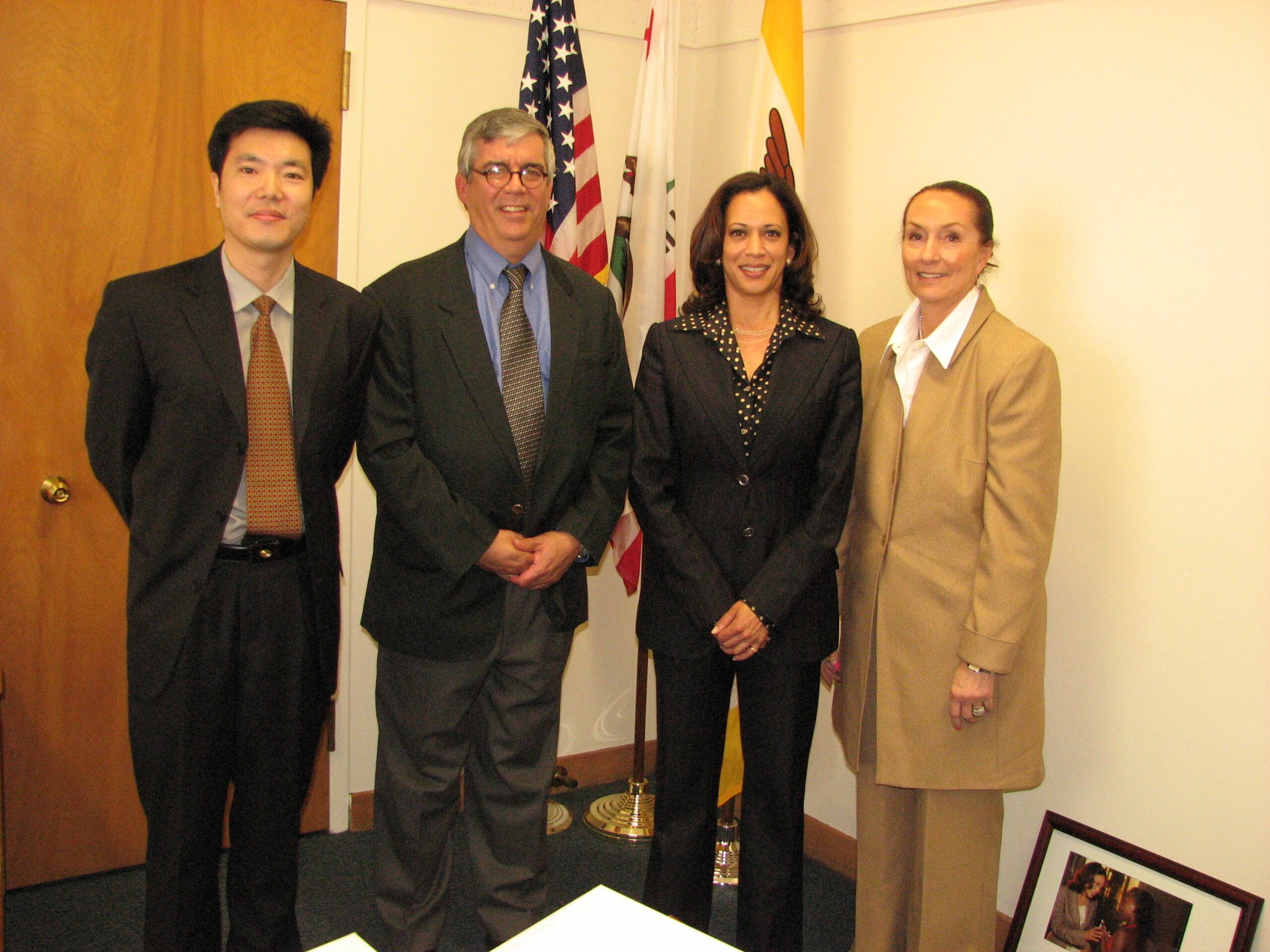
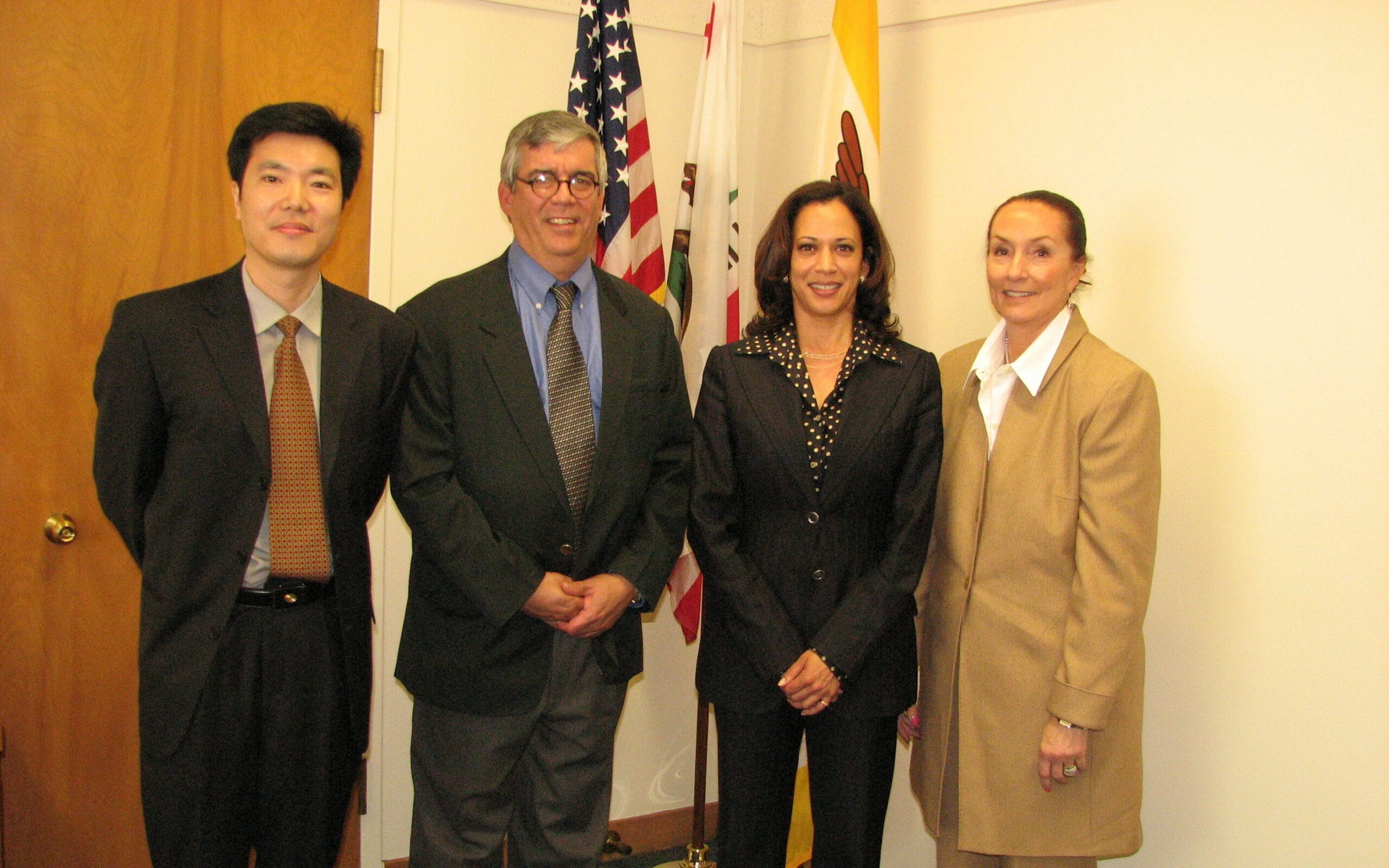
On March 14, 2007, Dan Wei and John Kamm visited the San Francisco District Attorney’s Office and were photographed with then-District Attorney Kamala Harris. Image credit: Dui Hua archives
I
n March 2007, Dui Hua hosted Mr. Dan Wei, a senior Chinese prosecutor and legal scholar with close ties to China’s judiciary. The visit to the San Francisco Bay Area lasted eight days.
It was an event-filled eight days. Together we went to the University of California Berkeley, Hastings School of Law, and Stanford University, where the prosecutor gave lectures and spoke with law students and professors. We also attended trials and pre-trial hearings in San Francisco and San Mateo counties, dined at a prisoner-rehabilitation restaurant, held meetings with local law enforcement officials, judges and prosecutors, visited San Quentin Prison and jails in San Francisco and San Mateo, and met with San Francisco District Attorney (now Vice President of the United States) Kamala Harris.
On March 16, 2007, we attended a hearing in juvenile court presided over by Judge Lillian Sing, the first Chinese American woman to serve as a judge in Northern California. At the end of the hearing, Dan took me aside: “Reforming the juvenile justice system is a key priority of China’s reform of the criminal justice system. This subject is high on the agenda of senior leaders. I suggest you contact your friends at the Supreme People’s Court (SPC) to explore doing joint programs. I will also get in touch with them,” he said.
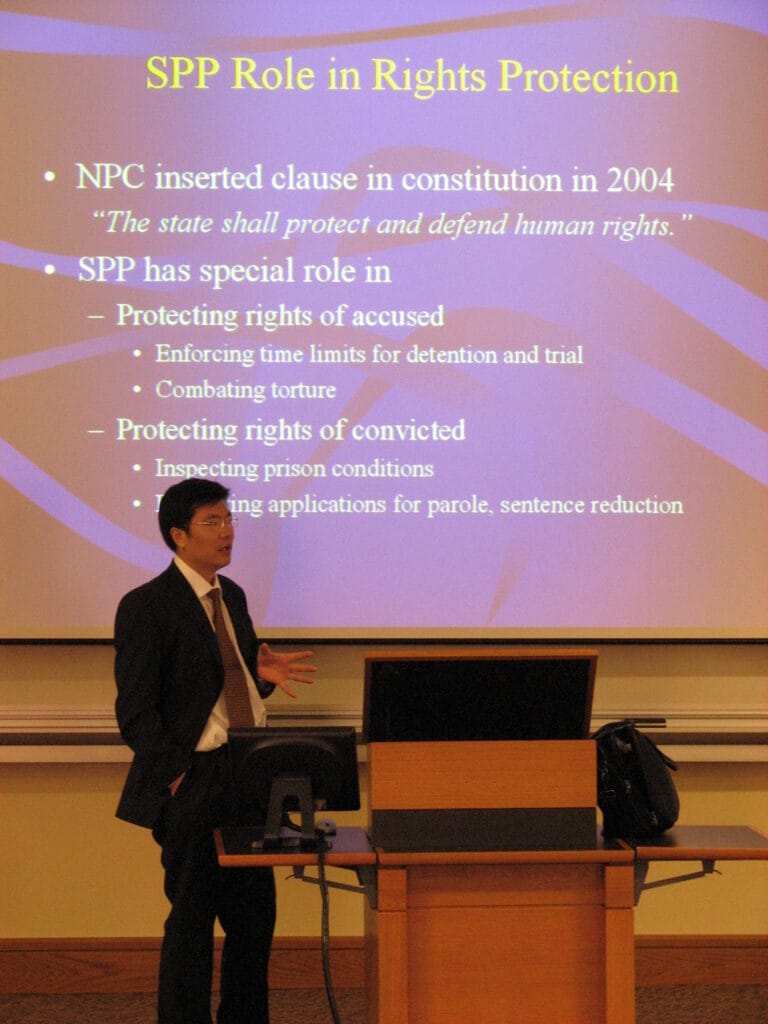
Dan speaking at Stanford. Image credit: Dui Hua archives
I sent an email to Ms. Yu Xiaoyu, a member of the leadership team of the SPC’s foreign affairs department. She replied, confirming that reform of the juvenile justice system was a priority and promising to follow up with the Research Department, the body in charge of juvenile justice reform.
In August 2007, I was invited to attend a meeting with the MacArthur Foundation in Chicago to discuss possible human rights programs in China. I had been given a MacArthur Fellowship in 2005, and MacArthur was a recognized leader in reforming juvenile justice in the United States. I urged MacArthur senior staff as well as the others in attendance to fund a program in juvenile justice reform in China. It would entail inviting a delegation from the SPC and other judicial authorities to the United States. MacArthur endorsed the idea and we quickly agreed on the terms of the grant.
Having secured funding, Dui Hua began discussions with the SPC Research Department and the SPC International Department to fix the dates, make-up, delegation interests, and itinerary. I also began working with Judge Sing and the MacArthur Foundation on details of the delegation’s tour of juvenile justice facilities. All parties agreed that the delegation would take place in June 2008.
A Late but Promising Start
On May 8, 2008, a devastating earthquake rocked Sichuan Province. Tens of thousands died and there was great loss of property. Travel in and out of China was suspended, as were delegations and programs. Dui Hua and the SPC agreed to reschedule the delegation to October 2008.
The delegation, led by Senior Judge and Deputy-Director General of the Research Department Hu Weixin, arrived in Chicago, the delegation’s first stop, on October 12, 2008, at 6 PM. The delegation included another senior SPC judge, a senior judge of the Qingdao Intermediate Court in Shandong Province, a judge from the Beijing High Court, a senior official of the Communist Party of China’s Central Institute of Politics and Law, and a division director of the SPC’s International Department.
The delegation at Cook County Juvenile Center, Illinois. Image credit: Dui Hua archives
After arrival, the group checked into their hotel. We went looking for a Chinese Restaurant and found one specializing in Shanghai cuisine. As we were about to enter the restaurant, I took Judge Hu aside and asked him “Do you know what kind of work I do?” referring to my efforts on behalf of Chinese political and religious prisoners that began in 1990. “We know about your work, but this will not affect our cooperation,” he replied.
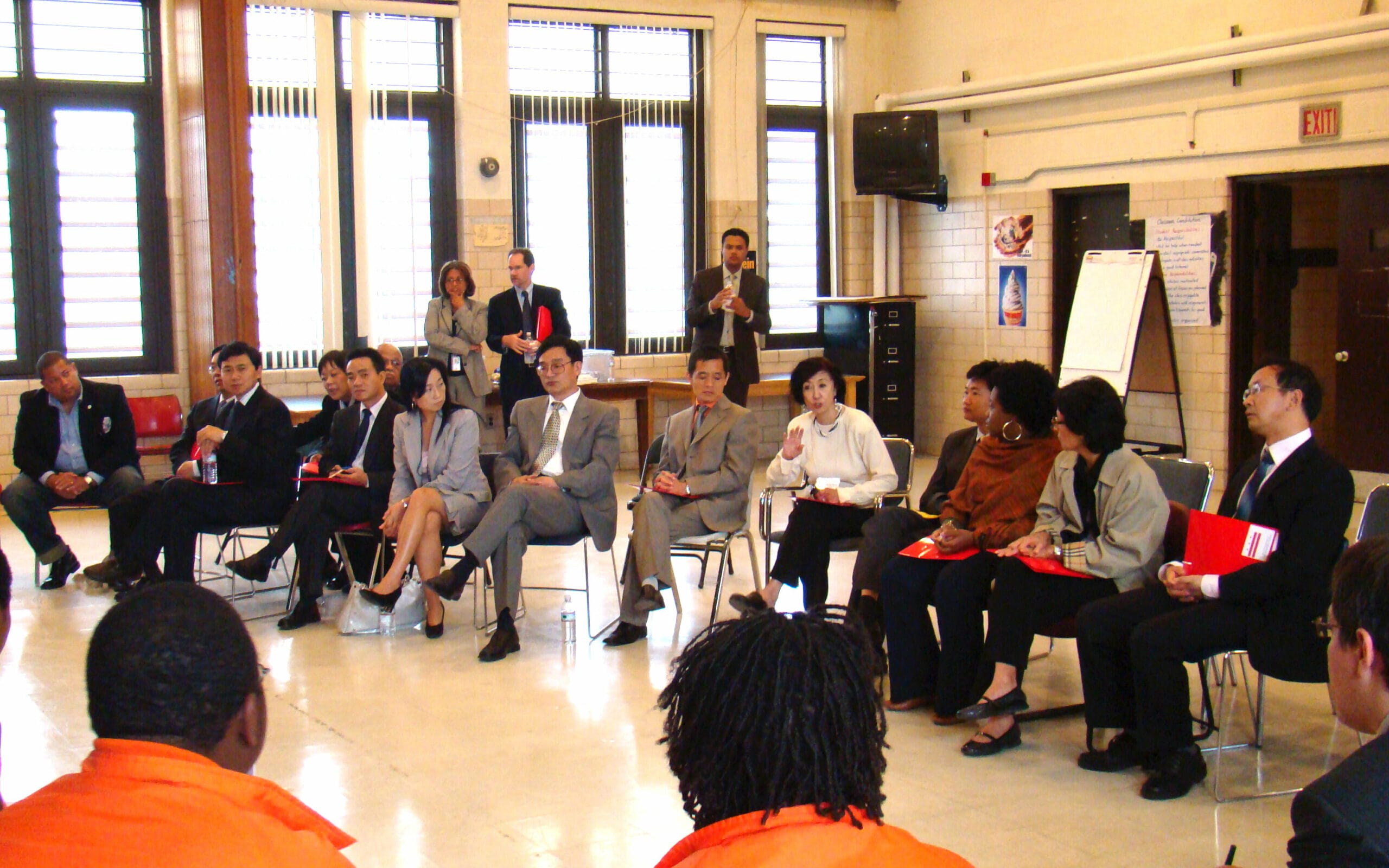
After Chicago we visited juvenile facilities – juvenile courts, places of detention, and other institutions – and held meetings with more than 50 American judges, scholars, police and probation officers, State Department and Justice Department officials (including from the Justice Department’s Office of Juvenile Justice and Delinquency Prevention), district attorneys and juvenile defenders, and community leaders of groups working on juvenile justice. We heard from juvenile detainees. We stopped in Washington DC, Maryland, and the San Francisco Bay Area. The delegation departed San Francisco and returned to China on October 23, 2008.
At each stop, Judge Hu and colleagues gave presentations on China’s juvenile justice situation, its past and current state, and its plans for the future.
A Momentous Encounter with Justice Anthony Kennedy
On October 16, 2008, the delegation, joined by the Chinese Deputy Chief of Mission (now China’s Ambassador to the United States) Xie Feng, Judge Sing and me, met with Justice Anthony Kennedy of the Supreme Court. Justice Kennedy is a towering figure in juvenile justice reform in the United States, having authored the Roper vs. Simmons decision in 2005. In this 5-4 decision, the Court decided that executing a person for crimes committed before the age of 18 is unconstitutional. In the decision, Judge Kennedy reversed his previous support for executing juveniles, and he cited the fact that China had long ago banned executing juveniles. The Chinese judges provided background on how China’s judiciary decided to take this step.
Justice Kennedy with members of the delegation. Image credit: Dui Hua archive
Justice Kennedy had just returned to Washington from a trip to Europe. He was struck at how severe sentences handed down by American courts were compared to sentences passed by courts in western Europe, reflecting a culture of punishment instead of rehabilitation of offenders.
Judge Sing was impressed by Justice Kennedy’s grasp of research that showed that the adolescent brain is very different from the adult brain. These findings underpinned his decision in the Roper vs. Simmons case. The Chinese judges were not surprised by the findings.
Two Sites in Maryland
The day after our meeting with Justice Kennedy, we boarded our bus, packed with lunch boxes, and headed to two locations in Maryland: The Oak Hill Youth Center in Laurel, and the Victor Cullen Center in Sabillasville. Both facilities had been recommended by the MacArthur Foundation.
The Oak Hill Youth Center was, at the time of our visit, a maximum-security detention facility for Washington DC youth convicted of committing serious crimes. Upon arrival we were told that the center could house 60 male youths.
We had a look at the living quarters, the kitchen, the gym, and a new building under construction. We had the opportunity to speak with detainees both before and after the tour.
The delegation meeting with detainees at Oak Hill. Image credit: Dui Hua archive
As we got ready to leave, Judge Hu took me aside and offered me a cigarette. “When will we see the detention center for white youth?” he asked. On our walk around the facility, we interacted with youth of color, nearly all of whom were African American.
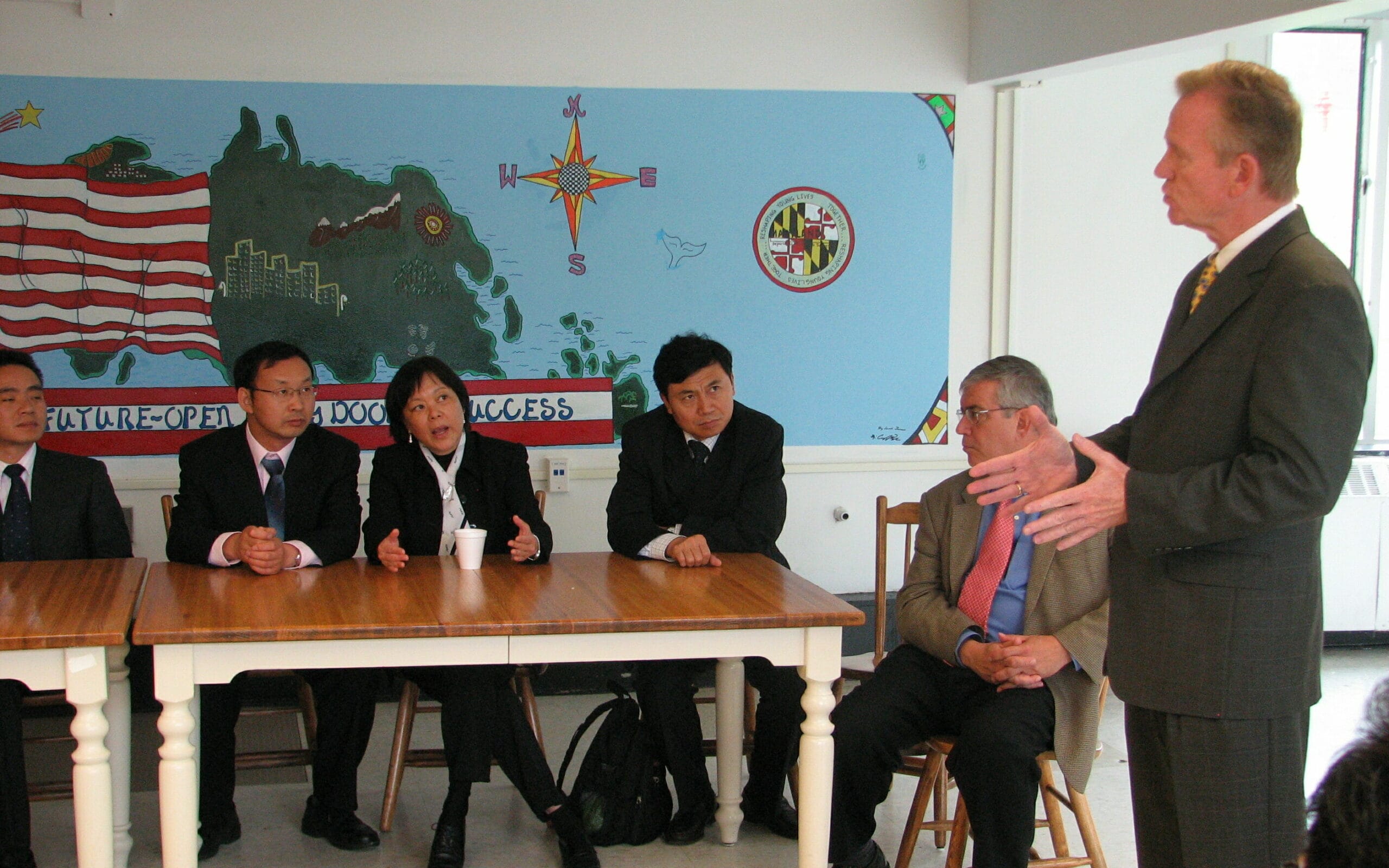
Housed in a historic building in Sabillasville, the Victor Cullen Center is the headquarters of the Maryland Department of Youth Services. We listened to a presentation on the “Maryland Model” and engaged in a roundtable discussion with state officials, staff of the center, and detainees.
Tough Love: A Meeting of Unlike Minds
A focus of the discussion was recidivism. Maryland was proud to have lowered recidivism among youth detainees to under 50 percent. Our Chinese guests were asked what the recidivism rate for youth offenders was in China.
The Chinese judges were reluctant to answer. After prodding, Judge Zou Chuanning of the Qingdao Intermediate Court replied that, in Shandong, the recidivism rate was “around five percent.” American officials were astonished. They asked how this low rate was achieved. Judge Zou and Judge Hu responded:
A moment from the presentation on the “Maryland Model.” Image credit: Dui Hua archives
“Time spent in detention is not easy. We make it tough. Youth rise early, have a simple meal and then start marching. They march for a couple of hours after which lunch is served. Youth then attend a lecture on state and party practices and ideology, after which they march for another two hours. They have another meal and then they go to bed. We practice what you call, in America, tough love,” said Judge Zou.
Judge Hu weighed in: “Being sentenced to a detention center or a juvenile prison is a matter of great shame for Chinese families. Upon release, the youth is put under the care of a family member who is preferably a retired soldier or officer of the People’s Liberation Army. This person handles the youth very strictly to make sure he respects the law and policies of the Chinese government and the Communist Party.”
This was not the answer the Americans wanted to hear.
Dialogue is a Two-Way Mirror
The last event of the delegation took place on October 23, 2008, at San Francisco’s historic University Club. Judge Leonard Edwards, a leading authority on juvenile justice in the United States, made a presentation on “Building a Juvenile Justice System.”
Judge Edwards remarked that, in fact, there is not a single, unified juvenile justice system in the United States. Referring to the number of counties in America, he remarked that there are more than 2,800 juvenile justice systems in the country. It is not unusual for a system in one county to be radically different from an adjacent county.
Dialogue is a two-way mirror. One learns about how other countries handle issues related to law and, at the same time, one learns about our own laws and practices as they relate to juveniles under detention. On this visit, American deficiencies in juvenile justice were laid bare: executions of juveniles until 2005, racial disparity in the treatment of youth, and abuse of juveniles. United by a common concern for youths, both parties also had the opportunity to rethink how youth offenders could best be supported.
Finding Common Ground: Juvenile Rights are Human Rights
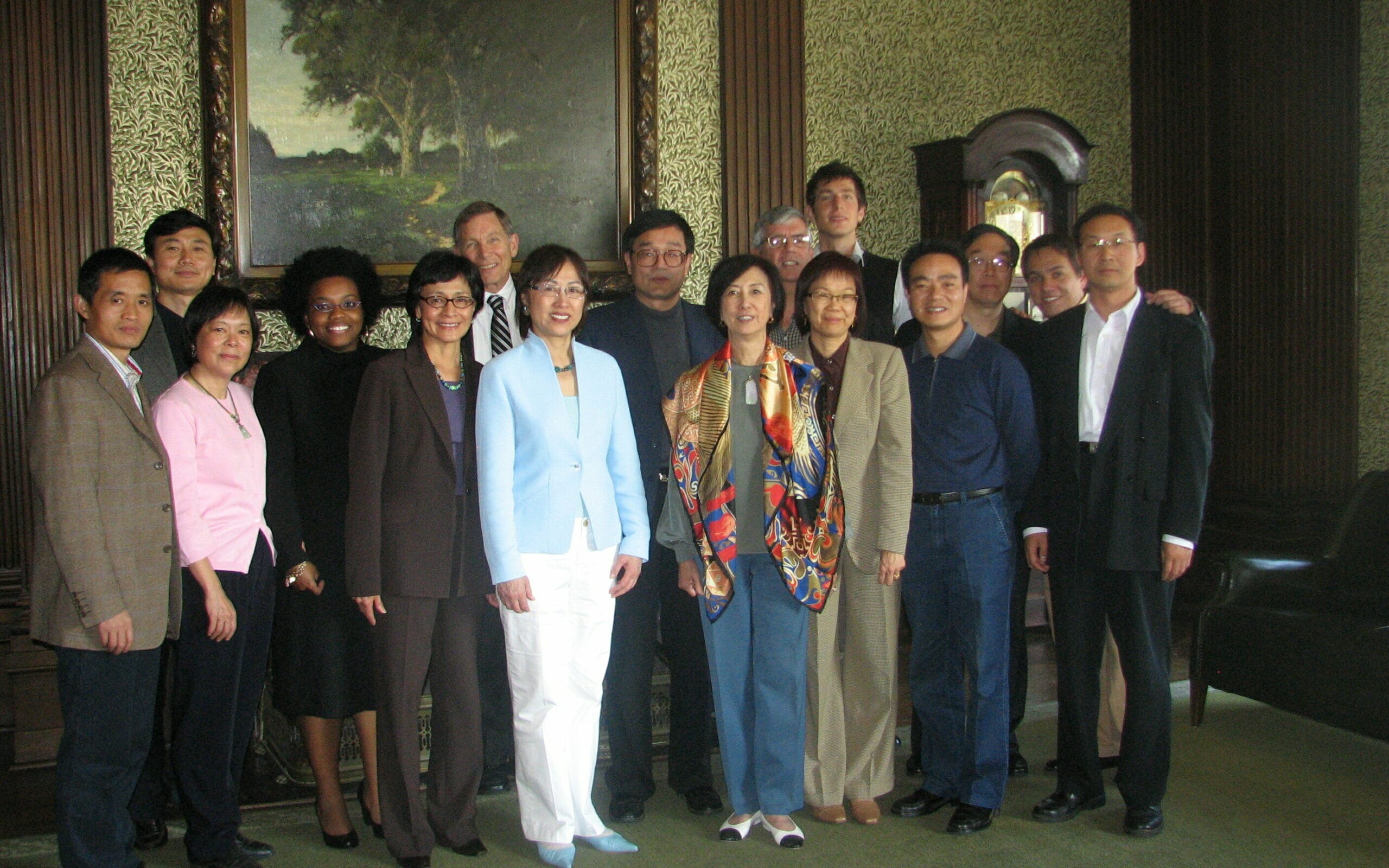
Members of the US and Chinese delegations at the University Club of San Francisco. Image credit: Dui Hua archives
The 2008 juvenile justice program marked the beginning of Dui Hua’s cooperation with the SPC in areas of law that affect juveniles and women in prison, including girls in conflict with the law. In the ensuing 15 years, Dui Hua and the SPC cooperated on eight programs, some in person, others held virtually. Each exchange with the SPC required a great deal of preparation—selecting topics, identifying presenters, resolving a multitude of logistical issues.
Juvenile justice is one of the few areas in the realm of human rights where the two countries can talk with each other rather than talking past each other. Experts from both countries are committed to continuing cooperation in this vitally important area of human rights and engaging in meaningful dialogue. For Dui Hua, our work on juvenile justice facilitated our work on political and religious prisoners, many of whom are juveniles.
SAN FRANCISCO (SEPTEMBER 21, 2023) — According to a source in the Chinese government, Professor Rahile Dawut (راھىلە داۋۇت, 热依拉 · 达吾提), an acclaimed Uyghur intellectual and expert on Uyghur folklore and traditions, is serving a life sentence for endangering state security.
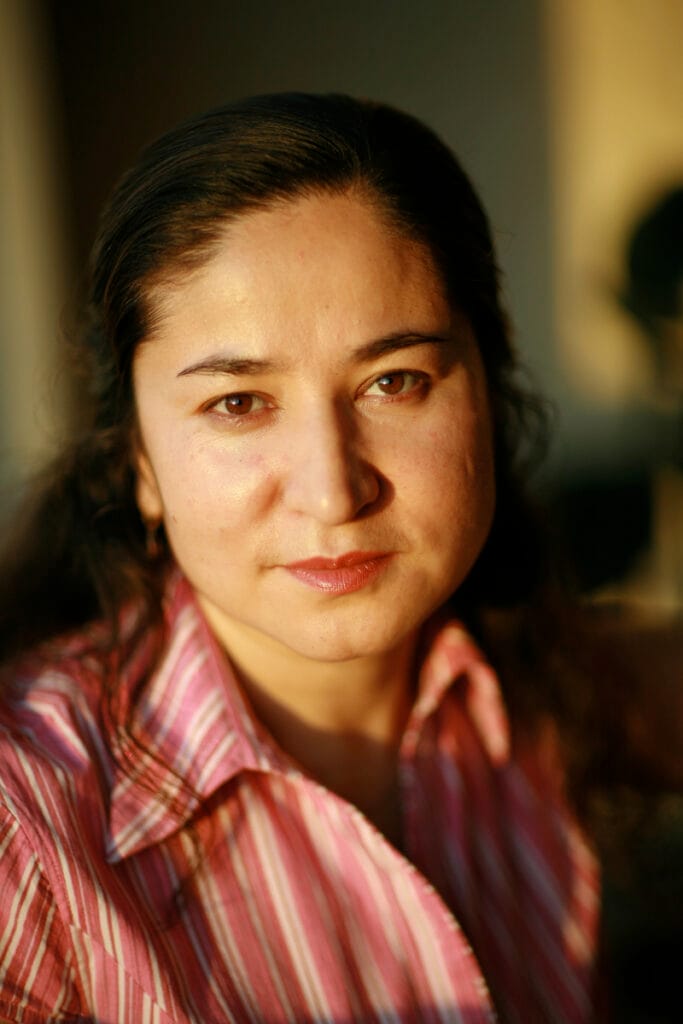
Professor Rahile Dawut. Image credit: Lisa Ross
The Dui Hua Foundation (Dui Hua) had previously been told by a Chinese official that Professor Rahile Dawut was tried in December 2018, one year after her detention, for the crime of “splittism” — a crime of endangering state security — by an intermediate people’s court in Xinjiang. She was convicted and appealed the sentence. The most recent information confirmed that her appeal was subsequently rejected by the Xinjiang Uyghur Autonomous Region High People’s Court.
Professor Rahile Dawut’s sentence comes with the supplemental sentence of deprivation of political rights for life.
China has a very low acquittal rate. Dui Hua is unaware of any acquittals in cases of splittism in recent years. Such trials are held in secret. The defendant’s lawyer is thought to have attended Professor Rahile Dawut’s trials, but it is not known if members of her family were allowed to attend.
Although there has been speculation that Professor Rahile Dawut was given a long sentence, this is believed to be the first time that a reliable source in the Chinese government has confirmed the sentence of life imprisonment.
Professor Rahile Dawut was, at the time of her detention in December 2017, teaching at Xinjiang University College of Humanities. She founded the Ethnic Minorities Research Center at the university in 2007 and has conducted field work throughout Xinjiang, cementing her reputation as a cutting-edge ethnographer. Professor Rahile Dawut, 57 years old, has been a member of the Chinese Communist Party for many years and has received awards and grants from China’s Ministry of Culture.
Professor Rahile Dawut. Image credit: Lisa Ross
Professor Rahile Dawut has published numerous books and papers on Uyghur folklore, and has lectured widely, including at Harvard University, Cornell University, and the University of British Columbia, among others. She was a visiting scholar at the University of Pennsylvania, Washington University, Indiana University, and Cambridge University.
Many organizations have called for Professor Rahile Dawut’s immediate release. Dui Hua has placed Professor Rahile Dawut’s name on 28 lists submitted to the Chinese government and has thus far been given four responses.
Professor Rahile Dawut joins the long and growing list of Uyghur intellectuals — by one count more than 300 — who have been detained, arrested, and imprisoned since 2016.
The Xinjiang Uyghur Autonomous Region (XUAR) is one of ten provinces or regions in China that have more than one women’s prison. Most have only one prison for women. Dui Hua has identified three women’s prisons in the region. In addition to the already known XUAR Women’s Prison in Urumqi and the Kashgar Women’s Prison, the third women’s prison is located in Changji Hui Autonomous Prefecture. Dui Hua has also found evidence that the Urumqi Juvenile Correction Center is used as a designated facility for adult female inmates.
Dui Hua is seeking more information on Professor Rahile Dawut from the Chinese government, including where she is, her health, and her ability to correspond and meet with family members.
“The sentencing of Professor Rahile Dawut to life in prison is a cruel tragedy, a great loss for the Uyghur people, and for all who treasure academic freedom,” said John Kamm, executive director of the Dui Hua Foundation. “I call for her immediate release and safe return to her family.”
Professor Rahile Dawut’s daughter, Akeda Pulati, has appealed to the Chinese government, “I worry about my mother every single day. The thought of my innocent mother having to spend her life in prison brings unbearable pain. China, show your mercy and release my innocent mother.”
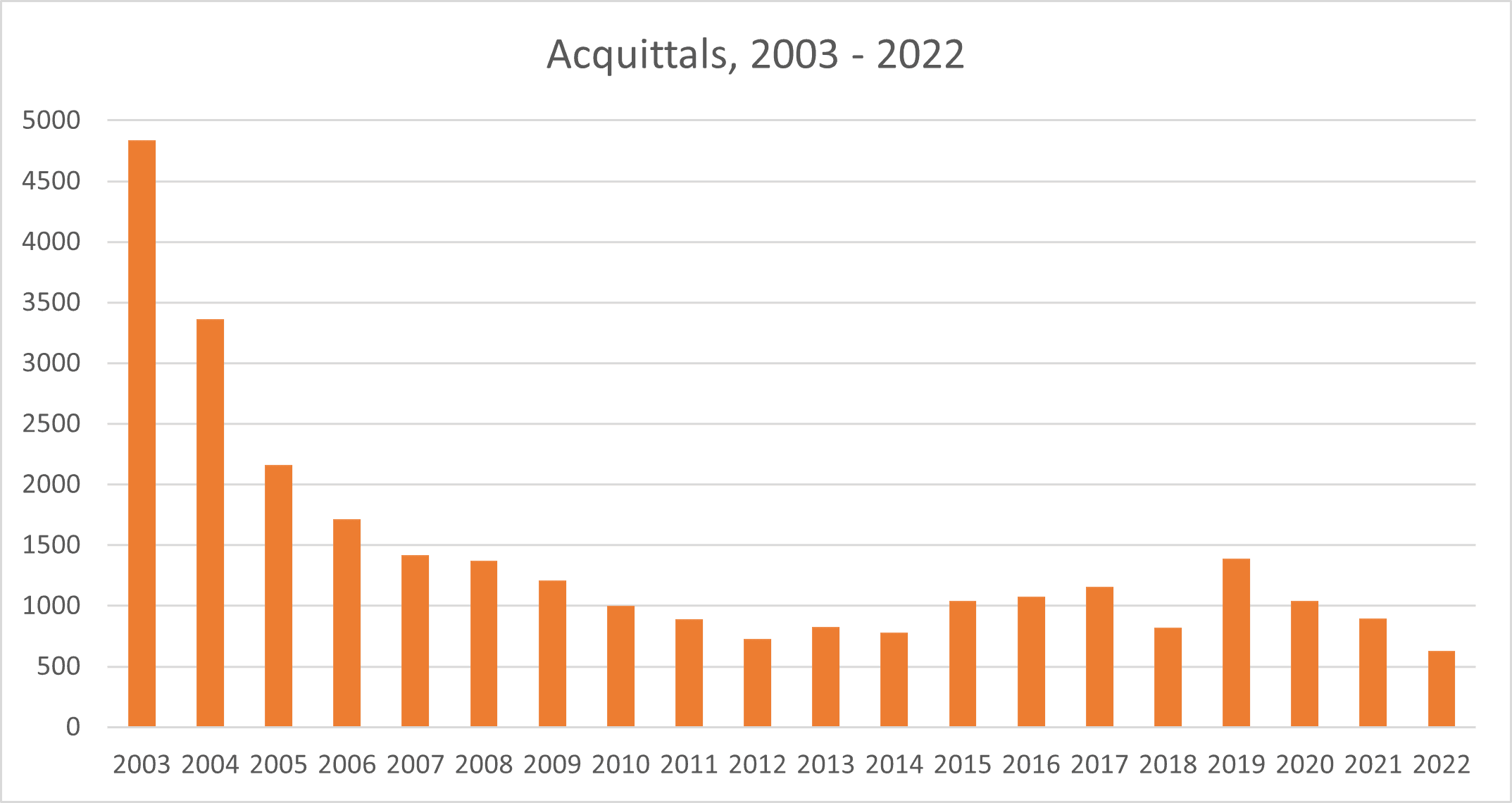
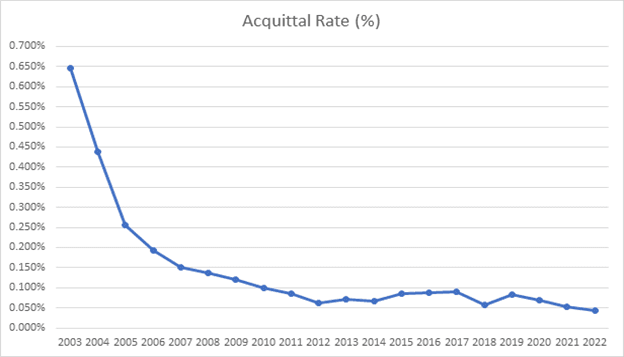
Acquittal rates in China have always been low, but in 2022 the number decreased to a record low. According to the most recent China Law Yearbook, an annual official compendium released in 2023 that covers 2022, only 631 individuals (0.044 percent of the 1,431,585 defendants with effective judgments) were found not guilty by criminal courts in 2022.
The conviction rate in 2022 was 99.95 percent, a record high according to statistics in the China Law Yearbook. The acquittal rates dropped every year in the decade after 2003. The most dramatic decrease happened in 2005, when the 0.256 percent acquittal rate was less than half of 2003’s already low 0.647 percent. In 2010, the acquittal rate fell below 0.1 percent for the first time and has never returned above this level.
Table 1.
Source: China Law Yearbooks, 2004-2023
When Xi Jinping began his first term as Chinese president in 2013, many legal practitioners expressed optimism that acquittal rates would approach more “normal” levels as a result of proposed legal reforms aimed to strengthen procedural justice. Although what constitutes a “normal” acquittal level is not clearly defined, a five percent rate is often cited when the topic is discussed in China. Chinese legal authorities also overturned a series of high-profile convictions and took steps to strengthen measures to exclude confessions extracted through torture and other illegal evidence.
For 2013, the acquittal rate rose briefly for the first time since 2003, growing annually from six acquittals per 10,000 adjudications to seven. The rates remained steady, climbing at a slow pace until 2018 when they dropped again to 0.057 percent, a 37 percent decrease compared to the previous year.
The acquittal rate saw a brief rise to 0.084 percent in 2019. However, this reversal was short-lived. In the three years that followed, the rates have again dropped, to 0.068 percent in 2020, 0.052 percent in 2021, and then to 0.044 percent in 2022.
Acquittals are even rarer in trials of endangering state security (ESS) crimes, which include subversion, inciting subversion, splittism, inciting splittism, obtaining or providing state secrets, and espionage. From 2013-2016, only ten people were acquitted, according to statistics released by the Supreme People’s Court. The names and other details of these ten individuals are not known. Dui Hua is not aware of any acquittals for ESS crimes after 2016.
In a Human Rights Journal published in 2015, Dui Hua reported that the number of not-guilty judgments is influenced by efforts to avoid the payment of state compensation, marginalize defense attorneys, restrict judicial independence, and maintain stability. Some of these issues have continued, according to a 2022 legal journal re-posted by Shanghquan Law Firm. Additionally, judges realize that acquittals can adversely impact professional assessments for prosecutors because successful convictions are seen as a means for career advancement. There remains an unspoken rule that prosecutors can withdraw indictments and collaborate with judges to eliminate the possibility of non-guilty judgments or to hand out lighter punishments in cases where evidence against the accused is weak.
One of the fundamental purposes of a criminal justice system is to protect innocent people from being convicted of crimes they did not commit. Despite efforts to overturn high-profile wrongful convictions, these instances likely represent a fraction of cases where defendants are wrongly charged with crimes. The persistently low acquittal rates over the years raise questions about how many more people are incarcerated for crimes they did not commit. A court which exercises its authority to acquit in accordance with the law ensures systemic justice and procedural fairness; it is fundamentally different from relying on political whims to right past wrongs. As Xi rejects the notion of judicial independence, continues his crackdown on defense lawyers, and places state security and stability maintenance above all else, there is little in place to stop the near-guaranteed high conviction rate from continuing for the foreseeable future.
Activist disappeared in Laos confirmed detained in China for inciting subversion; lawyer detained in Laos
Qiao Xinxin (乔鑫鑫), who launched the BANGFW Movement against internet censorship, was formally arrested for inciting subversion on July 7. In late May 2023, he went missing from his home in Vientiane, where he had lived for years and worked with other overseas activists and volunteers to help Chinese people circumvent the Great Firewall. His repatriation to China sparked international concerns over China’s cross-border law enforcement operations.
Qiao, now aged 37, is currently held in a juvenile detention center in Hunan’s Hengyang City.
In early August, Laos police also detained human rights lawyer Lu Siwei (卢思位), who fled China in July. Dozens of rights groups have signed an open letter urging the Laos government not to repatriate Lu to China. Lu’s wife and daughter left China nearly two years ago and now reside in the United States.
Ethnic Korean activist fled to South Korea
Quan Ping (权平), also known as Kwon Pyong, is an ethnic Korean hailing from Jilin. He arrived in Incheon, South Korea, on August 16 after travelling over 300km by jet ski with a life vest and a helmet across the Yellow Sea from Shandong, China. South Korea’s coast guard confirmed that it had arrested Quan for illegally entering the country. South Korean activist Lee Dae-seon said Quan is not a regular illegal immigrant but an influential, persecuted dissident. Quan is considering applying for refugee status in South Korea or choosing a third country.
Quan is a graduate of Iowa State University. On March 31, 2018, he completed an 18-month prison sentence for inciting subversion. His imprisonment stemmed from him posting pictures of himself on social media wearing a satirical t-shirt which likened Xi Jinping to Adolf Hitler. Quan had attempted to leave China in 2019 but was banned from doing so.
Anhui petitioner facing picking quarrels charge, as parents once did
Zhu Yuzhen (朱玉珍), a well-known petitioner from Anhui, has been in detention in Huainan since January 2023 for picking quarrels and provoking trouble (PQPT), the same crime once used to convict her parents.
Zhu Yuzhen started her own petition when her home was forcibly demolished in 2021. She was detained after she traveled to Beijing in September 2022 and posted several short videos on DouYin (TikTok in China). Zhu is also known for lending support to other petitioners in similar situations.
Zhu is the daughter of Zhu Jinyong and Shi Xianyun. The elderly couple, in their late seventies, became well-known when they were detained for PQPT in 2016. The elders were petitioning for their son who was convicted for gang-like activities. Their case drew wide attention from the media and across society. Nonetheless, the two were convicted by the Huainan Xiejiaji District Court in December 2018 and given suspended sentences.
A recently released study by the Supreme People’s Court concluded that the PQPT is being applied excessively by local officials to prevent petitioners from filing complaints about their aggrievances.
Elderly Falun Gong practitioner granted clemency in Henan
Xie Junhua (聂俊花), a Falun Gong practitioner in her late sixties or early seventies, was allowed to temporarily serve her sentence outside of prison by the provincial prison bureau because she is ailing from an undisclosed serious illness. The clemency decision was issued in November 2022. Xie was sentenced in January 2022 by the Zhengzhou Taiyuan District Court to five years in prison for using a cult to undermine implementation of the law. The sentence was originally set to expire in June 2026.
Last of the HK12 completed prison sentence in China, facing new charges in Hong Kong
Tang Kai-yin (邓棨然) was among a group of 12 Hong Kong activists caught by a Chinese coast guard vessel in August 2020 as they traveled by speedboat to escape prosecutions related to the 2019 civil protests. On August 22, Tang completed his three-year prison sentence for “organizing an illegal border crossing” in Guangdong’s Conghua Prison. He was handed over to Hong Kong police on the same day and is facing a criminal charge of “conspiracy to endanger life by explosives with intent” relating to the 2019 protests.
An interlocutor confirmed to Dui Hua that Tang was treated for bronchial disease before his return to Hong Kong.
In this episode, John Kamm discusses China’s trade relationship with the United States with Dui Hua directors Jeffrey Muir and Harold Furman, focusing on the evolution of China’s trade status, previously known as Most Favored Nation (MFN), now referred to as Permanent Normal Trade Relations (PNTR). They made a good team. Jeff had long experience doing business in Hong Kong and China. Hal knew the ins and outs of dealing with Congress and the Executive Branch. Back in 1990, in the wake of the Tiananmen incident in China, the trio worked together to prepare Kamm’s testimony to the U.S. Congress arguing against revoking China’s MFN status. Since 1990, improved U.S.-China trade relations have provided the foundation for Dui Hua’s work of compiling and submitting prisoner lists, but China’s changed domestic political landscape has since degraded access resulting in less leverage on human rights issues. Tune in to learn about their first-hand experience and how changes over the past 25 years have affected the conversation.
Twenty-one months after his trial commenced, Dingxiang People’s Court in Shanxi Province finally issued sentences for legal activist Hao Jinsong (郝劲松) on July 20, 2023. Hao was given eight years for fraud and one year and nine months for picking quarrels and provoking trouble (PQPT), a combined sentence of nine years. As reported in the previous Prisoner Update, Hao is an activist who has repeatedly lodged administrative litigation against government bureaus. He has been detained for PQPT since January 2, 2020. Hao is due for release in January 2029.
Fate of young Uyghur student revealed
Kamile Wayit (卡米莱·瓦依提), a 19-year-old Uyghur woman from Atushi City in Kizilsu Prefecture of Xinjiang UAR, is a student attending university in Henan. At the end of 2022, she was caught up in the “white paper” protests that spread across the country. She was reportedly detained after returning to her hometown in December 2022. In a June 8 article, The Guardian claimed that a China Ministry of Foreign Affairs spokesperson confirmed to the Economist that she had been convicted and sentenced for propagating/advocating extremism in March. However, the length of her sentence and the location of the prison were not provided. A July 11 RFA report claims that Kamile was sentenced to three years’ imprisonment and is incarcerated at Kashgar Women’s Prison.
Kamile might be the only person known to receive a prison sentence for participating in the “white paper” protest. Several detainees from well-known cases—notably the young women of the Beijing Liangmaqiao protest, including Cao Zhixin, Li Yuanjing, Zhai Dengrui, Li Siqi, Yang Liu, and Guo Yi—were all released on bail between January and April 2023. Participants in other cities, such as Huang Hao and his wife in Chengdu, Sichuan, were also released on bail in late March.
Sentences of five activists in Guangzhou revealed
Following an earlier report that Fan Yiping (范一平) and Hu Tianfeng (胡天峰) were sentenced in Guangzhou, the other three activists’ sentences were also discovered. The five were all detained during the so-called “11.12 Guangzhou Arrest” in 2020.
On June 7, the Guangzhou Intermediate People’s Court also sentenced Lai Tianlong (赖天龙, aka Lai Jianjun 赖见君) to five years and Wei Ya’ni (韦亚妮) to two and a half years. Fang Wencheng (范文成) was sentenced to 12 years.
Hong Kong student arrested for social media posts made overseas
Yuen Ching-ting (袁静婷), a student at a Japanese university, was detained in March 2023 after returning to Hong Kong a month earlier. Yuen was accused of “sedition” for a string of pro-independence posts she made on social media in the month of May 2022 while in Japan. Yuen was granted bail on June 16 and was scheduled to appear for a hearing on August 2.
ESS crime added to Yu Weisheng’s charges
Visits to Yu Wensheng (余文生) by his lawyers were denied. It is reported that the Beijing police denied the visit requests on the grounds that a new charge of endangering state security for Yu has been applied.
Xu Yan (许艳), Yu’s wife, also had her visitations from her lawyer denied in June for similar reason. The couple was originally arrested for PQPT on May 21.
Christian leaders, worshippers sentenced, imprisoned
A clergy member and three other members of Shengjia Congregation (盛佳教会 ) were reportedly arrested for illegal business operations in Shunde, Guangdong, on June 28, 2023. The police searched the church in late May. They confiscated computers and other items and took away the four church members. The details of their legal predicament were not clear. Wife of clergy member Deng Yanxiang claims he and others were preparing printing materials for Bible study. In addition to Deng, Zhu Longjiang, Wang Weicai, and Zhu Qiaolin are all reportedly in Nanhai District Detention Center in Shunde.
In June, it was reported that two leaders of the Hefei Youth Fellowship Mu En (慕恩) and Wang Yinuo (王以诺) were sentenced to three years and six months and three years in prison, respectively, for fraud sometime in 2023. Founded in 2018 with a focus on university students, the fellowship collected 240,000 yuan in donations via WeChat from student worshippers. The donations, however, were seen as evidence of fraud by the police.
Jehovah’s Witness elder Lin Zaiwu (林在务) is reportedly serving his six-and-a-half-year prison sentence at Xinjiang Production and Construction Corp Second Division Prison in Bayingolin Prefecture. Lin and 17 others were convicted of using a cult to undermine implementation of the law in June 2020. The judgments were upheld by the Bayingolin Prefecture Intermediate People’s Court. Lin is expected to complete his sentence in April 2025.
Another critic of China’s COVID response sentenced
In late June, Xie Fengxia (谢丰夏), also known as Xie Wenfei (谢文飞), received a prison sentence of four years and six months for PQPT. The sentence was handed down three years after he was placed under criminal detention in Hunan, the province where the coronavirus pandemic first broke out. Before he was detained, Xie spoke out against the enforced disappearances of other activists vocal about China’s handling of COVID such as Fang Bin and Chen Qiushi.
Yang was sentenced to eight years’ imprisonment and three years of DPR for inciting subversion by Guangzhou Intermediate People’s Court on May 11, 2023. He was accused of publishing critical essays online.
This will be Yang’s third prison sentence since 2006. He previously was sentenced to five years for illegal business activity in 2007. From 2013 to August 2019, he served six years for PQPT and gathering a crowd to disrupt a public place.
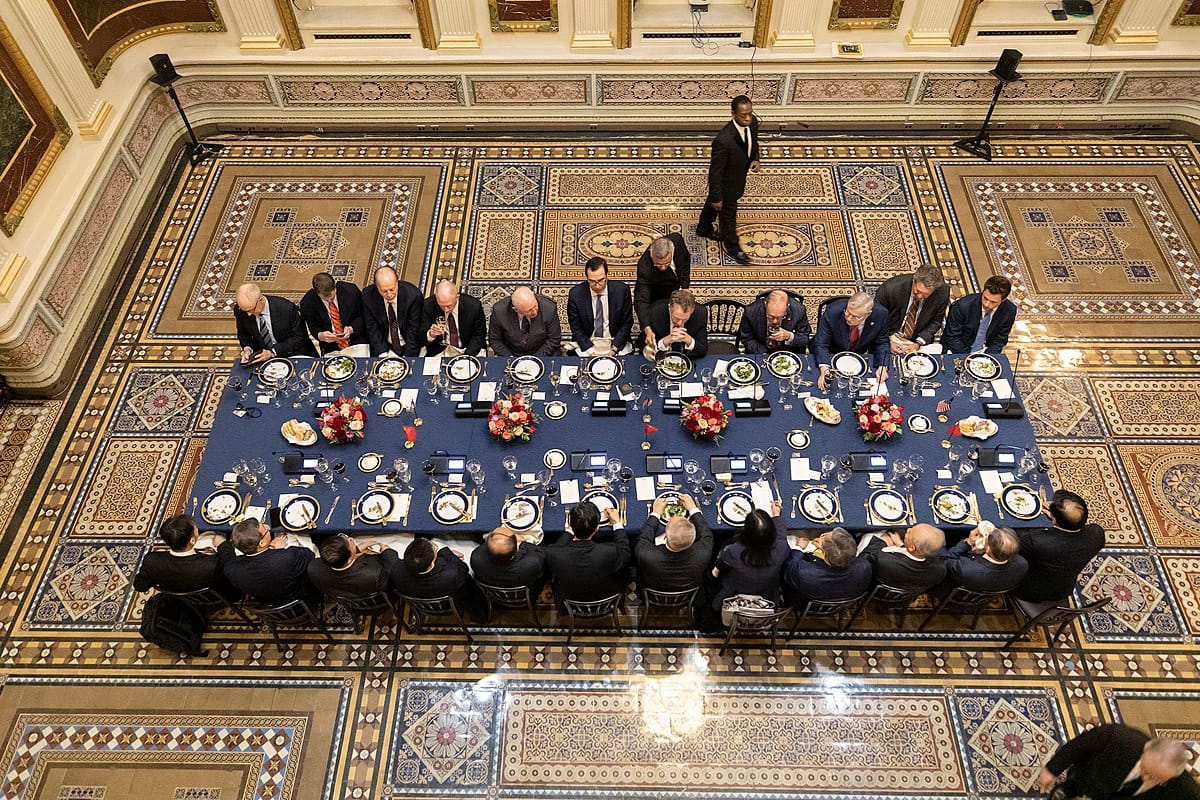
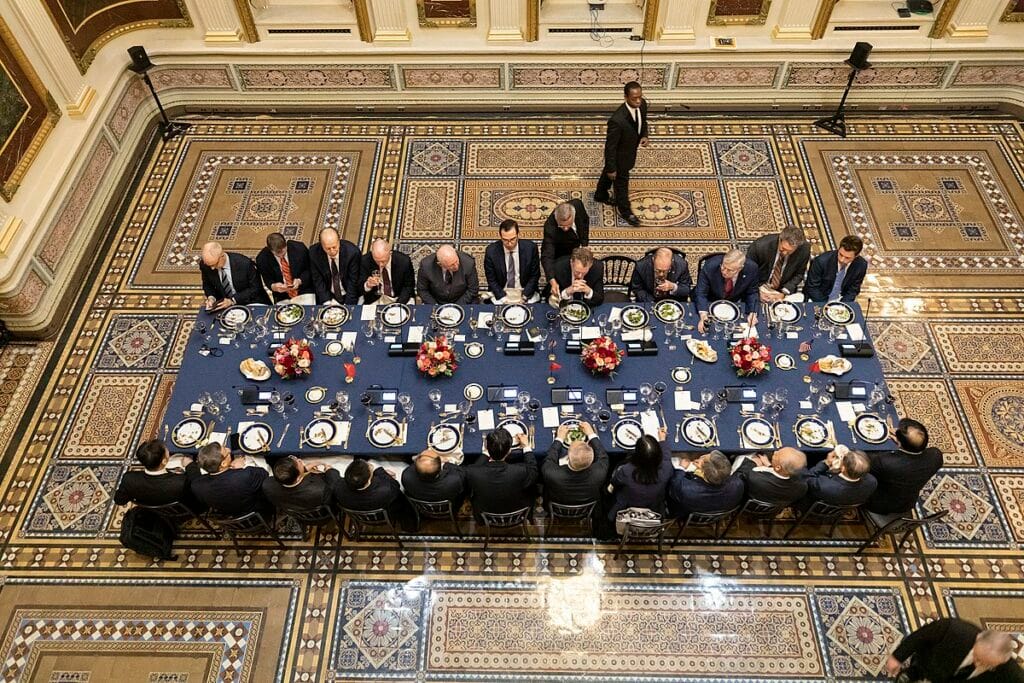
On January 14, 2020, US Trade Representative Robert Lighthizer and Secretary of the Treasury Steven Mnuchin hosted a dinner for Chinese Vice Premier Liu He at the White House. Image credit: Keegan Barber / Official White House Photo
Speaking of Washington DC, former Secretary of State George Shultz observed, “Nothing is ever settled in this town.” As if to give form to this observation, several members of Congress have introduced legislation revoking China’s Permanent Normal Trade Relations (PNTR), previously called Most Favored Nation (MFN). Congress granted China PNTR status in 2000, guaranteeing that Chinese goods enter the United States, China’s largest export market, at low tariff rates.
Prior to China being granted PNTR, China’s tariff status had to be renewed every year, a process that touched off months of acrimonious debate. In 1990, one year after the killings in Tiananmen Square, Congresswoman Nancy Pelosi (D-California) and Senator George Mitchell (D-Maine) introduced conditions that would apply to annual renewal — conditions like freeing all political prisoners and halting the export of products made with prison labor — that most observers recognized would not be fulfilled. At the same time as the Mitchell-Pelosi legislation was put forward, Congressman Gerald Solomon (R-New York) introduced a resolution of disapproval to immediately terminate China’s MFN.
Both chambers of Congress passed the bills, but President George H. W. Bush vetoed them; his veto was narrowly sustained in the Senate. Every year thereafter, this kabuki show was repeated: the president would issue a waiver to the free emigration conditions of the Jackson–Vanik amendment, Congress would vote it down, the president would veto, and finally Congress would fail to override the veto.
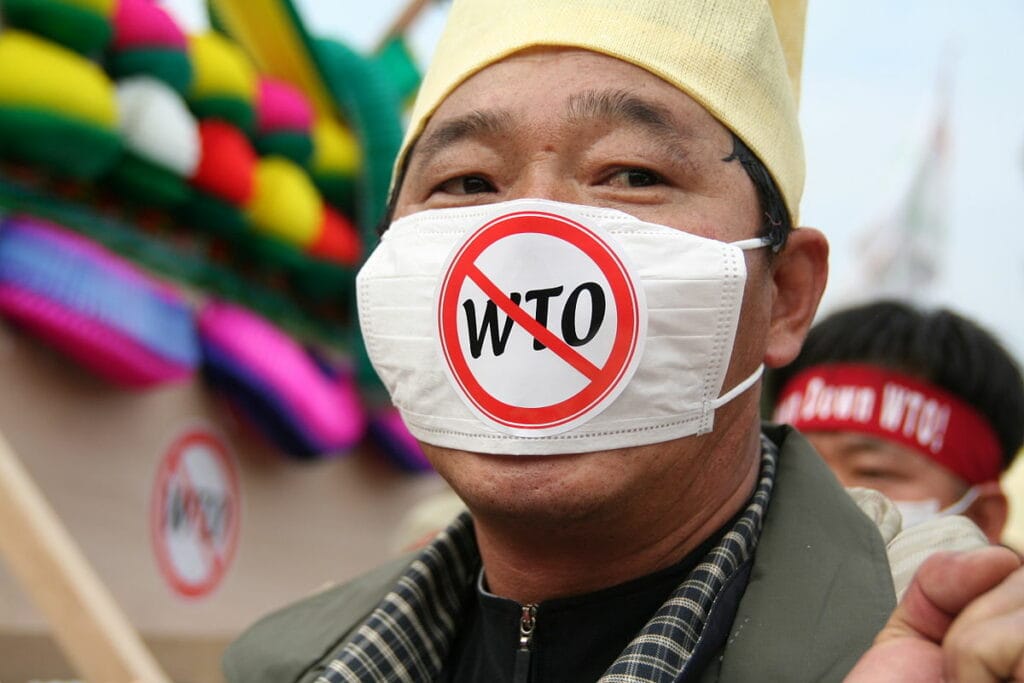
Since both China and the United States are members of the World Trade Organization (WTO), the United States is obligated to grant China the most favorable tariffs that it grants to other WTO members. An exception can be made for national security reasons. (A national security exception was used to revoke Russia’s and Belarus’s NTR/MFN in 2022.) Many in Washington, in both the executive branch and Congress, consider China to be the most serious national security threat facing the United States In addition to members of Congress, former president Donald Trump has voiced support for revoking China’s tariff status as has Florida governor Ron DeSantis.
An anti-globalization protestor during the WTO’s Sixth Ministerial Conference in Hong Kong in December 2005. Image credit: Fuzheado / CC BY 2.0
In the words of one commentator, revoking China’s preferential tariff treatment would represent a “gut punch” to US-China relations. It would also massively increase the cost of Chinese goods, lead to higher unemployment, and fuel already-high inflation. Since no other country is likely to strip China of its trade privileges, such a move by Congress would redound to the benefit of America’s competitors in Europe and Asia.
Legislation
In January 2023, Senator Tom Cotton (R-Arkansas), together with three other Republican senators, introduced legislation to revoke China’s PNTR. The same month, Congressman Chris Smith (R-New Jersey) and Congressman Tom Tiffany (R-Wisconsin) introduced the China Trade Relations Act of 2023 in the House of Representatives. While the Senate bill and the House bill both have the same purpose — to revoke China’s trade status, mostly for human rights reasons — there are important differences: the House bill allows a two-year grace period before revocation takes place, and it prohibits the president from entering into new commercial agreements with China. Assuming the bills pass both chambers in their current forms, a conference to merge the two versions would have to take place.
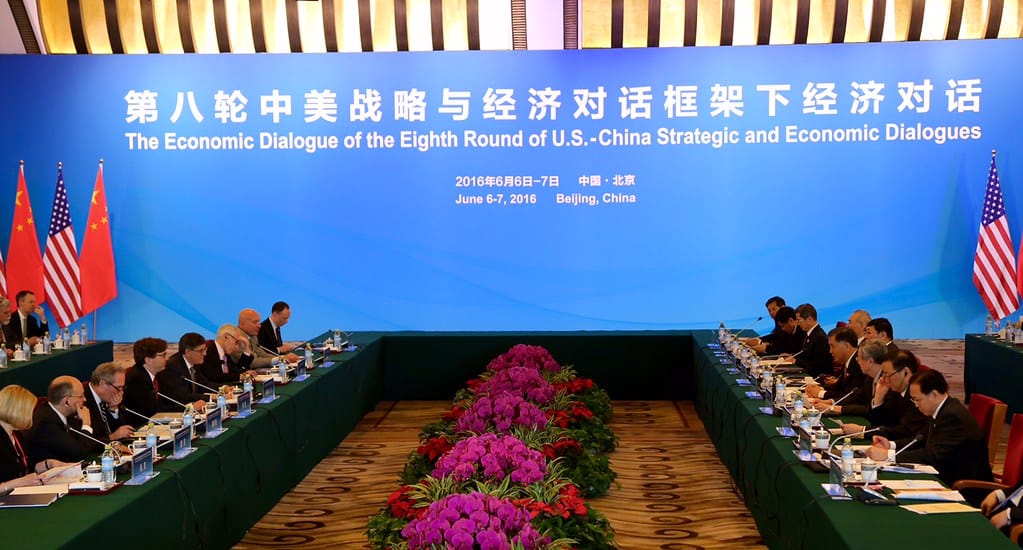
On June 7, 2016, Treasury Secretary Jacob J. Lew participated in the Economic Dialogue of the eighth US-China Strategic and Economic Dialogue in Beijing. Image credit: US government work
Absent a presidential waiver, Senator Cotton’s bill lists China’s human rights and trade abuses that must be rectified for the country to qualify for PNTR. In addition to denying free emigration under the Jackson–Vanik amendment, the abuses include:
Using slave labor;
Operating “vocational and training camps” and other concentration camps that hold people against their will;
Performing forced abortions or sterilizations;
Harvesting prisoner organs without consent;
Hindering the free exercise of religion;
Intimidating or harassing Chinese citizens who live outside of China; and
Engaging in economic espionage and theft of intellectual property.
If the bills go forward, there will likely be hearings in the committees with jurisdictions in the House and Senate. Witnesses would be called to testify.
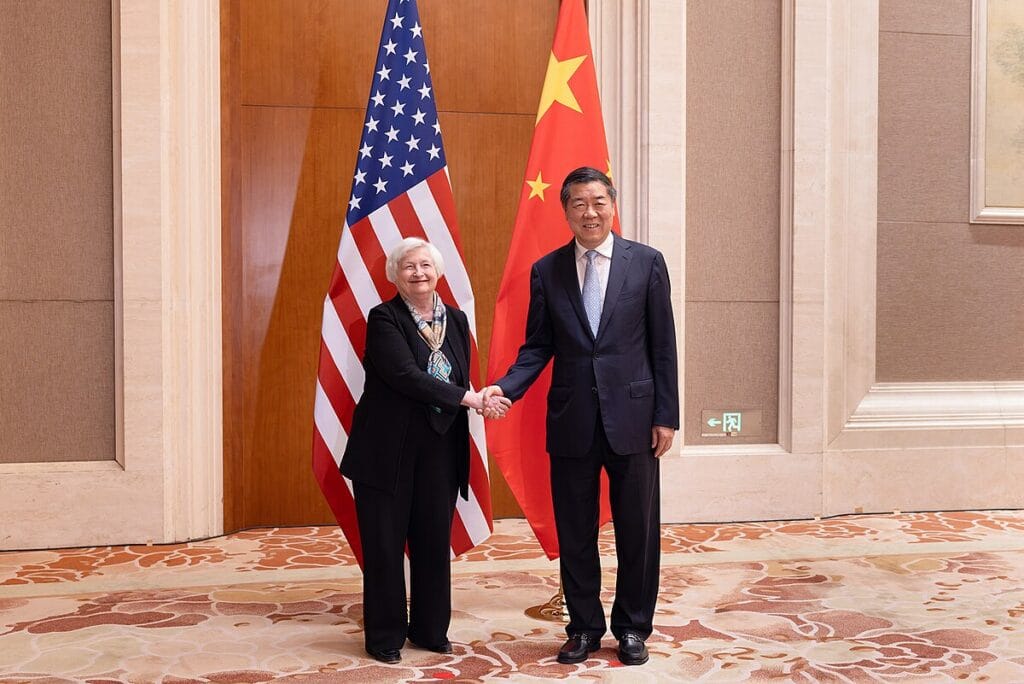
On July 8, 2023, US Treasury Secretary Janet Yellen met with Vice Premier of the People’s Republic of China He Lifeng during Yellen’s trip to Beijing. Image credit: US government work
Hearings and Testimonies
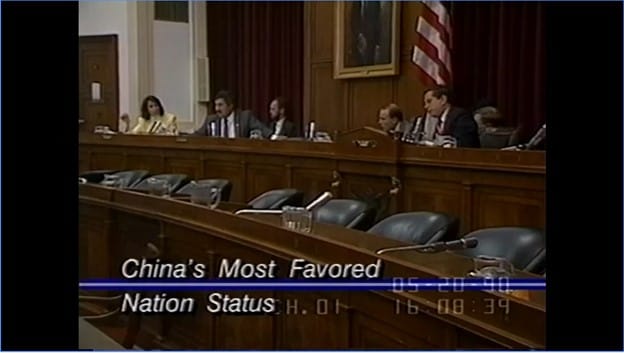
In 1990, while he was president of the American Chamber of Congress in Hong Kong, John Kamm testified three times before the House Foreign Affairs and Ways and Means Committees and the Senate Foreign Affairs Committee in favor of retaining China’s MFN (see “John Kamm Remembers: My First Testimony to Congress“). As a private businessman, he testified to committees in both 1991 and 1992. Altogether, Kamm testified to Congress on MFN six times between 1990 and 1992.
Kamm first testified in May 1990. Prior to his testimony the Committee heard from Ambassador Winston Lord, Chinese student leader Zhao Haiqing, and Washington DC head of Human Rights Watch Holly Burkhalter who spoke in favor of sanctioning the Chinese government. David Lampton of the National Committee on US-China Relations and Roger Sullivan of the National Council for US-China Trade argued against sanctions.
Members of the Committee during the hearing on China’s MFN status. Image credit: C-Span
Kamm’s testimony followed. The crux of Kamm’s argument was that revoking China’s MFN would damage Hong Kong — a pro-American bastion of freedom — and the reform forces in mainland China, principally those based in Guangdong Province.
In early June 1990, President George H. W. Bush renewed China’s MFN for another year. In his extension statement, he mentioned testimony that Hong Kong would suffer if China’s trade status were revoked. It marked the first time in American history that Hong Kong had factored into an important foreign policy decision by the US government.
Given recent developments in human rights and the rule of law in both Hong Kong and China, as well as the strong antipathy toward China and Hong Kong in Washington, advancing that argument today would be impossible. Hong Kong is no longer a bastion of freedom, and pro-reform forces on the mainland are virtually extinct. Tough times lie ahead for those hoping to avoid the revocation of China’s trade privileges.
DUI HUA: 25 YEARS OF DIALOGUE
Dui Hua began operations in August 1999 upon receiving its first grant to work on prisoner accounting. As Dui Hua enters its 25th year, we are launching a new podcast series looking at aspects of Dui Hua’s unique form of advocacy as well as issues affecting US-China relations.
Lists & Dialogues: The Prisoner Information Project
Image credit: Dui Hua
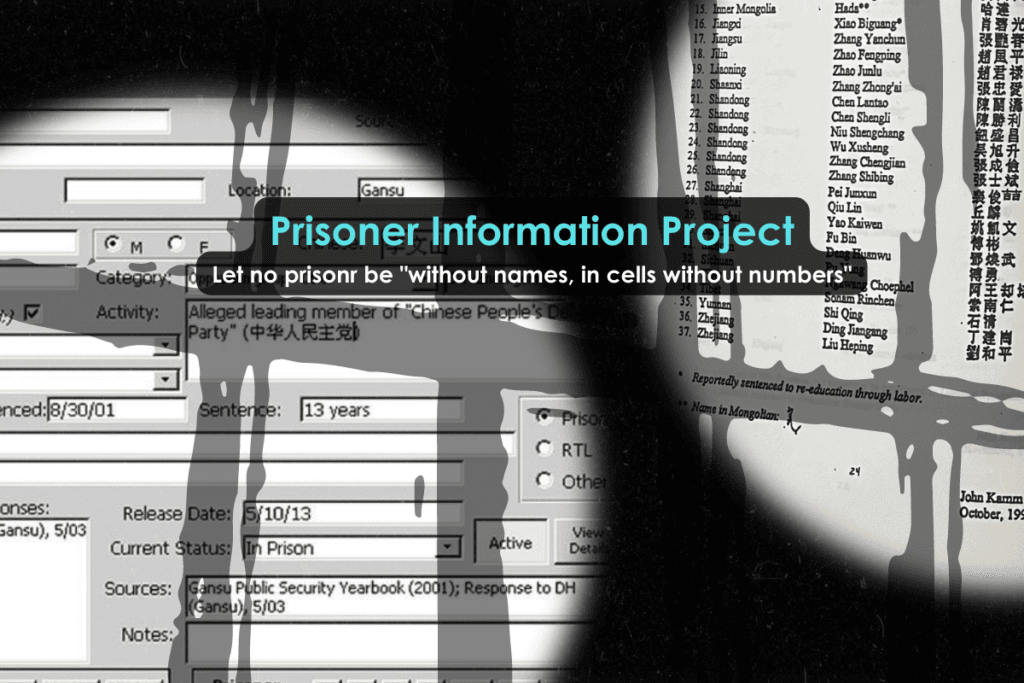
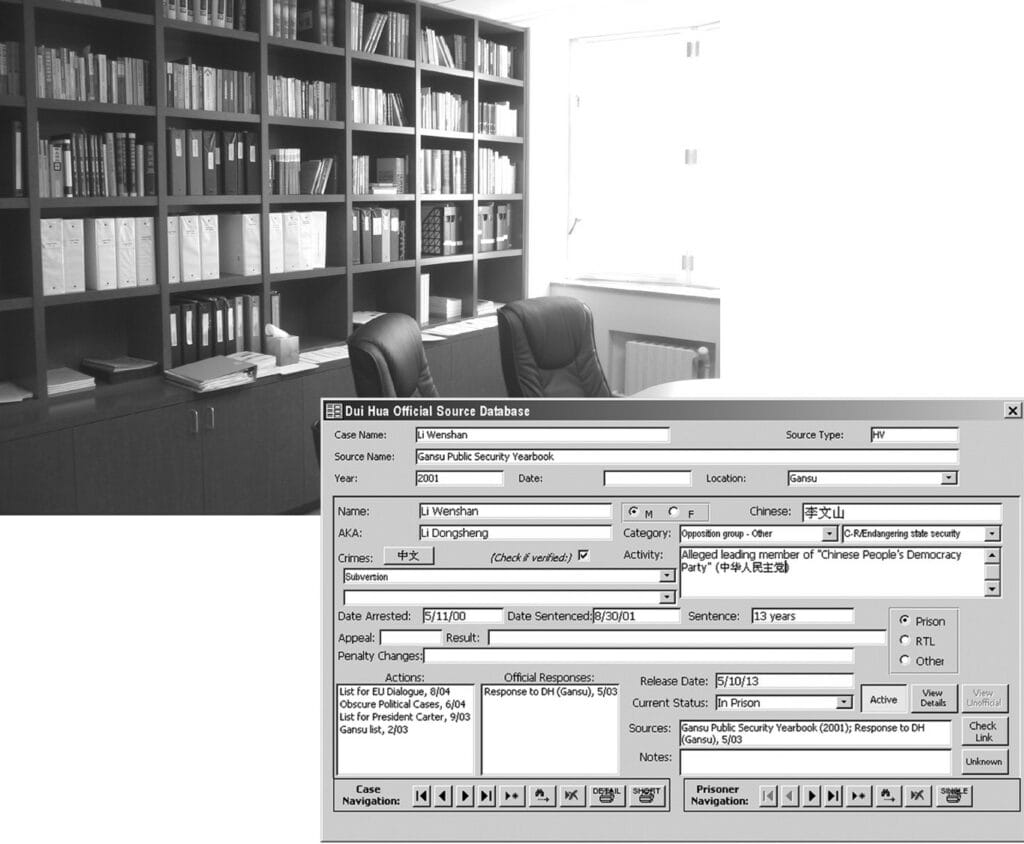
Before there was The Dui Hua Foundation and before the Political Prisoner Database (PPDB), there was the Prisoner Information Project (PIP).
The PIP was launched by John Kamm in 1990 after he testified to Congress in support of Most Favored Nation (MFN) for China. It was Kamm’s one-man effort to gain early release for prisoners wrapped up in China’s political upheaval.
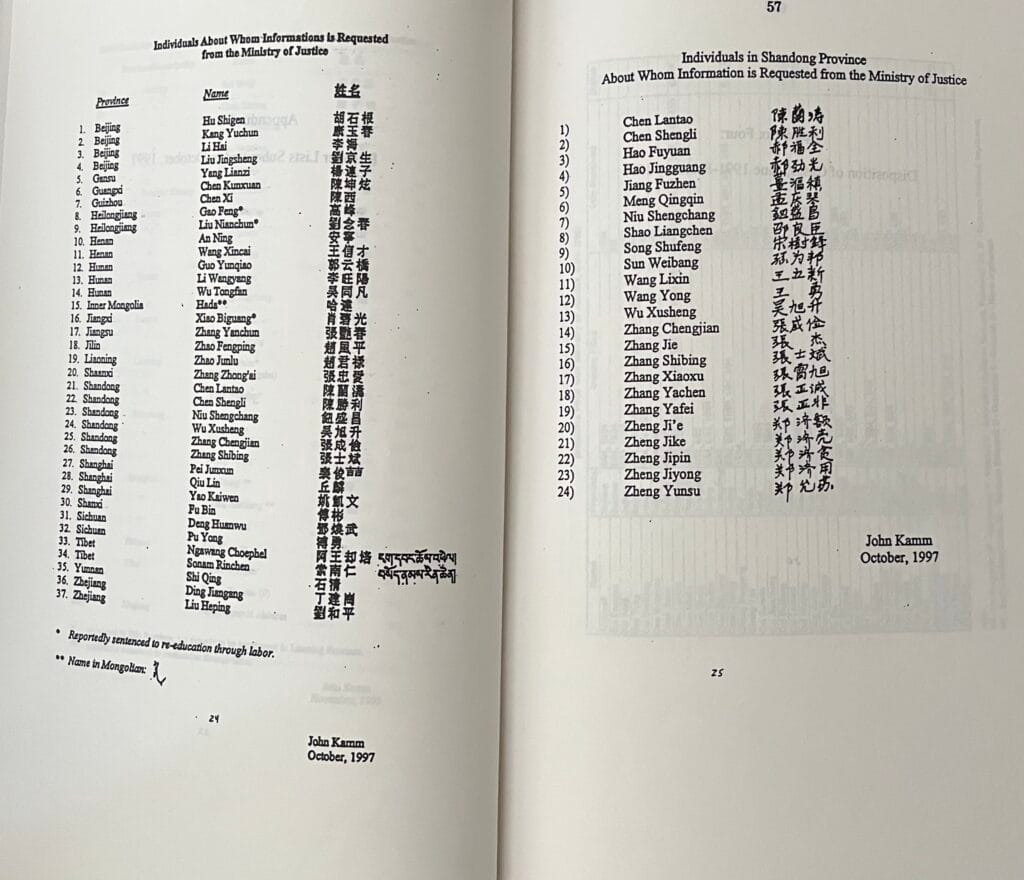
By the time Kamm appeared before Congress in April 1998 to brief members on the status of the PIP, he had sought information on more than 350 individuals. Kamm was regularly filing inquiries with organs of the Chinese government on the situations of Chinese citizens held in prisons, reform-through-labor camps, reeducation-through-labor camps, detention centers, and other penal facilities. Kamm ended his 1998 testimony to Congress with recommendations that resonate today, reflecting missed opportunities on the part of politicians and the business community to hold China’s human rights record to account.
Prisoner lists from the PIP shared with Congress during Kamm’s 1998 testimony. Image credit: Dui Hua
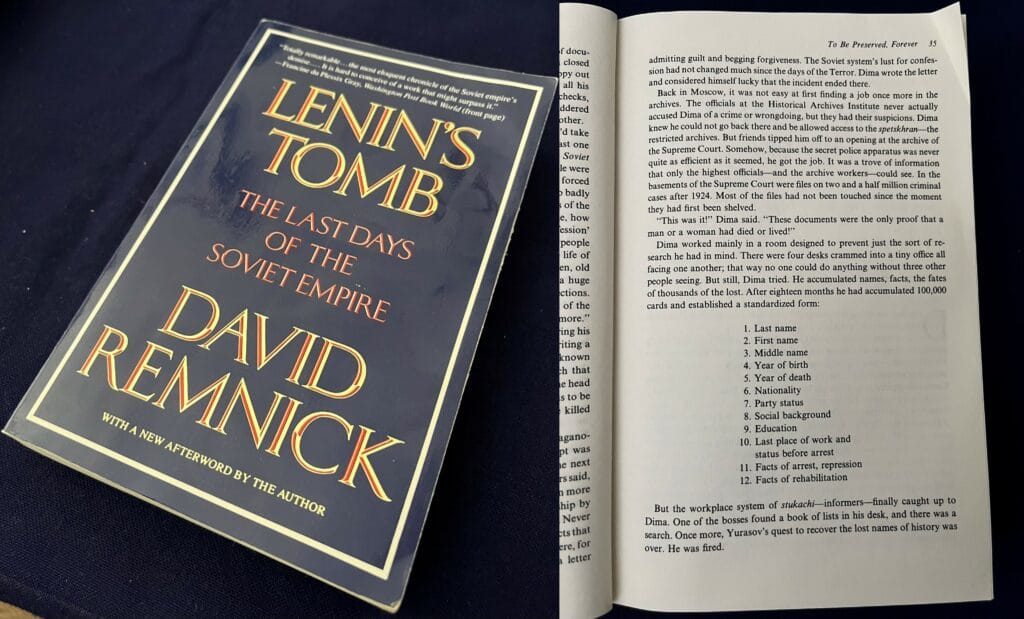
After that testimony, a chance meeting on a plane led to Kamm being invited to submit a proposal for a grant from a private foundation, leading to the establishment of The Dui Hua Foundation in 1999. Kamm was inspired by David Remnick’s Lenin’s Tomb to organize details Dui Hua researchers found on the prisoners into index cards, the predecessor of the PPDB.
The cover of Lenin’s Tomb and a page detailing the methodology that Kamm took inspiration from. Image credit: Lenin’s Tomb by David Remnick
Following the completion of that first grant, Kamm reported that the most obvious conclusion of his project was that the human rights community — “individuals and organizations, governmental and non-governmental alike — failed to undertake the basic research necessary to uncover and document cases of political crime in China.” Kamm’s purpose in establishing The Dui Hua Foundation was to continue his prisoner accounting work started with the PIP.
The Dui Hua office and an early iteration of the PPDB. Image credit: Dui Hua
The PIP has changed over the years, living on as the PPDB. But the original concept and purpose of the work remains the same: researching and submitting lists of political and religious prisoners, especially those “without names, in cells without numbers” (to borrow Jacobo Timerman’s phrase) and seeking improved treatment and clemency. Earlier this year, Kamm wrote about the importance of prisoner lists in an essay for the US-Asia Law Institute:
“Experience tells us that dialogues cannot immediately solve China’s human rights problems, but they can increase transparency. Prisoner lists in particular have benefited prisoners and their families, and should be part of any resumed dialogues. Dui Hua, which remains committed to a mutually respectful dialogue with the Chinese government, plans to continue submitting lists for as long as it is able to do so.”
A news report “HK to count in MFN decision”, July 15, 1990. Image credit: Dui Hua archive news clippings from South China Morning Post
In this installment in the long-running series John Kamm Remembers, Kamm recounts his first testimony to the House of Representatives in May 1990. He spoke in favor of retaining China’s Most Favored Nation trading, arguing that revoking MFN would harm Hong Kong and the reform movement in China. It marked the first time in American history that Hong Kong had factored into an important foreign policy decision by the American government.
Junhong Lu giving the “Grand Dharma Talk” in Singapore’s National Stadium in 2017. Image credit: Ginny Gray / CC BY-SA 4.0
In March 2022, Dui Hua released a study titled “The Persecution of Unorthodox Religious Groups in China” identifying 41 religious groups whose members are at risk of arrest and imprisonment. Dui Hua has since uncovered another unorthodox religious group called Xinling Famen (心灵法门) that is facing similar repression. Xinling Famen, also known as the Guanyin Citta Dharma Door, is among the newly emerged Buddhist groups which have gained traction in China and overseas.
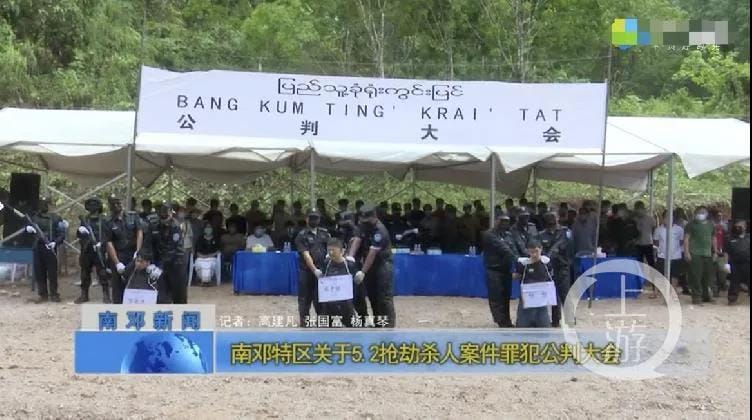
Three Chinese nationals were executed in a public sentencing rally in Wa State, a Chinese-speaking region in Northern Myanmar on May 14, 2020. Image credit: The Paper
In May 2020, a video clip featuring the execution of three men in a public sentencing rally in Wa State of Myanmar became a trending topic on domestic social media. Chinese news media sources expressed shock that the shaming ritual was replicated in Myanmar even though it has “long vanished in China.” While there are signs that these rallies have fallen into disuse in recent years, they continue to take place in some localities in China.