Blog

  • A Prison for Women

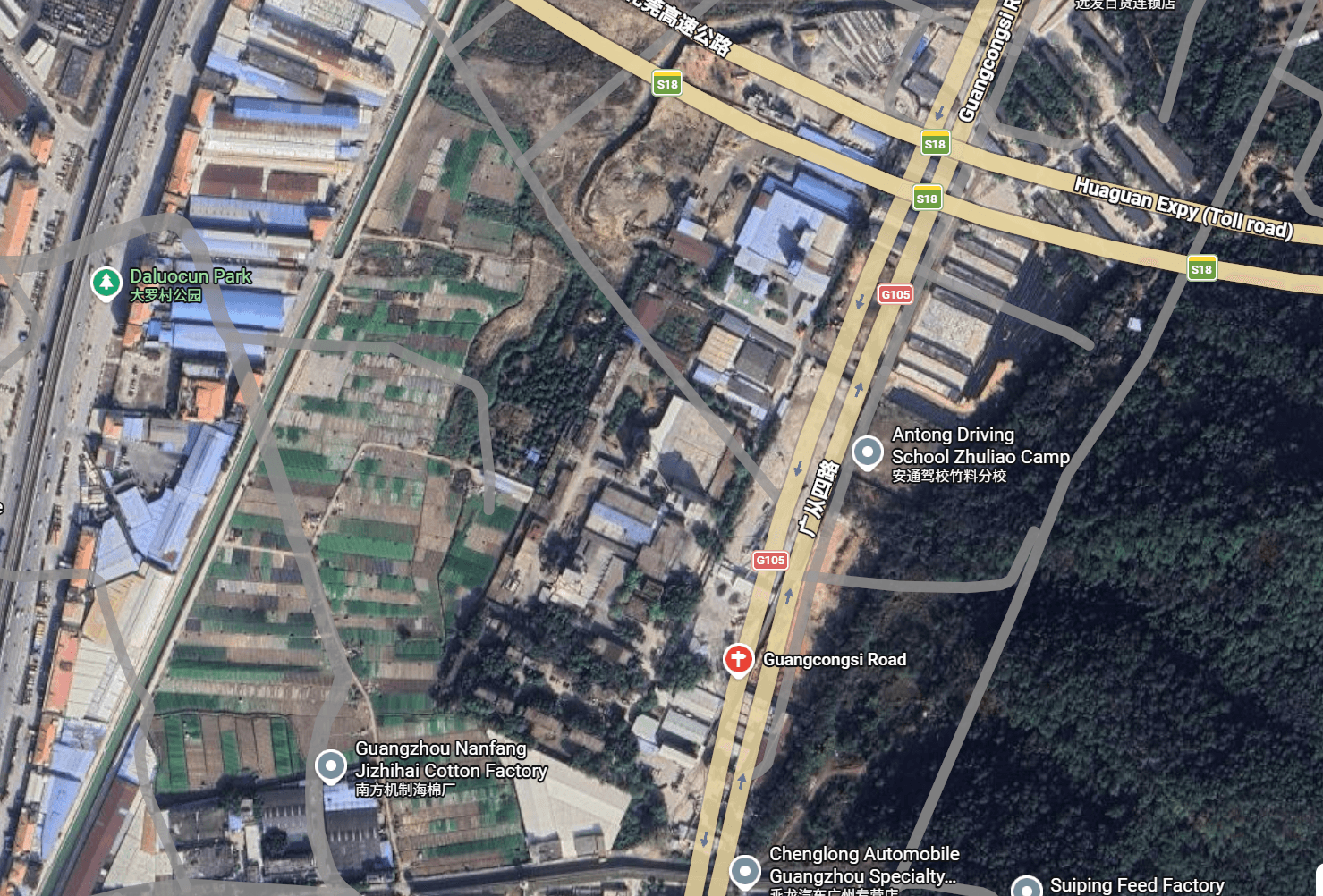
    The Guangdong Women’s Prison on Guangcong Si Road, Guangzhou. Image source: Google Map

    On December 22, 2010, the United Nations General Assembly, prodded by Princess Bajrakitiyabha of Thailand, adopted the United Nations Rules for the Treatment Women in Prison and Non-Custodial Measures for Women in Prison, also known as the Bangkok Rules. The document sets out 70 rules that constitute the first roadmap for the treatment of women prisoners.  

    International Symposium 

    After more than a year of preparation, Dui Hua, under my leadership, held an international symposium on women in prison in Hong Kong in February 2014. The symposium examined the relevance of the Bangkok Rules to female prisoners incarcerated in custodial facilities in different countries. It was jointly organized by Dui Hua and three partners (Penal Reform International, Renmin University, and the University of Hong Kong) and funded with grants from the governments of Denmark, the Netherlands, and Norway, as well as the Office of the High Commissioner for Human Rights and the Ford Foundation.  

    The symposium brought together 23 presenters and 27 guests from 14 countries and regions and consisted of two days of presentations, one day of interactive dialogue, and a field visit to Hong Kong’s largest women’s prison. 

    Prior to the symposium, Professor Cheng Lei of Renmin University of China Law School, one of Dui Hua’s partners, conducted independent fieldwork in five Chinese women’s prisons and detention centers. His presentation was a highlight of the symposium that also featured research on violence against women, children of incarcerated women, healthcare, women correctional officers, and female juvenile offenders.  

    Dui Hua held a symposium on Girls in Conflict with the Law from October 2020 to March 2021. It was held virtually as a series of podcasts due to restrictions imposed by the Covid pandemic. 

    In addition to introducing the Bangkok Rules to decision makers in China, the 2014 symposium played a role in the decision by Hong Kong’s Correctional Services Department to implement the rules in Hong Kong’s women’s prisons. It also contributed to the landmark Supreme People’s Court (SPC) decision to overturn the death sentence of Li Yan, a domestic violence survivor who killed her abusive husband. 

    Papers presented at the symposium provided the basis for Dui Hua’s submission on China’s women prisoners at the 59th session of the United Nations Committee on the Elimination of Discrimination against Women in Geneva in October 2014. 

    During the same month, I was received at the Great Hall of the People by Wang Shengming, Vice Chairman of the National People’s Congress Judicial Committee, the organ that writes China’s laws. Wang told me that China had been studying the Bangkok Rules and recognized that women required different treatment than men in the use of custodial and non-custodial measures. He stated that China was considering enacting legislation to implement the Bangkok Rules. Unfortunately, there has been little change in the way women are treated in Chinese prisoners since my meeting with Mr. Wang. 

    During the 2014 symposium, Hong Kong Correctional Services organized a visit by delegates to the Lo Wu Correctional facility, a medium security prison used to incarcerate women prisoners, nearly all of whom were either sex workers or drug offenders. At the time, there were 1,613 women in Hong Kong prisons, representing 19.5 percent of the total prison population, one of the highest rates of female incarceration in the world. 

    We visited multiple locations in the Lo Wu prison including cellblocks, the cafeteria, exercise yard, and the holding area for female prisoners and their children. What we saw was so depressing that one of our delegates fainted. 

    Five years after our symposium, the Hong Kong government enacted national security legislation that resulted in the arrest of nearly 2000 activists, including hundreds of women. 

    Guangdong Women’s Prison 
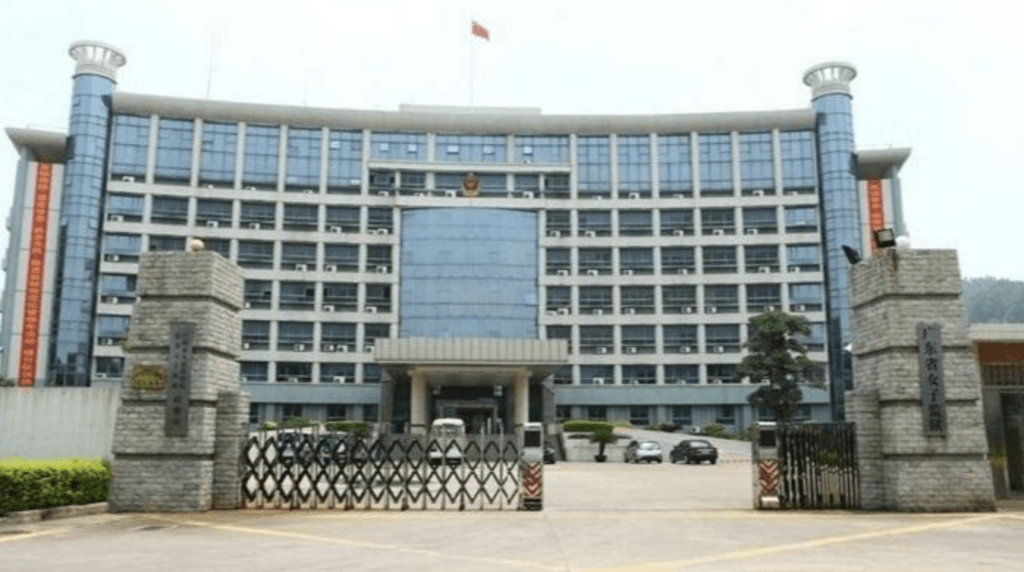
    Guangdong Women’s Prisoner. Image source: Internet

    With an estimated population of 5,000 inmates, Guangdong Women’s Prison is one of the largest women’s prisons in China, if not the world. Established in 2003, it is considered a medium security prison. 

    Although Dui Hua had asked about a handful of women prisoners in Guangdong Women’s Prison prior to the symposium, the foundation stepped up its inquiries after the event. Beginning in 2015, Dui Hua submitted 56 lists to its Chinese interlocutors; the lists asked for information on 82 individuals. It received 35 responses on 59 women inmates. Fifty of these prisoners benefited from 88 acts of clemency, including sentence reductions, parole, medical parole, and bail. 

    One of the prisoners released early was Xie Qing, who, together with her husband, was responsible for managing the Jiangmen Station of Falun Gong. She was released five months early in late 2014. 

    Taken together, the information on prisoners in Guangdong Women’s Prison obtained by Dui Hua represents the most comprehensive picture of female prisoners in a Chinese carceral facility. The number of women granted clemency speaks to the efficacy of submitting lists and raising prisoner names. 

    Dui Hua maintains one of the largest databases of political prisoners in the world. At present, the database records information on 212 inmates in Guangdong Women’s Prison. 

    But gauging the number of women in prison in China is difficult. The Chinese government no longer publishes information on the number of female prisoners. Moreover, prisons are not the only facility to hold women. Others include public security detention centers and legal education centers. Liang Shaolin (梁少琳), a Falun Gong practitioner, served two terms in a Guangdong legal education center. She is now serving a sentence in Guangdong Women’s Prison. 

    Many female prisoners in Guangdong Women’s Prison are serving sentences for using a cult to undermine implementation of the law. “Evil cults” is a term applied to the dozens of unorthodox religious groups known to exist in China. The two best known of these groups are Falun Gong and the Church of Almighty God. In November 2024, Yao Jingjiao (姚静娇), an elderly Falun Gong practitioner, died after allegedly being mistreated by prison officers. (Dui Hua has documented more than 40 unorthodox religious groups operating in today’s China.) 

    One of the prisoners serving a sentence in Guangdong Women’s Prison for a drug-related offense is Dawn Michelle Hunt, a U.S. citizen and daughter of a recently deceased Chicago police officer, her father. Her mother and brother are also retired Chicago police officers. Dui Hua has placed Ms. Hunt on eight prisoner lists and received three responses, including a detailed written response from the Chinese government. 

    Dawn Michelle Hunt in a flight attendant uniform. Image provided by the Hunt family.

    Dawn Michelle Hunt has no record of being in trouble with the law and no history of drug use. She claims to have been tricked into carrying drugs. She is very ill and has been badly treated while in prison. U.S. lawmakers have appealed to the Chinese government to release her on humanitarian grounds. 

    Dui Hua is also aware of one female prisoner in the prison who is serving a sentence for subversion, a crime of endangering state security: Huang Xueqin (黄雪琴), a founder of China’s Me Too movement. She is gravely ill, but the authorities refuse to grant her medical parole. 
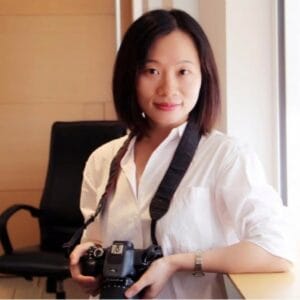
    Huang Xueqin. Image source: Huang Xueqing

    Hong Kong’s Female Political Prisoners 

    The SAR’s female political prisoners are placed in two facilities: the medium security Lo Wu prison, used to incarcerate women, and the high security Siu Lam Psychiatric Center, used to house both male and female prisoners with a capacity of 248 prisoners. 

    As referenced by the University of London, Birbeck’s Institute for Crime & Policy Research’s World Prison Brief, ably overseen by Roy Walmsley, there were 1,985 women in Hong Kong prisons, accounting for 21.5 percent of the total prison population in the SAR in mid-2024. Both numbers are doubtless greater in 2026, reflecting the addition of hundreds of women convicted for national security violations. The Committee for Freedom in Hong Kong has documented how male and female political prisoners are treated in Hong Kong prisons.

  • Prisoner Updates 2026 #3

    Rights Lawyer Sentenced Again for Inciting Subversion 

    Xie Yang (谢阳), one of China’s most prominent human rights lawyers and a well-known figure from the “709” crackdown on rights attorneys, was sentenced to five years in prison for inciting subversion by the Changsha Intermediate People’s Court on March 23. The court also ordered the confiscation of 100,000 yuan in assets, with the conviction reportedly tied to comments he made in private WeChat exchanges. During the proceedings, no defense lawyer was permitted to participate, and aside from family members, the courtroom was reportedly filled with attendees arranged by authorities. Xie stated in court that he would appeal the judgment. His sentence is set to expire on January 10, 2027. 

    The sentence marks the latest chapter in a years-long campaign against one of the country’s most outspoken legal advocates—and notably, the second time he has been imprisoned on charges of inciting subversion. Beginning his legal practice in 2011, Xie built a reputation for taking politically sensitive cases involving land seizures, religious freedom, and abuses of public power, repeatedly placing him at odds with authorities. First swept up in the 2015 “709” crackdown and later detained again in 2022 after publicly supporting teacher Li Tiantian, Xie’s repeated prosecutions have made his case emblematic of the mounting pressure faced by rights lawyers and dissidents in China. The case has also drawn international scrutiny, with the United Nations Working Group on Arbitrary Detention finding that Xie’s detention since January 2022 constituted arbitrary detention and calling for his immediate and unconditional release. 


    Independent Publisher Jailed 

    Beijing-based independent publisher Tu Jincan (涂金灿), founder of a private genealogy and memoir publishing business, was sentenced by the Haidian District Court to three years and six months’ imprisonment on March 24, 2026, for illegal business activity. Authorities alleged that his publishing activities violated regulatory controls on printing and distribution. The case followed nearly two and a half years of pre-trial detention, after his detention on November 21, 2023. His company had reportedly produced more than 5,000 family history and biography books for ordinary citizens over a 15-year period.

    The case carries a strong political undertone, as reports indicate that the prosecution followed repeated official questioning, seizure of book inventories, customs interception of a genealogy publication, and financial penalties linked to state cultural oversight. Rights groups characterize the case as part of broader restrictions on independent publishing and civil expression in China rather than a purely commercial offense. He is scheduled for release on May 20, 2027.


    Leftist Editor Detained in Expanding Land Dispute 

    Li Daoguo (李道国), editor-in-chief of the left-leaning website Utopia (乌有之乡), was criminally detained on allegations of extortion after being taken from his home in Beijing by police from Henan. On the evening of March 25, officers reportedly removed him from his residence in Haidian District and transferred him to Henan, where he is now being held at the Xinxiang Detention Center. The case is being handled by the criminal investigation unit of the Hui County Public Security Bureau, and the cross-provincial detention has quickly drawn attention among observers of civil rights and legal affairs.

    At the center of the case is Li’s recent involvement in rights advocacy tied to environmental destruction, farmland damage, and alleged illegal mining in his hometown of Hui County, Henan Province. In the weeks leading up to his detention, he had been actively supporting local residents in filing petitions and complaints against private companies and local authorities over land degradation and unauthorized resource extraction. Although the formal charge is extortion, the timing of the detention has cast the case in a wider light, raising questions about the relationship between grassroots activism and the use of criminal law in disputes over land and environmental harm.


    Lawyer Detained After Public Call to Abolish “Picking Quarrels and Provoking Trouble”

    Chinese human rights lawyer Yu Kai (于凯) was reportedly taken into police custody on March 28 after traveling from Qingdao to Beijing and staging a protest outside the compound of the country’s highest judicial administrative authority. He held a banner calling for greater autonomy for bar associations and the abolition of licensing and annual inspection practices for lawyers, as well as informal blacklisting mechanisms. Authorities reportedly detained him on suspicion of “picking quarrels and provoking trouble.”

    The detention is politically significant given Yu’s prior legal advocacy against the very offense now reportedly being used against him. In August 2023, he and five other lawyers jointly submitted a legislative proposal to the National People’s Congress calling for the abolition of the “picking quarrels and provoking trouble,” arguing that its vague wording enables selective enforcement and undermines the credibility of criminal law. In July 2024, he was suspended from legal practice for one year by the Qingdao Judicial Bureau for allegedly “improperly hyping cases,” while his law firm was ordered to suspend operations for six months.


    Trial Begins for Artist Gao Zhen 

    In March 2026, the trial of dissident artist Gao Zhen (高兟) began at the Sanhe City People’s Court in Hebei province. The closed-door hearing took place on March 30 and concluded without an immediate judgment. Family members and diplomatic observers were reportedly denied access to the courtroom, and a judgment is expected at a later date. 

  • Dui Hua Digest, Spring 2026

    EVENT

    Trump and Xi Set to Meet in May

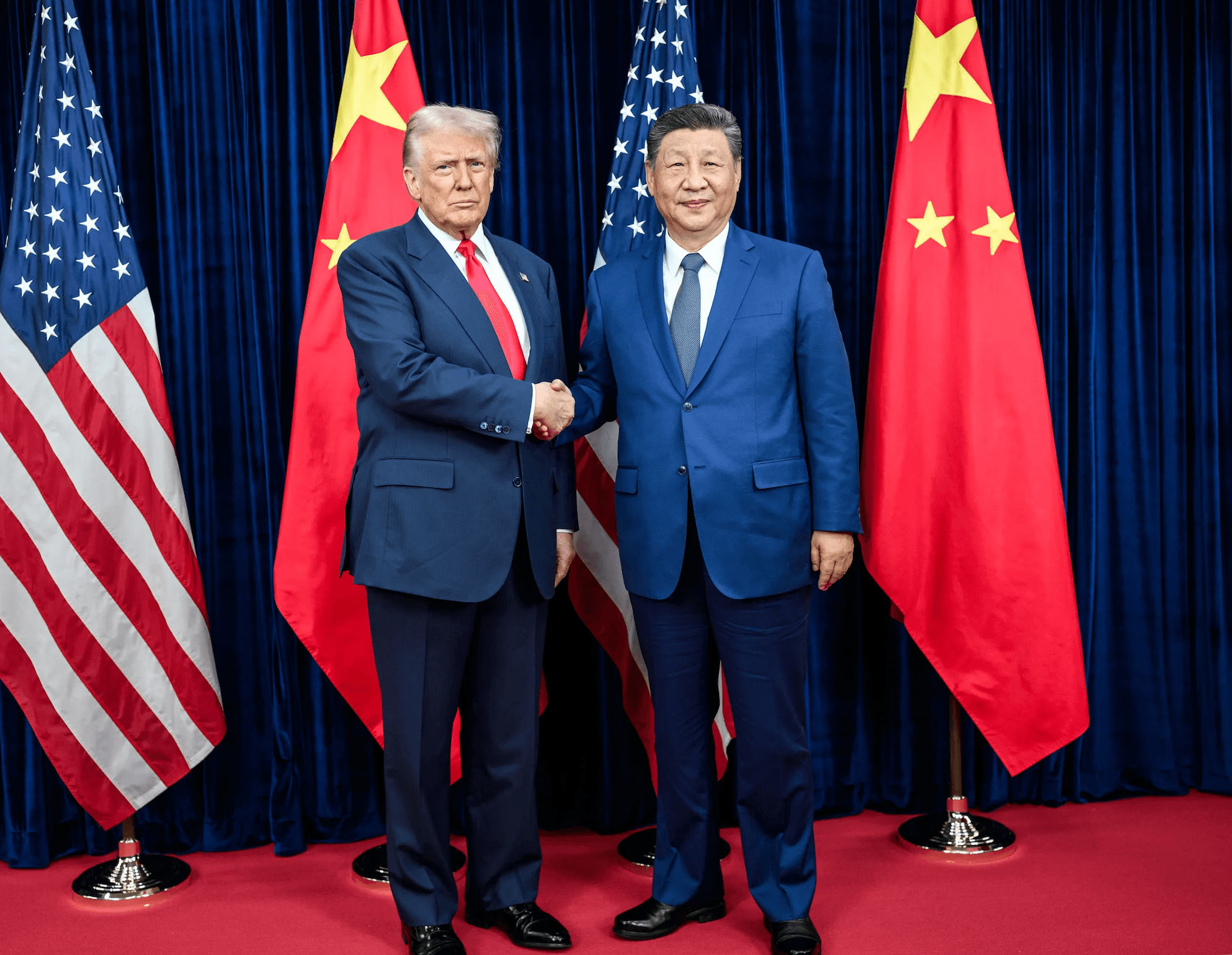
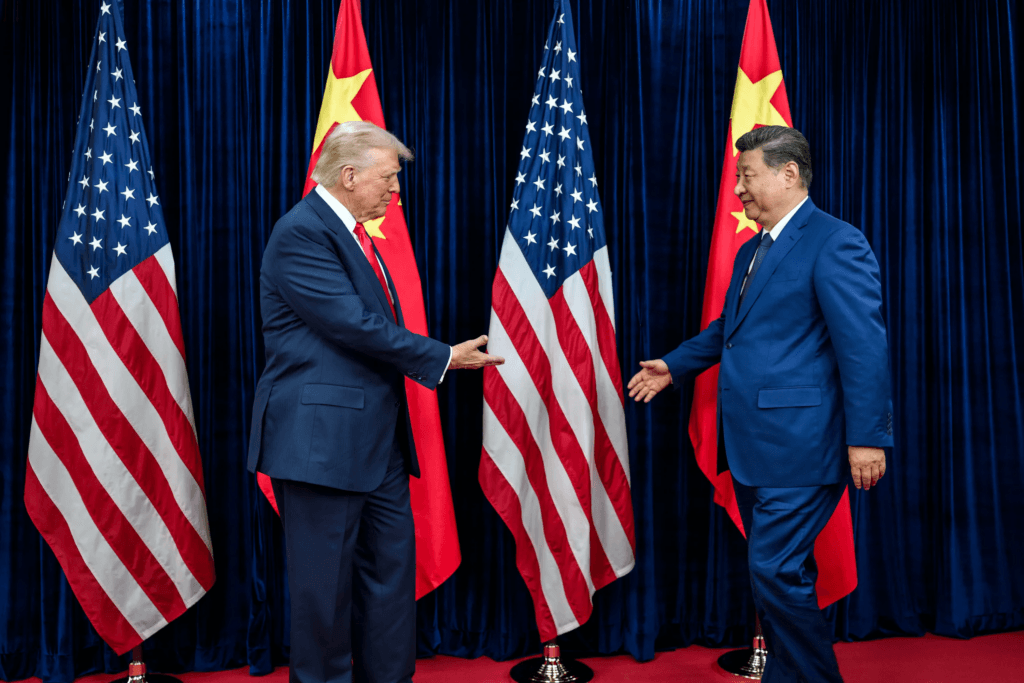
    October 30, 2025. Trump and Xi meeting in Busan, South Korea. Image source: Whitehouse 

    When Donald Trump eventually lands in Beijing in May, he will be the first United States president to set foot in China since his own visit nearly a decade ago. A bruising trade war and rare earths embargo has come and gone; tariffs have yo-yoed to triple digits and back. The two reached a truce last October and have settled cautiously into something resembling a working relationship.  

    The potential visit, at its core, is a trade summit. Both governments have framed it that way, and the deliverables on offer are modest: an extension on the tariff truce struck in Busan last October, the possible purchase of 500 Boeing aircraft, maybe some commitments on agriculture purchases and a mutual agreement to keep talking. The groundwork has been laid with painstaking efforts. U.S Treasury Secretary Scott Bessent and Chinese Vice Premier He Lifeng have crisscrossed Europe and Asia to keep the relationship functional. 

    The summit comes at a moment when the architecture of international rules that has governed great-power relations and protected human rights since 1945 is under strain from two directions at once. China has spent years testing its boundaries. The United States, increasingly, is doing the same.  

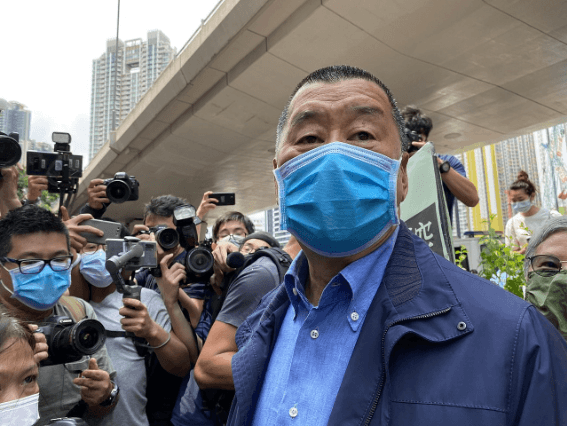
    Jimmy Lai in December 2022 after being charged with fraud. Image source: Wikimedia 

    Nothing illustrates the situation more sharply than the prominent figure of Jimmy Lai. The 78-year-old businessman and former owner of Apple Daily was sentenced to 20 years for alleged collusion with foreign forces and sedition. His life, from stowaway to newspaper magnate to pro-democracy activist, is the biography of a vanished order on which Xi Jinping rose to power and Trump earned his wealth. The verdict is a measure of the degree to which China has, unambiguously, contracted the space around freedom of political and religious expression within its national boundaries over the last decade. 

    Lai is not the only name human rights advocates hope Mr. Trump will raise. There are several U.S. citizens the State Department has labelled as wrongfully detained. Dawn Michelle Hunt, a Chicago woman, has been imprisoned since 2014 of being involved in a drug scam her family says she was tricked into. Nelson Wells Jr. has languished in a Chinese cell for more than a decade. He maintains his innocence of similar charges that were leveled at Dawn.

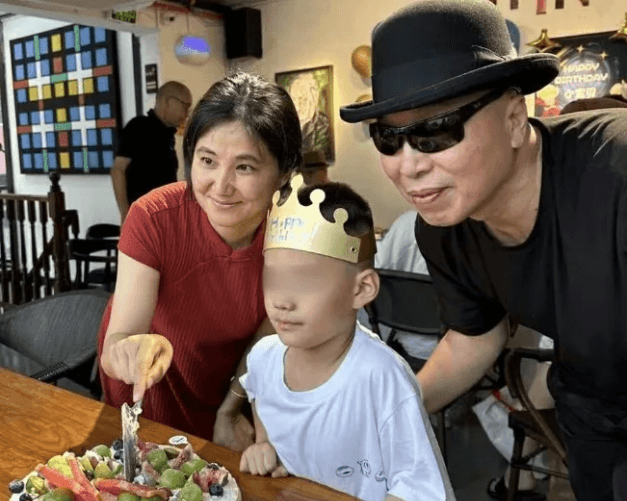
    Gao Zhen, Zhao Yaliang, and Gao Jia celebrating Gao Jia’s birthday. Photo provided by Gao family. 

    There is also the case of Gao Zhen, a New York artist detained for political works he created years before the law criminalizing them existed. His seven-year-old son — an American citizen — has been prevented from returning to his home and school in New York by an exit ban. Also prevented from leaving China is Henry Cai, a businessman who has been there since 2017. 

    Mr. Trump has on many occasions touted his ability to free Lai. Whether he acts on this claim will say as much about Washington’s convictions as Beijing’s conduct. The United States’ own posture, however, complicates the case. U.S. strikes on Iran and the seizure of former Venezuelan President Nicolas Maduro, have not gone unnoticed in Beijing. China has categorized these acts as instances of Washington operating out of the norms of international rules it helped to create. If his trip to Beijing passes without any public mention of Lai, Hunt, Wells, Gao or Cai, the message will be received clearly in Hong Kong, Tibet, Xinjiang and beyond — human rights are being repriced, trade is the dominant currency of the relationship. 

    Engagement between the world’s two largest powers is not optional. A China sanctioned Secretary of State Marco Rubio, known for being outspoken against Beijing’s actions in Hong Kong, Tibet and Xinjiang, is said to be accompanying Mr.Trump. The question is what a leader of the free world does while he is there — and what he is willing to do in a room where avoiding the thorny issue of human rights appears to be an easier choice. 

    Lai is no longer waiting for the superpowers to act. While he won an appeal against a separate fraud case, he has chosen not to appeal the National Security conviction. Lai has chosen to give his final verdict on a world that is trading away human rights – whatever the cost. 


    PUBLICATIONS HIGHLIGHTS

    JOHN KAMM REMEMBERS

    From John Kamm Remembers, a series written by Dui Hua’s founder recounting his advocacy for prisoners in China.

    A Single Spark 

    After Dui Hua registered as a non-profit in April 1999, we began visiting the University Services Center at the Chinese University of Hong Kong. Among the early find was the story of Yu Rong, who would drop leaflets around Shanghai as an act of protest after June 4th. Read the story

    PRISONER UPDATES

    Dui Hua’s Prisoner Updates provide the latest information staff researchers have uncovered through online and library research and through direct dialogue with the Chinese government. 

    Elder Li Yingqiang Charged With Inciting Subversion After Church Crackdown

    Authorities have confirmed that elder Li Yingqiang (李英强) and another church member known as Brother Lin (林弟兄) have been formally charged with inciting subversion of state power. Read more 

    Hefei House Church Leaders Sentenced for Fraud

    In Hefei, two house church leaders from Anhui were convicted for fraud. Pastor Zhou Songlin (周松林) was sentenced to four years and six months in prison and fined 30,000 yuan, while Elder Ding Zhongfu (丁中福) was sentenced to four years in prison and fined 28,000 yuan. Read more 


    Dui Hua Update

    We’ll be moving to a new office space on April 1. Our new address is 450 Sutter Street, Suite 2011, San Francisco, CA 94108.

  • Prisoner Updates 2026 #2

    Hefei House Church Leaders Sentenced for Fraud

    In Hefei, two house church leaders from Anhui were convicted for fraud. Pastor Zhou Songlin (周松林) was sentenced to four years and six months in prison and fined 30,000 yuan, while Elder Ding Zhongfu (丁中福) was sentenced to four years in prison and fined 28,000 yuan. According to the court’s ruling, issued on February 13, 2026, Zhou’s prison term runs through May 31, 2028, and Ding’s through November 30, 2027. The court also ordered the confiscation of alleged unlawful gains and assets related to the case.

    The charges stemmed from a religious case involving the Hefei Streams House Church, where Zhou and Ding serve. They were detained in late 2023, and authorities linked the case to the ownership and financial arrangements of church properties and funds. Sixteen members were initially detained, and some were later released on bail pending investigations. Supporters and lawyers argued that the accusations against Zhou and Ding were unfounded and that the case criminalized normal religious activities.


    Hangzhou Activists Jailed for Commemorating Liu Xiaobo

    In Hangzhou, democracy activist Zou Wei (邹巍) was sentenced to three years and six months in prison, and independent author Zan Aizong (赞爱宗) was sentenced to three years in prison. Both were convicted of “picking quarrels and provoking trouble” after being detained and prosecuted by local authorities beginning in the summer of 2024. Zou’s expected release would be around January 2028, and Zan’s around July 2027.

    Their imprisonment stemmed from organizing and participating in a seaside memorial commemorating the death anniversary of Nobel Peace Prize laureate Liu Xiaobo (刘晓波) and sharing related photos online. Following the memorial, they were formally arrested in July 2024 and sentenced in February 2026.


    Chengdu Early Rain Church Members Charged with “Subversion”

    In the latest update on the Chengdu Early Rain Covenant Church case, four members who remain in custody have been formally charged with “inciting subversion” following their detention on January 6, 2026.

    Li Yingqiang (李英强) and Dai Zhichao (戴志超) were formally arrested on February 12, while Ye Fenghua (叶丰华) and Jia Xuewei (贾学伟) have been placed in residential surveillance at a designated location since mid-February.

    This development marks a shift from earlier detentions and summonses to criminal prosecution on subversion charges, which potentially carry significantly heavier penalties under criminal law. Other individuals previously involved in the case have reportedly been released on bail pending further investigation since early February.


    Missionary of a Beijing House Church Formally Arrested in Illegal Border Crossing Case

    Dong Yanmei (董艳梅) was formally arrested in May 2025 on suspicion of “organizing others to illegally cross the border” after being criminally detained on March 23, 2025. While the three other church members involved in the same case were released on bail pending investigation on May 3, Dong was arrested and remains in custody at the Mianyang Detention Center in Sichuan.

    Dong is a missionary of a Beijing house church. The charge relates to a 2024 overseas trip in which Dong and three fellow believers travelled on valid Chinese passports to Southeast Asian countries that grant visa-free entry. While there, they attended local Christian gatherings. Her family asserts that the travel was lawful and disputes the basis of the accusation.


    Former Chengdu Security Official Detained in Sanya

    Shen Yong (申勇), a former deputy chairman of the Jinniu District Political Consultative Conference and former district public security chief in Chengdu, was criminally detained on February 19 in Haitang District, Sanya, Hainan. The news was disclosed by independent investigative journalist Chen Hongtao on Weibo, who stated that Shen was taken into custody in Sanya, where he has been living since retirement. The specific grounds for his detention have not yet been made public.

    Shen had been known for reporting alleged corruption by senior officials during his tenure in Chengdu. Beginning in 2004, he persistently accused then–Sichuan provincial leader Li Chuncheng of vote-buying and other abuses of power, allegations that predated Li’s later fall from office. Shen also publicly questioned online censorship practices in 2013, criticizing repeated suspensions of his social media accounts and calling for transparency in internet regulation. Prior to detainment, he had reportedly been following the detention of citizen journalist Liu Hu.

  • Prisoner Updates 2026 #1

    Elder Li Yingqiang Charged With Inciting Subversion After Church Crackdown

    Since a renewed crackdown on the Early Rain Covenant Church began on January 6, 2026, authorities have confirmed that elder Li Yingqiang (李英强) and another church member known as Brother Lin (林弟兄) have been formally charged with inciting subversion of state power. These charges mark a significant escalation in the handling of the case. Other church members taken during the same actions — including preacher Dai Zhichao (戴志超), Ye Fenghua (叶丰华), Jia Xuewei (贾学伟), Liang Zhongyuan (梁中原), and Li’s wife Zhang Xinyue (张新月)  — remain in custody or subject to police-imposed restrictions on their freedom. Their exact legal status and charges have not been publicly disclosed. Seminary student Song Haibing (宋海兵) was released on January 19 after administrative detention. Family members and legal representatives continue to face difficulty obtaining formal documents or access to those still held, and developments remain opaque.


    Investigative Journalist Liu Hu Detained After Reporting on Local Corruption

    Journalist Liu Hu (刘虎) has been criminally detained by Chengdu police on suspicion of false accusation and illegal business operations, according to an oral notification given to his family. His assistant, Wu Yingjiao (巫英蛟), was also detained, and both are currently being held at the Chengdu detention center. The Jingjiang District Police Sub-bureau announced on February 2 on its official WeChat account that it is conducting the investigation. The detentions are widely believed to be linked to an exposé Liu published about a corrupt county-level party official in Sichuan. 

    Liu is a veteran investigative reporter known for uncovering official misconduct and corruption. In 2013, Beijing police detained him on similar charges, and he was held for nearly a year before prosecutors ultimately declined to indict him. His latest detention has sparked renewed concern among journalists and legal observers about press freedom and the use of non-political charges to target reporters. The case drew widespread online attention and support, though many related posts were quickly censored. Even official media weighed in: an editorial published on February 3 by Jinan Daily in Shandong called for transparency to prevent the erosion of public trust and to safeguard objective journalism, but the piece was later removed.


    Writer Min Liangchen Sentenced to Prison Over Critical Essays

    Writer and social commentator Min Liangchen (闵良臣), a well-known essayist from Xinyang in Henan, was sentenced in January 2026 to three years in prison after being convicted of “picking quarrels and provoking trouble” in a first-instance trial. He is currently appealing the ruling. Min was first taken into custody in April 2024 by police from the Zhongyuan District of Zhengzhou, and the authorities later charged him with creating and publishing a large number of critical articles — including hundreds of pieces published overseas — that authorities claimed “fabricated false information” and defamed China’s political system and leadership, allegedly harming social order. In a letter written from the detention center, Min stated that writing articles is not a crime, and he has maintained that the judgment was political; his case reflects ongoing government repression of outspoken critics and commentators in China.


    Mei Shilin Returns Home Following Detention Over Political Banners

    Mei Shilin (梅世林) was released on December 12, 2025, and has since returned to his home in Chengdu. Mei, a 27-year-old man from Muchuan County, Sichuan, was detained after hanging three banners calling for political reform on an overpass outside the Chadianzi Bus Station in the early morning of April 15. The banners read: “Without political system reform, there can be no national rejuvenation”, “The people do not need a political party whose power is unchecked,” and “China does not need anyone to point the direction—democracy is the direction.” His action was widely seen as echoing the 2022 Sitong Bridge protest in Beijing, drawing police attention and leading to his detention at a Chengdu detention center. Legal observers have noted that authorities may handle such cases under non-political charges, such as “picking quarrels and provoking trouble” to reduce political sensitivity.


    Yunnan Court Sentences Lisu Christian to Six Months

    Li Guiwen (李贵文), a 58-year-old Lisu Christian volunteer from Yuanmou County in Chuxiong Prefecture, Yunnan, was sentenced to six months’ imprisonment  for “organizing an illegal gathering” in a first-instance judgment issued on December 18, 2025. Based on the sentence length, his release is expected around February 1, 2026. The conviction arose from small Christian gatherings held in his home, which were deemed by the court to constitute activities at an unapproved religious venue. Li was detained on August 2, 2025, and later prosecuted in November. The court upheld a custodial sentence despite defense arguments that the gatherings were peaceful, constitutionally protected, and did not disrupt social order.


    Release Delayed After Sentence Extension for Tibetan Activist Anya Sengdra

    Anya Sengdra (阿亚桑扎), a Tibetan activist and community leader, has had his prison term extended, delaying his release to February 2026. While serving his original seven-year sentence, authorities added an additional conviction, effectively prolonging his detention beyond the initial end date in late 2025. Sengdra was first detained in 2018 and later sentenced in 2019 for charges including “gathering people to disturb public order” and “picking quarrels and provoking trouble,” stemming from his grassroots activism in Golog, Qinghai. Prior to his imprisonment, he was known for organizing local communities to expose official corruption, oppose illegal mining, and campaign against the killing of protected wildlife.


    Freed After Three Years: Kamile Wayit Released Following COVID-Lockdown Protest Case

    University student Kamile Wayit (卡米莱·瓦依提), a young Uyghur women, was released on December 28, 2025 after serving a three-year prison sentence she received in 2023. Her conviction stemmed from being found guilty of “promoting extremism” in connection with posting a video on social media related to the nationwide “A4 protests” (aka “white paper protest”) in November 2022. Kamile, who studied at Henan Shangqiu Institute, was detained on December 12, 2022, shortly after returning home for winter break. A local court in Xinjiang sentenced her in March 2023. During her imprisonment she was held at the Kashgar Women’s Prison, and after completing her term she reportedly reunited with her family and is in good health.

  • A Single Spark

    Soon after Dui Hua registered as a non-profit in April 1999, I and my colleagues began visiting the University Services Center (USC) on the campus of the Chinese University of Hong Kong in Shatin. We focused on finding the names of political prisoners in Chinese books and magazines; many of the prisoners had escaped the attention of researchers and activists outside of China.  

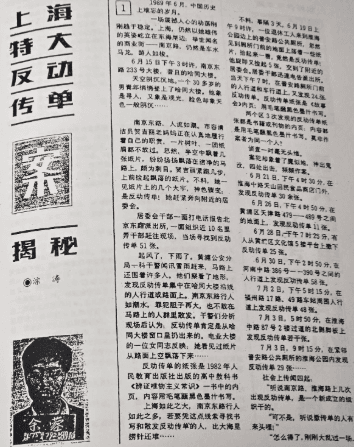
    An early find was two issues of People’s Police, a publication that extolled the work of Shanghai’s public security bureau in breathless accounts of their heroism. The issues told the story of Yu Rong (余蓉), then 35, whose father died in prison after being sentenced for counterrevolution. A recidivist who had served sentences for minor crimes, Yu had a penchant for dropping leaflets and other objects from tall buildings in multiple locations in Shanghai.  

    Copy of People’s Police 1990, Issue One, “A major reactionary pamphlets case in Shanghai”.
    Image source: Dui Hua

    In all, Yu disbursed 1,450 leaflets by dropping them from tall buildings or leaving them in public toilets over a 108-day period that began with the suppression of protests in Beijing and other cities in the Spring of 1989. The magazine claimed that Yu Rong’s actions constituted the biggest crime of its kind in Shanghai since 1949. 

    All of the leaflets had been written on the pages of elementary and high school textbooks published in the early 1980s. All had been written by the same hand using a black-ink brush. 

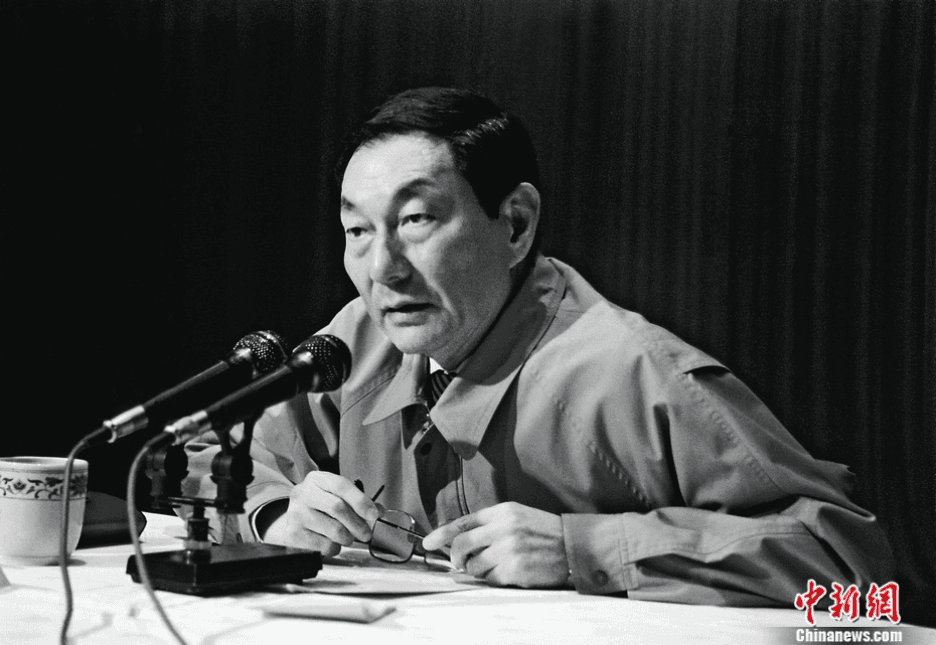
    Then Shanghai Mayor and Party Secretary Zhu Rongji. Image Source: Sohu.com

    At a time of social tensions when crimes were soaring, Shanghai’s mayor, Zhu Rongji, took charge of efforts to capture Yu. He ordered the police to solve the case immediately and deployed hundreds of policemen to accomplish the task.  

    Zhu had gained a reputation as a calming, moderate voice. After the June 4 protests – which eventually resulted in the execution of four individuals in Shanghai who had attacked a train – Zhu went on local television, removed his glasses and claimed to have lost his speech. He appealed for calm. Zhu went on to build a reputation as an economic reformer and was the architect of China’s effort to join the World Trade Organization. But he was also a brutal reformer who ordered the executions of individuals involved in a big car smuggling scandal in Hainan. 

    Flooding the Zone 

    In those days, the police did not have access to forensic tools like fingerprints and DNA testing. Nor did they have surveillance cameras which today can be found by the thousands in major Chinese cities. The way the case was solved was to catch Yu in the act. When leaflets were dropped, the police would rush to the scene and time how long it took for pieces of paper to fall to the ground. They would then flood the neighborhood to interview witnesses. This approach led to the identification of many suspects, none of which panned out. 

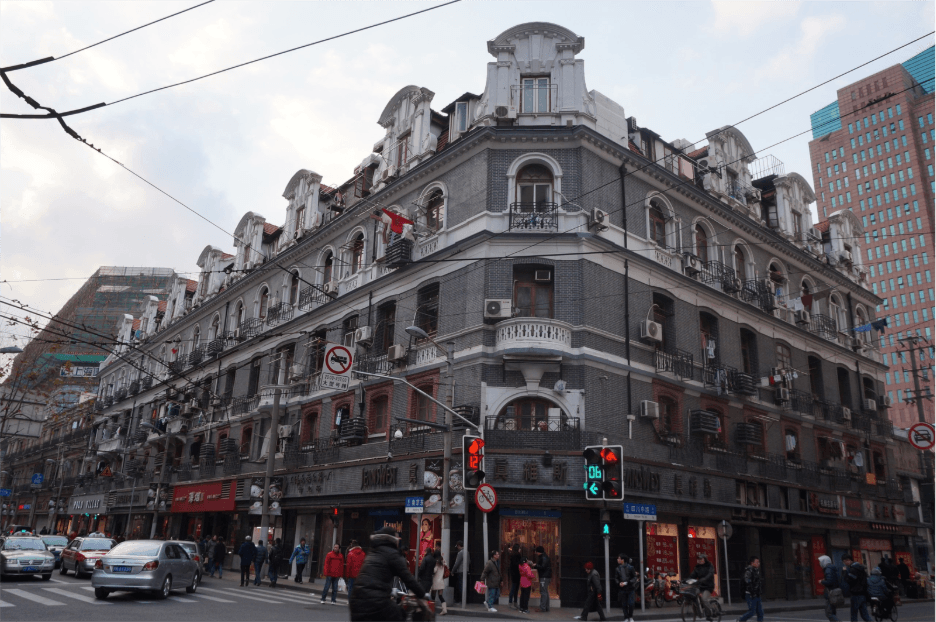
    Yu picked busy commercial streets to disburse pamphlets, such as Nanjing Road East. The old art-deco building was part
    of the former Hardoon estate. Nanjing Road East was once known as Shanghai’s Fifth Avenue. Image source: Wikicommons 

    On the 108th day of the manhunt, Yu Rong was apprehended in the vicinity of his apartment building. Police noticed a nervous young man, sweating profusely. Yu was taken to his room where incriminating evidence was found (textbooks with torn pages and an ink slab and brush). The interrogation began but before long he was brought to a police station where the interrogation continued. Yu Rong eventually confessed. 

    Tilanqiao  

    My first opportunity to raise Yu Rong’s case came in late 2000, the same year we found the issues of People’s Police in Hong Kong. I had flown to Beijing expecting to be granted a visit to Beijing Number Two Prison, but my request was denied. I was instead offered the chance to visit a prison in Shanghai, where the Ministry of Justice oversaw ten prisons. I returned to Hong Kong where we put together a list of more than 30 names of inmates in Shanghai facilities. 

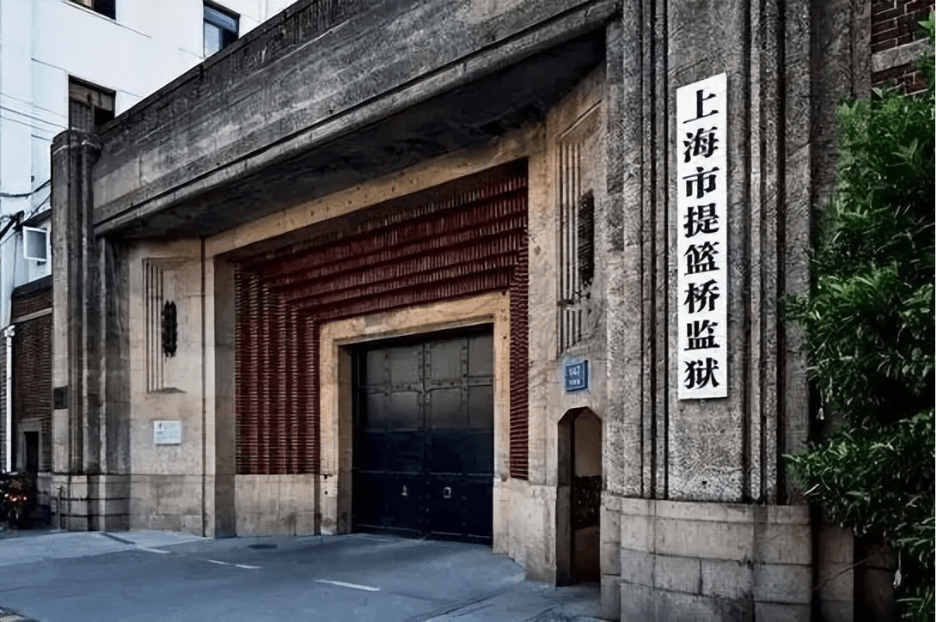
    Tilanqiao Prison, at its former location. Part of the facility has been converted to the
    Shanghai Prison History Museum. Image source: wenxiaobai.com

    Only after my arrival in Shanghai on December 4, 2000, did I know that a visit to Tilanqiao would take place. After arriving, I asked the warden for information on the people on the list, including Yu Rong. (Other names on the list included Jiang Cunde, a labor organizer, and Li Junmin, an alleged Taiwan spy.) The warden, who was accompanied by officers of the Shanghai Prison Bureau, didn’t recognize Yu Rong’s name, but my request for information was noted and passed along to higher authorities.  

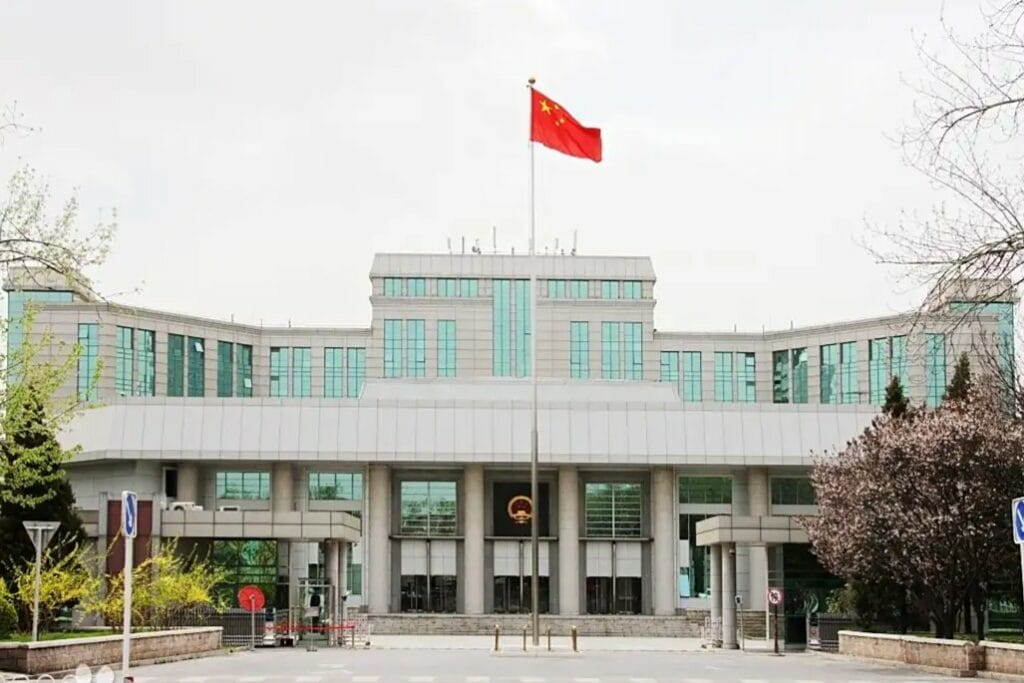
    Supreme People’s Court 

    When the attacks of September 11, 2001, took place, I was in Hong Kong. Flights out of Hong Kong were not cancelled, so I flew up to Beijing where I was able to meet with officials of several entities, including the Supreme People’s Court (SPC). I asked officers of the court to find information on Yu Rong. 

    Three months later, I returned to Beijing in the company of New York Times journalist Tina Rosenberg. Ms. Rosenberg was writing a story about my work for the publication’s Sunday Magazine (It would eventually be published as John Kamm’s Third Way in March 2002.) We secured a meeting with the SPC. One of the participants in the meeting was an official I had met at the September meeting. She had been unable to find any information on Yu Rong, leading Ms. Rosenberg to wonder if Yu Rong was still alive. 

    Ankang 

    I continued to make inquiries. In late 2005, I asked an interlocutor for help in getting information on three Shanghai detainees. In April 2006, I received a reply. Yu Yong had been diagnosed with schizophrenia and placed in an AnKang hospital. Ankang hospitals are psychiatric hospitals managed by public security bureaus. Detention in such facilities is open-ended and does not require the approval of a court.  

    Response received in a 2006 communication to Dui Hua. “According to multiple sources, Yu never served a sentence in Tilanqiao Prison. He was diagnosed with schizophrenia in 1990 and was sent to receive treatment in an Ankang. He was not sentenced to imprisonment. 

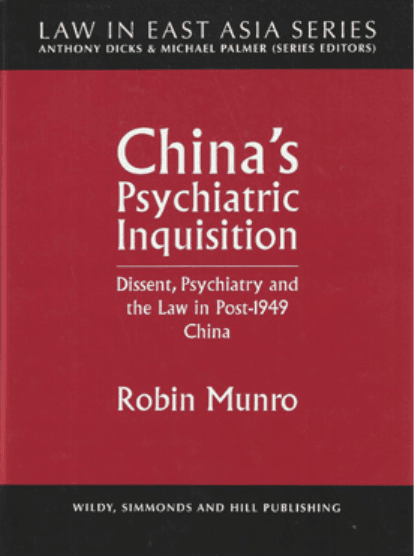
    The foremost authority on psychiatric detention in China was the scholar and human rights activist Dr. Robin Munro, whose book China’s Psychiatric Inquisition, is the most comprehensive description of this cruel form of arbitrary detention. Dr. Munro used accounts in medical journals found in Mainland libraries, as well as interviews with experts and testimonies of those subjected to mistreatment in Ankang hospitals, and who lived to tell their stories.  

    China’s Psychiatric Inquisition, by Robin Munro. Image Source: wildy.com

    Creative Dissent 

    Yu Rong found a way to express his opposition to government policies with a minimum chance of being discovered. Other dissidents have tried to do the same, while others are more brazen, unafraid of being discovered. 

    n a case similar to that of Yu Rong, a June 4 protester by the name of Li Huanming served a sentence for counterrevolution in Shaanxi Province after which he traveled south to Guangdong Province. He settled in Shenzhen, the booming city on the border with Hong Kong. There he planned to distribute thousands of photocopied leaflets by dropping them from tall buildings. He also placed stacks of the leaflets under bridges of the highway to Guangzhou, thinking that passing trucks would blow them into city streets and fields. 

    Another persecuted group, Falun Gong adherents, wrote messages on Chinese currency which it left lying about city parks. Dissident artists like Ai Weiwei and the Gao Brothers used artwork to express their views. 

    More recently, several instances of those dissatisfied with the state of life in China publicly denounced President Xi Jing Ping and the Chinese Communist Party (CCP) or expressed support for public disobedience, such as the “white paper” movement. All were quickly seized by the police. The fates of many remain unknown.  

    The CCP and the government it controls have tried to suppress opposing views among the Chinese people. Results are mixed. Dissenters have held to the belief that, as Mao Zedong put it, “A single spark can start a prairie fire.” 

    Ankang

    Ankang (安康), literally, “peace and health” are psychiatric treatment facilities under the direction of the Ministry of Public Security. They are not prison hospitals, as they are sometimes misidentified by Western media. Article 18 of the Criminal Law provides the substantive legal basis for compulsory psychiatric treatment of mentally ill offenders. Through a series of internal meeting minutes in the late 1980’s, the MPS quickly established and asserted its control over the administration of the facilities such as the Ankang hospitals. The system then expanded its functions to include forensic diagnostics in criminal investigations, under procedures further regulated by the Criminal Procedure Law, the People’s Police Law, mental health law, and public security regulations.

    Officially established in 1985, there are more than 24 such facilities in the country. These facilities are assigned by police to provide psychiatric evaluation in criminal cases, making the independence and neutrality of the evaluation problematic.


    Members of civil society often question the effectiveness of treatment carried out in Ankang, and the lack of transparency.  


  • Prisoner Updates 2025 #11

    Dissident Artist Gao Zhen Denied Bail Again as Trial Is Delayed for Second Time

    Artist Gao Zhen (高兟), half of the dissident artist duo known as the Gao Brothers, has again been denied bail, according to his lawyers. The defense had requested a change in coercive measures prior to trial, citing Gao’s deteriorating health. The Sanhe People’s Court in Hebei Province issued its decision on December 14, 2025.

    At around the same time, the court informed Gao’s lawyers that his trial has been postponed for a second time, with a new date set for March 10, 2026. The trial was originally scheduled to begin in September 2025. 

    Gao, a U.S. permanent resident, returned to China in 2024 with his wife and young son. He was detained on August 26 at his art studio in Beijing. On June 10, 2025, the Sanhe People’s Procuratorate formally indicted him on the charge of “infringing upon the reputation and honor of heroes and martyrs,” and recommended a sentence of three years’ imprisonment, the maximum penalty under the law. 

    Now nearly 70 years old and in poor health, Gao will have spent more than 18 months in detention by the time his trial begins.

    His wife and son are also under exit bans and unable to return to the US.


    Members of Lifeng house church begin serving sentences

    Li Shuanping (李双平), a co-worker of the Golden Lampstand Church in Linfen, Shanxi, was sentenced on 20 June 2025 to nine years and two months in prison and fined RMB 100,000 on charges of “fraud.” Authorities accused church leaders of fraudulently collecting offerings, a claim rejected by supporters who say the donations were voluntary and that the prosecution targets the church’s refusal to join state-sanctioned religious bodies. Li has been detained since August 22, 2021, and his sentence is set to run until October 2030.

    Li and his family have faced repeated persecution for their faith, including earlier detention in 2009. During his current incarceration, courts denied multiple bail requests, including a request to attend his elderly mother’s funeral. Rights groups view Li’s case as part of a broader crackdown on large independent house churches in China, particularly the Golden Lampstand Church, whose members have received unusually harsh sentences.


    Yunnan House-Church Leader Sentenced for “Organizing Illegal Gatherings”

    In December 2025, Bian Fuzhen (卞富珍), a house-church leader in Shuangbai County, Yunnan, was sentenced to six months’ imprisonment for “organizing illegal gatherings.” The court also ordered the confiscation of RMB 12,560 in church offerings. Bian and her husband led a small house church known as Lingshan Church. They and were detained in July 2025 after authorities accused them of holding unapproved religious meetings and online gatherings for about 20 people. While her husband was released on bail, Bian was formally arrested in September and held in Chuxiong.


    Labor activist harassed, in association of Zion Church

    On December 20, 2025, police in Beihai, Guangxi, carried out a surprise raid on the home of Cheng Yuan (程渊), a former human rights defender who completed a five-year prison sentence in 2024.

    Officers criminally summoned Cheng on suspicion of “illegally disseminating online information,” searched his home and vehicle, and confiscated electronic devices, Christian books, personal theology notes, and his baptism certificate. He was interrogated for several hours about Zion Church and his relationship to the detained pastors before being released late that night.

    While his phone and computer were returned, his religious materials remain confiscated, raising concerns about ongoing harassment and the targeting of private religious belief and study.

    Cheng Yuan was one of the three founders of labor NGO Changsha Funeng (长沙富能), which promoted rights of lawyers and labors and organized trainings. Cheng was sentenced to five years for inciting subversion of state power, an endangering state security crime.


    Crackdown of house churches continued in a town in Zhejiang

    An unannounced fireworks display on December 15 in Yayang Town of Wenzhou inadvertently exposed a covert crackdown on a local house church. Local authorities initially claimed the fireworks were a spontaneous celebration by township residents to mark the “arrest of a criminal organization,” an explanation that puzzled many local residents and netizens. 

    The true reason later emerged through an official notice issued on December 13 by the Taichun County Police Bureau. The notice solicited public tips and reports on alleged criminal activities by two accused leaders of a criminal group, Lin Enzhao (林恩兆) and Lin Enci (林恩慈). However, both men are well known local leaders of a house church in Yayang Town. Lin Enzhao had previously led protests against the forced removal of church crosses in Zhejiang in 2014.

    Members of the Banling Church reported hundreds of police officers, many deployed from outside the area, detained more than one hundred Christians on December 13th and 14th. Authorities framed the operation as a campaign against “black forces,” a term commonly used to refer to organized criminal groups.

    At the time of this publication, both Lins are on the run and wanted.

  • Home for Christmas

    Embed from Getty Images
    Chinese dissident and pro-democracy activist Xu Wenli prepares to speak to reporters before a press conference, 27 January 2003, in Washington DC, with his daughter Xu Jin (C) and Wife He Xintong (L). Photo by JOYCE NALTCHAYAN/AFP via Getty Images

    It is not uncommon for China’s judicial authorities to exercise clemency on the occasion of holidays and festivals. Mark Swidan, Kai Li, and John Leung were released on Thanksgiving Day, 2024. American citizen Jude Shao was released two days before American Independence Day, 2008. Prisoners, political and religious as well as others, are often shown clemency in the run-up to China’s Spring Festival. Amnesties have been called to commemorate important dates.

    For me, the most poignant holiday release was that of veteran activist Xu Wenli (徐文立).

    On the way to the U.S.

    At 1:15 AM on December 24, 2002, I received a phone call from an official who worked for China’s Ministry of Foreign Affairs (MFA). It was the early hours of Christmas Eve. Xu Wenli, leader of the China Democracy Party, had been released and was on his way to the United States.

    I was asleep on the couch of my office in San Francisco. I had been expecting the call. The State Council Information Office (SCIO) was hoping to make the morning editions of American newspapers. This release, together with the release of the Tibetan filmmaker Ngawang Choephel and the Tibetan teacher Takna Jigme Sangpo earlier in 2002, was part of the charm offensive launched by Chinese President Jiang Zemin to cozy up to the United States in the immediate aftermath of the 9/11 attacks on New York and Washington.

    As soon as the conversation with the MFA official ended, I called two people: Xu Wenli’s daughter in the U.S., Xu Jin, and Mark Lambert at the American Embassy in Beijing. Mark was the human rights officer at the embassy. He would go on the play a leading role in shaping U.S. policy towards China in the Biden administration.

    Xu Wenli served two terms in prison for his political activism. The first imprisonment took place between April 1981 and May 1993 (he was released on parole in late May). The second jailing took place between November 1998 and December 2002 (he was released on medical parole on Christmas Eve.)

    Xu’s release in 1993 was widely covered by international media.

    Xu, with Wei Jingsheng, were leaders of the Democracy Wall Movement that erupted in major Chinese cities in 1979. Both men wound up serving more than 10 years in prison beginning in 1981. Xu in a Beijing prison, Wei in a specialized facility in neighboring Hebei Province. An account of Xu’s first imprisonment, written by me, can be found in “Prisoner 001.”

    Xu and Wei were detained around the same time and sentenced for the same crime, counterrevolution. After their release, Wei went to the U.S., where he lives today, while Xu elected to stay in China.  

    The two men are very different. Wei is brash. He enjoys the limelight and especially likes the attention he gets from testifying at congressional hearings. Wei had excellent relations with Beijing-based foreign journalists in the early 1990s. 

    Xu, by contrast, is quiet and reserved. He is a serious intellectual who has authored books on political science. He has never testified before Congress. Reflecting his intellect and speaking abilities, Xu was invited to teach at Brown University upon his arrival in the U.S. after his second imprisonment ended in 2002. 

    Second Imprisonment

    In 1997, China’s National People’s Congress (NPC) amended the country’s Criminal Law and Criminal Procedure Law. The crime of counterrevolution was removed from the Criminal Law and the crimes of endangering state security and using a cult to undermine implementation of the law were added. Judicial reform seemed to be underway.

    In June 1998, U.S. President Bill Clinton traveled to China, visiting Beijing, Shanghai, and Hong Kong. President Clinton and President Jiang held a joint news conference in which Clinton told Jiang he should meet the Dalai Lama. He also referenced the removal of counterrevolution from the Criminal Law and recommended releasing those who were in prison serving sentences for this crime, a proposal I had put forward to the White House before his departure for China. The joint press conference received a great deal of attention from the Western media.

    Unfortunately for the reform movement, conservative members of China’s Politburo as well as senior military leaders paid close attention to what was said by the two leaders and were furious that Jiang didn’t push back, especially on the suggestion that Jiang would enjoy the company of the Dalai Lama.

    Right after Clinton left China to attend to domestic problems (notably the Monica Lewinsky scandal), a Hangzhou activist by the name of Wang Youcai tried to establish the Zhejiang Branch of the China Democracy Party (CDP), His application got nowhere, but Beijing soon caught wind of what was going on. Jiang Zemin ordered the authorities to nip the nascent democracy movement in the bud. Wang Youcai was detained on October 8, 1998, and subsequently sentenced to 11 years in prison for the crime of subversion.

    Three days before Wang was detained, China signed the United Nations Convention on Civil and Political Rights (ICCPR). The convention establishes the right to form political parties. (Although it signed the ICCPR in 1998, China’s NPC has yet to ratify it.)

    On November 9, 1998, Xu Wenli and fellow activists, including He Depu (何德普), Gao Hongming (高洪明), Liu Shizhun (刘世遵), and Zha Jianguo (查建国), announced the establishment of the CDP Beijing-Tianjin Branch. Three weeks later, on November 30, Xu was detained. Around the same time, the fellow activists who joined him in the attempt to register the party were also detained. Xu was subsequently sentenced to 13 years in prison and three years deprivation of political rights. He was sent to Yanqing Prison to serve his sentence.

    Beijing Number One Intermediate People’s Court convicted Xu of Subversion in December 1998. Image source: Baidu Baike.

    As he did during Xu’s first term in prison, Hong Kong-based human rights champion Robin Munro encouraged me to seek clemency for Xu. Munro, who passed away in Taiwan in 2021, was Human Rights Watch’s China researcher in Hong Kong. He had gotten to know Xu in Beijing well before his arrest in 1981. They became fast friends.

    By the time I took up Xu’s case, for the second time, in 1998, I had been intervening on behalf of Chinese political and religious prisoners for more than eight years. I had developed a modus operandi of interactions and dialogues used to work with different parties in an intervention. In the coming years I was to deploy this M.O. in hundreds of cases.

    Interactions with Family Members

    Gaining the trust of the prisoner’s family is vital. The trust I gained during Xu’s first imprisonment carried over to the second imprisonment.

    Especially valuable was the help I received from Xu’s daughter, Xu Jin, who had relocated to the U.S. In July 2001, Xu Jin sent me the results of her father’s medical tests. The information informed the application for Xu Wenli’s medical parole, which was eventually granted.

    Dialogue with the Chinese Government

    What distinguishes my work—and, after 1999, the work of Dui Hua—is the ability to engage the Chinese government in a dialogue on human rights and the treatment of prisoners. This work entails both face-to-face meetings and submission of lists to Chinese government ministries. Lists are submitted directly and through governments with whom we work. During the term of Xu’s second imprisonment, we submitted eight lists and received seven responses from the Chinese government.

    In reviewing notes from my meetings with my Chinese interlocutors, I am struck by the references to Xu’s bad attitude and, resulting from that, the unlikeliness of his early release from prison. They denied that Xu was in poor health. “He’s quite healthy,” they claimed.

    I usually was the one to seek in-person meetings, but on at least one occasion, an official unexpectedly asked to see me. On the evening of November 1, 2002, a senior official came to my hotel in Beijing. He was dressed casually and wanted to discuss real estate opportunities. We eventually got around to discussing Xu Wenli. He advised me that Xu’s release, already agreed to internally, had hit a roadblock, mostly for domestic political reasons having to do with the selection of Hu Jintao as Secretary General of the Chinese Communist Party. Some conservatives were pressing Hu not to release any more political prisoners. Their opposition was eventually overcome.

    Dialogue with the U.S. Government

    The administration of George W. Bush, who took office in January 2001, actively worked to secure the release of two activists: Uyghur entrepreneur and humanitarian Rebiya Kadeer and Xu Wenli. President Bush relied on two American officials, his old friend Ambassador to China Clark “Sandy” Randt, and Assistant Secretary of State for Democracy, Rights and Labor Lorne Craner. Both men asked for my assistance.

    Dialogues with Other Governments

    In an effort to ward off sanctions, Beijing began holding human rights dialogues with other governments in the 1990s. In addition to the U.S., China was discussing human rights with seven other countries at the time of Xu Wenli’s and Wang Youcai’s arrest in 1998. Dui Hua assisted several of these by composing prisoner lists and proposing topics for discussion. Xu figured prominently in both.

    Interactions with NGOs

    On the whole, my interactions on the Xu Wenli case with the human rights and dissident communities were good. By far the most helpful was Robin Munro. He headed the Human Rights Watch office in Hong Kong from 1990 to 1999. Our offices were within a hundred yards of each other, and we met frequently. He introduced me to the case, and pressed me to intervene with my Chinese interlocutors.

    While Munro supported my work, our collaboration on the Xu case and many others outraged both the human rights community and the business community, members of which toyed with the idea of denouncing me. As the saying goes,”If both sides condemn you, you must be doing something right!”

    Cooperation with Amnesty International was enhanced by my strong relationship with the Norwegian government. Amnesty’s Norwegian branch chronicled Xu’s case and my role in assisting him during his first and second imprisonments in an account published in 2003.

    Media Coverage

    Dui Hua announced Xu’s Christmas Eve release in a press statement issued immediately after calling Xu Jin and the American Embassy in Beijing. Media coverage was extensive. China’s actions against the CDP and its leaders, Xu Wenli and Wang Youcai, had garnered much media attention, so journalists had plenty of material to work with. 

    Xu‘s visit to Dui Hua’s San Francisco office in 2015. Image source: Dui Hua

    Aftermath

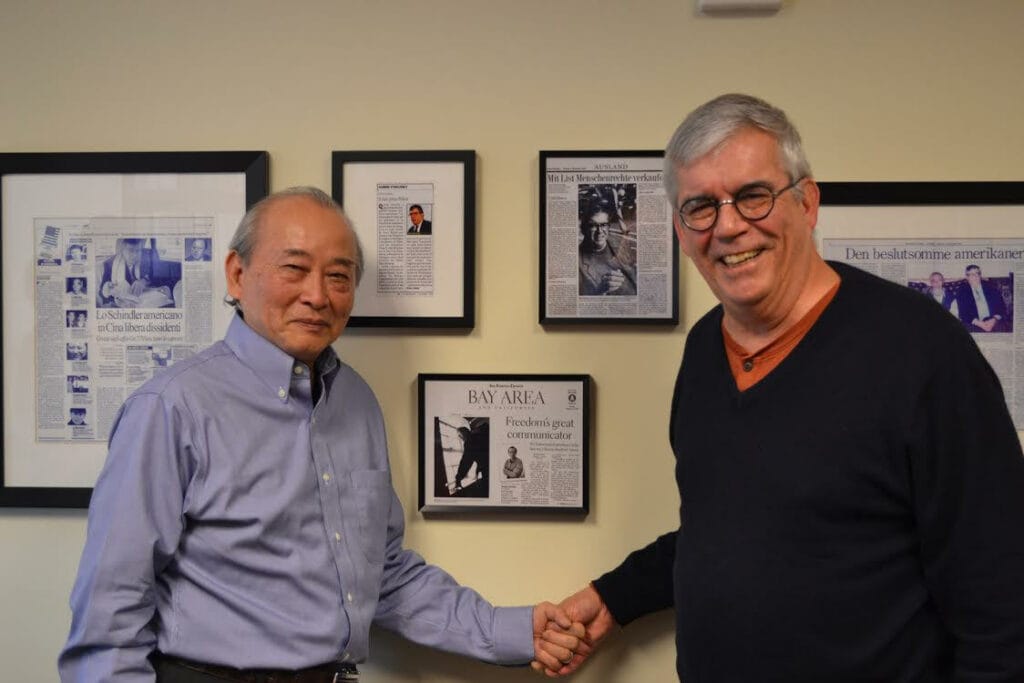
    After his release, Xu came to San Francisco to see me at my office. He visited three times. We posed for photographs and enjoyed lunches. Xu was accompanied, on occasion, by his wife, He Xintong, and former political prisoners including Wang Xizhe and Wang Dan.

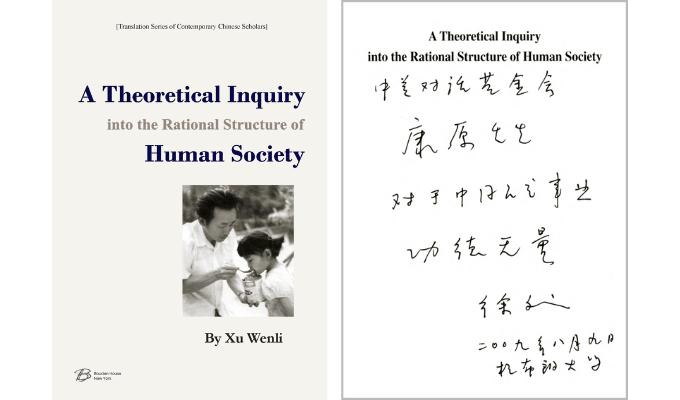
    Inscription by Xu Wenli to Kamm, in his book, “A Theoretical Inquiry into the Rational Structure of Human Society”, thanking Dui Hua’s and Kamm’s contribution to China’s democracy movement.

    Now 82 years old, Xu remains active. He lives with his family in Providence, Rhode Island and is a senior research fellow emeritus at Brown University. In January 2024, he donated his papers to Stanford University’s Hoover Institution. His legacy as a champion of human rights and democracy is secure. 


     Listen to the Encounters with China podcast.

    Subscribe to receive notifications about new episodes. 

    Read all John Kamm Remembers stories.


  • Prisoner Updates 2025 #10

    Members of Zion Church formally arrested in Guangxi

    As of November 19, 2025, 18 pastors and church workers from Zion Church had been formally arrested in Beihai on suspicion of “illegal use of information networks.” They include Pastor Jin Mingri (金明日), Gao Yingjia (高颖佳), Wang Lin (王林), Yin Huibin (尹会彬), Liu Zhenbin (刘桢彬), Lin Shucheng (林书铖), Wang Cong (王聪), Sun Cong (孙聪), Wang Zhong (汪中), Liu Jiang (刘江), Wei Yunfei (魏云斐), Li Shengjuan (李盛娟), Wu Qiuyu (吴秋雨), Zhan Ge (战歌), Zhu Mingli (朱明立), An Mei (安梅), Mei Zi (梅子), Hu Yanzi (胡燕子), and a member only known as “sister M.”

    Meanwhile, eight others have been released on bail, and three have been freed.


    Zhang Zhan Jailed Again in Shanghai

    Zhang Zhan (张展) was again sentenced on September 19, 2025 — one year and four months after her last prison release — by the Pudong Xin District People’s Court in Shanghai in a closed trial to four years in prison for the same crime of “picking quarrels and provoking trouble.”

    Her case stemmed from her continued citizen-journalism activities, including assisting young activists, and posting commentary online, which authorities say are seriously damaging the national image.” She was detained on August 28, 2024 after traveling to her hometown in Shaanxi. She was then formally arrested on 18 November 2024. While held at the Pudong Detention Centre, she began a hunger strike in January 2025 and was force-fed.

    Zhang previously served a four-year prison term from May 2020 to May 2024. That conviction stemmed from her independent reporting from Wuhan during the COVID-19 outbreak in early 2020. During her first imprisonment, she carried out long hunger strikes, was repeatedly force-fed, and her health declined dramatically before her release in May 2024.

    Although she filed for appeal in October, Zhang’s lawyer Gao Chengcai reported in November that he was unable to visit her at the Pudong District Detention Center. Her family later reported that Zhang has been transferred to an “educational facility” for political prisoners and will be admitted to the Shanghai Women’s Prison. It is unclear if or when the appellate trial took place.


    Appeal Rejected in Journalist Espionage Case

    The appeal of Dong Yuyu (董郁玉) against his seven-year espionage sentence was rejected, with Beijing’s High Court upholding its original judgment. The court reportedly offered no new reasoning for the decision. Dong, a veteran journalist and former deputy editor at Guangming Daily, was arrested in February 2022 while having lunch with a Japanese diplomat and later convicted of espionage in November 2024.

    Yu’s family strongly denies the charges, calling them politically motivated, and argues there was no credible evidence to support the espionage conviction.


    House church pastor Jailed for “Organizing Illegal Border Crossing” in Gansu

    In November, pastor Sun Chenghao (孙承浩) was sentenced to four and a half years imprisonment, plus a fine of RMB 10,000, by Gansu’s People’s Court of Ganzhou District for “organizing others to illegally cross the border.”

    Sun is a Chinese of Korean ethnicity and a pastor of a house church in Zhangye, Gansu. The case dates back to August 2023, when Sun and several friends legally traveled to Jeju Island in South Korea as tourists, using valid passports and visas. Jeju allows visa-free entry for Chinese citizens, and the group returned to China normally at the end of the trip. To prepare for the visit, Sun created a WeChat group called “Jeju Island Self-Guided Travel” to make organizing and communication easier among his fellow travelers.

    On December 15, 2023, Chinese police detained Sun on the charge of organizing others to illegally cross the border. His wife reports that several church members were warned and isolated from her by authorities. Although Sun did not break Korean law during the trip — in fact, he was even invited to a graduation ceremony on Jeju — critics say Chinese authorities stretched domestic law to make his normal travel appear illegal. Observers say the case raises serious concerns about how vaguely worded statutes can be used in politically or religiously sensitive ways, potentially criminalizing normal tourist travel.

    Sun’s sentence ends on June 15,2028.


    Three Leaders of Xi’an Church of Abundance Re-Arrested in November

    On November 2, 2025, Pastor Lian Xuliang (廉旭亮), Pastor Lian Changnian (廉长年), and minister Fu Juan (付娟) of Xi’an’s Church of Abundance (丰盛教会) were re-arrested by the Xi’an Public Security Bureau, again charged with “fraud.” Their November arrest follows their earlier arrest in August 2022 on the same allegations. After being released on bail in April 2025, the three were reportedly immediately placed under residential surveillance at a designated location, a restriction that remained in place until their re-arrest in November.


    Renowned photojournalist detained again in Beijing

    Du Bin (杜斌) — a well-known human-rights photographer, documentary filmmaker, and former journalist — was taken from his Beijing home on October 15, 2025, a day before he was scheduled to fly to Japan. He was detained on suspicion of “picking quarrels and provoking trouble,” a charge frequently used against critics and dissidents, after authorities reportedly took issue with a book he had written that was viewed as “attacking state leadership.” He had also been briefly detained in both 2013 and 2020 for his prior work.

    Du is currently being held at the Beijing Shunyi Detention Center. Lawyer’s attempts to visit were denied on the ground of “involving state secrets.”

    Du had worked at Chinese official media outlets and contributed to mainstream Western media outlets such as The New York Times, The Times, and The Guardian. He is noted for his 2013 documentary focusing on the harsh treatment of female inmates in a detention center in Liaoning Province.

  • Dui Hua Digest, Winter 2025

    EVENT

    United States becomes first country to miss its own Universal Periodic Review 

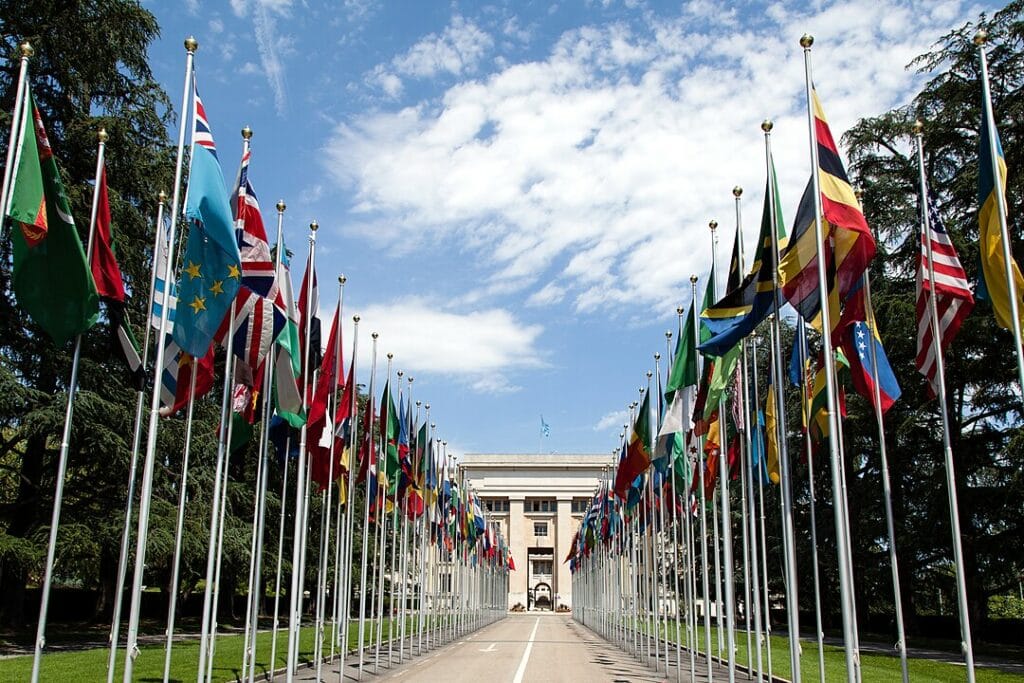
    United Nations Office, Geneva. Image source: Wikipedia 

    On November 7, the United States skipped its own Universal Periodic Review (UPR) at the United Nations in Geneva. This was the first time for any member of the UN since the UPR was established in 2006.  

    The UPR is a peer-review mechanism designed to assess the human rights record of all UN member states every four to five years. Before the UPR, the UN Commission on Human Rights (CHR), established in 1946, had lost credibility. Membership was dominated by countries with poor human rights records; they would block resolutions by Western democracies that were critical of their human rights record.  

    In 2006, the UN General Assembly replaced the CHR with the Human Rights Council (UNHCR) and introduced the UPR. Membership to UNHCR is supposedly limited to countries upholding human rights, and the UPR reduces selective targeting and political deadlock.  

    From the outset of the second Trump administration, the US has moved decisively away from engagement with the UN’s human-rights body. In February 2025, the president again authorized the US withdrawal from the UNHCR and the cutting off of US participation in related processes. In a public statement, the administration cited “bias against Israel;” it accused the council of hypocrisy and pointed to China’s increasing influence over the process.  

    The concerns about human rights in the US 

    With the US skipping the UPR, non-profits like Dui Hua, which is in Special Consultative Status with the UN Economic and Social Council, weighed in, submitting reports that raised concerns over several human rights issues in the United States. Dui Hua focused on the US’s resumption of capital punishment to address violent crime. In January, President Donald Trump issued an executive order that revived the use of the death penalty for federal cases. Shortly after, US Attorney General Pam Bondi lifted a 2021 moratorium on executions as well as reintroduced a 2018 Department of Justice (DOJ) memorandum which established the policy of applying capital punishment to drug related cases: 
     
    In addition, the 2025 Memorandum also applies the policy to “cases involving non-drug capital crimes by cartels, transnational criminal organization, and aliens who traverse [the United States] border and remain in the United States without legal status.” The 2025 Memorandum also “strongly” encourages federal prosecutors to “use applicable statutes, when appropriate.” 

    In its submission, Dui Hua recommended that the administration and DOJ rescind the use of the death penalty and to reinstall the moratorium on federal executions. It also recommended that the DOJ retract the policies it laid out in its February 5, 2025, memorandum that encourages the death penalty for federal crimes. 

    A difficult relationship history 

    Since the beginning of the UNHCR and its predecessor, the relationship with the US has oscillated between engagement and criticism, a reflection, perhaps, of the tensions between the US’s human rights rhetoric and domestic and international political realities. In August, the State Department released its annual Country Reports on Human Rights Practices where comprehensive details were scaled back to a bare minimum. 

    In response to the US disengagement, UNHCR issued a statement on November 7, 2025, saying the US decision was regrettable and that they would “reschedule the universal periodic review of the United States of America, with a view to conducting it in 2026.” 

    An anti-climactic summit

    US President Donald Trump meets with China’s President Xi Jinping in Korea, October 30, 2025.  Images source: The White House 

    Presidents Xi Jinping and Donald Trump met in South Korea on October 30, 2025, for their first face-to-face encounter since 2019. After months of ratcheting up economic pressure, they agreed to a one-year trade truce. The US promised to ease tariffs and export controls on semiconductors. Beijing agreed to restart soybean imports and delay new controls on rare earths for a year. According to Trump, there was no mention of Taiwan nor US citizens under exit bans in China. As if to contradict this claim, China reiterated its four “red lines” in US-China relations: Taiwan, human rights and democracy, China’s political system, and China’s right to development the day after the summit. 

    Human rights issues were not discussed, although Trump reportedly briefly raised the situation of Jimmy Lai, the Hong Kong pro-democracy media publisher who has spent several years in solitary confinement in Hong Kong. 

    It was goodwill for nearly two hours, but default positions reemerged following the bilateral meeting. During the opening session at the APEC summit, Xi called for maintaining supply chain stability, a subtle dig against US tariff policies.  

    Just over 24 hours later, US Treasury Secretary Scott Bessent told the Financial Times that China had “made a real mistake” by threatening rare earth export controls. He said that Beijing had “alerted everyone to the danger” and would not be able to use critical minerals as leverage again. He called China an “unreliable partner.” 

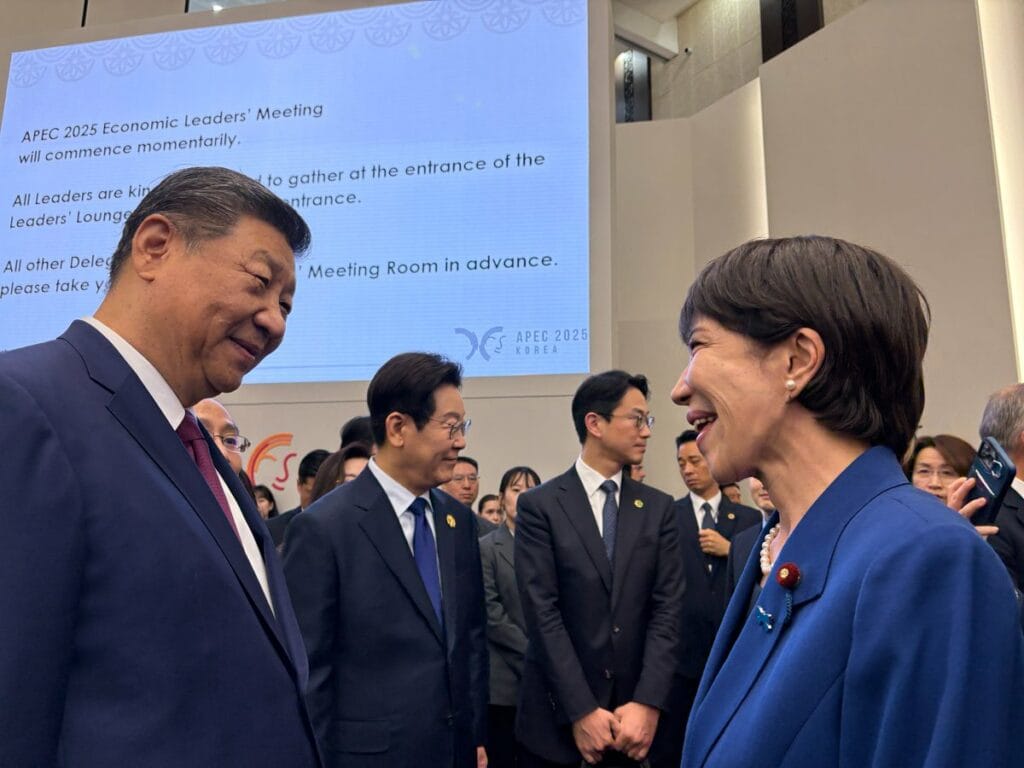
    Japanese Prime Minister Sanae Takaichi with Chinese President Xi Jinping, at APEC Summit, South Korea, October 31, 2025. Image source: Screenshot from Japanese Prime Minister Sanae Takaichi’s X account. 

    Perhaps more interesting was what Japan’s new prime minister had to say about her meeting with Xi. Sanae Takaichi publicly stated that she had raised “serious concerns” about China’s actions in the South China Sea, Hong Kong, and Xinjiang during their APEC meeting, making her the only leader to openly acknowledge discussing human rights with the Chinese president. 


    PUBLICATIONS HIGHLIGHTS

    JOHN KAMM REMEMBERS

    From John Kamm Remembers, a series written by Dui Hua’s founder recounting his advocacy for prisoners in China.

    On the Road in Guangdong Province

    Travelling in China for business helped Dui Hua’s Executive Director John Kamm move beyond surface observations. Against the backdrop of China’s storied history, it was on the road that John learned to recognize the logic that influenced everything from business to social interactions.  In On the Road in Guangdong Province, John describes the encounters that would inform his human rights work in China in decades to come. Read more


    PRISONER UPDATES

    Zhang Zhan receives second prison sentence

    A lawyer turned civil journalist and rights activist was sentenced to four years’ imprisonment for picking quarrels and provoking trouble (PQPT) on September 19, 2025. This marks her second conviction for the same crime, less than two years after her release in May 2024. Read more

    Crackdowns on House Churches Intensifies

    Crackdowns on China’s unregistered house churches have intensified following new regulations banning unauthorized online preaching issued by Beijing’s top religious affairs authority. The campaign has involved coordinated raids, mass detentions, and the use of various criminal charges against independent Christian groups that refuse to register under the state-sanctioned Three-Self Patriotic Movement.  Read more

  • Prisoner Updates 2025 #9

    Crackdowns on House Churches Intensifies

    Crackdowns on China’s unregistered house churches have intensified following new regulations banning unauthorized online preaching issued by Beijing’s top religious affairs authority. The campaign has involved coordinated raids, mass detentions, and the use of various criminal charges against independent Christian groups that refuse to register under the state-sanctioned Three-Self Patriotic Movement.

    Zion Church (锡安教会)

    One of China’s largest independent Protestant house-church networks, Zion Church has become a major target of the government’s crackdown. On October 10, coordinated raids were carried out against its branches in Beijing, Guangxi, Shanghai, Zhejiang, and Shandong. At least 23 members (13 female, 10 male) are being held in two detentions centers in Beihai, Guangxi, on suspicion of illegally using information networks.

    Known detainees include Pastor Ezra Jin Mingri (金明日), Wang Lin (王林), Wang Cong (王聪), Sun Cong (孙聪), Gao Yingjia (高颖佳), Yin Huibin (尹会彬), Liu Bingbin (刘炳彬), Lin Shubin (林书斌), Yang Lijun (杨丽君), Wei Yunfei (魏云斐), Zhu Mingli (朱明立), Cui Xiaole (崔晓乐), Wu Xiaoyu (吴小雨), and Li Shengjuan (李盛娟).

    Additionally, ethnic Mongol Huhetuya (胡和图雅), affiliated with the Zion Church, is facing the same charges and is being held in Beihai.

    Unlike previous crackdowns on house churches where members are often accused of fraud or conducting illegal business operations, Zion Church leaders and members are now detained under the charge of “illegally using information networks.” The charge is believed to relate to the church’s posting of prayer videos and other religious content on social medial platforms. 

    Taiyuan Xuncheng Fellowship (太原郇城教会)

    On October 12, 2025, the house-church’s Sunday gathering in Taiyuan, Shanxi, was disrupted by plain-clothes and uniformed officers. They confiscated attendees’ mobile phones, Bibles, hymnals, computers, and the church’s offering box, and placed at least 11 members under administrative detention for 15 days. They were released on October 28. Those detained—including An Yankui (安彦魁), Wang Yingjie (王英杰), Wang Ying (王瑛), Zhang Chenghao (张承浩), and Zhao Weikai (赵维凯)—had previously been detained or harassed for participating in Xuncheng Fellowship’s unregistered religious activities.

    Wheatseed Reformed Church (麦种归正教会)

    In October, authorities in Fuyang, Anhui, transferred the case of Wheatseed Reformed Church to the procuratorate for prosecution. Pastors Zhang Sen (张森), Chang Shun (常顺) and elder Ma Shutao (马树涛) were formally indicted on charges of “organizing illegal gatherings” (组织非法聚集罪) for leading unregistered religious meetings and allegedly preaching to minors.

    Shenyang Celtic Youth Fellowship (沈阳塞尔特青年团契)

    In October 2025, authorities in Shenyang, Liaoning Province, stepped up their crackdown on the Celtic Youth Fellowship, a house church known for its youth-oriented ministry. Around eight members were detained in mid‑ to late‑October, including Pastor Wang Xiangchao (王相超) and Shao Huaxuan (邵华煊). Those detained were accused of “organizing a cult to undermine implementation of the law.” Several of the detainees had been previously arrested or investigated earlier in 2025. By the end of October, some were released on bail, while others remained in detention.

    Ethnic Lisu Christian

    On October 17, Li Guiwen (李贵⽂), an ethnic Lisu Christian in Yunnan’s Yuanmou County, was formally indicted for organizing illegal gatherings. Li was detained on August 2, 2025 and arrested on September 8. The Lisu community has a long-standing Christian heritage dating back to early 20th century missionary activity. Li’s case underscores the vulnerability of ethnic-minority Christians, whose unregistered church activities serve both as expressions of faith and cultural continuity, drawing heightened scrutiny from authorities seeking to control both religion and minority traditions.


    Chinese Student Detained after Returning from Abroad 

    Chinese student Hu Yang (胡洋), a student in the Netherlands, remains detained at Zhengzhou No. 3 Detention Center on charges of picking quarrels and provoking trouble after being taken into custody at Shanghai Pudong Airport on July 26. On 8 November 2025, he was allowed his first lawyer visit following repeated refusals by authorities. His case has been transferred to the Erqi District Procuratorate for review. The family continues to assert that his detention stems from his online speech, and reported that his mother faced pressure to remove public appeals in September. She has since resumed posting updates.


    Labor Activist Indicted for Inciting Subversion 

    On September 28, 2025, the Yiyang Procuratorate in Hunan Province indicted Li Weizhong (李维忠) on charges of inciting subversion of state power. Prosecutors allege that Li published 32 articles on the Democratic China website during 2016–2018, posted 36 tweets on X under his online alias during 2019–2024, and printed 50 copies of essays by another dissident for distribution.

    Li, also known by his online alias Li Yuanfeng (李原风), is a veteran labor rights advocate. Li has worked with NGOs, edited labor publications, and investigated local issues such as land seizures, corruption, and workers’ rights abuses.

  • On the Road in Guangdong Province

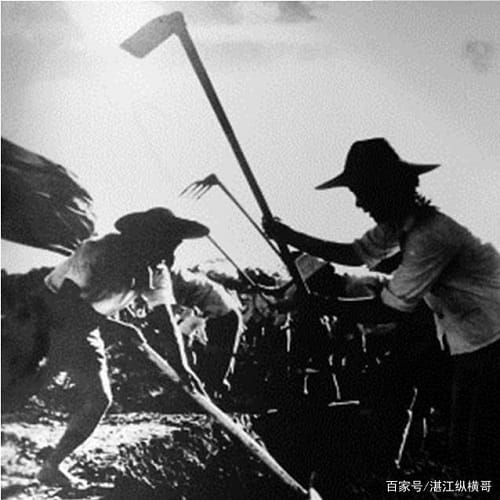
    Ten years before I began travelling to Guangdong Province to sell provincial authorities on the virtues of releasing political and religious prisoners, I was traveling the length and breadth of the province selling something different: agricultural and industrial chemicals, pharmaceuticals, and chemical technology.

    Even before travelling around the province selling chemicals, I was attending the biannual trade fairs in Guangzhou, the Chinese Export Commodities Fair. I attended 10 fairs, from 1976 to 1980. At these events, the trade fair authorities would lay on trips to locations in the Guangzhou suburbs. I joined as many of these trips as possible, visiting a commune that grew tea in Hua County, fireworks factories in Dongguan County, and the Birds’ Paradise outside of Jiangmen.

    Fort Bayard

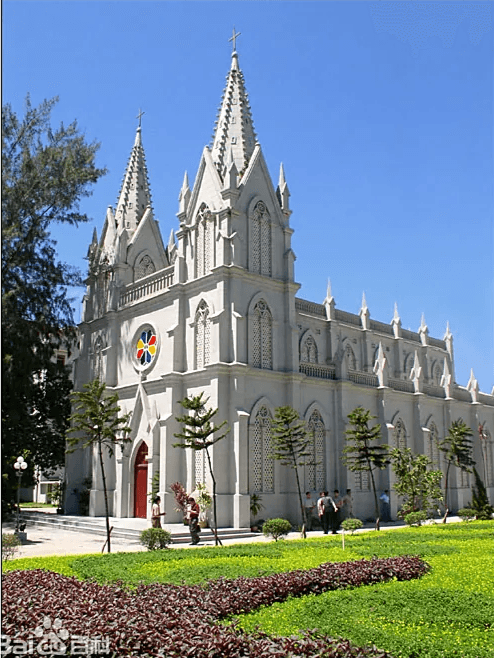
    At the end of the nineteenth century, European powers set about carving up China in what came to be known as “The Scramble for Concessions.” The United Kingdom leased Weihaiwei in Shandong Province and much of Baoan County in Guangdong Province, Germany grabbed Qingdao, Russia acquired Port Arthur (now Dalian), and France leased Kwangchowwan. The capital of the territory was Fort Bayard, now Zhanjiang. Kwangchowwan was administered as a part of French Indochina from 1898 to 1943.

    Zhanjiang Prefecture is one of China’s biggest producers of peanuts. In the late 1970s and well into the1980s, Zhanjiang’s peanut crop was badly affected by fungal diseases. I had secured the China agency of Diamond Shamrock Chemical in July,1979. Diamond Shamrock Chemical produced Daconil, a highly effective fungicide.

    In May 1980, I gathered a team of experts to travel to Guangzhou to promote the use of Daconil. We gave a technical seminar, conducted a field trial on peanuts at a commune in the Guangzhou area, and met with representatives of foreign trade corporations and users, including the provincial State Farm Bureau and the Overseas Chinese State Farm Bureau (华侨农场). The Overseas Chinese Farms were established to resettle Chinese refugees and migrants from Southeast Asia, starting in the 1950s. After the discussion, we selected an Overseas Chinese state farm in Zhanjiang and set out in a minibus (called a “bread car 面包车” by the locals because they were shaped like a loaf of bread and minibus sounds like mian-bao in Cantonese) on the morning of Saturday, May 31, 1980.

    Farmers working on an overseas Chinese farm in Guangdong. Many similar farms were setup during the late 1950s to resettle the overseas Chinese forced to return from Southeast Asian countries where they were sometimes persecuted. Image source: China State Farms & Tropical Agriculture

    Traveling by road in Guangdong Province was hazardous. Drivers made liberal use of their horns, especially when overtaking other cars. Approaching cars would turn on their high beams at night, blinding the driver and occupants of the oncoming vehicles. The solution was turning on your own beams to blind the other driver, or pulling over to the side of the road till the other car passed. The latter maneuver resulted in more time on the road. I lost two good friends to accidents caused by reckless drivers whose sole qualification for a driver’s license was passing a vision test.

    The distance by road between Guangzhou, where Diamond Shamrock had an office, and Zhanjiang is 420 kilometers. Today, traveling the distance by car takes four and a half hours. In 1980, it took much longer and involved several crossings of the West River by ferry.

    John Kamm crossing the Pearl River in the early 1980s. Pictured with him is James Sweitzer, Vice President of Manufacturers’ Hanover Trust. Like Kamm, Sweitzer served a one-year terms at the helm of the American Chamber of Commerce in Hong Kong. Image source: John Kamm

    After finding the bureau and calling the state farm to get directions, we arrived at the state farm in the early hours of June 1, 1980, and settled into where we’d be staying for the week. It was not a welcoming environment. Our housing had been used as a refuse dump.

    Not long after we settled down to sleep, we were awakened by revolutionary songs to march and perform calisthenics to. Breakfast consisted of steamed buns and congee. As soon as we could, we left for the city to have a look at the old French concession.

    What we saw were the dilapidated remains of a small colonial settlement. Border posts, once manned by the French Foreign Legion, were choked with weeds. Offices of French officials were falling apart. The windows of the Cathedral of Saint Victor were bricked over. I managed to have a look inside. The pews had been taken out and replaced by rusting machine tools.

    The priests of St. Victor’s acquiesced in the decision of the revolutionary committee to transform the church into a factory. The priests at another Catholic Church in the area refused to do so, believing that the committee’s order was sacrilegious. That church was then torn down by zealous Red Guards.

    St. Victor’s Cathedral in 1980. Image credit: John Kamm
    St. Victor’s Cathedral Today. It serves the local Catholic community. Image credit: Baidui Baike

    The Overseas Chinese State Farm where we conducted the Daconil trial abutted old Fort Bayard. A customs station, manned by French legionnaires had been erected (Fort Bayard had been used to smuggle opium and other contraband into China). In 1980, the exterior of the station was taken up by a private market where farmers sold what they grew or raised on their private plots. Looming over the market was a large brick and concrete hoarding with a poster of Chairman Mao speaking to Hua Guofeng: “With you in charge, I am at ease. 你办事,我放心。”

    A 1977 propaganda poster produced by the Beijing Revolutionary Committee, depicting a meeting between Mao and Hua. Image source: Chineseposters.net

    We expected that the farm workers would help us spray the peanuts with our fungicide. They helped but we wound up doing much of the work ourselves. We paid a hefty fee for the pleasure of working with their workers and using the state farm soil.

    We handed out samples of shirts and hats. Fortunately, our hats were blue. (Another agricultural chemical company handed out green hats but was mystified by the farmers’ refusal to wear them. Wearing a green hat carries a very negative connation. It means your wife or girlfriend is cheating on you.)

    Later we tried spraying Daconil on rubber trees at a state farm in Hainan. The trials failed. The fungicide was no good on old rubber trees.

    Although we eventually sold small quantities of Daconil to Chinese foreign trade corporations, we never hit pay dirt. Unbeknownst to us at the time, Chinese scientists worked hard to reverse engineer Daconil and produce China’s own Daconil. Unfortunately, the manufacturing process they used was highly carcinogenic. Workers died.

    Finding Arsenic Trioxide

    My team and I were tasked by Diamond Shamrock to find sources of arsenic trioxide, a deadly powder used to manufacture weed killers. We ventured to two remote locations in Guangdong Province, Yunfu County in the western part of the province, and Yangshan County in the northern part. In these places we witnessed arsenic being refined in so-called “dragon kilns,” a technology developed in the Tang Dynasty (618-907 AD.)

    A diagram of “dragon kilns”. Although ”dragon kilns” are mainly used for baking pottery, they can also be used for roasting rocks to extract arsenic trioxide. Image source: lab-x

    On the trip to Yunfu, I travelled with Bill Mulligan, a mining engineer who worked for a large New York bank. We drove over rough roads. In striking contrast, the next county to the west was Loding, a national model in road building. At a later date I traveled on those roads: wide, paved, with barriers on the side and signage in good sight.

    Accompanied by county officials, we hiked up a steep hill until we reached a ridge, where we could peer down at the countryside below, dotted with abandoned mines where arsenic-laden rocks had been mined, tailings leaching out from the mouths of the mine.

    We stopped for a cup of tea. The county boss remarked that the tea plants were the only thing that could grow in the arsenic-laden soil. We immediately spat out the tea, but Mulligan asked for a bag of what we called “arsenic tea,” which he was given. Turning to me, he said, in a low and joking voice, “I’ll bring this home and give it to an in-law!

    We moved closer to the dragon kiln. Village women were hauling buckets of arsenic trioxide down the trail back to town. No special protection gear was worn, no special procedures were followed. I took short breaths but nevertheless felt a tightening of my windpipe in my upper chest.

    Selling Vaccines to Pigeon Farms

    One of the companies we represented was a European manufacturer of vaccines for animals, especially poultry, flocks of which were frequently ravaged by avian diseases. We ventured to Zhongshan County north of Macau, there to conduct a technical exchange on vaccines for pigeons. Zhongshan is famous for its “Shekki Pigeons,” named after Zhongshan County’s seat, Shiqi (Shekki in Cantonese). These birds, roasted in a time-honored way that results in succulent meat and crispy skin, fetch high prices in Hong Kong and Macau.

    On the same trip we introduced a Swiss product to counter swine flu, a perennial problem in South China.

    The pigeon exchange was a complete success. County officials, who had their own stash of US dollars, wanted to buy the vaccines from us, but wanted to do so quickly rather than going through the provincial foreign trade corporation.

    Kamm (far right) visiting the Shekki pigeon farm in Zhongshan County. Source: The Dui Hua Foundation

    We decided to use their standard Chinese-language contract used to buy things from mainland companies. Things moved quickly. We signed the contract, the county corporation opened the letter of credit for US$ 30,000, and we arranged the shipment in refrigerated containers. This transaction is believed to be the first sale to a county foreign trade company (known as “sub-branches”) during the reform and opening period.

    My experiences doing business, particularly in Guangdong Province, prepared me for my human rights work. I re-learned what my father taught me about selling: Know your customer well, know what your customer wants, and know what your customer is willing to pay. This holds true whether it’s selling chemicals or selling ideas like the benefit of releasing prisoners.

    I also learned that, while the outcome of major political cases is determined at the highest level in Beijing, many cases are handled by local government and party officials including those in prison bureaus, courts, and procuratorates. Today, most of the information on political prisoners that Dui Hua obtains is provided by local entities, bypassing Beijing. Sentence reductions and other acts of clemency are frequently decided at the local level … just like business transactions.


     Listen to the Encounters with China podcast.

    Subscribe to receive notifications about new episodes. 

    Read all John Kamm Remembers stories.