Blog

  • Dangerous Border Crossings: The Case of Cho Young-joo

    Dangerous Border Crossings: The Case of Cho Young-joo

    South Korean missionary Cho Young-joo (in a blue striped polo shirt) led a mission trip in the summer of 2013 to provide education for children in Mongla, Myanmar. China accused Cho of organizing volunteers from China and South Korea to illegally cross the Yunnan-Myanmar border. Image credit: GoodNewsTV  

    Cross-border evangelization involves unforeseeable risks. The risk is arguably grave in China, where foreign missionaries routinely face harassment and arbitrary detention. South Korean Christians and Chinese citizens of Korean descent (hereafter ethnic Koreans) are no strangers to arrests for assisting North Koreans who attempt the long journey to freedom and citizenship in the South.   

    A judgment unearthed by Dui Hua revealed that Korean Christians in China en route to their overseas missions in Southeast Asia face similar risks. In May 2014, South Korean national Cho Young-joo (KR: 조영주; CH: 曹永周) was sentenced to seven years in prison for organizing illegal border crossings to Myanmar from Yunnan. 

    While overland border crossings between Yunnan and Myanmar are only legally accessible to citizens from the two countries with valid exit permits, some areas are separated by rivers but crossable on foot in most other places. Informal Yunnan-Myanmar border crossings can be common, or were at the time of Cho’s conviction, in some areas. For this reason, the prosecution of some crossings and not others can be considered arbitrary or politically motivated applications of the law. 

    The crime of organizing illegal border crossings, defined in Article 318 of the Criminal Law, has become the latest rallying point for critics of Beijing following the detention of twelve Hong Kong anti-extradition bill protesters who attempted to flee by boat to Taiwan in August 2020. On December 30, two of them received prison sentences of between two to three years in Yantian District, Shenzhen, for Article 318. The crime can lead to as many as seven years in prison and even longer if violence is involved.  

    While some offenders feel compelled to flee lawsuits they believe to be politically motivated, Christians have fallen victim to the same crime for crossing the Chinese border to conduct charitable activities in another country. Cho led a group of Christians to provide education for impoverished children in Mongla, a Burmese city best known for casinos, prostitution, and markets for endangered wildlife with Chinese clientele.  

    Good News Mission

    Cho is from the South Korea-based Good News Mission (KR: 기쁜소식교회; CH: 好消息教会). The mission was founded by Ock Soo-park in 1976 and proclaims to have 170 churches in South Korea and 838 international churches. Due to doctrinal differences, mainstream South Korean Protestant denominations have called the mission “heretical.” The accusation stems from its allegedly objectionable conduct, such as deceptive recruiting and the exaltation of Ock. 

    In China, there were few if any reports about its church members being subjected to coercive measures until Bitter Winter, an online magazine that focuses on religious liberty and human rights issues in China, reported a case of 26 people who were sentenced for “illegal business activity” in July 2020. They were accused of printing Good News Mission books. Among them, Xian Renguo (咸仁国), director of the Secretarial Department of the mission, received a prison sentence of 42 months in Jiangsu. 

    There is evidence that the mission has gained some traction in China. Government gazettes have documented instances of “infiltration” from the Good News Mission in the northeast provinces of Liaoning, Jilin, and Heilongjiang, where the majority of two million ethnic Koreans are concentrated. Liaoning was among the first provinces to have banned the church as early as  2005. Public security in Inner Mongolia, Hunan, Guizhou, and Shaanxi have also filed “special cases” (专案) to monitor the church. The most recent mention by the government found in the 2016 Changsha Yearbook  states that an unknown number of members were taken to “education classes” for illegally proselytizing there. Reporting by Bitter Winter also revealed that the mission established a secretarial department in Guangzhou in 2009. 

    Three Border Crossings

    Jingkang School is a government-funded school founded in 2011 in Mongla, a township in Shan State Special Administrative Region 4, Myanmar. In 2013, Cho led volunteers from China and South Korea to cross the Yunnan-Myanmar border to provide schooling and humanitarian aid. Image credit: Information Website of the No.4 Special Administrative Region of Eastern Shan Information Website  
    Prior to detention, Cho administered a website to recruit volunteers to provide schooling for children in Mongla, the capital of Myanmar’s Shan State Special Administrative Region 4 bordering China’s Menghai County in Yunnan. Jointly initiated by Jingkang School (景康学校) in Mongla, the mission was joined by South Koreans and Chinese nationals, including members of ethnic minority groups such as ethnic Koreans, Manchu, and Jingpo (景颇族, a predominantly Christian ethnic group in Yunnan).
    The Daluo Port is the official crossing that connects Mongla to Yunnan’s Menghai County. Image credit: Google Map and zhihu.com 

    The Daluo Port is the only official crossing that connects Mongla to Yunnan’s Menghai County. As with many other overland border crossings between Yunnan and Myanmar, the port is accessible only to citizens from the two countries with valid exit permits. Exit permits are also obtainable by licensed tour operators catering to casino clientele. However, as noted above, the Yunnan-Myanmar border is considered porous and crossable on foot in many places. Locals are known to eschew the process of applying for a pass in favor of informal crossings utilizing accessible entry points. A 2014 New York Times article noted that few locals “bother applying for a pass and instead sneak through, via motorbike or by climbing through large holes conveniently located on the border fence.”  

    Cho was accused of organizing three illegal border crossings from Yunnan to Mongla, all of which were made in July 2013. Of the three border crossings, Cho admitted to having a leading role in the first one where he was physically present:

    1. In the summer of 2013, Cho was assisted by local churches in China to arrange for five South Korean students to meet him in Kunming, Yunnan’s provincial capital. From Kunming, they travelled to Jinghong, where they split into two groups. All but one student made their way to Mongla’s Jingkang School.

      Cho and his wife stayed with the one South Korean student who did not make it to Jingkang School. They were later alerted by Zhang Hongjun (张洪军), a Han missionary from Qiqihar, Heilongjiang Province, to evade Chinese police before crossing a river to Mongla. The trio was intercepted by Yunnan police upon their return to Kunming on July 25, 2013.

    2. Prior to Cho’s detainment, Burmese police apprehended a total of 31 people on July 21. They were sent back to Yunnan on the same day. According to the Chinese prosecutors, Cho instructed Wang Yingjie (王应杰) and Yang Yuanyuan (杨园园) to arrange a coach for the volunteers after they had arrived in Kunming. Wang travelled with them to the border township of Menglong, from where they took minivans and crossed the border to Myanmar via a secret route. This group appeared to have taken a detour in a bid to join Cho in Mongla to avoid unwanted attention from border police.
    3. Yang was responsible for collecting transportation fees from the volunteers and did not cross the Yunnan-Myanmar border. Yang, however, was detained separately on August 9, 2013.

    4. The third border crossing involved seven volunteers, all of whom managed to reach Mongla. Four of them were detained in Menghai County on July 28 after they had finished volunteering and returned to Yunnan on the same day.
    Map showing the route (green) from Kunming to Jinghong, from where Cho intended to travel to Mongla. Source: Gaode Map 

    Convictions & Harsh Sentences

    Ten other defendants were also tried alongside Cho. The Jinghong City People’s Court sentenced three for “organizing illegal border crossings;” four for “transporting others to illegally cross the border;” and another four for “illegal border crossing.” All but Cho were Chinese nationals. 

    Cho’s wife and the five volunteers from South Korea were not prosecuted. They were deported after paying a fine for violating the Exit and Entry Administration Law.  

    Table 1: Individuals convicted of crimes related to illegal border crossings.
    Source: Jinghong City People’s Court

    The sentence handed down to Cho can be considered severe, even more so than many profit-oriented smugglers convicted of the same crime for pouring an illegal flow of labor into or out of China.

    According to the 12-volume Records of People’s Courts Historical Judicial Statistics: 1949-2016 released by the Supreme People’s Court, 7,264 individuals were convicted of Article 318 in the 18 years beginning in 1998. Of them, one in every five defendants received prison sentences over five years. A larger portion, 37 percent, received prison sentences not exceeding three years. 
    Considered a lenient punishment, suspended sentences are quite common in Article 318 cases. One in every four defendants received suspended sentences from 1998-2016. Cho was not given leniency even though none of the 11 defendants had an intent to profit. It would be hard to argue that Cho’s humanitarian work in Mongla has inflicted any social harms in China or Myanmar, an important factor to consider when a court determines sentencing. Cho’s defense lawyer also asked the court, albeit in vain, to consider the ties of friendship between China and South Korea. 
    A cropped image of the 29-page court judgment detailing the specifics of the three illegal border crossings organized by Cho. Image credit: China Judgements Online 

    The 29-page judgment did not explain why Cho deserved a seven-year prison sentence; it only focused on Cho’s role as the principal offender who “led, plotted, and organized” more than 40 people to illegally cross the Yunnan-Myanmar border thrice. The court also found that Cho had known that crossing the Yunnan-Myanmar border without proper documentation would be an unlawful act. However, he only expected that the crossings, if found, would constitute an administrative violation, rather than a criminal offense. He appeared to have acted on his belief that Chinese authorities would turn a blind eye to people illicitly slipping through the border, as they often do with locals who commute to towns on the other side of the border to see relatives or conduct trade as part of their daily lives.

    Cho’s case was investigated by guobao, China’s secret police force in charge of handling political dissidents, religious groups, and “subversive” activities. The case fulfilled the criteria for being an “important case” (pinyin: zhongda anjian, 重大案件), as defined in the notice issued by the Ministry of Public Security in 2000 which stipulates that one of the following conditions is met:

    1. organizing 20-49 people to illegally cross the border at one time; 
    2. organizing others to cross the border three to four times; 
    3. causing serious injuries to one to two persons during the crossing; 
    4. depriving of or restricting personal freedom of others; 
    5. using violence or coercion to resist law enforcement; 
    6. illegally making a profit of RMB50,000-200,000; 
    7. and other “serious circumstances.” 

    Points 1 and 2 are relevant to Cho, making his case almost certainly a zhongda anjian. 

    Cho served his prison sentence in Qingdao, Shandong, in closer geographical proximity to South Korea than Yunnan. His first sentence reduction was granted three years into his prison sentence in December 2016; another reduction was granted in 2018. Good News Daily (Good News Mission’s news portal) reported his return to South Korea on January 23, 2019 upon completion of his prison sentence. Other than that, his case did not appear to have garnered substantial coverage in mainstream news media in South Korea. 

    The Chinese government likely considers Cho a case of foreign infiltration, a term typically associated with religious activities conducted by foreign missionaries inside China. His case suggested that foreigners proselytizing outside of China face hefty prison sentences.

    A Risky Venture

    Cho’s imprisonment was by no means an isolated incident. In March 2018, Reverend John Cao Sanqiang (曹三强) was sentenced to seven years in prison for the same charge of organizing illegal border crossings. Cao conducted charitable work in Myanmar’s Wa Region, subsumed under the northern special region of Shan State near the Yunnan-Myanmar border. In addition to providing schooling, Cao also organized a charity clinic to reduce child and infant mortality rates, offered drug rehabilitation, and conducted onsite visits to Wa families to educate them about the harms of drug abuse. On March 5, 2017, Cao was taken into custody by Chinese police at the border upon his return to Menglian County, Yunnan, from Myanmar.
    Despite being a Chinese national, Cao is perceived by the Chinese government to have close US connections. Cao is a US permanent resident with links to China’s house church movement. His trial was concluded at the onset of the fraying US-China ties caused by the trade war. The Department of State has expressed “deep concerns” and urged that Cao be released on humanitarian grounds. The UN Working Group on Arbitrary Detention called for his release from wrongful imprisonment in October 2019. 
    China has a track record of hostage diplomacy by holding foreign nationals as bargaining chips on dubious charges, as in the cases of Michael Kovrig and Michael Spavor. However, political and economic problems between China and South Korea were irrelevant to Cho’s case. Cho was sentenced amid the warming ties between the two countries. Irritants did not occur until South Korea announced its approval of the US deployment of the THAAD missile system to counter the growing threats from North Korea. As China-South Korea relations turned sour in 2016, an increasing number of reports of missionaries being deported and visas refused have emerged.

    There might be reasons not explicitly stated in the judgment that could explain Cho’s harsh prison sentence. In the early 2010s, official news media began reporting a surge of cross-border crimes in Southwest China. Of particular concern were cases of a political nature involving overseas religious forces complicit in organizing “Uyghurs splittists” to flee overseas through Yunnan and Guangxi. This led the Supreme People’s Court and Supreme People’s Procuratorate to issue a joint response in 2012, in which they called on all cross-border crimes to be “handled in the strictest possible manner.” Public security was required to strengthen investigation and detection of cross-border crimes. Cho, a religious figure with close foreign connections, might just be an unfortunate victim as China began increasing scrutiny along the Yunnan-Myanmar border amid its campaign to ratchet up stability maintenance.

    The case of Cho Young-joo is not well-documented in Chinese government sources beyond the 29-page court judgment published on China Judgements Online. We will likely be kept in the dark until more information about Cho’s case becomes publicly available. That said, it has become increasingly clear that cross-border evangelization is riskier than ever. In early 2020, China reportedly started erecting a 2000-kilometer reinforced fence along the Yunnan-Myanmar border. The move has been officially cast as an attempt to contain imported cases of COVID-19 from Myanmar. 

    Some observers have alluded other motives to Beijing. The wall can be more than just a physical barrier; it has created new nodes of surveillance combined with the rollout of facial recognition technologies that can be used to monitor not only dissidents, but also ethnic minorities and missionaries, as well as to keep them from fleeing the country.
  • Prisoner Updates 2021 #1

    Hong Kong

    Hong Kong’s political landscape in 2020 was no less turbulent than the prior year when the city was roiled by anti-government protests. Half a year into the enactment of the vaguely worded national security law on July 1, arrests, imprisonment, and the fleeing of pro-democracy activists and politicians have grabbed headlines.  

    Among the top political news was the arrest of Apple Daily founder Jimmy Lai Chi-ying (黎智英), who is facing a charge of “collusion with foreign powers” for tweets he made as well as interviews and commentaries he did with foreign media. Lai was remanded into custody again after the Court of Final Appeal revoked his HK$10 million cash bail on December 31. Prominent young activists Joshua Wong Chi-fung (黄之锋), Agnes Chow Ting (周庭), and Ivan Lam Long-yan (林朗彥) were also handed prison sentences of seven to 13 months on December 2 for besieging the Wan Chai police headquarters amid the anti-extradition protests in June 2019. 

    Four months after being intercepted en route to Taiwan by Guangdong coast guard in August, the “Hong Kong 12” were sentenced in Shenzhen for what Secretary of State Mike Pompeo called a crime to “flee tyranny.” While two minors were sent back to Hong Kong without being indicted on December 30, Tang Kai-yin (邓棨然) and Kiu Ying-yu (乔映瑜) were sentenced on the same day to three years and two years in prison, respectively, for organizing an illegal border crossing. Andy Li Yu-hin (李宇轩), arrested earlier in Hong Kong for “collusion” and money laundering, was sentenced to seven months in prison alongside seven other defendants for “illegal border crossing.” None of them were represented by lawyers of their choosing. Two lawyers originally appointed by the defendants’ families in Hong Kong had their practicing licenses revoked over their “inappropriate remarks” in January 2021.

    Ongoing COVID-19 restrictions limiting visitors to carceral facilities are likely to doom the chances of any family reunions. 

    Challenging Official COVID-19 Narratives

    While China has lauded itself for extraordinary success in containing COVID-19 within its borders, information control has been indispensable in allowing the Chinese Communist Party to reshape the narrative in its favor. Anyone picking holes in its storyline is at risk of imprisonment. On December 28, citizen journalist and former lawyer Zhang Zhan (张展) received a prison sentence of four years for “picking quarrels and provoking trouble” over her livestream reporting from Wuhan as the COVID-19 outbreak unfolded. Concerns have mounted over her health as she started a hunger strike in June and has been force-fed via a nasal tube. 

    Subversion Cases

    New information surfaced about over a dozen individuals implicated in three subversion cases in Henan and Guangdong:

    1. A subversion case circulated on Chinese social media in November 2020 unveiled a political organization known as the China Democratic Republican Party (中国民主共和党). Its leader surnamed Zhang was allegedly drawn to western politics and electoral systems after failing to get a job promotion and becoming indebted following his unsuccessful business ventures. Zhang founded the party while traveling overseas in April 2018 and hosted an inauguration ceremony in a hotel room where he declared himself president in his newly created Democratic Federal Republic of China. Photos taken at the ceremony were disseminated to over 10 WeChat chatgroups.

      Zhang returned to Zhengzhou, Henan, and rented an office to administer his party, which ended up recruiting only two additional members. According to Chinese media sources, Zhang was also contacted by an unspecified foreign agent who vowed to fund his political party in exchange for his service to collect “redhead (internal) documents.” In August 2020, he was sentenced to 13 years in prison for subversion. Because Zhang also sent the so-called “redhead documents,” he was additionally convicted of espionage.

    2. In late October 2020, reports from unofficial media sources emerged that a group of nine activists were sentenced for subversion in January 2020, three years after they were detained in what became known as the “Shenzhen Crackdown” in November 2016. Another activist was sentenced for inciting subversion.

      Spotty information only indicated that they discussed current affairs in the so-called “same-city dinner gatherings,” sometimes called tongcheng fanzui (同城饭醉) in Mandarin Chinese. These dinner gatherings are homonymous with fanzui, which means “committing a crime.” Participants believed that police have no legitimate reason to prohibit citizens living in the same city from going to a restaurant to eat and drink together.

      Four of the participants remain imprisoned: Deng Hongcheng (邓洪成), Wang Wei (王威), Wang Jianhua (王建华), and Li Jiangpeng (李江鹏). Deng is currently serving his 12-year imprisonment for subversion until February 2029.

    3. Additionally, unofficial news media sources reported that a group of seven people were placed under residential surveillance on suspicion of subversion of state power. Five of them have been identified as Fan Yiping (范一平), Fan Wencheng (范文成), Lai Jianjun (赖见君), Qiao Lianhong (乔连红), and Wei Ya’ni (韦亚妮 female).

      Information about this case is sparse. Fan Yiping was reportedly involved in helping prominent dissident Wang Bingzhang to return to China to promote the democracy movement (Wang is a permanent US resident currently serving his life imprisonment sentence for terrorism and espionage in Guangdong’s Shaoguan Prison). In 2001, Fan completed a three-year prison sentence for “picking quarrels.” Wei has been a vocal protester over official graft since the 2000s.

    Christians & Illegal Business

    Christians are no strangers to the state clampdown conducted in order to “eradicate pornography and illegal publications.” In September, Christian bookstore owner Chen Yu (陈煜) was sentenced to seven years in prison in Zhejiang for “illegal business activity,” a charge stemming from him selling “unauthorized religious books” Chen imported from Taiwan, the United States, and other countries.  

    Another group of four Christians who sold audio Bibles in Guangzhou are facing trial for the same crime: Fu Xuanjuan (傅炫娟), Deng Tianyong (邓天永), Han Li (韩丽), and Feng Qunhao (冯群豪). Prosecutors recommended that the court hand down prison sentences of as many as five years. Pre-installed with audio file of verses, sermons, hymns, and other religious content, such MP3-like devices have become popular because they are easy to use despite the ban on online Bible sales since April 2018. 


    Note: This post was originally published under the title “Prisoner Updates 2020 Quarter 4.”

  • Guangzhou Days: Remembering Ezra Vogel

    Guangzhou Days: Remembering Ezra Vogel

    << Read all John Kamm Remembers stories

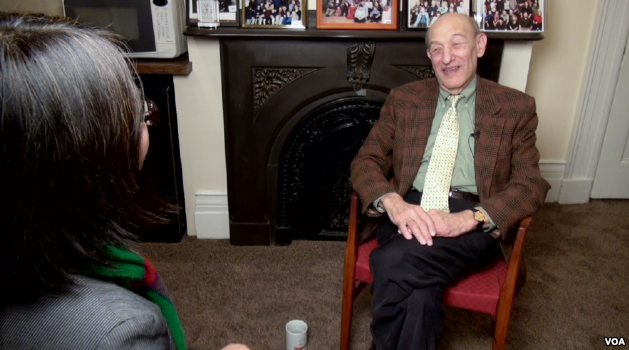
    Ezra Vogel interviewed by VOA reporter Li Ya at his home in Massachusetts in March 2015. Image credit: 美国之音, Public domain, via Wikimedia Commons

    Harvard Professor Ezra Vogel, a widely acknowledged expert and prolific writer on Japan and China, passed away in Cambridge, Massachusetts, on December 20, 2020. He was 90 years old.

    I got to know Professor Vogel in the 1980s when, on several extended visits, he resided in Guangzhou conducting research for what was to become One Step Ahead in China: Guangdong Under Reform (Harvard University Press, 1989). He was joined by his wife Charlotte Ikels, an accomplished anthropologist studying Chinese society.

    After attending the trade fairs in 1976-1979, I opened the first foreign office in Guangzhou in 1979 and worked out of a suite of rooms in the Dongfang Hotel. I later moved the office to the Garden Hotel. By 1988 I had visited nearly every prefecture in the province, meeting with factories and running agricultural chemical field trials. In this I was aided by my knowledge of Cantonese.

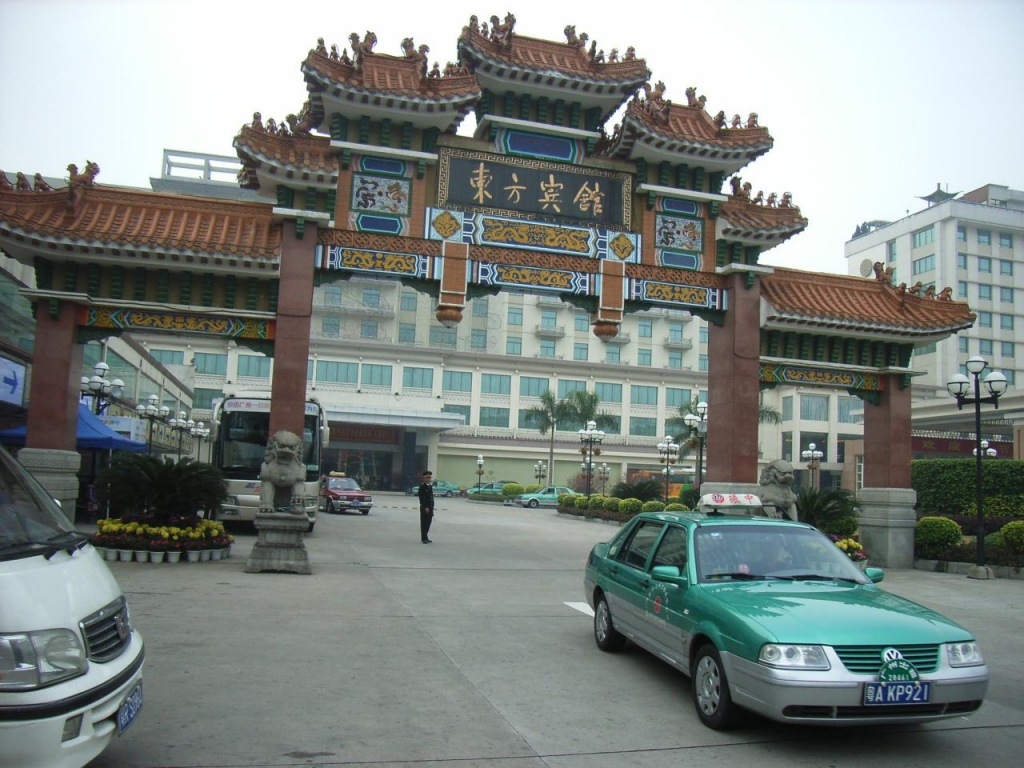
    The archway at the entrance of the Dongfang Hotel. Image credit: Wikiwand

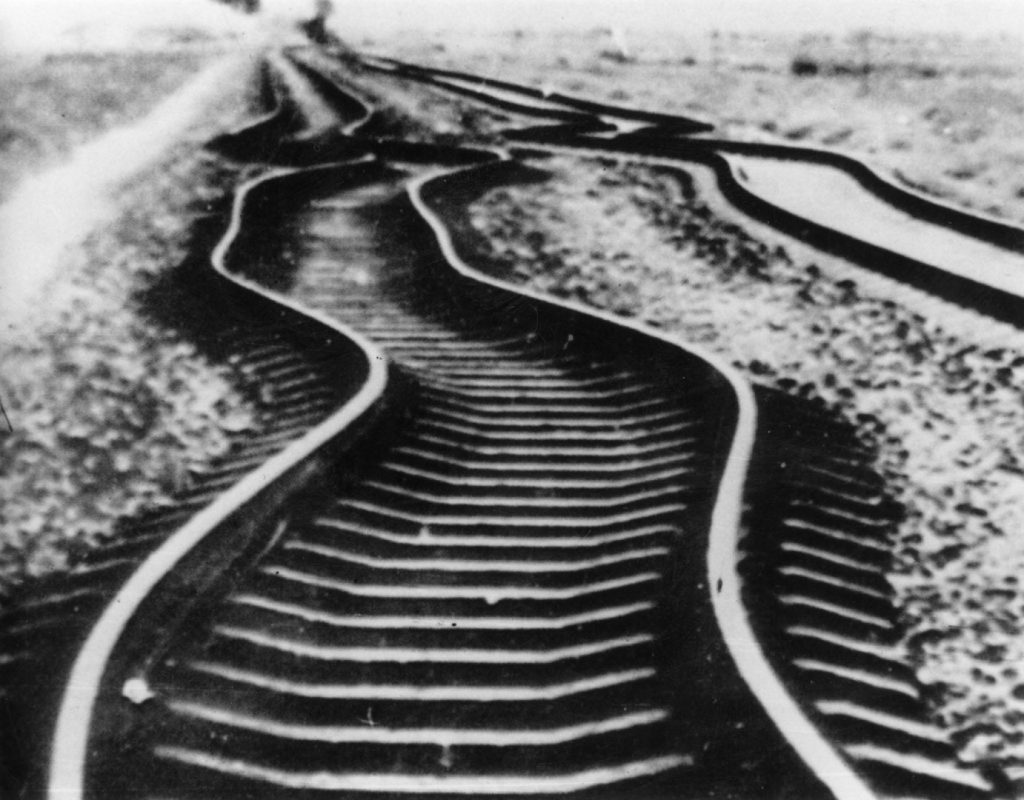
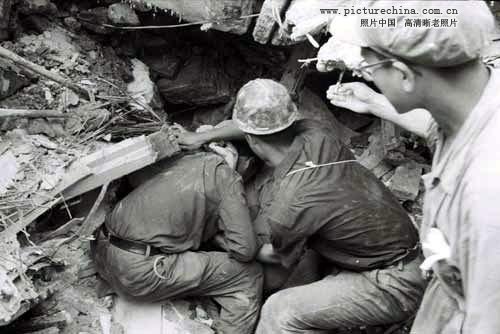
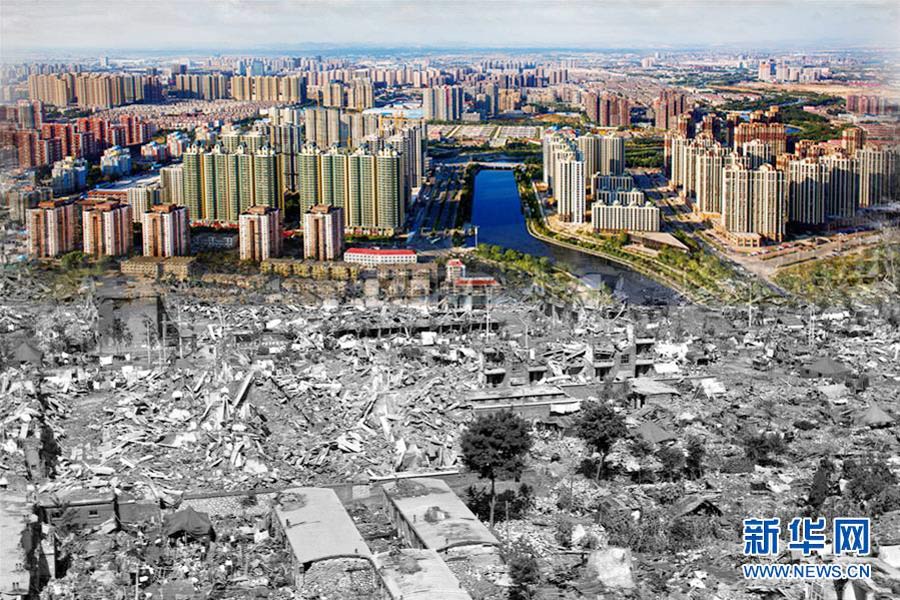
    As a long-time resident of the Dongfang, I managed to get my hands on a Hitachi air conditioner. China had purchased several hundred of these machines after the Tangshan earthquake in which a number of Hitachi engineers had perished. The air conditioners spent several months stacked in the heat and humidity of the Dongfang’s courtyard.

    Unfortunately, the hotel’s power system could not handle the increased load of multiple air conditioners blasting away, so only a few of the Hitachi air conditioners were ever installed.

    It didn’t take long for Ezra to hear about my air-conditioned suite, and he became a frequent visitor. He was staying at Zhongshan University south of the river. In the sweltering heat of the summer months, we would drink beer in the office and sometimes go out for walks to local restaurants and parks. We spent many hours in long conversations about how Guangdong had changed since I first visited the city in January 1976, just as the Cultural Revolution was beginning to wind down.

    Part of the Zhongshan University campus as it appears today. Image credit: Sohu.com

    Guangzhou underwent great changes in the aftermath of the reforms initiated in late 1978, changes that Ezra chronicled in One Step Ahead in China. I had been involved in early joint venture discussions and made some of the first sales to county foreign trade organizations. I willingly became a resource for Ezra. Eventually he asked me to write a chapter for the book, which I gladly did.

    While Guangdong was undergoing great economic changes, many of which I chronicled in my magazine Canton Companion, that was not the case with political change. Like all other Chinese provinces, Guangdong was under the firm control of the Chinese Communist Party.

    A couple of examples serve to illustrate the dichotomy between economic reform and the lack of political reform.

    In May 1982, democracy activist Wang Xizhe was sentenced to 14 years in prison for counterrevolutionary activities. Wang was a member of the Li Yizhe group that composed and put up a long essay on democratic and legal reform in 1974. The group was eventually imprisoned, but they were exonerated and released not long after the Gang of Four was overthrown in October 1976. While other members of Li Yizhe adopted relatively low-key lifestyles, Wang remained politically active. (He was released early in 1993 after my spirited intervention with China’s State Council.)

    While Wang’s trial was taking place, the China Hotel, China’s first foreign joint venture hotel, was being built adjacent to the Dongfang Hotel. This was the brainchild of Hong Kong businessman Gordon (now Sir Gordon) Wu. He was and remains a firm believer that economic change will eventually lead to political change. In addition to the China Hotel, he built the Shenzhen Guangzhou highway as well as the Shijiao power station in Guangdong. The latter venture significantly increased power supply in the Pearl River Delta.

    On our walks around the city, Ezra and I often came across announcements of executions. These announcements were written in black ink on large posters with a distinctive red check – indicating that the execution had taken place – on the bottom of the announcement. I referenced the wave of executions that followed the first Strike Hard Campaign in 1983-84 in my chapter, estimating that Guangdong accounted for 1,000 of the 10,000 executions in China in the autumn of 1983. I also devoted space to chronicling worker unrest in the special economic zones.

    By 1988 the manuscript – “With a contribution by John Kamm” – for One Step Ahead was ready for footnoting and editing. Unexpectedly, political unrest broke out in Beijing and other Chinese cities including Guangzhou. Many people were killed or wounded, and thousands were detained. To people like Ezra Vogel and me these events were shocking. My views of China changed, and I began to work on human rights.

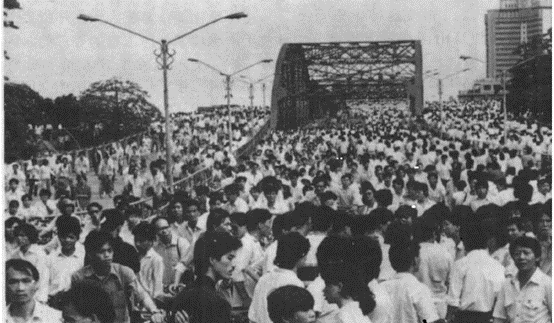
    Ezra was especially upset by the arrest of young students and teachers. Chen Pokong was a teacher at Zhongshan University while Ezra was in residence. He was also the honorary president and advisor to the Guangzhou Students Autonomous Federation, a group that distinguished itself by organizing blockades of bridges over the Pearl River during May and June 1989. He founded a political party and issued a manifesto calling for human rights and rule of law. Chen Pokong was sentenced to three years in prison for counterrevolutionary propaganda and incitement. Released after serving his full term, Chen returned to activism and was sentenced to a two-year term of re-education through labor in 1993.

    Protesters filling Guangzhou’s Haizhu Plaza on June 5, 1989. Image credit: Guangzhou Yearbook

    I took a special interest in the case of Yi Danxuan, a student leader who, like Chen Pokong, organized the blockade of the Pearl River Bridges, He was sentenced to three years for counterrevolutionary activities. Identified as a businessman, I announced his release one year early on August 13, 1991.

    A student activist who received the longest sentence – 10 years – for June 4-related activities was Chen Zhixiang, a teacher detained for writing anti-government slogans throughout the city. He was released four years early in November 1995.

    As the publication date of One Step Ahead neared, Ezra wondered whether to address the killings and arrests of the 1989 protest movement. I encouraged him to do so. Finally, he penned a preface to the book that was released in December 1989. The opening sentences reveal the strength of Ezra’s condemnation:

    “In June 1989 the massacre of students in Beijing’s Tiananmen Square stunned China and the rest of the world. It was not the first time that China’s rulers had ordered soldiers to slaughter unarmed civilians. . .The 1989 massacre was the first such atrocity played out under the vigilant eye of modern telecommunications, and it was thereby instantly and dramatically accessible to people everywhere. It marked the definitive end to an era in which the Chinese state could monopolize the flow of information in and out of China.”

    One Step Ahead was to play a role in another case that brought Ezra and me together. In the summer of 2000, Xu Zerong, a Hong Kong resident and Guangzhou professor, was arrested for trafficking in state secrets. Xu, aka David Tsui, had translated an early draft of One Step Ahead and had stayed in close contact with Professor Vogel. The Harvard professor asked me to intervene on Xu’s behalf and I did so, liberally using Vogel’s name in my pleas to Guangdong officials. Vogel was well-liked and influential in Guangdong Province. His interest in Xu Zerong’s fate played a role in the decision to release him two years early, in June 2011.

    In his many years in academia and government service, Ezra Vogel was seen as a mild-mannered, cautious man little interested in the struggles of the Chinese people for human rights and rule of law. That was not the Ezra Vogel I got to know. He worked behind the scenes on important causes like helping scholars disliked by Beijing secure visas. He was a long-time supporter of Dui Hua, and the source of much sage advice. He helped organize some of my speeches at Harvard. Ezra tried to bring the countries together, an increasingly difficult task in recent years. He will be deeply missed.

    Ezra Vogel at the National Library of China, Beijing, following his speech on his study of Chinese leader Deng Xiaoping in January 2013. Image credit: 用心阁 / CC BY 3.0

    Listen to the Encounters with China podcast.

    Subscribe to receive notifications about new episodes. 

    Read all John Kamm Remembers stories.


  • Dui Hua Digest, January 2021

    EVENTS

    The Year of the Malevolent Rat: A Post-Mortem

    Marine One carrying the president approaches for a landing on the South Lawn of the White House on January 12, 2021. Image credit: Tia Dufour / Official White House Photo

    While it would be tempting to throw out all calendars and forget that 2020 ever existed, we will unfortunately be feeling the reverberations of this cataclysmic year for some time to come. Today, President-elect Joe Biden was sworn in, and the Biden team’s approach to China can only be developed with last year’s events in mind. Books will inevitably be written about how 2020 witnessed a sharp, accelerating deterioration of US-China relations. In just about every sphere—trade, technology, national security, human rights—the United States and China clashed. The novel coronavirus, and each country’s approach to the new health threat, proved to be the match that lit the powder keg.

    A Moribund Trade Deal

    President Donald J. Trump and Chinese Vice Premier Liu He at the Phase One Trade Agreement signing ceremony on January 15, 2020. Image credit: Shealah Craighead / Official White House Photo

    Just a year ago few of us had heard of the coronavirus, and there was even reason to see a small light on the horizon of US-China relations. On January 15, 2020, President Trump’s “Phase One” trade agreement with China was signed, and the hopeful among us wondered if the United States and China would finally reach a detente after nearly two years of trade war. In the agreement, China pledged to purchase over $200 billion in US goods during the 2020-2022 period. “Our relationship with China has now probably never, ever been better,” Trump said in Davos, Switzerland, three days later.

    Novel Virus, New Tone

    A monitor showing Secretary of State Pompeo’s interview with CNBC’s Squawk Box on March 6, 2020. Image credit: Freddie Everett/State Department

    Any hopes of a warming of relations were quickly dashed as news of the spread of Covid-19 threw the world into chaos. By November 2020, China had spent only $82 billion in four key product groups—just 58 percent of its year-end target under the trade agreement. The pandemic slowed the entire world economy, and China recorded two percent GDP growth for the year, well behind its 2019 performance. However, it is obvious that the economy was not the only factor behind the trade deal’s failure.

    Just over two weeks after the trade agreement was signed, on January 31, Trump imposed restrictions on non-US citizens who had travelled to China in the previous two weeks, preventing them from entering the United States. This move, made in response to the spread of the coronavirus, didn’t ease the strain between the two nations. By May, President Trump’s tone towards China had become outright hostile: “China’s cover-up of the ‘Wuhan virus’ allowed the disease to spread all over the world,” he said in a Rose Garden speech, in which he also spoke negatively about China on trade, Hong Kong, espionage, and its activity in the Pacific Ocean.

    China-focused Legislation & International Policy

    The US Secretary of State participates in the Virtual East Asia Summit Ministerial, on September 9, 2020. Image credit: Freddie Everett / State Department

    Technology has been a particular bugbear for Trump, who wielded trade rules to target China in this key industry. In May, new rules specifically called out Huawei, preventing companies that use US-made semiconductor technology from shipping it to the Chinese company without special permission. Trump cited national security as the impetus for the rule, remarking that Huawei could use the technology for espionage. Towards the end of the year, the United States slapped another harsh restriction on SMIC, China’s chip giant, citing military ties as a concern.

    Perhaps the single most incendiary move on the part of the Trump administration towards China came in October, with a nearly $2 billion arms sale deal to Taiwan—a change from the previous US strategy of using a more nuanced touch with respect to the island’s place in the international order. Visits by high-level officials in the American administration were met with howls of outrage in Beijing.

    Sanctions & Human Rights

    During 2020, dozens of individuals and companies were sanctioned by the United States over a wide range of abuses. Much of the China-focused legislation responded to human rights abuses, with special attention on the situation in Xinjiang, where Uyghurs and other minority groups have been placed in so-called “vocational training centers” since at least 2017. Chen Quanguo, a member of the Politburo Central Committee, was among those sanctioned for policies in Xinjiang. In September, legislation passed the House that would ban imports from companies that use Uyghur forced labor. It ended the year stalled in the Senate. On January 13, 2021, the Trump administration announced a ban on all cotton and tomato products coming from Xinjiang.

    On January 19, the last full day of the Trump administration, the US Department of State officially determined that, at least since March 2017, China has committed genocide and crimes against humanity against the Uyghurs and other ethnic and religious minority groups in Xinjiang. This determination specifically referred to the mass internment, forced labor, and forced sterilization of the Uyghurs and other minority groups in Xinjiang.

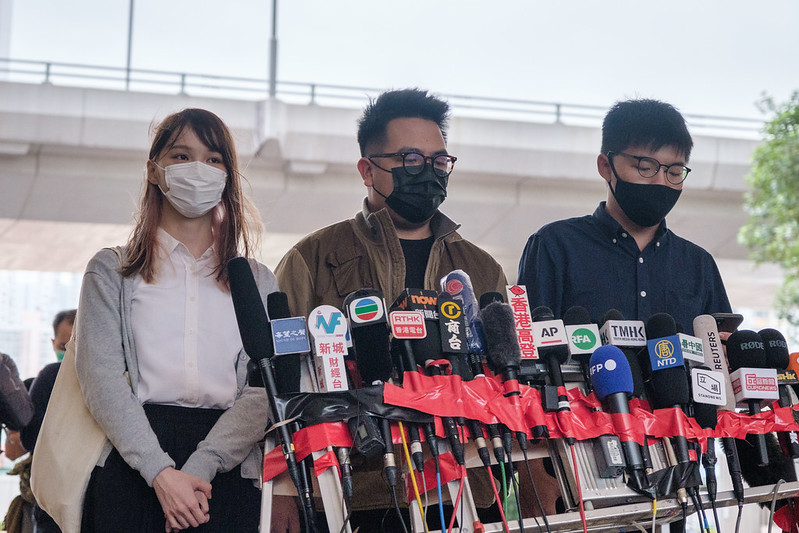
    Agnes Chow, Ivan Lam, and Joshua Wong speaking to media outlets on November 23, 2020. Image credit: Studio Incendo / CC BY 2.0

    By year’s end, a slew of US legislation had targeted China; in all, Dui Hua counted more than 300 bills and resolutions passed during 2020. Hong Kong drew special legislative attention from the United States, including sanctions on the top leadership of the National People’s Congress in August for imposing a national security law on Hong Kong the month before. A bill passed by the House in December granting special refugee status to Hong Kongers. International focus has also been on Tibet, and the December 27 pandemic relief bill included the Tibet Policy and Support Act, which threatens sanctions against CCP members involved in human rights abuses of Tibetans.

    Dui Hua’s Approach in 2020

    Since Dui Hua is able to approach human rights dialogue with China laterally as a non-government entity, the foundation has managed to stay above the fray when it comes to the harsh rhetoric and deteriorating relations between the two countries. 2020 highlighted the limitations of advocating for global human rights within the confines of the nation-state system: discord between nations in any sphere can bring human rights dialogue to a standstill. Throughout the year Dui Hua continued to cultivate all of its channels of communication with the Chinese government. By the end of 2020, Dui Hua had raised the names of over a hundred prisoners and received responses on nearly 40 individuals.

    Looking Ahead

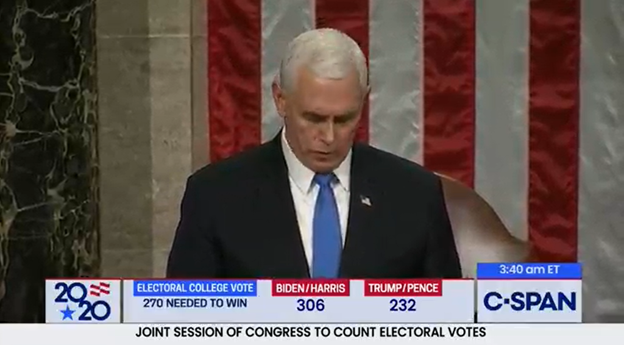
    The Joint Session of Congress following the confirmation of President Biden’s electoral college victory. Image credit: C-Span

    Just before the new year, China’s Foreign Minister Wang Yi offered a more hopeful tone: “China-US relations have come to a new crossroads, and a new window of hope is opening. We hope that the next US administration will return to a sensible approach, resume dialogue with China, restore normalcy to the bilateral relations and restart cooperation.”

    Only time will tell how much President-elect Biden’s policies will differ from Trump’s in key areas. Biden’s administrative picks, such as China-critic Katherine Tai for trade representative, signal that he is unlikely to immediately move away from some of Trump’s stances. However, the Biden administration’s rhetoric towards China will likely resume a more diplomatic tone and could well mark an easing in tensions between the two countries, creating an atmosphere in which more fruitful human rights dialogue can take place.


    EXCHANGES

    Exchanges is a feature that explores Dui Hua’s International Symposium on Girls in Conflict with the Law as well as other expert exchanges and dialogues.

    “Leave No Child Behind Bars”

    The International Symposium on Girls in Conflict with the Law began 2021 with two complementary webinars: “International Perspectives on Girls in Conflict with the Law” on January 14 and “Juvenile Incarceration: Alternatives” on January 15.

    (Clockwise from top left) Manfred Nowak; Dui Hua Development & Programs Officer Joshua Nederhood; Dui Hua Executive Director John Kamm, Nafula Wafula of the Commonwealth Youth Council; Meda Chesney-Lind of the University of Hawaii at Manoa. Image credit: The Dui Hua Foundation

    During “International Perspectives,” Meda Chesney-Lind of the University of Hawaii explored the trends that have defined girls’ delinquency and the problems within the justice system that lead to further exploitation. Manfred Nowak, Independent Expert on the UN Global Study on Children Deprived of Liberty, explained the key findings of his study, noting that even as research lacks key data, it is clear most nations are not doing enough to meet their obligations concerning the rights of the child. Nafula Wafula of the Commonwealth Youth Council took the audience through the experience of a girl caught stealing in Kenya, revealing how an under-resourced system shaped by the remnants of colonialism continues to isolate and stigmatize girl offenders.

    While the three presenters differed in focus—Chesney-Lind’s research was on the United States, Nowak’s study was based on 118 questionnaire replies from 92 countries, and Wafula’s presentation related to Kenya and neighboring Uganda and Tanzania—common cycles emerged across all three presentations. Perhaps most urgent is the lack of dedicated space for girl offenders throughout the world, mixing them with adult offenders, including men, in settings that make them more vulnerable.

    “Juvenile Incarceration: Alternatives” took an in-depth look at what rehabilitation actually requires. Superior Court judges Susan Breall and Roger Chan gave a joint presentation discussing the needs of girl offenders and new approaches to effect meaningful change. Dr. Zhang Hongwei of the Juvenile & Family Law Research Center at Jinan University, China, spoke on the issues facing girls in China as well as recent relevant reforms to China’s civil code. The panel was moderated by Judge Leonard Edwards.

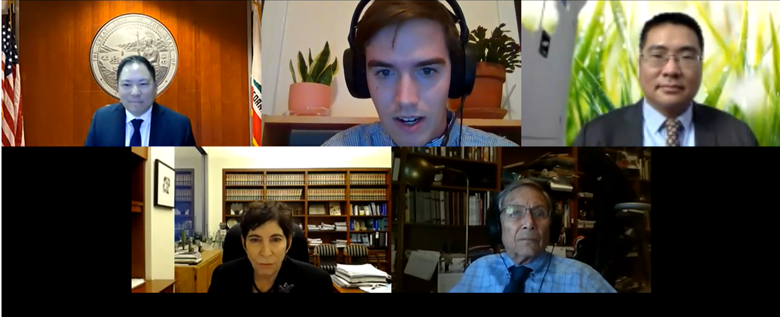
    (Clockwise from top left) Judge Roger Chan; Joshua Nederhood; Dr. Zhang Hongwei of Jinan University; Judge Leonard Edwards; Judge Susan Breall. Image credit: The Dui Hua Foundation

    Judges Breall and Chan drew on the fact that most girl detainees are dealing with varying levels of trauma, emphasizing the need to treat them as survivors rather than offenders. They argued for a survivor-centered approach rather than a trauma-based approach, calling for community-based solutions that focus on facilitating agency, honesty, and open communication. Dr. Zhang’s presentation detailed rates of juvenile crime in China and recent reforms to the civil code to improve family law. While noting the progress made, such as gender-sensitive approaches in law enforcement, he also identified areas where improvement is still needed.

    The International Symposium on Girls in Conflict with the Law is yielding valuable insights to improve juvenile justice systems throughout the world, and Dui Hua will be analyzing and sharing these throughout 2021. As Independent Expert Nowak offered, “Our main recommendation is: leave no child behind bars. There are always non‑custodial alternatives. And by that, give them back their childhood.”

    The next webinar, “Girls in Conflict with the Law in Hong Kong and Guangzhou,” is on Thursday, January 28 at 5 pm PST. Presenters include Eric Chui, professor in the Department of Social and Behavioural Sciences; Karen Joe Laidler, Director of the Centre for Criminology at the University of Hong; and Dr. Zhang Hongwei, professor at the Juvenile and Family Law Research Center at Jinan University, China. The panel is moderated by the University of Hong Kong’s Lindsay Ernst.

    Go here to learn more about these webinars, the panelists, and the Symposium.


    PUBLICATIONS ROUND UP

    Featured: Human Rights Journal, January 12, 2021: Tablighi Jamaat and Hui Muslims

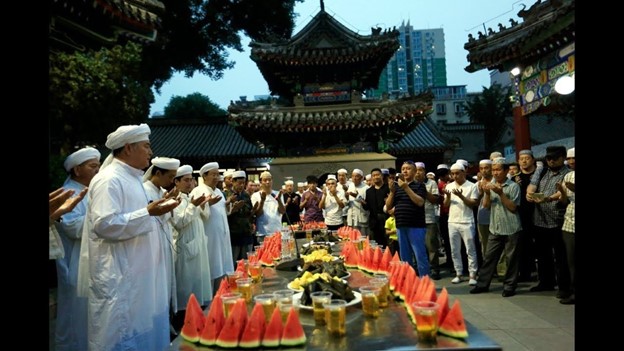
    Footage posted in 2015 shows Chinese Muslims, who appear to be members of Tablighi Jamaat (in white robes), holding a prayer in a Chinese-style mosque. The skullcapped worshippers to the right are believed to be Hui Muslims. Image credit: Umal Al-Dawa Youtube Account

    Literally translated as “society for spreading faith,” Tablighi Jamaat (TJ) is a transnational movement closely tied to the Deobandi interpretation of the Sunni Islamic teachings. It is often seen as an ultraorthodox sect, and some media outlets have erroneously reported that TJ calls on Muslims to travel the world to convert non-believers. Founded in India in 1926, TJ encourages all members to form small groups to proselytize both in- and outside of mosques.

    Read more here.


    JOHN KAMM REMEMBERS

    John Kamm Remembers is a feature that explores Kamm’s human rights advocacy prior to and since Dui Hua’s establishment in 1999.

    Guangzhou Days: Remembering Ezra Vogel

    Ezra Vogel interviewed by VOA reporter Li Ya at his home in Massachusetts in March 2015. Image credit: 美国之音, Public domain, via Wikimedia Commons

    Harvard Professor Ezra Vogel, a widely acknowledged expert and prolific writer on Japan and China, passed away in Cambridge, Massachusetts, on December 20, 2020. He was 90 years old.

    I got to know Professor Vogel in the 1980s when, on several extended visits, he resided in Guangzhou conducting research for what was to become One Step Ahead in China: Guangdong Under Reform (Harvard University Press, 1989). He was joined by his wife Charlotte Ikels, an accomplished anthropologist studying Chinese society.

    After attending the trade fairs in 1976-1979, I opened the first foreign office in Guangzhou in 1979 and worked out of a suite of rooms in the Dongfang Hotel. I later moved the office to the Garden Hotel. By 1988 I had visited nearly every prefecture in the province, meeting with factories and running agricultural chemical field trials. In this I was aided by my knowledge of Cantonese.

    The archway at the entrance of the Dongfang Hotel. Image credit: Wikiwand

    As a long-time resident of the Dongfang, I managed to get my hands on a Hitachi air conditioner. China had purchased several hundred of these machines after the Tangshan earthquake in which a number of Hitachi engineers had perished. The air conditioners spent several months stacked in the heat and humidity of the Dongfang’s courtyard.

    Unfortunately, the hotel’s power system could not handle the increased load of multiple air conditioners blasting away, so only a few of the Hitachi air conditioners were ever installed.

    It didn’t take long for Ezra to hear about my air-conditioned suite, and he became a frequent visitor. He was staying at Zhongshan University south of the river. In the sweltering heat of the summer months, we would drink beer in the office and sometimes go out for walks to local restaurants and parks. We spent many hours in long conversations about how Guangdong had changed since I first visited the city in January 1976, just as the Cultural Revolution was beginning to wind down.

    Part of the Zhongshan University campus as it appears today. Image credit: Sohu.com

    Guangzhou underwent great changes in the aftermath of the reforms initiated in late 1978, changes that Ezra chronicled in One Step Ahead in China. I had been involved in early joint venture discussions and made some of the first sales to county foreign trade organizations. I willingly became a resource for Ezra. Eventually he asked me to write a chapter for the book, which I gladly did.

    While Guangdong was undergoing great economic changes, many of which I chronicled in my magazine Canton Companion, that was not the case with political change. Like all other Chinese provinces, Guangdong was under the firm control of the Chinese Communist Party.

    A couple of examples serve to illustrate the dichotomy between economic reform and the lack of political reform.

    In May 1982, democracy activist Wang Xizhe was sentenced to 14 years in prison for counterrevolutionary activities. Wang was a member of the Li Yizhe group that composed and put up a long essay on democratic and legal reform in 1974. The group was eventually imprisoned, but they were exonerated and released not long after the Gang of Four was overthrown in October 1976. While other members of Li Yizhe adopted relatively low-key lifestyles, Wang remained politically active. (He was released early in 1993 after my spirited intervention with China’s State Council.)

    While Wang’s trial was taking place, the China Hotel, China’s first foreign joint venture hotel, was being built adjacent to the Dongfang Hotel. This was the brainchild of Hong Kong businessman Gordon (now Sir Gordon) Wu. He was and remains a firm believer that economic change will eventually lead to political change. In addition to the China Hotel, he built the Shenzhen Guangzhou highway as well as the Shijiao power station in Guangdong. The latter venture significantly increased power supply in the Pearl River Delta.

    On our walks around the city, Ezra and I often came across announcements of executions. These announcements were written in black ink on large posters with a distinctive red check – indicating that the execution had taken place – on the bottom of the announcement. I referenced the wave of executions that followed the first Strike Hard Campaign in 1983-84 in my chapter, estimating that Guangdong accounted for 1,000 of the 10,000 executions in China in the autumn of 1983. I also devoted space to chronicling worker unrest in the special economic zones.

    By 1988 the manuscript – “With a contribution by John Kamm” – for One Step Ahead was ready for footnoting and editing. Unexpectedly, political unrest broke out in Beijing and other Chinese cities including Guangzhou. Many people were killed or wounded, and thousands were detained. To people like Ezra Vogel and me these events were shocking. My views of China changed, and I began to work on human rights.

    Ezra was especially upset by the arrest of young students and teachers. Chen Pokong was a teacher at Zhongshan University while Ezra was in residence. He was also the honorary president and advisor to the Guangzhou Students Autonomous Federation, a group that distinguished itself by organizing blockades of bridges over the Pearl River during May and June 1989. He founded a political party and issued a manifesto calling for human rights and rule of law. Chen Pokong was sentenced to three years in prison for counterrevolutionary propaganda and incitement. Released after serving his full term, Chen returned to activism and was sentenced to a two-year term of re-education through labor in 1993.

    Protesters filling Guangzhou’s Haizhu Plaza on June 5, 1989. Image credit: Guangzhou Yearbook

    I took a special interest in the case of Yi Danxuan, a student leader who, like Chen Pokong, organized the blockade of the Pearl River Bridges, He was sentenced to three years for counterrevolutionary activities. Identified as a businessman, I announced his release one year early on August 13, 1991.

    A student activist who received the longest sentence – 10 years – for June 4-related activities was Chen Zhixiang, a teacher detained for writing anti-government slogans throughout the city. He was released four years early in November 1995.

    As the publication date of One Step Ahead neared, Ezra wondered whether to address the killings and arrests of the 1989 protest movement. I encouraged him to do so. Finally, he penned a preface to the book that was released in December 1989. The opening sentences reveal the strength of Ezra’s condemnation:

    “In June 1989 the massacre of students in Beijing’s Tiananmen Square stunned China and the rest of the world. It was not the first time that China’s rulers had ordered soldiers to slaughter unarmed civilians. . .The 1989 massacre was the first such atrocity played out under the vigilant eye of modern telecommunications, and it was thereby instantly and dramatically accessible to people everywhere. It marked the definitive end to an era in which the Chinese state could monopolize the flow of information in and out of China.”

    One Step Ahead was to play a role in another case that brought Ezra and me together. In the summer of 2000, Xu Zerong, a Hong Kong resident and Guangzhou professor, was arrested for trafficking in state secrets. Xu, aka David Tsui, had translated an early draft of One Step Ahead and had stayed in close contact with Professor Vogel. The Harvard professor asked me to intervene on Xu’s behalf and I did so, liberally using Vogel’s name in my pleas to Guangdong officials. Vogel was well-liked and influential in Guangdong Province. His interest in Xu Zerong’s fate played a role in the decision to release him two years early, in June 2011.

    In his many years in academia and government service, Ezra Vogel was seen as a mild-mannered, cautious man little interested in the struggles of the Chinese people for human rights and rule of law. That was not the Ezra Vogel I got to know. He worked behind the scenes on important causes like helping scholars disliked by Beijing secure visas. He was a long-time supporter of Dui Hua, and the source of much sage advice. He helped organize some of my speeches at Harvard. Ezra tried to bring the countries together, an increasingly difficult task in recent years. He will be deeply missed.

    Ezra Vogel at the National Library of China, Beijing, following his speech on his study of Chinese leader Deng Xiaoping in January 2013. Image credit: 用心阁 / CC BY 3.0
  • Tablighi Jamaat and Hui Muslims

    Tablighi Jamaat and Hui Muslims

    Footage posted in 2015 shows Chinese Muslims, who appear to be members of Tablighi Jamaat (in white robes), holding a prayer in a Chinese-style mosque. The skullcapped worshippers to the right are believed to be Hui Muslims. Image credit: Umal Al-Dawa Youtube Account
    Literally translated as “society for spreading faith,” Tablighi Jamaat (TJ) is a transnational movement closely tied to the Deobandi interpretation of the Sunni Islamic teachings. It is often seen as an ultraorthodox sect, and some media outlets have erroneously reported that TJ calls on Muslims to travel the world to convert non-believers. Founded in India in 1926, TJ encourages all members to form small groups to proselytize both in- and outside of mosques.

    TJ’s proselytizing method differs from the mainstream practice in that it is revivalist and insular. Rather than focus on non-Muslims, TJ adherents encourage other Muslims to adopt more orthodox lifestyles akin to those of Muhammad and the first Muslim adherents, and to focus proselytizing on current believers and Muslims of lapsed faith. Branding itself as a pietistic movement that eschews politics, TJ is active in over 150 countries, according to a study published in 2010 by Pew Research Center. TJ has an estimated 25 to 80 million participants around the globe, with the majority living in South Asia.

    Although TJ openly rejects violence as a means for evangelism, it is banned by Russia and a number of Middle East nations due to its suspected connections to militancy and terrorism. TJ, however, continues to operate legally in much of Europe. While a French intelligence official remarked that TJ provided “fertile ground for breeding terrorism,” other European anti-terrorism officials said there is insufficient proof to substantiate the claim. The United Kingdom has become a center of TJ activities with the arrival of South Asian immigrants since the 1960s. In the United States, officials have been unable to prove that TJ is a terrorist group although the then-assistant director of the FBI said in 2003 that “al-Qaida used them for recruiting.” Since the attacks of September 11, 2001, the United States has placed the 50,000 TJ participants in the country under close surveillance.

    The Chinese government sees TJ as a matter of serious concern and employs similar rhetoric to discredit the sect. That said, because of its diffuse nature and scarcity of public information, little is known about how TJ operates and the extent of its influence in China. Researching this subject is also difficult because varying transliterations are in use, including taibilike (台比力克), zhema’erti (哲麻尔体), zhemati (哲麻提), and chuzhemati (出哲麻提). In government sources, TJ is also called Da’wah Preaching Society (dawa xuanjiaotuan 达瓦宣教团). The name is occasionally shortened as Da’wah (达瓦), dawaer (达瓦尔), or dawa (达洼), all of which stem from an Arabic word used in the Quran to describe Allah’s call to proselytize. Some scholars have also said that in China and elsewhere, Da’wah refers to a range of educational and social welfare activities catering to Muslims in need.

    The participation of Hui Muslims in TJ has attracted some scholarly interest. Among the first English literature on this topic is “Hui Muslims: The Milieu of Radicalization and Extremism,” a chapter of Ethnic Identity and National Conflict in China, but it only mentions in passing that TJ increases the risk of radicalization among Hui. There are also a few Chinese-language studies about TJ, but none of them go beyond providing basic facts about its history, practices, and overseas activities.

    Alexander Stewart

    Anthropology scholar Alexander Stewart conducted an in-depth study on this little-known subject. His 2018 article titled “Tabligh Jama’at in China: Sacred self, worldly nation, transnational imaginary” focuses on Hui participation in TJ in Xining, Qinghai. Stewart pointed out the sensitivity of the subject matter, citing anecdotal remarks from a graduate student who was told by mainland professors to avoid touching on it. Stewart indicated that many TJ participants in Xining “wear the loose, white, South Asian-style clothing common to the movement…” Unlike TJ participants outside of China, they do not gather in exclusively dedicated mosques or institutes. They have distinctive ritualized behaviour and proselytizing methods: they lead study sessions and travel occasionally in groups of four to ten people to preach all over China. “Instead of violently opposing the Han-dominated atheist state like some extremists among Uyghur splittists in Xinjiang,” TJ stresses the unity of all Muslims, transcending the many Islamic sectarian divides. Another reason why TJ appeals to Hui is because the sect provides an escape for those dissatisfied with state-appointed imams who prioritize patriotism over religious orthodoxy.

    Stewart noted that the legal status of TJ in China is ambiguous. In his article, Stewart cites one criminal case which strongly suggests that TJ participants are at risk of imprisonment in Xinjiang. The case was concluded in Gulja County in September 2013 and involved a Hui farmer sentenced to two years’ imprisonment for “gathering a crowd to disturb social order.” The charge stemmed from his participation in TJ and illegally proselytizing in Xinjiang, Gansu, Ningxia, and Qinghai. In the judgment, the court designated Da’wah as an “overseas religious infiltration organization… unanimously boycotted by China’s traditional Islamic groups.”

    Dui Hua’s Research

    The Hui farmer case cited by Stewart was not an isolated instance. Politically driven accusations against TJ are dominant in official narratives. In 1999, Kashgar Yearbook recounted finding “reactionary propaganda” from hostile forces that included TJ. In that year, police broke up 11 secret TJ gatherings and confiscated about 2,000 copies of “reactionary” books, 80,000 copies of illegal religious publications, and thousands of reactionary and religious cassette tapes. Kashgar and other Xinjiang localities have also branded TJ as a source of “sabotage and infiltration” and religious extremism despite a lack of evidence to substantiate the claims. In Xinjiang, TJ is also categorized as one of the sanfei (三非, i.e. three illegal) cases, which include people who take part in illegal religious activities, produce illegal religious publications, and propagate illegal religion online.

    Government gazettes sometimes give piecemeal figures of police raids that hint at the extent of influence of TJ. In 2004, Kashgar police reportedly investigated 220 participants in the whole prefecture. In 2010, police outlawed five gatherings involving 76 people. The sources, however, did not state whether the TJ participants were Uyghurs, Hui, or members of other Muslim minorities.

    Dui Hua’s research into court judgments uncovered several criminal cases in connection to TJ, all of which involved Hui Muslims. None of them were accused of terrorism or convicted of terrorism-related crimes. Allegations against them all centered on “illegally proselyting” or “illegally teaching illegal Islamic classes.” For instance, Ma Decang (马德仓) was sentenced to six years’ imprisonment on December 12, 2014, in Turpan City, for the same offense of “gathering a crowd to disturb social order” because he was not authorized by the state to teach the Quran in mosques and his home. As a leader of a local TJ group, he received non-local TJ visitors in his home, where he held prayers and arranged proselytizing missions to Xinjiang, Gansu, Shaanxi, Ningxia, and Sichuan.

    Available sources also suggest that some TJ participants travelled abroad to preach. As recently as April 2020, news media reported that six Chinese nationals were among the 960 TJ members who were blacklisted and their tourist visas cancelled by India’s Union Home Ministry as the deepening coronavirus sparked border closures and strict lockdowns.

    In China, even making arrangements for TJ participants to travel overseas can be seen as a criminal act. On May 19, 2015, Jin Dehuai (金德怀) received an even lengthier seven years’ prison sentence in Xinjiang, again for “gathering a crowd to disturb social order.” The judgment stated that Jin arranged Bangladesh visas for other TJ participants. In 2013, Jin himself paid a 40-day visit to Bangladesh, where he met with other TJ participants from China. Additionally, Jin was accused of organizing multiple “jamaat’” gatherings and Islamic classes in his home in Changji Hui Autonomous Prefecture.

    Another reason for the severity of Jin’s sentence is that he reoffended. In 2009, Jin was sentenced to one year and six months for the same offense as he was found guilty of teaching the Quran to over two dozen Hui and Uyghur children aged three to 16. The religious classes Jin provided were said to have inflicted harm on the children’s health because they were confined in several small apartments that “restricted their free movement,” according to the judgment.

    From “reactionary” to “infiltration, extremism and terrorism,” the different accusations put forward by the Chinese government against TJ appear to suggest that local officials in Xinjiang do not share the same understanding on how to pursue the sect. There were also cases where TJ participants were instead charged with Article 300 of the Criminal Law “organizing/using a cult to undermine implementation of the law.” The application of this offense is unusual because TJ is not an officially recognized cult organization such as Falun Gong or Almighty God.

    Riyad as-Salihin Hadiths, once available for sale in online bookstores, was said to be an illegal religious publication in the case of Ma Sheng in 2013. The image was originally from www.kongfz.com but is no longer on the site.

    In one case concluded in October 2010, the Gulja County People’s Court sentenced seven Hui TJ participants to three-four years’ imprisonment for “cult.” One of them is Ma Sheng (马胜), who was similarly accused of conducting illegal religious classes. Available sources stated that he taught several banned books, including Islamic Six Virtues and Riyad as-Salihin Hadiths. Publications of the same titles are downloadable free of charge from various online file sharing services.

    Beyond Xinjiang

    The crackdown on Muslims that began with the Uyghurs in Xinjiang has spread to other regions. Dui Hua has also found criminal cases involving TJ participants in other provinces. Ningxia, home to a large concentration of Hui Muslims, is another center of Hui TJ participants. In 2014, public security in Litong District launched a district-wide crackdown on “cults”, breaking up five different Da’Wah gatherings and “dismissing” 48 participants. In 2015, Ningxia raided 48 instances of “Da’wah Work” involving 355 individuals throughout the province. In 2016, in Tongxin County alone, also in Ningxia, authorities reportedly stopped 125 Da’Wah participants from “illegally proselytizing.”

    An online judgment unearthed by Dui Hua indicated that a local court in Ningxia found Ma Zongcheng (马宗成) guilty of “gathering a crowd to disrupt a public place and traffic order” for taking part in TJ activities from 2009-2018 and gathering TJ members in his home from other parts of Ningxia, Gansu, and Henan. Ma was sentenced to two years’ imprisonment and was released on December 23, 2019.

    A document issued by the Hohhot Islamic Association in August 2019 asks all mosques to deny entry of Da’wah imams in order to comply with the state policy to Sinicize religion. Initially posted on QQ, a web portal developed by Chinese tech giant Tencent, the image has been deleted.

    How TJ is officially designated in China remains ambiguous—does it really share a propensity towards extremism and terrorism, or is it another a peaceful group banned in China because of its effort to preach and conduct classes outside the state system? Instead of violent or other terrorism-related crimes, TJ members of Hui descent were mostly convicted of public order offenses, or sometimes “cult,” for illegally proselytizing or conducting Islamic classes.

    Media attention to Hui Muslims began relatively recently around 2018 when authorities across China started demolishing mosques perceived to be “un-Chinese,” shuttered Arabic language schools, and launched “anti-halal” crackdowns which affected tens of thousands of Hui entrepreneurs and restaurant owners. However, the cases demonstrated in this post show that a portion of Hui Muslims, particularly participants of TJ, faced repression even before Chinese president Xi Jinping announced his plan to Sinicize religion. First mentioned at the Central United Front Work Conference in May 2015, Sinicization brought about major bureaucratic restructuring that put state organs in charge of religious affairs directly under the CCP’s United Front Work Department, with the primary objective to safeguard CCP’s power. At a Central Religious Work Conference in April 2016, Xi directed his Sinicization remark in part at Hui Muslims for their troubling extension of “Islamization” of Chinese society.

    Today, the clampdown on Islam has become more widespread, and some Hui Muslims are known to have been swept into re-education camps alongside Uyghurs. More research is needed to evaluate how Sinicization has accelerated the clampdown on Hui participants of TJ, whose beliefs, practices, and overseas connections are at odds with increasingly xenophobic body politic under Xi.

    In addition to Uyghurs and Hui, the Sinicization of Islam has taken aim at additional minority groups. In September 2020, reports of a crackdown on the Utsul Muslims, a population of around 10,000 living in Hainan, emerged. New restrictions ban traditional Islamic dress, including the hijab and a traditional long skirt worn by female practitioners, from schools in Utsul neighborhoods. The ban is allegedly part of a wider prohibition against any traditional ethnic garments in schools, even though it only affects the Utsuls. In addition to the ban on traditional dress, other measures to be implemented include increased surveillance of residents in Muslim neighborhoods, restrictions on the sizes of mosques, and the removal of Arabic script and architectural features from mosques and other buildings.

  • Dui Hua Digest, December 2020

    EVENTS

    Girls in Conflict with the Law: Online Symposium Focuses on Hidden Crisis

    A video of select moments from the introductory webinars of the International Symposium on Girls in Conflict with the Law.

    For the past few years, calls to reexamine the criminal justice system have reverberated throughout the world—from the anti-police brutality movement in the United States to the protests in Hong Kong. This has coincided with Dui Hua’s own initiative to examine the treatment of an often-overlooked group in the justice system: girls.

    Dui Hua launched the International Symposium on Girls in Conflict with the Law in October 2020. The culmination of three years of planning and coordination, the Symposium brings together more than two dozen experts from four continents with a range of perspectives on the factors that lead girls towards crime and incarceration. Yesterday, December 14, the Symposium completed its fourth event “Voices from Africa and the Middle East.” The Symposium will run through March 2021. 

    To develop the Symposium, Dui Hua partnered with Patricia Lee, the Managing Attorney of the Juvenile Unit of the San Francisco Public Defender’s Office; Penal Reform International (PRI); and the Centre for Criminology and the School of Law’s Centre for Comparative and Public Law, both at the University of Hong Kong. Participants include activists, lawyers, judges, academics, researchers, journalists, and juvenile justice reformers. By connecting experts from different regions and specialties to exchange best practices, the International Symposium on Girls in Conflict with the Law shines a spotlight on this issue and proposes recommendations to address a crisis hidden in plain sight.

    In the United States, girls are increasingly coming into conflict with the law. There has been a 45 percent increase in arrests of girls and a 40 percent increase in detentions according to Rights4Girls Staff Attorney Cherice Hopkins and Attorney & Youth Advocacy Coordinator Rebecca Burney, who presented these findings in a virtual event with the Justice Clearinghouse on October 6, 2020. Gendered violence, as well as the criminalization of victims’ responses, has created a pathway termed the Sexual Abuse to Prison Pipeline, which disproportionately affects girls of color. Childhood sexual abuse and family violence are key predictors of girls’ involvement in the system. In an attempt to cope with this trauma without adequate support, girls engage in behaviors that are becoming increasingly criminalized, such as truancy, substance abuse, and running away.


    A photo from Girls in Justice. © Richard Ross, www.juvenile-in-justice.com

    When viewed as statistical data this information is disturbing enough, but when seen in context as a girl’s personal experience, it is harrowing. Pictured above is B.B., age 17, in juvenile detention. She describes how she ended up there:

    There are no charges against me. I’m here because I am a material witness and I ran away a lot. There is a case against my pimp. He was my care worker when I was in a group home…They put me here when they went to my house and found no running water, no electricity. (p. 18)

    This photograph of B.B. and her story come from Girls In Justice, a documentary photography project by Richard Ross. Ross will present and discuss his work in a webinar on February 2.

    The Symposium launched with two introductory webinars on October 27 and November 10. During the first webinar, scheduled for audiences in North America and Europe, Kamm presented the rationale behind the Symposium and described how past Dui Hua expert exchanges led to this webinar series. Patricia Lee discussed the coming closure of San Francisco’s juvenile hall, the first such decision in the country, and plans to implement more diversion practices. Taghreed Jaber, PRI’s Regional Director for the Middle East and North Africa, spoke on issues affecting the region, including genital mutilation and the lack of access to schooling due to armed conflicts. The second introductory webinar on November 10, scheduled for audiences in Asia, featured Kamm and Lee as well as a presentation from Anna Wu, Honorary Professor on the Faculty of Law at the University of Hong Kong, who discussed the role and treatment of youth in the recent protests in Hong Kong.

    The third webinar, “Pathways into and out of Offending for Girls,” took place on November 18 and featured Dr. Gena Castro-Rodriguez and Dr. Elizabeth Cauffman. Dr. Castro-Rodriguez spoke about her work in the Victim Services Division of the San Francisco Public Defender’s Office. She discussed how violence creates a pathway into the system and how interventions can break this trauma cycle. Dr. Cauffman, Professor of Psychological Science, Education and Law at UC Irvine, discussed one of the largest studies of juvenile offenders, the Pathways to Desistance study, and the relational nature of girls’ pathways to offending. 

    “Voices from Africa and the Middle East,” the fourth webinar, took place on December 14. Taghreed Jaber, of Symposium partner PRI, spoke about the challenges that justice systems, including informal ones, present for girls in the Middle East and North Africa. She stressed the importance of gender-sensitive laws and the need for more female justice practitioners in the region. Children’s rights lawyer and professor Ann Skelton, who is also a member of the United Nations Committee on the Rights of the Child, discussed the unexpected effects of sexual offense legislation in South Africa on girls and addressed legal and cultural double standards affecting girls in South Africa and other African countries. Nafula Wafula, director of the Ushindi Empowerment Group, was scheduled to participate but had to cancel unexpectedly. Her presentation is currently being rescheduled.

    The International Symposium on Girls in Conflict with the Law is the sixth expert exchange facilitated by Dui Hua, the fifth of its exchanges to focus on juvenile justice, and the first to be conducted virtually. Following Dui Hua’s expert exchange in 2017, Kamm approached event participants from the Supreme People’s Court in China about collaborating on an exchange specifically addressing girls. The event shifted from an in-person symposium in Hong Kong in April 2020 to the virtual webinar series that runs through March 2021. Upcoming webinars will cover international perspectives, deeper looks at Hong Kong and Guangzhou, the treatment of indigenous girls in Canada, sexual violence in Scotland, alternatives to incarceration, sex trafficking, and the aforementioned webinar in which photographer Richard Ross will discuss his work documenting the lived experience of girls in the justice system—the people who must always be kept at the forefront when covering this crisis.


    The schedule for the International Symposium on Girls in Conflict with the Law. Image credit: Joy Henry/The Dui Hua Foundation

    PRISONER UPDATES

    The Chinese government has typically restricted news reporting on dissident trials, particularly trials of endangering state security. In late October 2020, reports from unofficial media sources emerged that a group of nine activists were sentenced for subversion in January 2020, three years after they were detained in what became known as the “Shenzhen Crackdown” in November 2016. Another activist was sentenced for inciting subversion.

    Spotty information only indicated that they discussed current affairs in the so-called “same-city dinner gatherings,” sometimes called tongcheng fanzui (同城饭醉) in Mandarin Chinese. These dinner gatherings are homonymous with fanzui, which means “committing a crime.” Participants believed that police have no legitimate reason to prohibit citizens living in the same city from going to a restaurant to eat and drink together. 

    Four of the participants remain imprisoned. Among them, Deng Hongcheng (邓洪成) is currently serving his 12-year imprisonment for subversion until February 2029.


    NameCrimeSentenceStatus
    Deng Hongcheng
    邓洪成
    Subversion12 yearsIn prison until February 2029
    Wang Wei
    王威
    5 years 6 monthsIn prison until May 2022
    Wang Jianhua
    王建华
    4 years 6 monthsIn prison until May 2021
    Li Jiangpeng
    李江鹏
    4 years 6 monthsIn prison until May 2021
    Ding Yan
    丁岩
    3 years 6 monthsReleased in July 2020
    Liu Zhuohua
    刘卓华
    3 years 6 monthsReleased in October 2020
    Li Nanhai
    李南海
    3 yearsReleased in February 2020
    Xiao Bing
    肖兵
    3 yearsReleased in February 2020
    Wang Jun
    王军
    3 yearsReleased in February 2020
    Ma Zhiquan
    马志权
    Inciting subversion3 years 6 monthsReleased in July 2020

    Source: The Dui Hua Foundation


    PUBLICATIONS ROUND UP

    Featured: Human Rights Journal, December 3, 2020: Supreme People’s Court Makes Two Announcements About Online Court Database

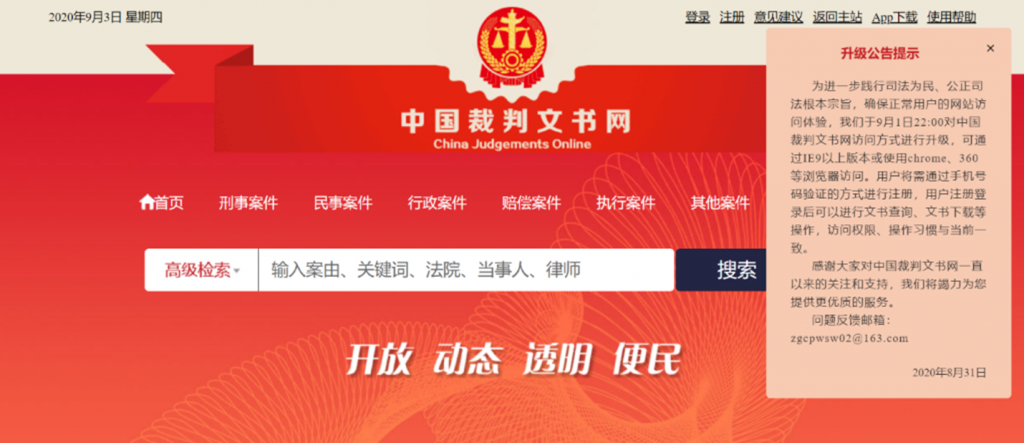
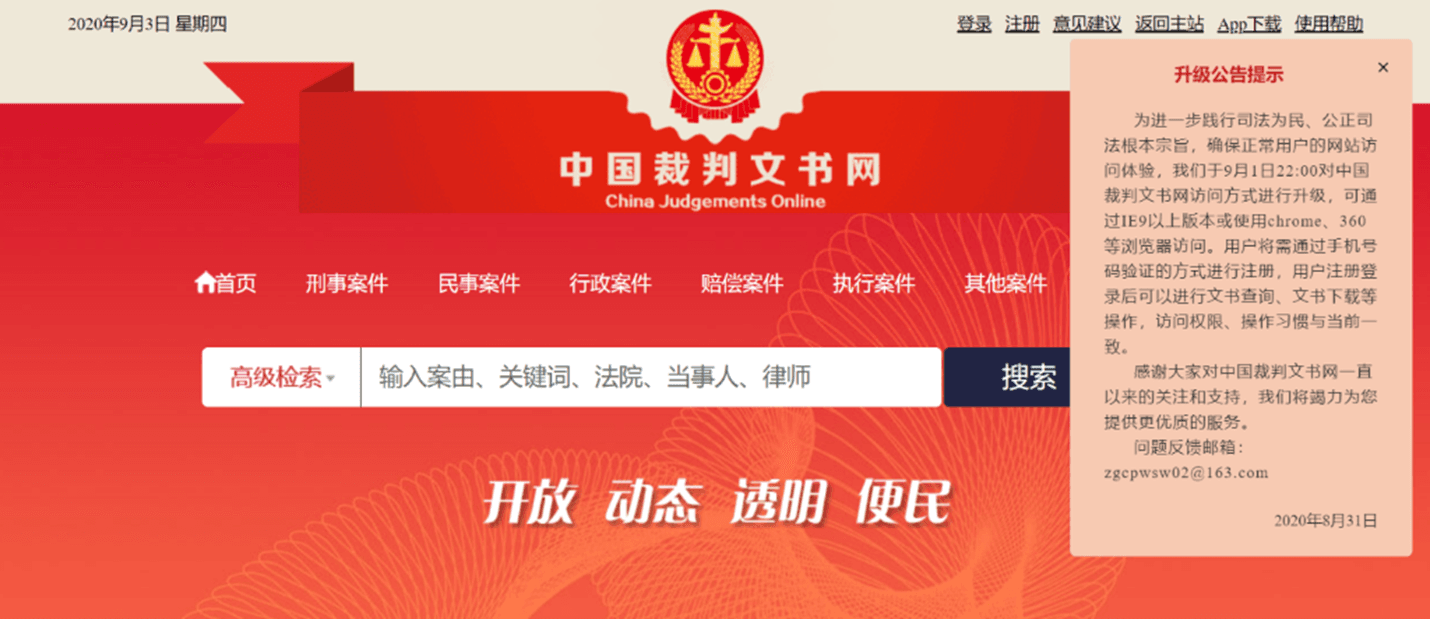
    A screenshot of the China Judgements Online site’s announcement requiring users to register a mobile phone number. The announcement was put up on August 31, 2020, one day before the change took place.

    In September 2020, China’s Supreme People’s Court (SPC) announced two developments concerning China Judgements Online, the country’s national public internet court case database. First, the Court announced that the database has grown to contain over 100 million judgements—a staggering figure. Second, since September 1, database users have been required to register using a mobile phone number in order to search the website—a chilling restriction. Do these two developments mean anything for the future of judicial transparency in China? On both counts, the answer is yes, but not for the obvious reasons. The growth of the database may be positive, but more cases do not necessarily signal more judicial openness; meanwhile, the registration requirement may be bad, but more access requirements don’t necessarily signal more legal repression.

    Read more here.

    See Also: Press Statement: American Citizen Mark Swidan: Eight Years in Jiangmen Detention Center

    Press Statement: Dui Hua Welcomes Jeff Muir to its Board of Directors


    DUI HUA IN THE NEWS

    Dui Hua’s work attracted positive media coverage in 2020, despite the fact that most of the world’s attention was fixed on the spread of the COVID-19 pandemic. News organizations and academics around the world highlighted Dui Hua’s work and cited its research in 56 original publications in 2020, which were syndicated a further 64 times. There were several tributes to Takna Jigme Sangpo, who passed away this October 18 years after Dui Hua worked to secure his release, and extensive coverage of current detainee Mark Swidan. Dui Hua’s statistics on the death penalty in China and at-risk detainees were cited in at least a dozen academic articles, three books, and reports from the US government and several think tanks/NGOs. Just this week, a CNN article quoted former detainee Jeff Harper’s girlfriend saying, “[John Kamm] had all the information, he was able to help me be at ease.”


    JOHN KAMM REMEMBERS

    John Kamm Remembers is a feature that explores Kamm’s human rights advocacy prior to and since Dui Hua’s establishment in 1999.

    North China Earthquake: July 1976, Part II

    Railway lines bent by the Tangshan earthquake. Image credit: Ge Changqiu, China Foto Press/scmp.com

    Read Part I here.

    The Quake Strikes

    In the early morning hours of July 28, 1976, I lay awake in my room on the 14th floor of the Peking Hotel. It was a hot, humid evening, and the windows were open an inch or so for fresh air. I was unable to sleep, worried about what I would say when asked to give a report on the chemicals market in the United States after I arrived in Tianjin.

    Suddenly, at 3:42 AM, my bed began to heave violently up and down. This lasted around 20 seconds. Then, the swaying, like a pendulum, began, east to west. The windows flew open as much as they could, the ceiling cracked, and the bed slid across the room, first in one direction, then in the other. On each swing of the pendulum, the hotel, by now creaking and moaning, tilted more and more to the point that I thought the next would be the building’s last. But when it reached the apogee, the pendulum paused and gradually settled down, stroke by stroke, until the building came to rest. The violent shaking and swinging together lasted around 80 seconds.

    The quake had hit Tangshan, a city 68 miles east of Beijing. It was rated a magnitude 7.5 quake (some estimates are higher) and it caused massive damage to large parts of Hebei Province, Tianjin, and Beijing. The official death toll was put at 242,000 people, though several estimates are much higher, making it one of the greatest natural disasters in history. Thousands of miners were entombed in the underground coal mines around Tangshan, China’s principal source of energy.

    I jumped out of bed and threw on my clothes, but I couldn’t find my shoes. I went to the window and looked out over the neighborhoods, made up of a maze of hutong, to the north of the hotel. Children were crying, dogs were barking. On the horizon I made out explosions that I later found out were collapsing power stations. There was an eerie green hue to the early morning sky. I feared, for an instant, that the Soviets had carried out an attack on Beijing.

    I decided not to look for my shoes any longer. I exited my room to pandemonium in the hall. Staff attendants were directing people to take the stairs down to the ground floor. People were nervous and excited, and some were nauseous, others expectorating after clearing their throats. It wasn’t long before my feet were filthy with spittle and dirt.

    Rescuers dig through the rubble after the earthquake. Image credit: China.org.cn

    We poured out onto Chang’an Dajie, Beijing’s main street. The city was coming to life. Trucks full of watermelons were barreling down the streets. Residents of nearby hutong began building makeshift street-side structures from pipes, plastic sheets, mats, and tarpaulin. These elaborate structures were to stay in place for more than a year.

    Determined to wash my feet, I went back into the hotel. The lobby was cloaked in dust, and staff attendants were inspecting damage with flashlights. No one stopped me, so I took the still operating elevator back to my room on the 14th floor and immediately turned on the tap. Water! I washed myself the best I could and then lay down on my bed where I fell into a deep sleep.

    Shortly after 7 AM, I was awakened by the phone. It was Guo Simian. “Mr. Kamm,” he said. “Last night there was an earthquake.”

    “I know, Mr. Guo.” He told me to come down to the lobby.

    As soon as I saw him, I asked him if there had been damage and casualties. He replied, “No, nothing serious. A few damaged buildings. You can take a train to Tianjin later today.” After his reassurances, he disappeared.

    An officer of the Liaison Office stopped by to check on us, I asked him to call my wife in Hong Kong, letting her know I was okay. Not long after this call, my mother, who was in Hawaii, called Irene’s brother who let her know I was safe.

    The Party Speaks

    Mr. Guo returned in the late afternoon. He called his charges together and announced that the Standing Committee of the Political Bureau of the Communist Party of China had met and determined that there had in fact been an earthquake earlier that day. Foreigners should leave Beijing as soon as possible. If assistance was required, the relevant departments would do what they could to provide it.

    I told Guo that I would stay until I was sure that Ambassador Phillips was safely evacuated. We agreed to go to the Number One Infectious Disease Hospital the next morning.

    We found Phillips in a tent on the hospital grounds. The tent was stifling hot, but he was stoic, nary a complaint. Sharing the tent were three Laotian soldiers who had been bombed by US forces and who were being treated for hepatitis. The daughter of the Tanzanian ambassador was also housed in the tent. While we were there, trucks with casualties from Tangshan began to arrive.

    Rescue workers dig through a building in ruins. Image credit: Wang Wenlan/China Daily

    Returning to the hotel, I went to the restaurant for lunch. Suddenly an aftershock rattled the windows, making them look like flowing water. I later learned that this aftershock was measured as 7.1 on the Richter scale. I decided to sleep on the ground floor, accompanied by three CCPIT officials. I returned to my room for the next two nights.

    On July 29, I ventured out of the hotel to survey the damage. The building with the most damage was the department store I had just visited. The southeast corner of the building had crumbled, and bricks were strewn everywhere.

    Mandate of Heaven

    The foreign missions organized evacuation flights, and Ambassador Phillips departed on one that left on July 30. I decided to take a flight to Guangzhou on July 31, thence by train to Hong Kong. On checking out, I was told that there were only 50 foreign guests left in the hotel, down from 300 on July 28.

    On the CAAC flight to Guangzhou I was seated next to a survivor of the quake, a Frenchman who had been in Tangshan on a friendship tour. His wife had been killed. When he went to use the washroom, the Chinese official accompanying him insisted that the man’s hair had turned white as a result of what he had experienced.

    On April 4, 2018, a person visits a memorial wall in remembrance of victims in the 1976 Tangshan earthquake. Image credit: Dong Jun/Xinhua

    Upon arrival in Guangzhou, I went to the Dong Fang Hotel, where I had stayed at the trade fairs, and took a room. The previous four days had taken a toll on my mental state. I had grown accustomed to uncertainty, to not knowing if the ground beneath me was solid. Gradually, the tension eased, leaving me with a splitting migraine headache.

    The next morning, I took the train down to Lo Wu, where I crossed the wooden railway bridge and entered Hong Kong. I boarded the Kowloon-Canton Railway where I was met by a gaggle of local journalists eager to hear what I had experienced. I was featured on the evening news and wrote an op-ed for the Ta Kung Pao, a local left-wing newspaper. The op-ed compared the earthquake to the death of Premier Zhou Enlai. I later learned that the leftist leadership in Shanghai was greatly angered by what I had written. They refused to let it run in the local edition of Reference News.

    I also gave an interview to the Washington Post’s Jay Matthews. The story ran in the paper on August 2, 1976.

    Six weeks after the earthquake, Mao Zedong died, and four weeks later Hua Guofeng, the Communist Party’s new chairman, carried out the arrest of the “Gang of Four,” one of whose members was Zhang Chunqiao, the man Tom Gates had warned us about. In traditional Chinese belief, natural disasters presage the end of an emperor’s reign. Thus, in the eyes of many Chinese, the North China Earthquake of July 28, 1976 was a sign that Emperor Mao was losing the Mandate of Heaven.


  • Dui Hua Welcomes Jeff Muir to its Board of Directors

    SAN FRANCISCO (December 8, 2020) — Following a unanimous vote of the foundation’s directors, Jeffrey S. Muir has joined the Dui Hua Board of Directors, bringing the number of current directors to seven.

    Jeff Muir lived in Hong Kong from 1975-2013. He was Chairman of the American Chamber of Commerce in Hong Kong in 1998. He has served since 2005 as the CEO of the EMB Citrus Company (Hong Kong) Ltd., with wholly-owned agricultural and orange juice processing operations in Chongqing, China. EMB Citrus is recognized as a pioneer in the development of a modern citrus industry in the region. Jeff has been a long-time supporter of Dui Hua.

    Jeff is known as a keen observer of developments in China. He has authored articles on the country and has spoken at numerous conferences on the economy and politics of the country. He currently resides in Philadelphia.
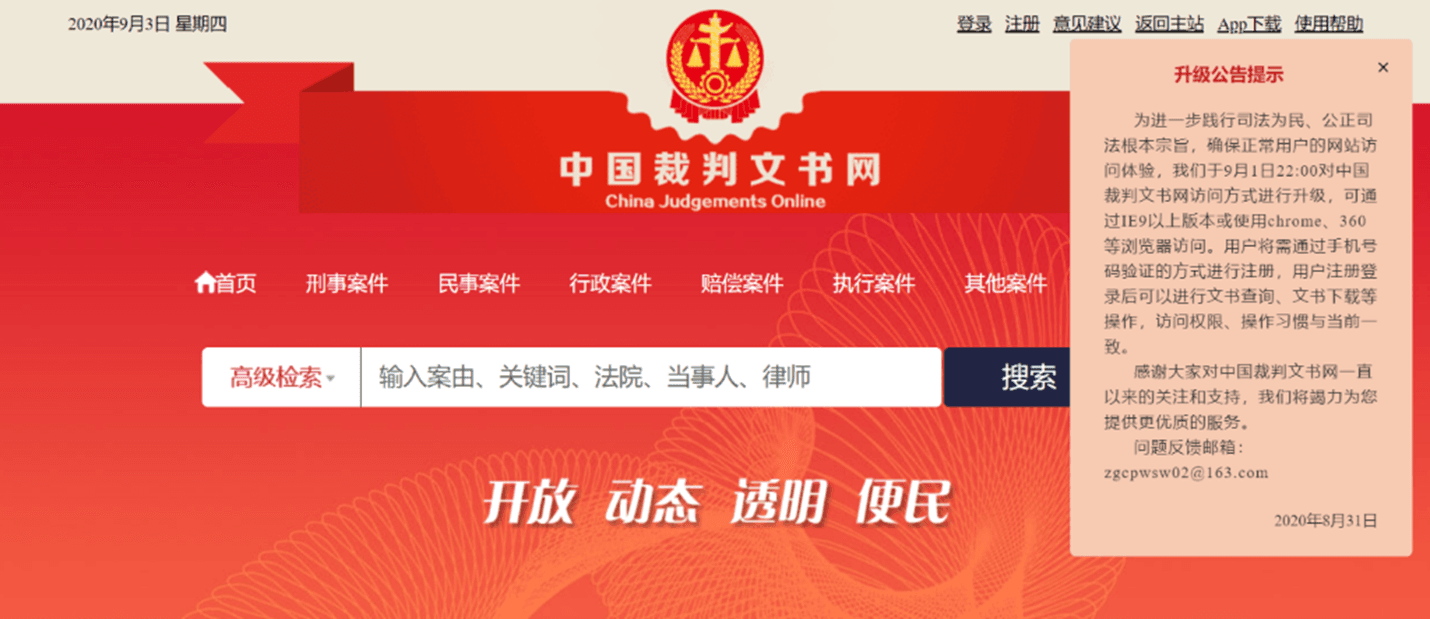
    “I am delighted that Jeff Muir has accepted our invitation to join the foundation’s board of directors,” said Executive Director John Kamm. “He brings to Dui Hua a wealth of experience from decades of living and working in China, and is a welcome addition to the foundation’s leadership.”

    In welcoming the appointment, Jeff said: “I have long admired Dui Hua’s commitment to maintaining a mutually respectful dialogue with China as the most effective means to promote human rights reform. I am honored and excited to join the foundation’s board of directors.”

    For questions, please contact Dui Hua at duihua [at] duihua [dot] org.


  • Supreme People’s Court Makes Two Announcements About Online Court Database

    Supreme People’s Court Makes Two Announcements About Online Court Database

    A screenshot of the China Judgements Online site’s announcement requiring users to register a mobile phone number. The announcement was put up on August 31, 2020, one day before the change took place.

    In September 2020, China’s Supreme People’s Court (SPC) announced two developments concerning China Judgements Online, the country’s national public internet court case database. First, the Court announced that the database has grown to contain over 100 million judgements—a staggering figure. Second, since September 1, database users have been required to register using a mobile phone number in order to search the website—a chilling restriction. Do these two developments mean anything for the future of judicial transparency in China? On both counts, the answer is yes, but not for the obvious reasons. The growth of the database may be positive, but more cases do not necessarily signal more judicial openness; meanwhile, the registration requirement may be bad, but more access requirements don’t necessarily signal more legal repression.

    China’s Judicial Transparency Initiative and Case Databases 

    The SPC launched China Judgements Online in 2013 as part of a commitment to increasing judicial transparency. The database is reportedly the largest of its kind in the world, and it continues to grow at a rapid pace. The database has been one of the most important court developments in China in half a century; it is a boon for lawyers and researchers, as well as ordinary citizens who want to know what the courts are doing.

    But despite the database’s promise, those who want to use it face two major roadblocks. The first impediment is about interface: the search functions on the website are not very good. Cases are often inaccurately tagged and do not always come up in searches, even when they are available on the website. The second impediment is about content: many cases are not available on the database. In principle, all court judgements are supposed to be posted online, but some categories of cases—notably those deemed state secrets and those that might endanger social stability—are excepted from this requirement. Unfortunately, courts are not transparent about which cases are not posted. The subversion trials of human rights lawyers such as  Zhou Shifeng (周世锋), Li Heping (李和平), and Wang Quanzhang (王全璋) have garnered substantial media attention even within mainland China, but their judgments are not available on China Judgements Online.

    Worse still, cases sometimes are removed from China Judgements Online without notice, or cease to show up in searches, even when they are still available. This means that China Judgements Online queries alone are not a reliable way to identify published cases. Finally, the contents of cases are not always disclosed, making their inclusion on the site largely uninformative. This tends to be particularly true of cases of endangering state security involving ethnic minorities in restive regions. In one example, Dui Hua found that nine Tibetans had been sentenced for inciting splittism in Ganzi, Sichuan, but the site included no information beyond their names, the charges of conviction, and the dates of the judgement.

    Because of these shortcomings in the official China Judgements Online database, a brisk secondary market in online case databases has taken hold in China. Secondary databases include open access, such as Jufaanli, and paid databases such as LawXP and Legal Miner. Secondary databases exist in a legal grey zone. SPC guidelines prohibit duplication of the website, but the popularity of alternative databases has only grown in recent years, and the court has not seriously moved to eliminate them. That may be because the secondary databases are so useful. Not only do alternative databases offer better user interface and analytical tools, but they may also contain judgements that are not available on China Judgements Online, including cases that may have been taken down or cases from local courts that were not uploaded to the national database. For example, the case of Ismaili Rozi has never been posted on China Judgements Online but is available on an alternative site. Rozi is the first known case of educational placement, a measure imposed on prisoners who are considered “a danger to society” even after they have completed their sentences for terrorism or extremism offenses.

    While these secondary databases provide benefits over the official Court website, they also make the user problems with the official database worse. Many users—including researchers at Dui Hua—have noted that response times on China Judgements Online queries have slowed to a crawl in recent years. This is reportedly due in large part to the increased traffic from secondary databases, which use programs to search and scrape cases from the public portal. The use of bots to harvest case data helps explain why China Daily reports that China Judgements Online has had nearly 48 billion visits (it seems unlikely that these are human visits, as this would amount to the equivalent of dozens of site visits from every person on the planet).

    Registering for China Judgements Online 

    This brings us to the announcement that as of September 1, 2020, users who wish to query the database must first register using a mobile phone number. The registration is apparently an effort to ensure that site users are humans, rather than web crawling bots that slow down database queries. If this is indeed the court’s rationale, this is a commendable attempt to improve the experience for individual database users. Even so, requiring registration to search public cases raises fears of surveillance and may deter citizens from using the database.

    There are many reasons people may be hesitant to register for the site. For some users, the registration requirement may raise worries that the SPC is tracking their individual case search histories. This could be a particular concern for people who search, for example, administrative lawsuits against local governments in order to bring a similar action themselves. Registration may also deter scholars who study sensitive types of cases such as political prosecutions, capital sentences, or cases from areas such as Xinjiang, Tibet, or other minority autonomous regions. These scholars may worry that if authorities track their searches, the judgements they find will be taken offline in response.

    Dui Hua regularly uses China Judgements Online for case research, and the foundation was able to successfully register after several attempts and gain access to the site after the new requirement went into effect. The change did seem to bring desired improvements for site stability and performance. However, a faster site alone will not reduce the draw of secondary case databases. Long-standing aforementioned issues still remain. Dui Hua regularly uncovers published cases posted on alternative databases that do not appear in queries on China Judgements Online. Until the SPC can guarantee that all public cases are accessible on its own website (and not removed without notice), people will still flock to alternative databases to seek information. However, to comply with China’s internet use regulations, many alternative sites have already implemented user registration requiring a China mobile number or a WeChat account, which greatly impeded access from overseas.

    Along the same lines, the rapid growth of China Judgements Online is a laudable feat. The number of posted judgements, 100 million online, is incredible. But transparency is not just about volume, it is also about completeness. As Dui Hua indicated in its assessment to the United Nations in preparation for China’s 2018 Universal Periodic Review, the country’s record on this matter is mixed. The sensitive cases are always the minority, but in a rule of law system, a handful of cases could also be the ones that count most. The public needs some information about all cases, even the controversial ones. Where there are legitimate reasons for withholding the publication of a judgement, the existence of the case and the reason for the restriction should still be made public in every instance. Otherwise, although China Judgements Online may provide us with more and more cases, it will not tell us anything more about what we actually need to know.

  • Supreme People’s Court Makes Two Announcements About Online Court Database

    Supreme People’s Court Makes Two Announcements About Online Court Database

    A screenshot of the China Judgements Online site’s announcement requiring users to register a mobile phone number. The announcement was put up on August 31, 2020, one day before the change took place. 

    In September 2020, China’s Supreme People’s Court (SPC) announced two developments concerning China Judgements Online, the country’s national public internet court case database. First, the Court announced that the database has grown to contain over 100 million judgements—a staggering figure. Second, since September 1, database users have been required to register using a mobile phone number in order to search the website—a chilling restriction. Do these two developments mean anything for the future of judicial transparency in China? On both counts, the answer is yes, but not for the obvious reasons. The growth of the database may be positive, but more cases do not necessarily signal more judicial openness; meanwhile, the registration requirement may be bad, but more access requirements don’t necessarily signal more legal repression.  

    China’s Judicial Transparency Initiative and Case Databases 

    The SPC launched China Judgements Online in 2013 as part of a commitment to increasing judicial transparency. The database is reportedly the largest of its kind in the world, and it continues to grow at a rapid pace. The database has been one of the most important court developments in China in half a century; it is a boon for lawyers and researchers, as well as ordinary citizens who want to know what the courts are doing.  

    But despite the database’s promise, those who want to use it face two major roadblocks. The first impediment is about interface: the search functions on the website are not very good. Cases are often inaccurately tagged and do not always come up in searches, even when they are available on the website. The second impediment is about content: many cases are not available on the database. In principle, all court judgements are supposed to be posted online, but some categories of cases—notably those deemed state secrets and those that might endanger social stability—are excepted from this requirement. Unfortunately, courts are not transparent about which cases are not posted. The subversion trials of human rights lawyers such as  Zhou Shifeng (周世锋), Li Heping (李和平), and Wang Quanzhang (王全璋) have garnered substantial media attention even within mainland China, but their judgments are not available on China Judgements Online. 

    Worse still, cases sometimes are removed from China Judgements Online without notice, or cease to show up in searches, even when they are still available. This means that China Judgements Online queries alone are not a reliable way to identify published cases. Finally, the contents of cases are not always disclosed, making their inclusion on the site largely uninformative. This tends to be particularly true of cases of endangering state security involving ethnic minorities in restive regions. In one example, Dui Hua found that nine Tibetans had been sentenced for inciting splittism in Ganzi, Sichuan, but the site included no information beyond their names, the charges of conviction, and the dates of the judgement.  

    Because of these shortcomings in the official China Judgements Online database, a brisk secondary market in online case databases has taken hold in China. Secondary databases include open access, such as Jufaanli, and paid databases such as LawXP and Legal Miner. Secondary databases exist in a legal grey zone. SPC guidelines prohibit duplication of the website, but the popularity of alternative databases has only grown in recent years, and the court has not seriously moved to eliminate them. That may be because the secondary databases are so useful. Not only do alternative databases offer better user interface and analytical tools, but they may also contain judgements that are not available on China Judgements Online, including cases that may have been taken down or cases from local courts that were not uploaded to the national database. For example, the case of Ismaili Rozi has never been posted on China Judgements Online but is available on an alternative site. Rozi is the first known case of educational placement, a measure imposed on prisoners who are considered “a danger to society” even after they have completed their sentences for terrorism or extremism offenses. 

    While these secondary databases provide benefits over the official Court website, they also make the user problems with the official database worse. Many users—including researchers at Dui Hua—have noted that response times on China Judgements Online queries have slowed to a crawl in recent years. This is reportedly due in large part to the increased traffic from secondary databases, which use programs to search and scrape cases from the public portal. The use of bots to harvest case data helps explain why China Daily reports that China Judgements Online has had nearly 48 billion visits (it seems unlikely that these are human visits, as this would amount to the equivalent of dozens of site visits from every person on the planet).  

    Registering for China Judgements Online 

    This brings us to the announcement that as of September 1, 2020, users who wish to query the database must first register using a mobile phone number. The registration is apparently an effort to ensure that site users are humans, rather than web crawling bots that slow down database queries. If this is indeed the court’s rationale, this is a commendable attempt to improve the experience for individual database users. Even so, requiring registration to search public cases raises fears of surveillance and may deter citizens from using the database.  

    There are many reasons people may be hesitant to register for the site. For some users, the registration requirement may raise worries that the SPC is tracking their individual case search histories. This could be a particular concern for people who search, for example, administrative lawsuits against local governments in order to bring a similar action themselves. Registration may also deter scholars who study sensitive types of cases such as political prosecutions, capital sentences, or cases from areas such as Xinjiang, Tibet, or other minority autonomous regions. These scholars may worry that if authorities track their searches, the judgements they find will be taken offline in response.  

    Dui Hua regularly uses China Judgements Online for case research, and the foundation was able to successfully register after several attempts and gain access to the site after the new requirement went into effect. The change did seem to bring desired improvements for site stability and performance. However, a faster site alone will not reduce the draw of secondary case databases. Long-standing aforementioned issues still remain. Dui Hua regularly uncovers published cases posted on alternative databases that do not appear in queries on China Judgements Online. Until the SPC can guarantee that all public cases are accessible on its own website (and not removed without notice), people will still flock to alternative databases to seek information. However, to comply with China’s internet use regulations, many alternative sites have already implemented user registration requiring a China mobile number or a WeChat account, which greatly impeded access from overseas. 

    Along the same lines, the rapid growth of China Judgements Online is a laudable feat. The number of posted judgements, 100 million online, is incredible. But transparency is not just about volume, it is also about completeness. As Dui Hua indicated in its assessment to the United Nations in preparation for China’s 2018 Universal Periodic Review, the country’s record on this matter is mixed. The sensitive cases are always the minority, but in a rule of law system, a handful of cases could also be the ones that count most. The public needs some information about all cases, even the controversial ones. Where there are legitimate reasons for withholding the publication of a judgement, the existence of the case and the reason for the restriction should still be made public in every instance. Otherwise, although China Judgements Online may provide us with more and more cases, it will not tell us anything more about what we actually need to know. 

  • American Citizen Mark Swidan: Eight Years in Jiangmen Detention Center

    SAN FRANCISCO (November 30, 2020) — On November 13, 2012, American citizen Mark Swidan was preparing to leave China after a business trip. Chinese police entered his hotel room in Dongguan Municipality, Guangdong Province. The police found drugs on his driver and translator and took them into custody. No drugs were found on Mr. Swidan or in his room, but the driver and translator blamed him, and he was also taken into custody on suspicion of trafficking and manufacturing methamphetamine.

    The police did not act on a warrant. Nor was Mr. Swidan advised of his rights. Shortly thereafter, Mr. Swidan was moved to a detention center in Jiangmen Municipality. More than eight years later, he is still there, the victim of a broken justice system that relies on forced confessions to win convictions, and of his own government’s lack of attention to his case.

    Here are the facts:

    • The prosecutor’s indictment noted that Mr. Swidan has cooperated with the police and was deemed to have played a minor role in the drug transaction that involved 11 defendants, including two Canadian citizens, four Mexican citizens, and a Hong Kong resident. The prosecutor recommended leniency. The court found that he played a “leading role.” All defendants with the exception of Mr. Swidan eventually pleaded guilty. Several of those who pleaded guilty pointed the finger at Mr. Swidan.
    • As mentioned above, no drugs were found in Mr. Swidan’s hotel room. No drugs were found on his person or in his system.
    • No forensic evidence was introduced in his trial. Neither were records of any communications uncovered – no emails, text messages, letters.
    • Mr. Swidan was convicted of identifying and assisting the transportation of technicians to manufacture the drug and of arranging payments to them, despite the fact that there is no evidence that he was familiar with how to manufacture the drug nor evidence that he personally knew the technicians. 
    • There is no history of drug use by Mr. Swidan. A high school athlete, he hated drugs and kept those who used drugs at a distance.

    The evidence against Mr. Swidan is entirely circumstantial – he was once in a factory which police later identified as having been used to manufacture drugs. His conviction rests on the testimony of the other defendants, all of whom pleaded guilty and some of whom could not even identify Mr. Swidan in court.

    During his time in the detention center, Mr. Swidan was deprived of sleep and food. He has lost more than 100 pounds while incarcerated. He has been mistreated by guards and placed in solitary confinement. He has been allowed only one phone call to his mother in the last eight years. She will soon undergo major surgery, but her request for a five-minute call has been denied by the court. He has not received mail from his mother for almost a year. Neither can he send her letters.

    In November 2013, Mr. Swidan and 10 other defendants were tried by the Jiangmen Intermediate People’s Court. In April 2019, after 21 delays approved by the Guangdong High Court and the Supreme People’s Court in Beijing spanning more than five years, Mr. Swidan was found guilty and sentenced to death with two-year reprieve. He immediately appealed to the Guangdong High People’s Court.

    The court held a hearing on January 19, 2020. Mr. Swidan mounted a vigorous defense pointing out the prosecutor’s weak evidence and the court’s own ignorance of Chinese law. To date, no judgment has been rendered.

    On February 20, 2020, the United Nations Working Group on Arbitrary Detention (WGAD) found that Mr. Swidan had been arbitrarily detained, his due process rights violated by his long incarceration without adjudication. It urged the Chinese government to immediately release Mr. Swidan and pay him compensation. Mr. Swidan is only the second American citizen to have been found to be arbitrarily detained by the WGAD in the nearly 30-year history of the group. Because of the way he was treated, the WGAD transferred his file to the Special Rapporteur on Torture. In a strongly worded statement, the WGAD decried the use of arbitrary detention in China and stated that the way Mr. Swidan and others have been treated could constitute crimes against humanity.

    Mr. Swidan is supposed to receive monthly consular visits. This right is sometimes suspended due to minor infractions of prison discipline like Mr. Swidan refusing to shave. For most of 2020, visits have been limited to telephone calls due to COVID-19 restrictions. While in-person visits have resumed, the US consulate has not received approval to visit him.

    John Kamm, Executive Director of Dui Hua, who has repeatedly raised Mr. Swidan’s case with the Chinese government, has stated that “the treatment of Mark Swidan at the hands of the Jiangmen authorities is outrageous and represents a grave miscarriage of justice.” He goes further to note that the Chinese government often makes gestures when a new American president is elected. “Dui Hua urges President-elect Joe Biden to raise Mark Swidan’s case with Chinese president Xi Jinping at the earliest opportunity, urging his immediate release and return to the United States.”

    For questions, please contact Dui Hua at duihua [at] duihua [dot] org.


  • North China Earthquake, July 1976

    North China Earthquake, July 1976

    << Read all John Kamm Remembers stories

    The black-and-white section of the image shows the damage of the earthquake that hit Tangshan on July 28, 1976. The colored part shows the city on July 9, 2016. Image credit: Chinadaily.com.cn

    Amulet 

    In late July 1976, I found myself strolling the streets of Kyoto with my wife Irene and her sister Pat. It was a warm day, and we had taken the train from Tokyo to Kyoto and headed to the Heian Shrine. The seat of the imperial court of Japan from 794 to 1869, Kyoto was modeled on the ancient Chinese capital of Chang’an and was laid out in accordance with the principles of Feng Shui, the traditional practice of Chinese geomancy. Kyoto has long been considered the cultural capital of Japan, and is home to numerous temples, shrines, and palaces.

    The courtyard in front of the shrine was lined with stalls selling amulets. We stopped at a stall displaying hundreds of amulets, colorful pouches meant to ward off all manner of evil spirits and natural disasters. One amulet in particular caught my eye. Dark blue with a hint of white. After settling on a price, I asked Pat to ask the trader what the amulet was meant for. The trader replied that it was meant to protect against earthquakes.

    This trip to Kyoto had been a hasty adjustment of plans. Irene and I were meant to be in Hong Kong with my parents, who were traveling across the world for a belated celebration of our nuptials. My parents had been unable to attend our wedding the previous year, when Irene and I had said our vows at the Causeway Bay Marriage Registry in Hong Kong, followed by a traditional Chinese wedding banquet organized by Irene’s family.

    Shortly before my parents were to arrive in Hong Kong, however, fate intervened. I was asked by Ambassador Christopher Phillips, president of the National Council for US-China Trade, to join him on a week-long visit to Beijing in late July 1976. At the time, I was the Hong Kong representative of the National Council for US-China Trade, one of three “people-to-people” organizations set up in the wake of Richard Nixon’s February 1972 trip to China.

    President Nixon sitting next to Premier Zhou Enlai at a banquet given in Nixon’s honor on February 21, 1972. Image credit: docsteach.org

    I agreed to join Ambassador Phillips in Beijing, and Irene and I went about changing the arrangements for my parents’ visit. My parents would meet us in Tokyo, where Irene’s sister Pat and her husband Kenji lived. After a few days in Japan, I would fly to Beijing and my parents would travel to Hong Kong to meet Irene’s family and celebrate our marriage.

    First Day in Beijing

    On Wednesday, July 21, 1976, Ambassador Phillips joined me at Tokyo’s Haneda Airport, and together we flew to Beijing on the Japan Airlines flight that departed at 9:00 AM. We were met on our arrival at 12:35 PM by American officials from the Liaison Office and Mr. Guo Simian, head of the American and Oceanian Division of the Liaison Department of our host, the China Council for the Promotion of International Trade (CCPIT). (I learned later that Guo was party secretary of the Liaison Department. He was removed after the downfall of the “Gang of Four.”)

    We were driven to the Peking Hotel, one of two locations for visiting dignitaries, the other being the Diaoyutai Guest House. After checking in, we took the elevator to the 14th floor and went to our rooms to unpack and prepare ourselves for the welcoming banquet.

    Around 5:00 PM, Ambassador Phillips came knocking on my door. He told me that he had just drunk a tall glass of water from the tap, thus violating the number one rule against drinking unboiled water in a Third World country. I admonished him not to do this again, but it was too late. He would pay a heavy price.
    The welcoming banquet was hosted by CCPIT Chairman Wang Yaoting at one of Beijing’s Peking duck restaurants. He was joined by Vice Chairman Li Chuan. Over helpings of Peking duck, washed down by shots of Mao Tai—the fiery sorghum-based and high proof liquor—and chased by beer, it dawned on me why Ambassador Phillips had insisted that I join him in Beijing. He was an old-school diplomat, a former deputy ambassador on the United Nations Security Council and Republican state senator in Massachusetts, but he couldn’t drink. By contrast, I was quite familiar with alcoholic beverages, my father having been a whiskey salesman in New Jersey in the 1950s and 1960s.

    My capacity was put to the test. I matched Wang Yaoting glass for glass. Wang was one of China’s most accomplished Mao Tai drinkers. Every time we finished a shot, Li Chuan placed a match on the table. A bottle of Mao Tai contains 33 small glasses, each about the size of a shot glass. By the end of the banquet, there were 25 matches on the tablecloth. Such was the start of our visit.

    Tensions

    China’s domestic political situation and the state of US-China relations, including the trade relationship, were fraught with tensions leading up to my July 1976 visit. After his 1972 trip to China, Nixon and his National Security Advisor Henry Kissinger wanted to have diplomatic relations with both the People’s Republic of China (PRC), whose capital was in Beijing, and the Republic of China, whose capital was in Taipei, Taiwan. Beijing would have none of it, so the United States maintained its embassy in Taipei and the PRC and the United States opened liaison offices in their respective capitals.

    In 1976, after Premier Zhou Enlai’s death in January—I attended the funeral on my first visit to Beijing—a large demonstration that honored him and criticized leftist leaders took place on April 5 in Tiananmen Square. The protest was brutally put down. Vice-Premier Deng Xiaoping was blamed for the protest, removed from his government positions, and placed under house arrest. Radical leftists were now firmly in control of the Communist Party and the government it controlled.

    Mourners at Zhou Enlai’s funeral. Image credit: news.sina.com

    Beijing was angered by steps the United States took in 1976 to show support for the Republic of China on Taiwan, with whom the United States maintained diplomatic relations, much to China’s chagrin. They protested Taiwan’s establishment of new consulates in the United States, Vice President Nelson Rockefeller’s attendance at Chiang Kai-shek’s funeral in Taipei, and the setting up of the US-Taiwan Economic Council, several members of which were also members of the National Council for US-China Trade.

    Two-way trade between the United States and China dropped sharply in both 1975 and 1976. Radical leftists criticized Deng’s policy of purchasing Western technology, including complete plants, and ended a policy that saw Western brand names sewn into Chinese garments. Purchases of agricultural products dropped to zero in 1976. Beijing was especially incensed by an American company’s drilling for oil in the South China Sea.

    The Meetings Begin

    On July 22, a day after arriving, Ambassador Phillips and I began our visit in earnest. The next two days called for meetings with our host, the CCPIT, the Ministry of Foreign Affairs, the Bank of China, and most of China’s 12 state-owned foreign trade corporations. The plan was for all meetings to wrap up by July 26, after which Ambassador Phillips would leave for Washington on July 27 and I would travel to Tianjin on July 28 to attend an export fair. The weekend (July 24-25) would be given over to trips to tourist sites—the Great Wall, the Summer Palace, the Temple of Heaven.

    Following a slew of expected meetings, our second day in Beijing was capped off by a reception at the American Liaison Office, the body that represented American interests in the absence of an embassy. Prior to the reception, Ambassador Tom Gates welcomed Ambassador Phillips to his office. He spoke of a recent meeting with Zhang Chunqiao, considered the leftists’ principal theoretician. It was an unhappy meeting, with Zhang issuing crude threats of what China would do if the United States did not sever all ties with Taiwan. “There will be big trouble,” Ambassador Gates remarked, “if this guy ever takes control of China’s government.”

    Two meetings on July 23 stand out: one with the China National Chemicals Import and Export Corporation (Sinochem) and one with the Bank of China. Both were unpleasant, but unpleasant in different and telling ways.

    We met with senior Sinochem managers in their office. Once I knew I would be traveling to Beijing with Ambassador Phillips, colleagues in the Washington office managed to wrangle an invitation for the China Chemicals and Pharmaceuticals Special Fair to be held in Tianjin from July 27 to August 19, 1976. I had already attended three mini-fairs thus far in 1976.

    I thanked Sinochem’s deputy managing director, but he ignored me, thinking perhaps that I was too junior to warrant an acknowledgement. He only said that the corporation expects a full report from the National Council on the market for chemicals in the United States at the event, a market about which I knew very little. Through Guo Simian, I was given an invitation to the fair. The CCPIT helped me buy a train ticket departing Beijing for Tangshan/Tianjin at 7:32 AM Beijing time on July 28.

    I asked this official what he could tell the National Council about Sinochem’s Petroleum Department. He became hostile. “Why do you want to know?” he asked, suggesting that this was secret information. Ambassador Phillips stepped in and said that the council had recently set up a petroleum committee and its members wanted to establish contact with their counterparts in China. The official gave a curt answer to the effect that they should write a letter to Sinochem’s head office requesting that the letter be transferred to the Petroleum Department.

    After blasting American companies for exploring for oil in China’s “sovereign territory,” the deputy managing director showed us the door.

    Our meeting with the Bank of China was the last official meeting of the trip. It took place in the bank’s headquarters just off Tiananmen Square. We were greeted by an urbane senior manager in a starched Mao suit. After an exchange of pleasantries, the gentleman adopted a stern demeanor. He had heard about the establishment of the “so-called” US-Taiwan Economic Council and had noticed that several American banks that were members of the National Council for US-China Trade had joined this organization. “This is unacceptable,” he intoned. “There will be consequences for them. Your own Council might pay a price as well.”

    Ambassador Phillips took these threats calmly, with aplomb, making the point that the National Council could not control the activities of its members.

    A Visit to the Subway and the Hospital

    After the meeting with the Bank of China, Mr. Guo took us to a nearby Beijing subway station. The first subway lines were constructed in 1969, but the system was frequently closed for technical and political reasons. For several years it was operated by the People’s Liberation Army, but in 1976 it was returned to civilian control and foreign dignitaries were sometimes invited to have a look. The subway had both civilian and military uses. In the event of a nuclear attack, civilians would shelter there.

    A performance in the newly-opened Beijing subway in 1969. Image credit: 3g.163.com

    We took an escalator down to the platform. Few passengers were waiting. A train pulled up and we boarded. Sitting in our car were several passengers, including a young mother whose child exploded in tears when we said hello. There was also an elderly peasant from the countryside, looking a bit worse for the wear. Mr. Guo approached him and told him to push off. The peasant ignored him, and given the tenor of the times, Mr. Guo did not press the point. The three of us alighted at the next stop.

    When we made it to the street, Ambassador Phillips told Guo and me that he wasn’t feeling well. We went to a hospital and Phillips was given a battery of tests. Exhausted, we returned to the Peking Hotel. At midnight, we were roused from our sleep by calls from the lobby. Ambassador Phillips had been diagnosed with dysentery and a rare salmonella infection resistant to antibiotics.

    With two CCPIT officials, we headed for the First Infectious Diseases Hospital where Phillips was given a private room. Dr. Zhang Dongbo, one of China’s top infectious diseases specialists, arrived and declared he would be in charge of the ambassador’s treatment. He would spend sleepless nights looking after Phillips.

    Over the next three days I visited Ambassador Phillips on several occasions, sometimes accompanied by a member of the Liaison Office, sometimes accompanied by Guo Simian. Phillips seemed comfortable and in good spirits.

    Wandering About Beijing

    That left plenty of time for me to walk around Beijing. I had visited Beijing twice earlier in 1976, and I had identified several places of interest including bookstores and the large Beijing Department Store on Wangfujing. The department store offered made-in-China products with one exception: Swiss watches, which carried a hefty price tag. The Xinhua Bookstore had an impressive display of “Little Red Books” – quotations of Chairman Mao Zedong – laid out beneath the chairman’s portrait. Further down the street were a couple of second-hand bookstores, where I spent happy hours.

    In the evening I would go to dinner with American businesspeople who happened to be in Beijing. We would meet in the lobby of the hotel. I was armed with tips of restaurants. One evening we ate curries and breads at the Pakistani Restaurant on the top floor of the Hua Qiao Hotel. The next evening we went to the Minzu Hotel’s restaurant, famous for its spicy dandan noodles.

    Finally, on the evening of July 27, I joined two New York garments buyers for a meal at the Moscow Restaurant on the west side of the Beijing Exhibition Hall, a massive Stalinist structure with halls and theaters and a great tower that could have been airlifted out of Moscow.

    A photograph of the Beijing Exhibition Hall. Image credit: j.17qq.com

    The restaurant was mostly empty, so we settled down at a small table and ordered Russian dishes from the menu. The restaurant did not have a wine list, but they sported a cellar full of Russian vodka. The vodka had been shipped to China under the 1956 barter trade agreement between the Soviet Union and China. It was very cheap, and very good. We consumed a bottle and then some. We happily returned to the Peking Hotel for what I hoped would be a good night’s sleep.

    Railway lines bent by the Tangshan earthquake. Image credit: Ge Changqiu, China Foto Press/scmp.com

    The Quake Strikes

    In the early morning hours of July 28, 1976, I lay awake in my room on the 14th floor of the Peking Hotel. It was a hot, humid evening, and the windows were open an inch or so for fresh air. I was unable to sleep, worried about what I would say when asked to give a report on the chemicals market in the United States after I arrived in Tianjin.

    Suddenly, at 3:42 AM, my bed began to heave violently up and down. This lasted around 20 seconds. Then, the swaying, like a pendulum, began, east to west. The windows flew open as much as they could, the ceiling cracked, and the bed slid across the room, first in one direction, then in the other. On each swing of the pendulum, the hotel, by now creaking and moaning, tilted more and more to the point that I thought the next would be the building’s last. But when it reached the apogee, the pendulum paused and gradually settled down, stroke by stroke, until the building came to rest. The violent shaking and swinging together lasted around 80 seconds.

    The quake had hit Tangshan, a city 68 miles east of Beijing. It was rated a magnitude 7.5 quake (some estimates are higher) and it caused massive damage to large parts of Hebei Province, Tianjin, and Beijing. The official death toll was put at 242,000 people, though several estimates are much higher, making it one of the greatest natural disasters in history. Thousands of miners were entombed in the underground coal mines around Tangshan, China’s principal source of energy.

    I jumped out of bed and threw on my clothes, but I couldn’t find my shoes. I went to the window and looked out over the neighborhoods, made up of a maze of hutong, to the north of the hotel. Children were crying, dogs were barking. On the horizon I made out explosions that I later found out were collapsing power stations. There was an eerie green hue to the early morning sky. I feared, for an instant, that the Soviets had carried out an attack on Beijing.

    I decided not to look for my shoes any longer. I exited my room to pandemonium in the hall. Staff attendants were directing people to take the stairs down to the ground floor. People were nervous and excited, and some were nauseous, others expectorating after clearing their throats. It wasn’t long before my feet were filthy with spittle and dirt.

    Rescuers dig through the rubble after the earthquake. Image credit: China.org.cn

    We poured out onto Chang’an Dajie, Beijing’s main street. The city was coming to life. Trucks full of watermelons were barreling down the streets. Residents of nearby hutong began building makeshift street-side structures from pipes, plastic sheets, mats, and tarpaulin. These elaborate structures were to stay in place for more than a year.

    Determined to wash my feet, I went back into the hotel. The lobby was cloaked in dust, and staff attendants were inspecting damage with flashlights. No one stopped me, so I took the still operating elevator back to my room on the 14th floor and immediately turned on the tap. Water! I washed myself the best I could and then lay down on my bed where I fell into a deep sleep.

    Shortly after 7 AM, I was awakened by the phone. It was Guo Simian. “Mr. Kamm,” he said. “Last night there was an earthquake.”

    “I know, Mr. Guo.” He told me to come down to the lobby.

    As soon as I saw him, I asked him if there had been damage and casualties. He replied, “No, nothing serious. A few damaged buildings. You can take a train to Tianjin later today.” After his reassurances, he disappeared.

    An officer of the Liaison Office stopped by to check on us, I asked him to call my wife in Hong Kong, letting her know I was okay. Not long after this call, my mother, who was in Hawaii, called Irene’s brother who let her know I was safe.

    The Party Speaks

    Mr. Guo returned in the late afternoon. He called his charges together and announced that the Standing Committee of the Political Bureau of the Communist Party of China had met and determined that there had in fact been an earthquake earlier that day. Foreigners should leave Beijing as soon as possible. If assistance was required, the relevant departments would do what they could to provide it.

    I told Guo that I would stay until I was sure that Ambassador Phillips was safely evacuated. We agreed to go to the Number One Infectious Disease Hospital the next morning.

    We found Phillips in a tent on the hospital grounds. The tent was stifling hot, but he was stoic, nary a complaint. Sharing the tent were three Laotian soldiers who had been bombed by US forces and who were being treated for hepatitis. The daughter of the Tanzanian ambassador was also housed in the tent. While we were there, trucks with casualties from Tangshan began to arrive.

    Rescue workers dig through a building in ruins. Image credit: Wang Wenlan/China Daily

    Returning to the hotel, I went to the restaurant for lunch. Suddenly an aftershock rattled the windows, making them look like flowing water. I later learned that this aftershock was measured as 7.1 on the Richter scale. I decided to sleep on the ground floor, accompanied by three CCPIT officials. I returned to my room for the next two nights.

    On July 29, I ventured out of the hotel to survey the damage. The building with the most damage was the department store I had just visited. The southeast corner of the building had crumbled, and bricks were strewn everywhere.

    Mandate of Heaven

    The foreign missions organized evacuation flights, and Ambassador Phillips departed on one that left on July 30. I decided to take a flight to Guangzhou on July 31, thence by train to Hong Kong. On checking out, I was told that there were only 50 foreign guests left in the hotel, down from 300 on July 28.

    On the CAAC flight to Guangzhou I was seated next to a survivor of the quake, a Frenchman who had been in Tangshan on a friendship tour. His wife had been killed. When he went to use the washroom, the Chinese official accompanying him insisted that the man’s hair had turned white as a result of what he had experienced.

    On April 4, 2018, a person visits a memorial wall in remembrance of victims in the 1976 Tangshan earthquake. Image credit: Dong Jun/Xinhua

    Upon arrival in Guangzhou, I went to the Dong Fang Hotel, where I had stayed at the trade fairs, and took a room. The previous four days had taken a toll on my mental state. I had grown accustomed to uncertainty, to not knowing if the ground beneath me was solid. Gradually, the tension eased, leaving me with a splitting migraine headache.

    The next morning, I took the train down to Lo Wu, where I crossed the wooden railway bridge and entered Hong Kong. I boarded the Kowloon-Canton Railway where I was met by a gaggle of local journalists eager to hear what I had experienced. I was featured on the evening news and wrote an op-ed for the Ta Kung Pao, a local left-wing newspaper. The op-ed compared the earthquake to the death of Premier Zhou Enlai. I later learned that the leftist leadership in Shanghai was greatly angered by what I had written. They refused to let it run in the local edition of Reference News.

    I also gave an interview to the Washington Post’s Jay Matthews. The story ran in the paper on August 2, 1976.

    Six weeks after the earthquake, Mao Zedong died, and four weeks later Hua Guofeng, the Communist Party’s new chairman, carried out the arrest of the “Gang of Four,” one of whose members was Zhang Chunqiao, the man Tom Gates had warned us about. In traditional Chinese belief, natural disasters presage the end of an emperor’s reign. Thus, in the eyes of many Chinese, the North China Earthquake of July 28, 1976 was a sign that Emperor Mao was losing the Mandate of Heaven.


    Listen to the Encounters with China podcast.

    Subscribe to receive notifications about new episodes. 

    Read all John Kamm Remembers stories.


  • Dui Hua Digest, November 2020

    EVENTS

    Joe Biden’s Policy on Human Rights in China

    President-Elect Biden speaking with attendees at the 2020 Iowa State Education Association Legislative Conference in West Des Moines, Iowa, on January 18,2020. Image credit: Gage Skidmore/CC BY-SA 2.0

    With the 2020 presidential election in the past, focus is turning to the future of US-China relations. While some issues have yet to be resolved—President Trump has yet to concede, and control of the Senate will be determined in January by Georgia’s runoff elections—other implications for the next four years are emerging, including in the area of human rights.

    China was a frequent topic on the campaign trail both for the presidential and congressional candidates, and Biden and Trump repeatedly sought to frame themselves as being tougher on China than their opponent. Dui Hua also noted the prevalence of China-centric messaging in contested Senate races. China did not, however, play a definitive role in the final election results due to widespread bipartisan support in Congress and among the general American public for policies that take a hardline approach to China’s government. Moreover, in a recent Fox poll, only one percent of Americans ranked foreign policy as the most important issue in the election. The same poll revealed that nearly half of Americans favor tougher action on China, while 38 percent believe that the current Trump policy towards the country is about right.

    Where the two political parties do differ is in their approach to China. President Trump relied on unilateral action that often eschewed the advice of his advisers. Biden has stressed building a “united front”: a multilateral approach that engages long-held US allies to coordinate a response to confront what Biden called, in a recent Foreign Affairs article, China’s “abusive behaviors and human rights violations.”

    In line with Biden’s less-isolationist approach, it is likely that he will have the United States rejoin the United Nations Human Rights Council (HRC) at the earliest opportunity, likely in October 2021. The United States announced its withdrawal from the HRC in June 2018. Nikki Haley, then-US ambassador to the UN, cited “chronic bias against Israel,” echoing the Bush-Cheney administration’s rationale for not seeking a seat on the HRC. The United States joined in 2009 under the Obama-Biden administration. China is currently a member of the HRC following its reelection this past October. While it had been elected to the HRC in 2006, 2009, 2013, and 2016, China only garnered 139 votes compared to 180 votes in 2016. It had the lowest winning vote in its group. After rejoining the council, the United States would likely seek to assume a leadership role in the growing body of “like-minded countries” that are critical of human rights in China.

    During the Trump administration’s tenure, the United States withdrew from approximately 100 dialogues with China on a wide range of issues. The incoming Biden administration will likely seek to resume at least some of these. It will not, however, move to resume the human rights dialogue any time soon. The reason is that the United States suspended that dialogue in 2016, the last year of the Obama-Biden administration, because then-Assistant Secretary for Democracy, Human Rights, and Labor and now-Congressman Tom Malinowski deemed the exchange a “waste of time.”

    Another “tough on China” action that the Biden administration could adopt—depending on whether and how relations between the countries continue to deteriorate—would be to announce support for a boycott of the 2022 Olympic Games in Beijing, a tactic employed by the Carter administration in 1980 when it boycotted the Olympic Games in Moscow. Yet another “get tough” action might be raising the current Travel Advisory for China and Hong Kong from Level Three (“Reconsider Travel”) to Level Four (“Do Not Travel”). Such a move would impact business travel as corporate compliance officers would order travel to cease out of fear of legal consequences.

    Laws and resolutions introduced in the previous Congress will likely resurface. The 116th Congress introduced more than 300 bills related to China in 2019 and 2020, according to the Center for Strategic and International Studies. One piece of legislation that is likely to resurface is a resolution introduced on October 27, 2020 to designate the Chinese Communist Party’s treatment of the Uyghurs in the Xinjiang Uyghur Autonomous Region (XUAR) as genocide. The bipartisan effort was introduced by Senators Robert Menendez (D-New Jersey), who is Ranking Member of the Senate Foreign Relations Committee, and John Cornyn (R-Texas). The introduction of this resolution followed similar legislation by Canada’s parliament on October 21, 2021. The House of Commons Subcommittee on International Human Rights of the Standing Committee on Foreign Affairs and International Development designated China’s actions in the XUAR as genocide.

    A Biden administration is likely to continue, and even intensify, the use of the Global Magnitsky Act to sanction officials and entities believed to be culpable for human rights violations. The Trump presidency has made ample use of the Global Magnitsky Act, which was enacted under the Obama-Biden administration, and Biden signaled his support to use sanctions during his campaign, notably against the leadership of Belarus. It is also likely that Tibet will serve as a means to rebut Chinese leadership. Actions could include Biden meeting with the Dalai Lama, encouraging other world leaders to do the same, and having the Dalai Lama address a joint session Congress.

    Given the hardline stance that the next administration is assumed to take, the Congressional-Executive Commission on China (CECC) will continue to be an active voice against violations of human rights and rule of law in China. In the current congress, the CECC has been led by Representative James McGovern (D-Massachusetts). Should the Republican Party retain control of the Senate, Senator Marco Rubio, currently CECC co-chair, will assume the leadership position. Rubio has been an outspoken critic of China and has even been sanctioned by the CCP in retaliation for “behaving badly on Hong Kong-related issues.” The CECC under his leadership would be expected to push for even tougher policies on China, including a bipartisan effort to nominate Hong Kong democracy activists for the 2021 Nobel Peace Prize.

    A final dimension of post-election US-China relations is the possibility of some form of a goodwill gesture related to human rights. While neither the United States nor China anticipates a reset of relations, China has a history of making such gestures when the United States switches leadership. In April 2017, four months into the Trump presidency, US citizen Sandy Phan-Gillis was deported from China after being detained for two years and convicted of espionage. During her detainment, the UN Working Group on Arbitrary Detention determined that her detention violated international law. Phan-Gillis’ return to the United States came three weeks after President Xi’s visit to the United States.

    Introducing the International Symposium on Girls in Conflict with the Law
    A screenshot from the introductory webinars. Image credit: The Dui Hua Foundation (composite image)

    The International Symposium on Girls in Conflict with the Law formally launched with two introductory webinars on October 27 and November 10. This innovative expert exchange, which was three years in the making, will continue until March 2021. In this series of webinars, leading minds from 10 countries will discuss and explore the unique challenges and vulnerabilities faced by justice-involved girls around the world.

    The Symposium is organized and hosted by Dui Hua and its partners: Patricia Lee, Managing Attorney of the Juvenile Unit of the San Francisco Public Defender’s Office; London-based Penal Reform International; the Centre for Criminology at the University of Hong Kong; and the Centre for Comparative and Public Law at the University of Hong Kong.

    From November to March, the Symposium will explore topics including pathways into and out of offending for girls, international perspectives, alternatives to incarceration, and sex trafficking. Panels will also look at the situation of girls in conflict with the law in Africa, the Middle East, Hong Kong and Guangzhou, and Indigenous communities in Canada. Additional topics will be announced shortly.

    The Symposium launched with two introductory events. The first event was scheduled for participants from North America, Europe, Africa, and the Middle East. John Kamm spoke about Dui Hua’s history of expert exchanges and the need to pay greater attention to the crisis of girls in conflict with the law. Taghreed Jaber, Penal Reform International’s regional director for the Middle East and North Africa (MENA) gave a summary of the situation of girls in conflict with the law in the MENA region. Patricia Lee presented on the impending closure of San Francisco’s juvenile hall.

    The second introductory event was scheduled for audiences in Asia. Kamm and Lee updated their presentations and were joined by Anna Wu, honorary fellow and professor at the University of Hong Kong. Wu discussed how the relationship between juveniles and law enforcement in Hong Kong has changed in recent years, including during the 2019 protests.

    Here are select remarks from each presenter:

    “We’re used to hearing about various crises. We have the refugee crisis, the climate crisis, crises around the world in different hotspots, but we almost never hear about this crisis, which is hiding in plain sight: the crisis of girls in conflict with the law. And that’s what we’re going to be dealing with.” 

    John Kamm

    “In almost all MENA region countries, we still need to work further on empowering women working within the criminal justice system, including more female police officers, female judges, prosecutors, and at the same time, [we still need to] make the system more sensitive for women and children so they can seek justice.”

    Taghreed Jaber

    “It is important that we design programs which are fluid, transformative, and gender-sensitive. We do have to factor in these issues. I think we need to incorporate into the program dialogues on notions of justice and injustice, and on disparities and differences, and we need to be sensitive to the courses of conflicts. We really have to dive deep into these issues to try to restore order and to restore human relations.”

    Anna Wu

    “Our charge is looking at creating a smaller, home-like, nurturing house of detention for youth that need to be detained, but only those youth that need to be detained, and then reinvesting that money back into the communities, the schools, and the families, so that hopefully we reduce the impact of being in the juvenile justice system.”

    Patricia Lee

    Information about the International Symposium on Girls in Conflict with the Law can be found here.

    Information about previous Dui Hua expert exchanges can be found here.


    PRISONER UPDATES

    Defined in Article 105(1) of the 1997 Criminal Law, the crime of subversion of state power is considered synonymous with political suppression by human rights activists and many governments. While it has gained notoriety for jailing human rights lawyers and activists in a series of high-profile cases in recent years, it has been extensively invoked against dissidents who bring like-minded individuals together in a political party or organization to challenge the monopolistic rule of the CCP.

    A subversion case circulated on Chinese social media in November 2020 unveiled a political organization known as the China Democratic Republican Party (中国民主共和党). Its leader surnamed Zhang was allegedly drawn to western politics and electoral systems after failing to get a job promotion and became indebted following his unsuccessful business ventures. Zhang founded the party while traveling overseas in April 2018 and hosted an inauguration ceremony in a hotel room where he declared himself president in his newly created Democratic Federal Republic of China. Photos taken at the ceremony were disseminated to over 10 WeChat chatgroups.

    Upon returning to Zhengzhou, Henan, Zhang rented an office to administer his party, which ended up recruiting only two additional members. According to Chinese media sources, Zhang was also contacted by an unspecified foreign agent who vowed to fund his political party in exchange for his service to collect “redhead (internal) documents.” In August 2020, he was sentenced to 13 years in prison for subversion. Because Zhang also sent the so-called “redhead documents,” he was additionally convicted of espionage.


    PUBLICATIONS ROUND UP

    Featured: Human Rights Journal, October 28, 2020: US Federal Government Embraces Capital Punishment Leading Up to UN Review 

    A cell on death row. Image credit: Innocence Project

    This summer the United States federal government aggressively resumed federal executions, ending an ad hoc federal moratorium that had been in place since 2003. So far this year, the federal government has executed seven people, and three more federal executions are currently scheduled for 2020. The execution of Lisa Montgomery, scheduled for December 8, will mark the first federal execution of a woman since 1953. The number of US federal executions this year already exceeds the total number of federal executions that took place in the rest of the last half century combined. Even as both individual US states and nations around the world are abandoning capital punishment, the US federal government is instead choosing to embrace it. As the United States prepares for a review of its human rights record at the UN in November, the future of the federal death penalty is on the agenda.

    Read more here.


    JOHN KAMM REMEMBERS

    John Kamm Remembers is a feature that explores Kamm’s human rights advocacy prior to and since Dui Hua’s establishment in 1999.

    North China Earthquake: July 1976, Part I

    The black-and-white section of the image shows the damage of the earthquake that hit Tangshan on July 28, 1976. The colored part shows the city on July 9, 2016. Image credit: Chinadaily.com.cn

    Amulet

    In late July 1976, I found myself strolling the streets of Kyoto with my wife Irene and her sister Pat. It was a warm day, and we had taken the train from Tokyo to Kyoto and headed to the Heian Shrine. The seat of the imperial court of Japan from 794 to 1869, Kyoto was modeled on the ancient Chinese capital of Chang’an and was laid out in accordance with the principles of Feng Shui, the traditional practice of Chinese geomancy. Kyoto has long been considered the cultural capital of Japan, and is home to numerous temples, shrines, and palaces.

    The courtyard in front of the shrine was lined with stalls selling amulets. We stopped at a stall displaying hundreds of amulets, colorful pouches meant to ward off all manner of evil spirits and natural disasters. One amulet in particular caught my eye. Dark blue with a hint of white. After settling on a price, I asked Pat to ask the trader what the amulet was meant for. The trader replied that it was meant to protect against earthquakes.

    This trip to Kyoto had been a hasty adjustment of plans. Irene and I were meant to be in Hong Kong with my parents, who were traveling across the world for a belated celebration of our nuptials. My parents had been unable to attend our wedding the previous year, when Irene and I had said our vows at the Causeway Bay Marriage Registry in Hong Kong, followed by a traditional Chinese wedding banquet organized by Irene’s family.

    Shortly before my parents were to arrive in Hong Kong, however, fate intervened. I was asked by Ambassador Christopher Phillips, president of the National Council for US-China Trade, to join him on a week-long visit to Beijing in late July 1976. At the time, I was the Hong Kong representative of the National Council for US-China Trade, one of three “people-to-people” organizations set up in the wake of Richard Nixon’s February 1972 trip to China.

    President Nixon sitting next to Premier Zhou Enlai at a banquet given in Nixon’s honor on February 21, 1972. Image credit: docsteach.org

    I agreed to join Ambassador Phillips in Beijing, and Irene and I went about changing the arrangements for my parents’ visit. My parents would meet us in Tokyo, where Irene’s sister Pat and her husband Kenji lived. After a few days in Japan, I would fly to Beijing and my parents would travel to Hong Kong to meet Irene’s family and celebrate our marriage.

    First Day in Beijing

    On Wednesday, July 21, 1976, Ambassador Phillips joined me at Tokyo’s Haneda Airport, and together we flew to Beijing on the Japan Airlines flight that departed at 9:00 AM. We were met on our arrival at 12:35 PM by American officials from the Liaison Office and Mr. Guo Simian, head of the American and Oceanian Division of the Liaison Department of our host, the China Council for the Promotion of International Trade (CCPIT). (I learned later that Guo was party secretary of the Liaison Department. He was removed after the downfall of the “Gang of Four.”)

    We were driven to the Peking Hotel, one of two locations for visiting dignitaries, the other being the Diaoyutai Guest House. After checking in, we took the elevator to the 14th floor and went to our rooms to unpack and prepare ourselves for the welcoming banquet.

    Around 5:00 PM, Ambassador Phillips came knocking on my door. He told me that he had just drunk a tall glass of water from the tap, thus violating the number one rule against drinking unboiled water in a Third World country. I admonished him not to do this again, but it was too late. He would pay a heavy price.

    The welcoming banquet was hosted by CCPIT Chairman Wang Yaoting at one of Beijing’s Peking duck restaurants. He was joined by Vice Chairman Li Chuan. Over helpings of Peking duck, washed down by shots of Mao Tai—the fiery sorghum-based and high proof liquor—and chased by beer, it dawned on me why Ambassador Phillips had insisted that I join him in Beijing. He was an old-school diplomat, a former deputy ambassador on the United Nations Security Council and Republican state senator in Massachusetts, but he couldn’t drink. By contrast, I was quite familiar with alcoholic beverages, my father having been a whiskey salesman in New Jersey in the 1950s and 1960s.

    My capacity was put to the test. I matched Wang Yaoting glass for glass. Wang was one of China’s most accomplished Mao Tai drinkers. Every time we finished a shot, Li Chuan placed a match on the table. A bottle of Mao Tai contains 33 small glasses, each about the size of a shot glass. By the end of the banquet, there were 25 matches on the tablecloth. Such was the start of our visit.

    Tensions

    China’s domestic political situation and the state of US-China relations, including the trade relationship, were fraught with tensions leading up to my July 1976 visit. After his 1972 trip to China, Nixon and his National Security Advisor Henry Kissinger wanted to have diplomatic relations with both the People’s Republic of China (PRC), whose capital was in Beijing, and the Republic of China, whose capital was in Taipei, Taiwan. Beijing would have none of it, so the United States maintained its embassy in Taipei and the PRC and the United States opened liaison offices in their respective capitals.

    In 1976, after Premier Zhou Enlai’s death in January—I attended the funeral on my first visit to Beijing—a large demonstration that honored him and criticized leftist leaders took place on April 5 in Tiananmen Square. The protest was brutally put down. Vice-Premier Deng Xiaoping was blamed for the protest, removed from his government positions, and placed under house arrest. Radical leftists were now firmly in control of the Communist Party and the government it controlled.

    Mourners at Zhou Enlai’s funeral. Image credit: news.sina.com

    Beijing was angered by steps the United States took in 1976 to show support for the Republic of China on Taiwan, with whom the United States maintained diplomatic relations, much to China’s chagrin. They protested Taiwan’s establishment of new consulates in the United States, Vice President Nelson Rockefeller’s attendance at Chiang Kai-shek’s funeral in Taipei, and the setting up of the US-Taiwan Economic Council, several members of which were also members of the National Council for US-China Trade.

    Two-way trade between the United States and China dropped sharply in both 1975 and 1976. Radical leftists criticized Deng’s policy of purchasing Western technology, including complete plants, and ended a policy that saw Western brand names sewn into Chinese garments. Purchases of agricultural products dropped to zero in 1976. Beijing was especially incensed by an American company’s drilling for oil in the South China Sea.

    The Meetings Begin

    On July 22, a day after arriving, Ambassador Phillips and I began our visit in earnest. The next two days called for meetings with our host, the CCPIT, the Ministry of Foreign Affairs, the Bank of China, and most of China’s 12 state-owned foreign trade corporations. The plan was for all meetings to wrap up by July 26, after which Ambassador Phillips would leave for Washington on July 27 and I would travel to Tianjin on July 28 to attend an export fair. The weekend (July 24-25) would be given over to trips to tourist sites—the Great Wall, the Summer Palace, the Temple of Heaven.

    Following a slew of expected meetings, our second day in Beijing was capped off by a reception at the American Liaison Office, the body that represented American interests in the absence of an embassy. Prior to the reception, Ambassador Tom Gates welcomed Ambassador Phillips to his office. He spoke of a recent meeting with Zhang Chunqiao, considered the leftists’ principal theoretician. It was an unhappy meeting, with Zhang issuing crude threats of what China would do if the United States did not sever all ties with Taiwan. “There will be big trouble,” Ambassador Gates remarked, “if this guy ever takes control of China’s government.”

    Two meetings on July 23 stand out: one with the China National Chemicals Import and Export Corporation (Sinochem) and one with the Bank of China. Both were unpleasant, but unpleasant in different and telling ways.

    We met with senior Sinochem managers in their office. Once I knew I would be traveling to Beijing with Ambassador Phillips, colleagues in the Washington office managed to wrangle an invitation for the China Chemicals and Pharmaceuticals Special Fair to be held in Tianjin from July 27 to August 19, 1976. I had already attended three mini-fairs thus far in 1976.

    I thanked Sinochem’s deputy managing director, but he ignored me, thinking perhaps that I was too junior to warrant an acknowledgement. He only said that the corporation expects a full report from the National Council on the market for chemicals in the United States at the event, a market about which I knew very little. Through Guo Simian, I was given an invitation to the fair. The CCPIT helped me buy a train ticket departing Beijing for Tangshan/Tianjin at 7:32 AM Beijing time on July 28.

    I asked this official what he could tell the National Council about Sinochem’s Petroleum Department. He became hostile. “Why do you want to know?” he asked, suggesting that this was secret information. Ambassador Phillips stepped in and said that the council had recently set up a petroleum committee and its members wanted to establish contact with their counterparts in China. The official gave a curt answer to the effect that they should write a letter to Sinochem’s head office requesting that the letter be transferred to the Petroleum Department.

    After blasting American companies for exploring for oil in China’s “sovereign territory,” the deputy managing director showed us the door.

    Our meeting with the Bank of China was the last official meeting of the trip. It took place in the bank’s headquarters just off Tiananmen Square. We were greeted by an urbane senior manager in a starched Mao suit. After an exchange of pleasantries, the gentleman adopted a stern demeanor. He had heard about the establishment of the “so-called” US-Taiwan Economic Council and had noticed that several American banks that were members of the National Council for US-China Trade had joined this organization. “This is unacceptable,” he intoned. “There will be consequences for them. Your own Council might pay a price as well.”

    Ambassador Phillips took these threats calmly, with aplomb, making the point that the National Council could not control the activities of its members.

    A Visit to the Subway and the Hospital

    After the meeting with the Bank of China, Mr. Guo took us to a nearby Beijing subway station. The first subway lines were constructed in 1969, but the system was frequently closed for technical and political reasons. For several years it was operated by the People’s Liberation Army, but in 1976 it was returned to civilian control and foreign dignitaries were sometimes invited to have a look. The subway had both civilian and military uses. In the event of a nuclear attack, civilians would shelter there.

    A performance in the newly-opened Beijing subway in 1969. Image credit: 3g.163.com

    We took an escalator down to the platform. Few passengers were waiting. A train pulled up and we boarded. Sitting in our car were several passengers, including a young mother whose child exploded in tears when we said hello. There was also an elderly peasant from the countryside, looking a bit worse for the wear. Mr. Guo approached him and told him to push off. The peasant ignored him, and given the tenor of the times, Mr. Guo did not press the point. The three of us alighted at the next stop.

    When we made it to the street, Ambassador Phillips told Guo and me that he wasn’t feeling well. We went to a hospital and Phillips was given a battery of tests. Exhausted, we returned to the Peking Hotel. At midnight, we were roused from our sleep by calls from the lobby. Ambassador Phillips had been diagnosed with dysentery and a rare salmonella infection resistant to antibiotics.

    With two CCPIT officials, we headed for the First Infectious Diseases Hospital where Phillips was given a private room. Dr. Zhang Dongbo, one of China’s top infectious diseases specialists, arrived and declared he would be in charge of the ambassador’s treatment. He would spend sleepless nights looking after Phillips.

    Over the next three days I visited Ambassador Phillips on several occasions, sometimes accompanied by a member of the Liaison Office, sometimes accompanied by Guo Simian. Phillips seemed comfortable and in good spirits.

    Wandering About Beijing

    That left plenty of time for me to walk around Beijing. I had visited Beijing twice earlier in 1976, and I had identified several places of interest including bookstores and the large Beijing Department Store on Wangfujing. The department store offered made-in-China products with one exception: Swiss watches, which carried a hefty price tag. The Xinhua Bookstore had an impressive display of “Little Red Books” – quotations of Chairman Mao Zedong – laid out beneath the chairman’s portrait. Further down the street were a couple of second-hand bookstores, where I spent happy hours.

    In the evening I would go to dinner with American businesspeople who happened to be in Beijing. We would meet in the lobby of the hotel. I was armed with tips of restaurants. One evening we ate curries and breads at the Pakistani Restaurant on the top floor of the Hua Qiao Hotel. The next evening we went to the Minzu Hotel’s restaurant, famous for its spicy dandan noodles.

    Finally, on the evening of July 27, I joined two New York garments buyers for a meal at the Moscow Restaurant on the west side of the Beijing Exhibition Hall, a massive Stalinist structure with halls and theaters and a great tower that could have been airlifted out of Moscow.

    A photograph of the Beijing Exhibition Hall. Image credit: j.17qq.com

    The restaurant was mostly empty, so we settled down at a small table and ordered Russian dishes from the menu. The restaurant did not have a wine list, but they sported a cellar full of Russian vodka. The vodka had been shipped to China under the 1956 barter trade agreement between the Soviet Union and China. It was very cheap, and very good. We consumed a bottle and then some. We happily returned to the Peking Hotel for what I hoped would be a good night’s sleep.

    Read Part II here.