Tag: endangering state security

  • Arbitrary Detention of Taiwanese in China

    Arbitrary Detention of Taiwanese in China

    The campaign headquarters of non-party legislator candidate Wang Xingzhi
    at the north entrance of Taiwan Railways Keelung Station in Keelung City
    Image credit:
    Solomon203
    /
    CC0 1.0 Universal

    On January 13, 2024, Lai Ching-te of the ruling Democratic Progressive Party
    (DPP) won Taiwan’s presidential election in a three-way race against two
    rivals who sought warmer ties with China. Reviled by Beijing for rejecting
    China’s sovereignty over Taiwan, the DPP will hold onto the presidency for an
    unprecedented third consecutive term following eight years under Tsai Ing-wen.
    Under Lai, Taiwan will face diplomatic isolation, trade coercion, and military
    threats from President Xi Jinping as China is expected to ramp up its pressure
    on the island by arbitrarily arresting more people from Taiwan on the
    Mainland.

    Taiwan began allowing its residents to visit the Mainland in 1987. According
    to
    The Straits Exchange Foundation, 594 Taiwanese went missing in China from 1991-2020. In 2019,
    Taiwan’s Mainland Affairs Council
    said that 149 Taiwanese had disappeared since 2016, the year when Tsai began
    her first term. While some of these people may have suffered accidents, been
    detained, or died, 67 cases were unaccounted for due to insufficient
    information or the Chinese government’s withholding of information. A number
    of them are believed to be held on political charges. Months after Tsai began
    her second term in 2020, China announced that its
    Thunder-2020 campaign
    had uncovered hundreds of cases orchestrated by Taiwan’s intelligence forces
    to “infiltrate and sabotage” and to set up a network of spies.

    One of the early cases Dui Hua worked on was that of Li Junmin (李俊敏),
    a Taiwan “spy”
    who was sentenced to death with reprieve for the now-defunct crime of
    counterrevolution. Li was granted early release in 2006 despite being once
    called “defiant and resistant to reform” by the Chinese government.

    This post examines the cases of seven Taiwanese arbitrarily detained in China,
    on charges of endangering state security, since the DPP took power in 2016.
    Two of the detainees have returned to Taiwan after completing their full
    prison sentences whereas the others remain in custody, either awaiting hefty
    jail terms or with their fate unclear.
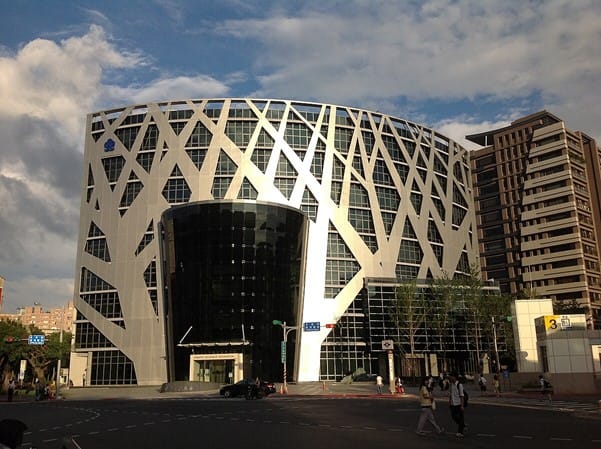
    The Straits Exchange Foundation’s headquarters in Dazhi, Taipei. Image
    credit:
    Meow, Wikimedia Commons /
    CC BY-SA 3.0

    Deprivation of Political Rights, Arbitrarily Applied

    China’s Criminal Law stipulates that deprivation of political rights (DPR)
    sentences be applied to individuals convicted of endangering state security
    and other serious crimes. People serving DPR sentences lose their rights to
    freedom of speech, press, assembly, association, procession, and
    demonstration. While foreign nationals are typically deported immediately upon
    completing their sentences, the situation remains murky for people from
    Taiwan, Hong Kong, and Macau.

    Lee Ming-che (李明哲) was among the first Taiwanese arbitrarily
    detained in China in 2017 when Tsai began her first term as president. Lee, a
    rights activist, community college administrator, and former member of the
    DPP, was convicted of subversion in the same year and sentenced to five years
    in prison with a supplemental two-year DPR sentence. His ordeal stemmed from
    group discussions he hosted on WeChat about Taiwan democracy. Additionally, he
    provided financial help to Chinese political prisoners and their families
    because their stories reminded him of Taiwan under martial law (1949-1987).
    When his sentence expired on April 14, 2022, he was allowed to return to
    Taiwan by plane the following day without having to serve his DPR sentence.

    Lee’s treatment is in stark contrast to that of another Taiwanese businessman,
    Lee Meng-chu (李孟居), who completed his 22-month prison sentence for
    “illegally trafficking in and gathering state secrets/intelligence for
    foreigners” on July 24, 2021. Lee Ming-chu had been banned from leaving China
    in order to serve his two years’ DPR sentence. Nonetheless, Lee was allowed to
    move around China and he used the opportunity to travel to more than 100
    cities and meeting dissidents. When his DPR sentence ended on July 24, 2023,
    Lee left for Japan on the condition that he not return to Taiwan until after
    the 2024 presidential elections. However, after spending five weeks in Japan,
    Lee flew back to Taiwan.
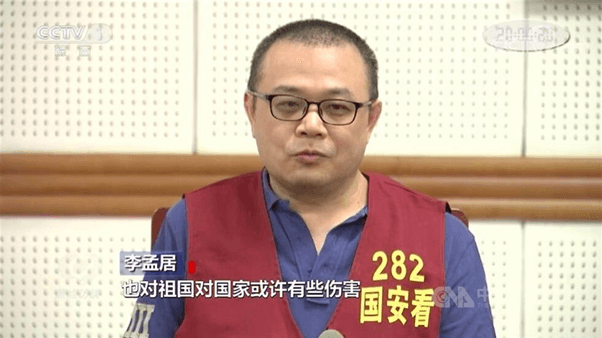
    Lee gave confession in a national news program in October 2020. Image
    source:
    Focus Report, CCTV

    Lee Meng-chu was detained in Shenzhen in August 2019 at the height of the
    anti-extradition bill protests in Hong Kong for possessing a card that read
    “Go Hong Kong!” — at the time a common protest slogan — and snapping pictures
    from his hotel of armed police gathering nearby. These actions and their
    accompanying media coverage were deemed to be evidence of him acting as a
    “Taiwan independence activist” attempting to foment a color revolution in Hong
    Kong. Lee took the position that he was a political hostage because China was
    outraged over Tsai Ing-wen’s vocal support for the Hong Kong protesters. His
    case shows that Taiwanese prisoners can be subjected to exit bans when the
    Chinese authorities decide to make a political point amid escalating tensions.

    Still in Custody

    Yang Chih-yuan (杨智渊)

    While the two Lees have safely returned to Taiwan, more cases of arbitrary
    detention have emerged as cross-strait relations have worsened. On August 3,
    2022,
    Yang Chih-yuan
    was detained in Wenzhou for splittism, the first case where a Taiwanese
    resident was charged with this crime. His detention came hours after Tsai
    Ing-wen met with then-US House of Representatives Speaker Nancy Pelosi. China
    called the visit a “provocation” and condemned the United States for
    “seriously infringing on China’s sovereignty.”

    A screenshot of Yang being detained by police in Wenzhou. Image credit:
    CCTV

    China’s state news media claimed that Yang was appointed as the head of the
    DPP youth league in Taichung and became a member of the splittist forces on
    the island. In 2019, he became the vice chairman of the now defunct
    Taiwan National Party, which advocated for “Taiwan independence” through a referendum. Also in
    2019, he was allegedly invited by then-DPP president Chen Shui-bian to run for
    a seat in the island’s legislature, albeit unsuccessfully. Yang was similarly
    accused of colluding with splittist forces to support Hong Kong protesters
    amid the citywide civil unrest the same year.

    Li Yanhe (李延贺)

    On March 23, 2023, Taiwan-based publisher Li Yanhe was placed under
    residential surveillance at a designated location (RSDL) for inciting
    splittism in Shanghai. RSDL is
    a coercive measure condemned by the United Nations Special Procedures
    as a form of enforced and involuntary disappearance. Under RSDL, a suspect can
    be held for up to six months incommunicado while being denied legal counsel or
    family visits.

    Gusa Press publisher Li Yanhe. Image credit:
    CNA
    via Taiwan News

    Li was born in China but settled in Taiwan in 2009 after marrying a Taiwanese
    woman. He is the founder and editor-in-chief of Gusa Publishing, which is
    known for publishing books on history and politics that are critical of the
    Chinese Communist Party (CCP). Some critical titles focused on subjects like
    CCP corruption and infiltration of global media. In March 2023, he visited
    Shanghai to revoke his mainland residence registration and to visit relatives.
    He had applied for citizenship in Taiwan, but to do so he was required by
    Taiwan law to relinquish his mainland household registration.

    Cheng Yu-chin (郑宇钦)

    One day after China Central Television (CCTV) aired the confession of Lee
    Meng-chu in October 2020, Cheng Yu-chin appeared in another televised
    confession in which he admitted to using his academic post in the Czech
    Republic to carry out espionage against China.
    State news media sources
    accused Cheng of infiltrating Chinese mainland organizations in Europe and
    damaging China’s diplomatic ties with other countries. Cheng was placed under
    criminal detention in Zhengzhou, Fujian, for espionage in April 2019. On April
    15, 2024, China’s National Security Education Day, the
    Ministry of State Security
    reported that Cheng had been sentenced to seven years’ imprisonment. He has
    two more years to serve before completing his sentence in April 2026.

    Cheng claimed to be a member of the DPP and to have worked as an assistant to
    former DPP chairman Cho Jung-tai, but Cho rejected this claim and denied that
    he knew Cheng. Taiwan senior officials also came forward to rebuke false
    claims about Cheng’s case, adding that a Taiwanese associate said to have
    worked with Cheng did not even exist. Taiwan’s Mainland Affairs Council blamed
    Beijing for making up the spy case. A Taiwanese professor familiar with Cheng
    also
    expressed disbelief
    that Cheng was a spy because Cheng had set up a company to help Chinese
    students gain admission to post-graduate programs in the Czech Republic. He
    had worked to promote China’s Belt and Road Initiative during his stay in
    Europe.

    Chen Shu-kai (陈树楷)

    Dui Hua’s research discovered the case of
    Chen Shu-kai, who was detained for espionage in January 2017 and sentenced to 12 years
    and six months’ imprisonment with three years’ DPR in August 2020 in Xiamen.
    Chen was the chairman of the board of Bioil International Limited (Taiwan).
    While an official document stated that he received NTD700,000 from the Taiwan
    Military Intelligence Bureau to obtain 29 classified documents in China, Dui
    Hua could not find other sources to verify this official account in order to
    determine whether this is one of the many cases of arbitrary detention in
    China. He is currently incarcerated in a prison in Fujian. In 2023, the prison
    recommended a sentence reduction of four months be granted to Chen because he
    had demonstrated remorse. The sentence reduction, if approved, would shorten
    his release date to February 2029.

    Pan-Blue Camp Also Targeted

    In Taiwan, pan-blue refers to a political stance espoused by Kuomintang (KMT)
    supporters who favor a dual Taiwanese Chinese identity as well as friendly
    relations with China. However, people subscribing to the pan-blue view can
    still face arrest in China on charges of endangering state security. At least
    two pan-blue academics from Taiwan have been imprisoned in China in recent
    years.
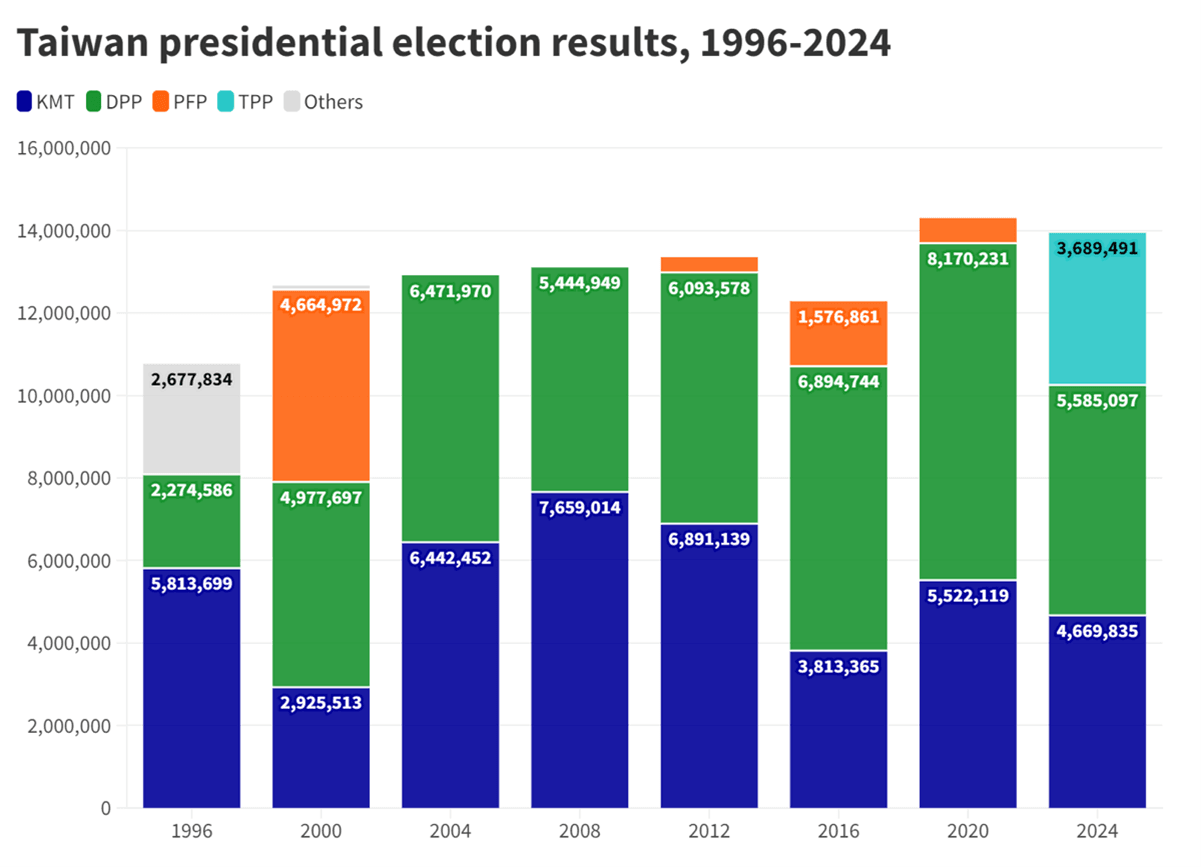
    Results from presidential elections for the past eight Taiwanese
    elections, showing changes in support for the Pan-Blue KMT and the DPP.
    Image credit:
    Emanuelamianstrolski
    /
    CC BY 4.0

    Shih Cheng-ping (施正屏) is a retired professor at National Taiwan Normal
    University. Shih wrote op-eds critical of Tsai Ing-wen in the Taiwanese press.
    In August 2022, he completed his four-year sentence for espionage in Anhui. It
    is not known whether Shih has returned to Taiwan or is obliged to stay in
    China to serve his two-year DPR sentence, which will end in August 2024.

    Shih disappeared after traveling to China in August 2018. His case came to
    light 15 months after his disappearance, when he appeared in a CCTV television
    program in October 2020 confessing to spying for Taiwan. In the recording, he
    admitted to passing information to Taiwan authorities from a mainland think
    tank in exchange for money. As with many other televised confessions, his was
    aired before he was found guilty by the court. This practice has been
    condemned by human rights groups as forced confessions under duress.

    Pro-unification Taiwanese scholar Tsai Chin-shu (蔡金树) was convicted of
    Taiwanese espionage in July 2020, Tsai is a KMT member and has worked in
    multiple capacities to promote cross-strait exchanges. He served as director
    of the Kaohsiung Cross-Strait Exchanges Research Association and chaired the
    Southern Taiwan Union of Cross-Strait Relations Associations, which advocated
    for the Ma Ying-jeou administration’s policies of forging ties with China.

    On January 13, 2024, Taiwan Democratic Progressive Party supporters
    watching the election results. Image credit: Cypp0847 / CC BY-SA 4.0

    He was released from a prison in Fujian in May 2022. Like Lee Meng-chu, Tsai
    has been barred from returning to Taiwan because of the four-year DPR sentence
    that was imposed on him. In June 2023, Taiwanese news media sources reported
    that Tsai was placed under house arrest in Gulangyu Island of Xiamen.

    China has a track record of making politically motivated arrests that
    observers call “hostage diplomacy.” Since the DPP won the 2016 presidential
    election, China and Taiwan have exchanged fiery rhetoric and denounced each
    other as threats to national security and social stability. Days after the DPP
    won the 2024 presidential election, China’s Ministry of State Security claimed
    it
    would intensify efforts
    to crack down on “subversion, espionage and splittist struggles” related to
    Taiwan. In June, judicial bodies and Ministry of State Security jointly issued
    a 22-point legal opinion against “Taiwan splittism” which threatens “trial in
    absentia” or even to
    impose the death penalty
    for “diehard” Taiwan independence splittists in extreme cases, and in August
    the Taiwan Affairs Office of the State Council added 10 Taiwanese to the
    list of die-hard splittists
    (nearly all are members of the DPP). At the time of writing, Taiwanese
    officials have confirmed to the media that
    15 Taiwanese residents
    are currently held in China for various crimes, “including violations of the
    anti-secession law.” As cross-strait tensions escalate, more cases of
    arbitrary detention are likely to emerge, leaving citizens to pay the price
    for geopolitical hostility.

  • Arbitrary Detention of Taiwanese in China

    Arbitrary Detention of Taiwanese in China

    The campaign headquarters of non-party legislator candidate Wang Xingzhi
    at the north entrance of Taiwan Railways Keelung Station in Keelung City
    Image credit:
    Solomon203
    /
    CC0 1.0 Universal

    On January 13, 2024, Lai Ching-te of the ruling Democratic Progressive Party (DPP) won Taiwan’s presidential election in a three-way race against two rivals who sought warmer ties with China. Reviled by Beijing for rejecting China’s sovereignty over Taiwan, the DPP will hold onto the presidency for an unprecedented third consecutive term following eight years under Tsai Ing-wen.
    Under Lai, Taiwan will face diplomatic isolation, trade coercion, and military threats from President Xi Jinping as China is expected to ramp up its pressure on the island by arbitrarily arresting more people from Taiwan on the Mainland.

    Taiwan began allowing its residents to visit the Mainland in 1987. According to The Straits Exchange Foundation, 594 Taiwanese went missing in China from 1991-2020. In 2019, Taiwan’s Mainland Affairs Council said that 149 Taiwanese had disappeared since 2016, the year when Tsai began her first term. While some of these people may have suffered accidents, been detained, or died, 67 cases were unaccounted for due to insufficient information or the Chinese government’s withholding of information. A number of them are believed to be held on political charges. Months after Tsai began her second term in 2020, China announced that its Thunder-2020 campaign had uncovered hundreds of cases orchestrated by Taiwan’s intelligence forces to “infiltrate and sabotage” and to set up a network of spies.

    One of the early cases Dui Hua worked on was that of Li Junmin (李俊敏), a Taiwan “spy” who was sentenced to death with reprieve for the now-defunct crime of counterrevolution. Li was granted early release in 2006 despite being once called “defiant and resistant to reform” by the Chinese government. This post examines the cases of seven Taiwanese arbitrarily detained in China, on charges of endangering state security, since the DPP took power in 2016. Two of the detainees have returned to Taiwan after completing their full prison sentences whereas the others remain in custody, either awaiting hefty jail terms or with their fate unclear.

    The Straits Exchange Foundation’s headquarters in Dazhi, Taipei. Image
    credit:
    Meow, Wikimedia Commons /
    CC BY-SA 3.0

    Deprivation of Political Rights, Arbitrarily Applied

    China’s Criminal Law stipulates that deprivation of political rights (DPR) sentences be applied to individuals convicted of endangering state security and other serious crimes. People serving DPR sentences lose their rights to freedom of speech, press, assembly, association, procession, and demonstration. While foreign nationals are typically deported immediately upon completing their sentences, the situation remains murky for people from Taiwan, Hong Kong, and Macau.

    Lee Ming-che (李明哲) was among the first Taiwanese arbitrarily detained in China in 2017 when Tsai began her first term as president. Lee, a rights activist, community college administrator, and former member of the DPP, was convicted of subversion in the same year and sentenced to five years in prison with a supplemental two-year DPR sentence. His ordeal stemmed from group discussions he hosted on WeChat about Taiwan democracy. Additionally, he provided financial help to Chinese political prisoners and their families because their stories reminded him of Taiwan under martial law (1949-1987). When his sentence expired on April 14, 2022, he was allowed to return to Taiwan by plane the following day without having to serve his DPR sentence.

    Lee’s treatment is in stark contrast to that of another Taiwanese businessman, Lee Meng-chu (李孟居), who completed his 22-month prison sentence for “illegally trafficking in and gathering state secrets/intelligence for foreigners” on July 24, 2021. Lee Ming-chu had been banned from leaving China in order to serve his two years’ DPR sentence. Nonetheless, Lee was allowed to
    move around China and he used the opportunity to travel to more than 100 cities and meeting dissidents. When his DPR sentence ended on July 24, 2023, Lee left for Japan on the condition that he not return to Taiwan until after the 2024 presidential elections. However, after spending five weeks in Japan, Lee flew back to Taiwan.

    Lee gave confession in a national news program in October 2020. Image
    source:
    Focus Report, CCTV

    Lee Meng-chu was detained in Shenzhen in August 2019 at the height of the anti-extradition bill protests in Hong Kong for possessing a card that read “Go Hong Kong!” — at the time a common protest slogan — and snapping pictures from his hotel of armed police gathering nearby. These actions and their accompanying media coverage were deemed to be evidence of him acting as a “Taiwan independence activist” attempting to foment a color revolution in Hong Kong. Lee took the position that he was a political hostage because China was outraged over Tsai Ing-wen’s vocal support for the Hong Kong protesters. His case shows that Taiwanese prisoners can be subjected to exit bans when the Chinese authorities decide to make a political point amid escalating tensions.

    Still in Custody

    Yang Chih-yuan (杨智渊)

    While the two Lees have safely returned to Taiwan, more cases of arbitrary detention have emerged as cross-strait relations have worsened. On August 3, 2022, Yang Chih-yuan was detained in Wenzhou for splittism, the first case where a Taiwanese resident was charged with this crime. His detention came hours after Tsai Ing-wen met with then-US House of Representatives Speaker Nancy Pelosi. China called the visit a “provocation” and condemned the United States for “seriously infringing on China’s sovereignty.”

    A screenshot of Yang being detained by police in Wenzhou. Image credit:
    CCTV

    China’s state news media claimed that Yang was appointed as the head of the DPP youth league in Taichung and became a member of the splittist forces on the island. In 2019, he became the vice chairman of the now defunct Taiwan National Party, which advocated for “Taiwan independence” through a referendum. Also in 2019, he was allegedly invited by then-DPP president Chen Shui-bian to run for a seat in the island’s legislature, albeit unsuccessfully. Yang was similarly accused of colluding with splittist forces to support Hong Kong protesters amid the citywide civil unrest the same year.

    Li Yanhe (李延贺)

    On March 23, 2023, Taiwan-based publisher Li Yanhe was placed under residential surveillance at a designated location (RSDL) for inciting splittism in Shanghai. RSDL is a coercive measure condemned by the United Nations Special Procedures as a form of enforced and involuntary disappearance. Under RSDL, a suspect can be held for up to six months incommunicado while being denied legal counsel or family visits.

    Gusa Press publisher Li Yanhe. Image credit:
    CNA
    via Taiwan News

    Li was born in China but settled in Taiwan in 2009 after marrying a Taiwanese woman. He is the founder and editor-in-chief of Gusa Publishing, which is known for publishing books on history and politics that are critical of the Chinese Communist Party (CCP). Some critical titles focused on subjects like CCP corruption and infiltration of global media. In March 2023, he visited
    Shanghai to revoke his mainland residence registration and to visit relatives. He had applied for citizenship in Taiwan, but to do so he was required by Taiwan law to relinquish his mainland household registration.

    Cheng Yu-chin (郑宇钦)

    One day after China Central Television (CCTV) aired the confession of Lee Meng-chu in October 2020, Cheng Yu-chin appeared in another televised confession in which he admitted to using his academic post in the Czech Republic to carry out espionage against China. State news media sources accused Cheng of infiltrating Chinese mainland organizations in Europe and damaging China’s diplomatic ties with other countries. Cheng was placed under criminal detention in Zhengzhou, Fujian, for espionage in April 2019. On April 15, 2024, China’s National Security Education Day, the Ministry of State Security reported that Cheng had been sentenced to seven years’ imprisonment. He has two more years to serve before completing his sentence in April 2026.

    Cheng claimed to be a member of the DPP and to have worked as an assistant to former DPP chairman Cho Jung-tai, but Cho rejected this claim and denied that he knew Cheng. Taiwan senior officials also came forward to rebuke false claims about Cheng’s case, adding that a Taiwanese associate said to have worked with Cheng did not even exist. Taiwan’s Mainland Affairs Council blamed Beijing for making up the spy case. A Taiwanese professor familiar with Cheng also expressed disbelief that Cheng was a spy because Cheng had set up a company to help Chinese students gain admission to post-graduate programs in the Czech Republic. He had worked to promote China’s Belt and Road Initiative during his stay in Europe.

    Chen Shu-kai (陈树楷)

    Dui Hua’s research discovered the case of Chen Shu-kai, who was detained for espionage in January 2017 and sentenced to 12 years and six months’ imprisonment with three years’ DPR in August 2020 in Xiamen. Chen was the chairman of the board of Bioil International Limited (Taiwan). While an official document stated that he received NTD700,000 from the Taiwan Military Intelligence Bureau to obtain 29 classified documents in China, Dui Hua could not find other sources to verify this official account in order to determine whether this is one of the many cases of arbitrary detention in China. He is currently incarcerated in a prison in Fujian. In 2023, the prison recommended a sentence reduction of four months be granted to Chen because he had demonstrated remorse. The sentence reduction, if approved, would shorten his release date to February 2029.

    Pan-Blue Camp Also Targeted

    In Taiwan, pan-blue refers to a political stance espoused by Kuomintang (KMT) supporters who favor a dual Taiwanese Chinese identity as well as friendly relations with China. However, people subscribing to the pan-blue view can still face arrest in China on charges of endangering state security. At least two pan-blue academics from Taiwan have been imprisoned in China in recent
    years.

    Results from presidential elections for the past eight Taiwanese
    elections, showing changes in support for the Pan-Blue KMT and the DPP.
    Image credit:
    Emanuelamianstrolski
    /
    CC BY 4.0

    Shih Cheng-ping (施正屏) is a retired professor at National Taiwan Normal University. Shih wrote op-eds critical of Tsai Ing-wen in the Taiwanese press. In August 2022, he completed his four-year sentence for espionage in Anhui. It is not known whether Shih has returned to Taiwan or is obliged to stay in China to serve his two-year DPR sentence, which will end in August 2024.

    Shih disappeared after traveling to China in August 2018. His case came to light 15 months after his disappearance, when he appeared in a CCTV television program in October 2020 confessing to spying for Taiwan. In the recording, he admitted to passing information to Taiwan authorities from a mainland think tank in exchange for money. As with many other televised confessions, his was aired before he was found guilty by the court. This practice has been condemned by human rights groups as forced confessions under duress.

    Pro-unification Taiwanese scholar Tsai Chin-shu (蔡金树) was convicted of Taiwanese espionage in July 2020, Tsai is a KMT member and has worked in multiple capacities to promote cross-strait exchanges. He served as director of the Kaohsiung Cross-Strait Exchanges Research Association and chaired the Southern Taiwan Union of Cross-Strait Relations Associations, which advocated for the Ma Ying-jeou administration’s policies of forging ties with China.

    On January 13, 2024, Taiwan Democratic Progressive Party supporters
    watching the election results. Image credit: Cypp0847 / CC BY-SA 4.0

    He was released from a prison in Fujian in May 2022. Like Lee Meng-chu, Tsai has been barred from returning to Taiwan because of the four-year DPR sentence that was imposed on him. In June 2023, Taiwanese news media sources reported that Tsai was placed under house arrest in Gulangyu Island of Xiamen.

    China has a track record of making politically motivated arrests that observers call “hostage diplomacy.” Since the DPP won the 2016 presidential election, China and Taiwan have exchanged fiery rhetoric and denounced each other as threats to national security and social stability. Days after the DPP won the 2024 presidential election, China’s Ministry of State Security claimed it would intensify efforts to crack down on “subversion, espionage and splittist struggles” related to Taiwan. In June, judicial bodies and Ministry of State Security jointly issued a 22-point legal opinion against “Taiwan splittism” which threatens “trial in absentia” or even to impose the death penalty for “diehard” Taiwan independence splittists in extreme cases, and in August the Taiwan Affairs Office of the State Council added 10 Taiwanese to the list of die-hard splittists (nearly all are members of the DPP). At the time of writing, Taiwanese officials have confirmed to the media that 15 Taiwanese residents are currently held in China for various crimes, “including violations of the anti-secession law.” As cross-strait tensions escalate, more cases of arbitrary detention are likely to emerge, leaving citizens to pay the price for geopolitical hostility.

  • Subversion in Xi’an: The Trials of Guo Ran & Kou Ji

    Subversion in Xi’an: The Trials of Guo Ran & Kou Ji

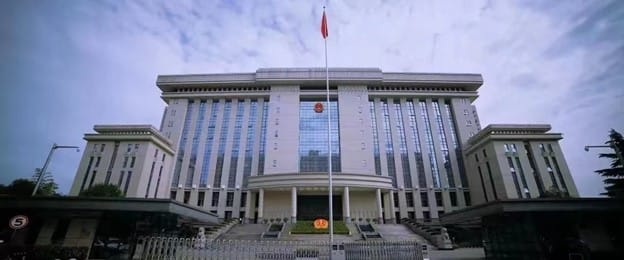
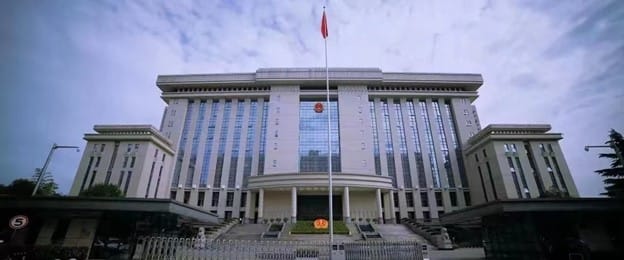
    The Xi’an Intermediate People’s Court building. Image credit: Xi’an court website 

    Dui Hua’s research into Chinese government sources uncovered new information concerning Guo Ran (果然) and Kou Ji (寇稽). The two men received lengthy prison sentences in a closed-door trial for subversion held in Xi’an in 2013. Subversion is a crime of endangering state security and carries a maximum sentence of life imprisonment. 

    Dui Hua first discovered their names in an annual work report an annual work report released by the Xi’an Intermediate People’s Court in June 2013. The report stated that Guo and Kou were tried for subversion, but the trial outcome was not disclosed. Their fate was only subsequently revealed by sentence reduction decisions posted on China Judgements Online around 2016.  

    The first reduction decision Dui Hua found stated that Kou, born in 1969, was serving his 10-year prison sentence in Shaanxi’s Weinan Prison. Because of good behavior and meritorious service, Kou received his first sentence reduction of nine months in February 2016, about four years into his sentence. Two years later, in May 2018, Kou received his second sentence reduction of seven months.  

    That same year, Guo, born in 1981, received his first sentence reduction of five months in September. The sentence reduction decision stated that Guo was serving his 14-year prison sentence for subversion in the same prison as Kou. The clemency he received took place seven years into his prison sentence. Kou completed his prison sentence on July 13, 2020, and his three-year supplemental sentence of deprivation of political rights (DPR) is thought to have expired on July 12, 2023. Guo’s sentence is expected to end on July 1, 2025, after which he will begin his five years of DPR. All three sentence reduction decisions have since been removed from China Judgements Online. 

    A search for “inciting subversion of state power” that yielded no results in July 2021. Dui Hua conducted another search in May 2024. As in 2021, the search yielded no results. Image credit: China Judgements Online

    The court documents did not provide other case specifics beyond their background, crime, sentences, sentence reductions, and new release dates. The acts leading to their imprisonment were unknown. Around 2019, information from unofficial news sources concerning this subversion case began to surface. However, it was only briefly reported that Guo frequently held gatherings on his own business premises to discuss pathways to achieve freedom and democracy. The duo was reportedly detained in 2012 and formally arrested on February 20, 2013. 

    A Chinese government publication Dui Hua uncovered in 2022 sheds light on this mysterious case of subversion. Guo operated a private gallery, and Kuo was an architect. The two were accused of establishing a political group known as the “Xingya Party” (兴亚党, lit “Thriving Asia Party”). Guo published posts online and recruited people online to join the group. Members were to become citizens of the “Chinese Federal Republic” (中华联邦共和国). Guo allegedly called on online recruits to carry out violent activities.  

    As part of their operation, which they named “Dawn of Liberty,” Kou was allegedly tasked with collecting intelligence about troop deployment and military facilities on Chongming Island, China’s third largest island located on the estuary of Yangtze River in Shanghai. Guo intended to launch a military occupation there and create the “Chinese Federal Republic,” according to the official narrative. Kuo was also accused of scheming and drafting the “state creed.” Guo was arrested for subversion, and Kuo was initially arrested for kidnapping.

    Military patrol on Chongming Island. Image credit: Sohu 
    While this account is likely the only official source which provides information about the acts of Guo and Kou, Dui Hua is unable to assess how truthful the description of criminal activities is. Assuming this account is accurate, Guo and Kou are not the first people to have been sentenced to lengthy terms for subversion for founding opposition parties and advocating for a violent overthrow of the Chinese government.  
    According to Records of People’s Courts Historical Judicial Statistics: 1949-2016, Chinese courts accepted 162 subversion cases involving 347 individuals in the 18-year period from 1998 to 2016. Many of these subversion cases are by nature sensitive, and information pertaining to these cases is far from transparent. 
    Among the earliest cases of subversion involved leaders of the so-called “Southwest Yangtze Column of the Chinese Anti-Corruption Army” (中国人民农工反腐败大军西南长江纵队) in Chongqing. Established by farmers in 1998, the group called itself a democratic alternative to the Chinese Communist Party (CCP). It opposed excessive agricultural taxes and distributed fliers calling for the rehabilitation of June Fourth prisoners on the tenth anniversary of the 1989 pro-democracy movement. Sentenced to 12 years’ imprisonment for subversion in the early 2000s, Song Bukun (宋步坤) is believed to be the last member of the group to be released from prison in September 2013. Dui Hua received two responses from inquiries dating back to 2008 in which government sources said Song received an 11-month sentence reduction in February 2009. 

    In March 2006, dissident writer Ren Ziyuan (任自元) was sentenced to 10 years in prison for subversion because he established the “Mainland Democracy Frontline” to promote the right to end tyranny by violent means. He reportedly published anti-government views on the Internet, including a tract entitled “The Road to Democracy” and other essays. Some human rights organizations claim that some of his essays asserted citizens’ rights to violently overthrow tyranny. Ren was released from Shandong No.1 Prison on May 9, 2015, without receiving a single sentence reduction. 

    Dui Hua uncovered details of another political party that was accused of “violent intent” in 2019. The “People’s Party,” later renamed the “New Era Communist Party of China,” was founded by Dong Zhanyi (董占义). The group aimed to fight corruption and recruit aggrieved workers and petitioners to overthrow the CCP. Dong and another founding member Chen Guohua (陈国华) established a corporate entity called Tongkang to operate a supermarket project. The plan, according to official documents, was to use the supermarket project to employ online recruits and raise money to fund their political activities, including assassination plots and procuring weapons. Dong was convicted of subversion and fraud and was sentenced to life in 2011 by a Beijing intermediate court. The sentence later was commuted to a fixed 19 years’ imprisonment in 2015. Chen was convicted of subversion and sentenced to 14 years. Other key party members were also given long sentences. 

    Xu Zhiyong (left) and Ding Jiaxi. Image credit: VOA 

    Subversion is not exclusively used to criminalize leaders of opposition parties nor is it confined to suppressing calls for the violent overthrow of the Chinese government. As recently as April 2023, prominent rights activist and legal scholar Xu Zhiyong (许志永) and rights lawyer Ding Jiaxi (丁家喜) were both convicted of subversion. Unlike Guo and Kou’s case, Xu and Ding did not establish a dissident party. They are advocates of non-violent resistance and the responsible use of civil and social rights. In late 2019, they organized an informal gathering with around 20 activists and lawyers in Xiamen to discuss current political affairs and activism. Xu and Ding were sentenced to 14 and 12 years in prison, respectively, and their appeals were rejected in November 2023. Despite their rejection of violence, Xu and Ding’s sentences are among the harshest for a subversion conviction, exceeding in length even cases where the accused allegedly called for the use of force. 

    The fates of Kuo and Guo may no longer be shrouded in secrecy, but the acts leading to their imprisonment were revealed only a decade after they were incarcerated. Such gaps in disclosure further concerns that vague laws with ambiguous wording and low levels of legal transparency are eroding confidence in China’s judicial system.  

  • Gray Matters: China’s Aging Prisoners

    Gray Matters: China’s Aging Prisoners

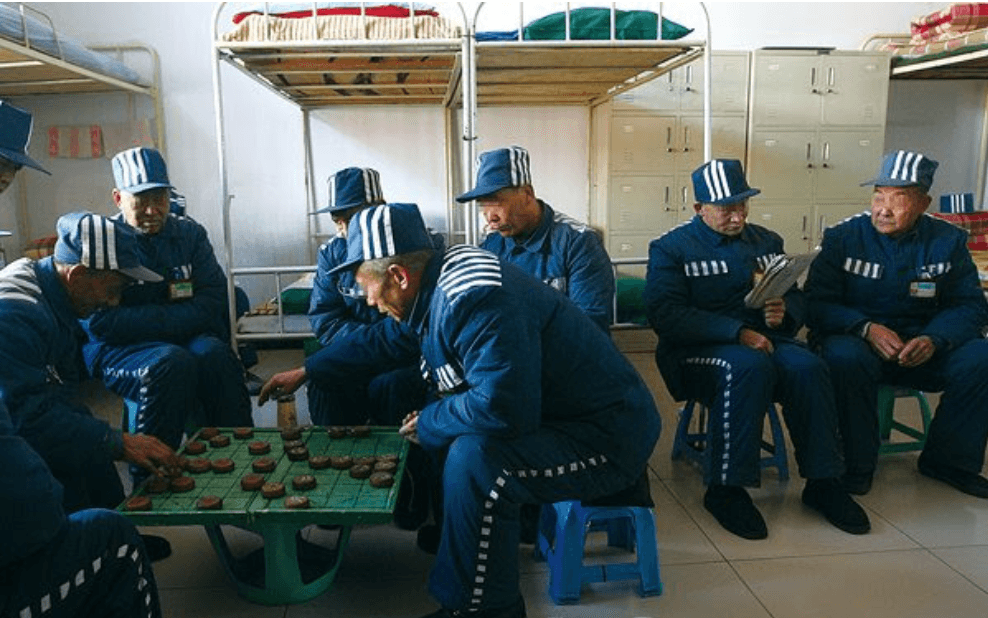
    Men play chess inside the “elderly” prisoner cell block of Henan No. 3 Prison. Image credit: Pan Xiaoling / Southern Weekly

    Decades of falling birth rates and rising life expectancy have made China one of the fastest aging countries. In 2023, its population aged 60 and above reached 297 million, or 21.1 percent of the population. While the aging population puts pressure on the already strained pension system and economic growth, elderly prisoners represent another pressing issue that requires more attention.

    Unlike juvenile justice, there is a dearth of information about elderly prisoners. They don’t seem to be an area of concern prevalent or pervasive enough to warrant careful consideration. Even the Ministry of Justice acknowledged the lack of relevant statistical data and academic research, and that judicial organs and law enforcement have yet to develop sensitivity with regard to the conviction, sentencing, rehabilitation, and management of elderly offenders.

    A Rising Estimate 

    The World Prison Brief indicated that that there were 1.69 million prisoners in China in 2017, the latest year for which statistics are available. According to Chinese sources, the number increased to two million in 2022 although it has not been officially verified. While publicly available sources have not disaggregated the prison population by age, a 2021 article by the China Prison Association estimated that elderly prisoners accounted for about 5.2 percent of the prison population, and of them 65 percent were male and 35 percent were female. If we extrapolate the estimate from the prison population, an estimated 88,000-104,000 elderly people are in jail today.

    Chinese legal experts generally agree that the number of elderly prisoners has been surging. First, a substantial portion have aged naturally after serving long prison sentences. Following the 2011 eighth amendment to the Criminal Law, more people who were already serving lengthy terms have had to spend more time in jail. The amendment also increased the mandatory minimum time served for life sentences before their sentences can be commuted to fixed terms. In 2015, China introduced the sentence of life without the possibility of parole for people convicted of corruption and bribery.

    Elderly crime has also soared over the years. Statistics provided by the Supreme People Court indicated that the number of defendants aged 60 or above increased fourfold from 5,759 in 1998 to 23,817 in 2016 (See Table 1). However, not all of those tried and convicted ended up in jail. The 2011 Criminal Law amendment allows courts to grant offenders aged 75 or older lighter punishments, such as suspended sentences, because they are seen to pose a smaller risk to society.

    Table 1. Elderly Defendants from 1998-2016
    Source: Dui Hua, Records of People’s Courts Historical Judicial Statistics: 1949-2016

    Types of Elderly Crime 

    In 2012, China Court Website published its findings on this under-researched topic and summarized the types of elderly crime:

    1. Most crimes were committed solitarily and could be classified into two distinct categories:
      • (i) crimes reflecting lower-level needs for survival or safety;
      • (ii) crimes committed for obtaining economic benefits, venting negative emotions, or satisfying physiological needs;
    2. The crimes of bribery, abetting, deception, and harboring tended to be perpetrated by elderly people with good education, social status, and work experience attained from their careers;
    3. Violent crimes such as homicide, aggravated assault, and robbery were rare. Perpetrators typically had poor education and targeted vulnerable groups such as women and children as victims;
    4. Elderly males committed crimes such as molestation, rape, fraud, theft and harboring while women tended to commit crimes of disrupting social order;
    5. An increasing number of elderly people were involved in Article 300 “organizing/using a cult to undermine implementation of the law.”

    Although the 2012 article did not provide relevant figures, Dui Hua’s research into court statistics released by the Supreme People’s Court showed a clear upward trend in “cult,” or unorthodox religion, cases involving elderly prisoners from 1998-2016. In 2016, the last year for which statistics are available, 523 defendants aged 60 or above were tried for Article 300, or 2.2 percent of all elderly defendants. In 1998, when Article 300 was in force for the first year, only three elderly people were tried. The number rose to 103 in 2003 when the crackdown on Falun Gong was in full swing.

    Table 2. Elderly Defendants Tried for Article 300, 1998-2016
    Source: Dui Hua, Records of People’s Courts Historical Judicial Statistics: 1949-2016
    Endangering State Security 
    Elderly offenders are not prominently represented in cases of endangering state security (ESS), China’s most serious political crimes. Statistics released by the Supreme People’s Court indicated that only 63 defendants aged over 60 or above were tried for ESS from 1998-2016. No elderly people were tried in ESS cases in 2013, 2014, and 2016.
    Table 3. Elderly defendants in ESS cases, 1998-2016
    Source: Dui Hua, Records of People’s Courts Historical Judicial Statistics: 1949-2016
    Dui Hua previously reported the case of Chen Zhaolu (陈兆祿), one of the China’s oldest ESS prisoners. Born on December 9, 1917, in Guangzhou, Chen became a Hong Kong resident in 1968 when he started working for Xinhua News Agency – then China’s de facto consulate in Hong Kong. Eighteen years after his retirement, on November 25, 2003, Chen was detained in Guangzhou on suspicion of espionage. On January 19, 2004, the Guangzhou Intermediate People’s Court sentenced Chen to 13 years’ imprisonment. At age 86, he was incarcerated in the elderly prisoner cell block of Guangzhou Prison, Guangdong’s “model prison.” Chen was given a nine-month sentence reduction in 2006 and a 16-month sentence reduction in 2008. He was granted medical parole for a period of three years on September 2, 2009. His sentence expired in October 2014.
    More recently, US citizen and Hong Kong resident Leung Shing-wan (梁成运, aka John Leung) was convicted of espionage and sentenced to life imprisonment in 2023 in Suzhou at the age of 78. Such heavy terms are rare for elderly offenders and for foreign nationals in China. Leung was the chairman of the Association for the Promotion of the Peaceful Reunification of China in Texas. The association is believed to be connected to the Chinese Communist Party’s United Front Work Department tasked with promoting Beijing’s claim over Taiwan. His case was showcased on the 10th National Security Education Day on April 15, 2024.
    The Intermediate People’s Court of Suzhou, Jiangsu. (Inset) Leung Shing-wan, who was 78 years old when the court convicted him. Image credit: Cantonese Group Cartography / Radio Free Asia
    Leniency & Clemency 
    While individuals aged 60 or above are generally considered elderly, leniency is now granted at a higher age threshold. The Public Security Administration Punishments Law grants public security the discretion to not impose administrative detention on elderly people over 70 years old, even in cases of serious violations of public security management.
    Additionally, the Criminal Law stipulates lighter punishments for individuals over age 75. Following the 2011 amendment, they cannot be subjected to the death penalty unless the offender has committed an act of particular cruelty. As an indication of the impact this has had, the number of Chinese capital cases involving people over 70 is fewer than 10 cases per year in the early 2010s, compared to the estimated 4,000 people executed in China in 2011.
    The amendment also expanded the scope of leniency by encouraging the use of lighter punishment and suspended sentences to those who commit an intentional crime at the age of 75 or greater. Some critics have similarly argued that this age is too high to have any real impact.
    Provincial authorities have also taken it upon themselves to expound on how elderly offenders are treated with more leniency. In 2014, the Sichuan High People’s Court issued a guiding opinion on the sentencing of elderly prisoners. Offenders of intentional crimes aged 65-74 can have their sentences mitigated by 30 percent. The mitigation length increases to 40 percent for those aged 75 or above. Elderly offenders who commit crimes of negligence can also have their penalty mitigated by 50 percent. The extent of leniency is also determined by the motive, time, method, severity of the crime, truthfulness of their confessions, and willingness to repent.
    In 1991, businessman John Kamm, now executive director of Dui Hua, visited a prison in Guangdong Province. He went to the prison to ask about two members of the Shouters, an “unorthodox religious group.” Upon arrival, Kamm was told that both men had been granted medical parole shortly before he arrived at the prison. The warden claimed that the prison authorities had the discretion to grant medical parole to prisoners over the age of 70. Dui Hua was unable to verify this claim.
    In January 2011, provincial authorities in Anhui grant parole or sentence reductions to 151 elderly or disabled prisoners. Image credit: Legal Daily
    Since Xi Jinping became President in 2012, he has issued two special pardons benefitting specific groups of elderly prisoners (Xi was the first leader to use his power to grant special pardons since Mao Zedong. No special pardons were issued between 1975 and 2015).
    1. Of the 31,527 people pardoned in 2015, fifty were veterans of the War of Resistance Against Japan (World War II) and the War of Liberation (the Chinese Civil War), 1,428 were veterans of foreign wars who were not convicted of serious crimes, and 122 were over 75 years old “with serious physical difficulties” and “unable to take care of themselves.”
    2. In 2019, Xi announced the second special pardon to mark the 70th founding anniversary of the People’s Republic of China. This resulted in 15,858 people receiving clemency. It remains to be seen whether Xi will announce a third pardon in 2025 to celebrate the 80th anniversary of the end of World War II.
    Besides the special pardons, releases of elderly prisoners have been rare. An exception was in 2009, when Chinese news media reported that approximately 2,000 elderly, sick, and disabled prisoners were given parole or allowed to temporarily serve sentences outside prison in part to alleviate prison overcrowding. At the time, 5,000 elderly, sick, and disabled prisoners were reportedly held in Sichuan prisons. Another mass release, albeit on a lesser scale, took place in Ningxia also in 2009. Nearly 100 elderly prisoners were granted parole. This clemency took place following a study which revealed that 117 or almost half of the elderly, sick, and handicapped prisoners in Yingchuan Prison and Ningxia Women’s Prison had not received any clemency from 2007-2009.
    On December 15, 2008, a 54-year-old female prisoner returns home after receiving parole and being released from Chengdu Women’s Prison. Her sentence was set to expire in March 2010. Image credit: Sina News
    In carceral facilities, restraint devices are prohibited on elderly prisoners under normal circumstances. Alongside the weak, ill, and handicapped, elderly prisoners are also exempt from prison labor. While Chinese government sources confirmed that around 10 percent of the prison population in 1990 were exempt from physical labor, recent figures have not been made publicly available. Instead, elderly prisoners are assessed by their willingness to express remorse and their performance in education rehabilitation.
    Health Issues 
    Prisons are designed to prevent criminals from escaping, not to cater to the elderly. They often have poor lighting, steep stairs, and dim corridors unsuited for elderly prisoners. While these prisoners are typically held in special prison wards along with the ill, weak, and disabled, high bunk beds and pit-style urinals are commonplace and can be physically challenging for elderly prisoners.
    An article published in an academic journal in 2021 examined the health problems of elderly prisoners. The author cited a survey conducted in an elderly ward in Hebei. Of them, over half suffered from cardiovascular diseases, followed by 7.3 percent from tuberculosis, 6.7 percent from diabetes, 2.8 percent from hepatitis, 2.3 percent from asthma, and 2.2 percent from spondylitis. Citing research published in 2018, the study revealed that 57 percent of the elderly in an unnamed Shanghai prison were on daily or regular medication.
    The cost of incarcerating elderly prisoners has surged because of their medical needs. Hospitalization expenses for elderly prisoners in an unnamed prison in a western province rose 77 percent in three years to 15,900 yuan in 2016. Hospitalization alone exceeded 76 percent of the budget allocated for medical care. In a women’s prison also in the western province, the government’s financial allocation for inmates’ medical costs in 2015 could only meet one-sixth of its actual medical expenses. In most provinces, actual medical expenses for inmates similarly exceeded the standard financial allocation by more than 50 percent. Elderly prisoners are said to be the leading cause of the surge in medical costs, according to the author.
    Discriminatory Treatment 
    Many elderly political prisoners are known to be ailing, but they have been denied sufficient care in prison. Prominent journalist Gao Yu (高瑜) began serving her five-year prison sentence for illegally trafficking in state secrets for a foreign entity at age 71. The crime stemmed from her leaking “Document No.9,” an internal notice by the Chinese government warning members against promoting “universal values” such as human rights. While incarcerated, she suffered from chronic heart pain, high blood pressure, a form of inner ear disorder called Ménière’s disease, and an undiagnosed chronic skin allergy. She was denied medications she took when living at home and access to specialists to assess and treat her. Gao had to wait two full years before she was admitted to a Beijing hospital to receive treatment.
    Journalist Gao Yu in the Beijing’s Anzhen Hospital after her garden and office were demolished, April 5, 2016. Image credit: Su Yutong / Radio Free Asia
    Despite their failing health, clemency is not guaranteed for prisoners convicted of politically motivated crimes. Wang Bingzhang (王炳章), born in 1947, continues to serve his life sentence in Guangdong’s Shaoguan Prison 22 years into his sentence. Wang is a veteran dissident who founded the China Democracy & Justice Party. In 2003, he was sentenced to life imprisonment for espionage and organizing a terrorist organization. Information given to Dui Hua by a Chinese government interlocutor confirmed that Wang suffered from thrombophlebitis, varicose veins, “sudden” bradycardia, tinea, and allergic rhinitis. He had suffered a mild stroke. Wang was in prolonged solitary confinement and subjected to daily “political study” meant to get him to write confessions and admit his crimes. Updates provided by his family in March 2023 revealed that Wang had contracted Covid-19 earlier that year, and that he was in constant dental pain and needed dental implants after eight of his teeth had fallen out. However, such dental care is not available in Shaoguan Prison.
    China has a track record in depriving political prisoners of medical care. Nobel Peace Prize Laureate Liu Xiaobo died from liver cancer in 2017 at age 61. Medical parole was granted only when his cancer had advanced. Wang Bingzhang, aged 77 this year, has yet to have his life sentence commuted despite repeated applications for medical parole and clemency over the past two decades. Such discriminatory treatment strengthens the fear that the Chinese government will simply let ailing elderly political prisoners die behind bars.
    Wang Bingzhang, aged 77 this year, has yet to have his life sentence commuted despite repeated applications for medical parole. Image credit: Raoul Wallenberg Centre

    Prisons are responsible for the well-being of all prisoners regardless of their crimes. They should ensure that everyone has immediate access to the specialist care they need. If such care is unavailable in prison, prisoners should be transferred to a hospital before their conditions worsen. Rule 27 of the UN Standard Minimum Rules for the Treatment of Prisoners states that “All prisons shall ensure prompt access to medical attention in urgent cases. Prisoners who require specialized treatment or surgery shall be transferred to specialized institutions or civil hospitals. Where a prison service has its own hospital facilities, they shall be adequately staffed and equipped to provide prisoners transferred to them with appropriate treatment and care.”

  • Gray Matters: China’s Aging Prisoners

    Gray Matters: China’s Aging Prisoners

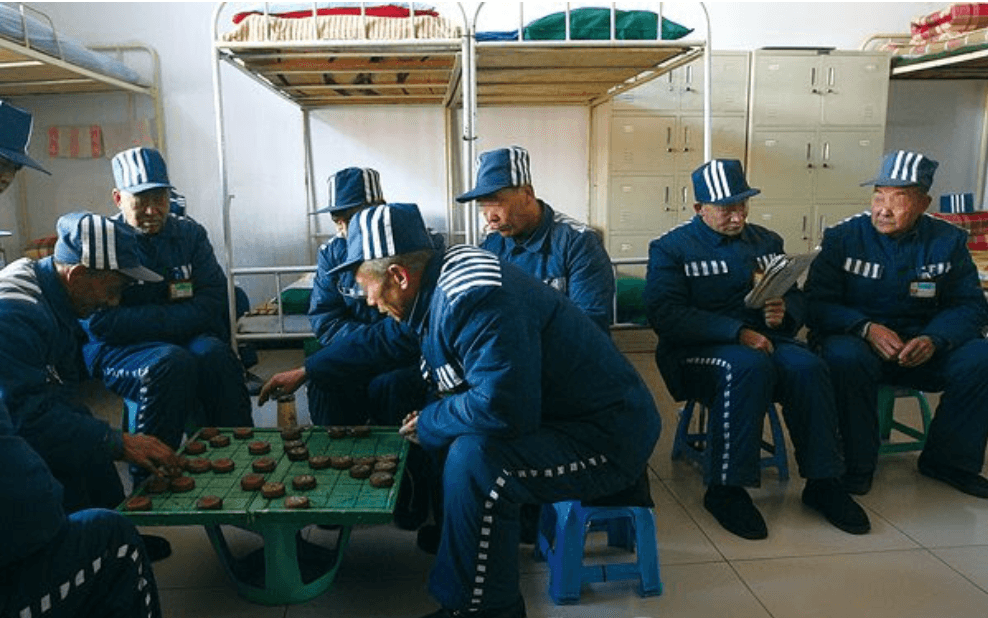
    Men play chess inside the “elderly” prisoner cell block of Henan No. 3 Prison. Image credit: Pan Xiaoling / Southern Weekly

    Decades of falling birth rates and rising life expectancy have made China one of the fastest aging countries. In 2023, its population aged 60 and above reached 297 million, or 21.1 percent of the population. While the aging population puts pressure on the already strained pension system and economic growth, elderly prisoners represent another pressing issue that requires more attention.  

    Unlike juvenile justice, there is a dearth of information about elderly prisoners. They don’t seem to be an area of concern prevalent or pervasive enough to warrant careful consideration. Even the Ministry of Justice acknowledged the lack of relevant statistical data and academic research, and that judicial organs and law enforcement have yet to develop sensitivity with regard to the conviction, sentencing, rehabilitation, and management of elderly offenders. 

    A Rising Estimate 

    The World Prison Brief indicated that that there were 1.69 million prisoners in China in 2017, the latest year for which statistics are available. According to Chinese sources, the number increased to two million in 2022 although it has not been officially verified. While publicly available sources have not disaggregated the prison population by age, a 2021 article by the China Prison Association estimated that elderly prisoners accounted for about 5.2 percent of the prison population, and of them 65 percent were male and 35 percent were female. If we extrapolate the estimate from the prison population, an estimated 88,000-104,000 elderly people are in jail today. 

    Chinese legal experts generally agree that the number of elderly prisoners has been surging. First, a substantial portion have aged naturally after serving long prison sentences. Following the 2011 eighth amendment to the Criminal Law, more people who were already serving lengthy terms have had to spend more time in jail. The amendment also increased the mandatory minimum time served for life sentences before their sentences can be commuted to fixed terms. In 2015, China introduced the sentence of life without the possibility of parole for people convicted of corruption and bribery. 

    Elderly crime has also soared over the years. Statistics provided by the Supreme People Court indicated that the number of defendants aged 60 or above increased fourfold from 5,759 in 1998 to 23,817 in 2016 (See Table 1). However, not all of those tried and convicted ended up in jail. The 2011 Criminal Law amendment allows courts to grant offenders aged 75 or older lighter punishments, such as suspended sentences, because they are seen to pose a smaller risk to society. 

    Table 1. Elderly Defendants from 1998-2016
    Source: Dui Hua, Records of People’s Courts Historical Judicial Statistics: 1949-2016 

    Types of Elderly Crime 

    In 2012, China Court Website published its findings on this under-researched topic and summarized the types of elderly crime: 

    1. Most crimes were committed solitarily and could be classified into two distinct categories:  
      • (i) crimes reflecting lower-level needs for survival or safety;  
      • (ii) crimes committed for obtaining economic benefits, venting negative emotions, or satisfying physiological needs; 
    2. The crimes of bribery, abetting, deception, and harboring tended to be perpetrated by elderly people with good education, social status, and work experience attained from their careers; 
    3. Violent crimes such as homicide, aggravated assault, and robbery were rare. Perpetrators typically had poor education and targeted vulnerable groups such as women and children as victims; 
    4. Elderly males committed crimes such as molestation, rape, fraud, theft and harboring while women tended to commit crimes of disrupting social order; 
    5. An increasing number of elderly people were involved in Article 300 “organizing/using a cult to undermine implementation of the law.” 

    Although the 2012 article did not provide relevant figures, Dui Hua’s research into court statistics released by the Supreme People’s Court showed a clear upward trend in “cult,” or unorthodox religion, cases involving elderly prisoners from 1998-2016. In 2016, the last year for which statistics are available, 523 defendants aged 60 or above were tried for Article 300, or 2.2 percent of all elderly defendants. In 1998, when Article 300 was in force for the first year, only three elderly people were tried. The number rose to 103 in 2003 when the crackdown on Falun Gong was in full swing.  

    Table 2. Elderly Defendants Tried for Article 300, 1998-2016
    Source: Dui Hua, Records of People’s Courts Historical Judicial Statistics: 1949-2016 

    Endangering State Security 
    Elderly offenders are not prominently represented in cases of endangering state security (ESS), China’s most serious political crimes. Statistics released by the Supreme People’s Court indicated that only 63 defendants aged over 60 or above were tried for ESS from 1998-2016. No elderly people were tried in ESS cases in 2013, 2014, and 2016. 
    Table 3. Elderly defendants in ESS cases, 1998-2016 
    Source: Dui Hua, Records of People’s Courts Historical Judicial Statistics: 1949-2016 

    Dui Hua previously reported the case of Chen Zhaolu (陈兆祿), one of the China’s oldest ESS prisoners. Born on December 9, 1917, in Guangzhou, Chen became a Hong Kong resident in 1968 when he started working for Xinhua News Agency – then China’s de facto consulate in Hong Kong. Eighteen years after his retirement, on November 25, 2003, Chen was detained in Guangzhou on suspicion of espionage. On January 19, 2004, the Guangzhou Intermediate People’s Court sentenced Chen to 13 years’ imprisonment. At age 86, he was incarcerated in the elderly prisoner cell block of Guangzhou Prison, Guangdong’s “model prison.” Chen was given a nine-month sentence reduction in 2006 and a 16-month sentence reduction in 2008. He was granted medical parole for a period of three years on September 2, 2009. His sentence expired in October 2014. 
    More recently, US citizen and Hong Kong resident Leung Shing-wan (梁成运, aka John Leung) was convicted of espionage and sentenced to life imprisonment in 2023 in Suzhou at the age of 78. Such heavy terms are rare for elderly offenders and for foreign nationals in China. Leung was the chairman of the Association for the Promotion of the Peaceful Reunification of China in Texas. The association is believed to be connected to the Chinese Communist Party’s United Front Work Department tasked with promoting Beijing’s claim over Taiwan. His case was showcased on the 10th National Security Education Day on April 15, 2024. 
    The Intermediate People’s Court of Suzhou, Jiangsu. (Inset) Leung Shing-wan, who was 78 years old when the court convicted him. Image credit: Cantonese Group Cartography / Radio Free Asia

    Leniency & Clemency 
    While individuals aged 60 or above are generally considered elderly, leniency is now granted at a higher age threshold. The Public Security Administration Punishments Law grants public security the discretion to not impose administrative detention on elderly people over 70 years old, even in cases of serious violations of public security management.  
    Additionally, the Criminal Law stipulates lighter punishments for individuals over age 75. Following the 2011 amendment, they cannot be subjected to the death penalty unless the offender has committed an act of particular cruelty. As an indication of the impact this has had, the number of Chinese capital cases involving people over 70 is fewer than 10 cases per year in the early 2010s, compared to the estimated 4,000 people executed in China in 2011. 
    The amendment also expanded the scope of leniency by encouraging the use of lighter punishment and suspended sentences to those who commit an intentional crime at the age of 75 or greater. Some critics have similarly argued that this age is too high to have any real impact. 
    Provincial authorities have also taken it upon themselves to expound on how elderly offenders are treated with more leniency. In 2014, the Sichuan High People’s Court issued a guiding opinion on the sentencing of elderly prisoners. Offenders of intentional crimes aged 65-74 can have their sentences mitigated by 30 percent. The mitigation length increases to 40 percent for those aged 75 or above. Elderly offenders who commit crimes of negligence can also have their penalty mitigated by 50 percent. The extent of leniency is also determined by the motive, time, method, severity of the crime, truthfulness of their confessions, and willingness to repent. 
    In 1991, businessman John Kamm, now executive director of Dui Hua, visited a prison in Guangdong Province. He went to the prison to ask about two members of the Shouters, an “unorthodox religious group.” Upon arrival, Kamm was told that both men had been granted medical parole shortly before he arrived at the prison. The warden claimed that the prison authorities had the discretion to grant medical parole to prisoners over the age of 70. Dui Hua was unable to verify this claim.  
    In January 2011, provincial authorities in Anhui grant parole or sentence reductions to 151 elderly or disabled prisoners. Image credit: Legal Daily 

    Since Xi Jinping became President in 2012, he has issued two special pardons benefitting specific groups of elderly prisoners (Xi was the first leader to use his power to grant special pardons since Mao Zedong. No special pardons were issued between 1975 and 2015).  
    1. Of the 31,527 people pardoned in 2015, fifty were veterans of the War of Resistance Against Japan (World War II) and the War of Liberation (the Chinese Civil War), 1,428 were veterans of foreign wars who were not convicted of serious crimes, and 122 were over 75 years old “with serious physical difficulties” and “unable to take care of themselves.”  
    2. In 2019, Xi announced the second special pardon to mark the 70th founding anniversary of the People’s Republic of China. This resulted in 15,858 people receiving clemency. It remains to be seen whether Xi will announce a third pardon in 2025 to celebrate the 80th anniversary of the end of World War II. 
    Besides the special pardons, releases of elderly prisoners have been rare. An exception was in 2009, when Chinese news media reported that approximately 2,000 elderly, sick, and disabled prisoners were given parole or allowed to temporarily serve sentences outside prison in part to alleviate prison overcrowding. At the time, 5,000 elderly, sick, and disabled prisoners were reportedly held in Sichuan prisons. Another mass release, albeit on a lesser scale, took place in Ningxia also in 2009. Nearly 100 elderly prisoners were granted parole. This clemency took place following a study which revealed that 117 or almost half of the elderly, sick, and handicapped prisoners in Yingchuan Prison and Ningxia Women’s Prison had not received any clemency from 2007-2009. 
    On December 15, 2008, a 54-year-old female prisoner returns home after receiving parole and being released from Chengdu Women’s Prison. Her sentence was set to expire in March 2010. Image credit: Sina News 

    In carceral facilities, restraint devices are prohibited on elderly prisoners under normal circumstances. Alongside the weak, ill, and handicapped, elderly prisoners are also exempt from prison labor. While Chinese government sources confirmed that around 10 percent of the prison population in 1990 were exempt from physical labor, recent figures have not been made publicly available. Instead, elderly prisoners are assessed by their willingness to express remorse and their performance in education rehabilitation.  
    Health Issues 
    Prisons are designed to prevent criminals from escaping, not to cater to the elderly. They often have poor lighting, steep stairs, and dim corridors unsuited for elderly prisoners. While these prisoners are typically held in special prison wards along with the ill, weak, and disabled, high bunk beds and pit-style urinals are commonplace and can be physically challenging for elderly prisoners.  
    An article published in an academic journal in 2021 examined the health problems of elderly prisoners. The author cited a survey conducted in an elderly ward in Hebei. Of them, over half suffered from cardiovascular diseases, followed by 7.3 percent from tuberculosis, 6.7 percent from diabetes, 2.8 percent from hepatitis, 2.3 percent from asthma, and 2.2 percent from spondylitis. Citing research published in 2018, the study revealed that 57 percent of the elderly in an unnamed Shanghai prison were on daily or regular medication. 
    The cost of incarcerating elderly prisoners has surged because of their medical needs. Hospitalization expenses for elderly prisoners in an unnamed prison in a western province rose 77 percent in three years to 15,900 yuan in 2016. Hospitalization alone exceeded 76 percent of the budget allocated for medical care. In a women’s prison also in the western province, the government’s financial allocation for inmates’ medical costs in 2015 could only meet one-sixth of its actual medical expenses. In most provinces, actual medical expenses for inmates similarly exceeded the standard financial allocation by more than 50 percent. Elderly prisoners are said to be the leading cause of the surge in medical costs, according to the author. 
    Discriminatory Treatment 
    Many elderly political prisoners are known to be ailing, but they have been denied sufficient care in prison. Prominent journalist Gao Yu (高瑜) began serving her five-year prison sentence for illegally trafficking in state secrets for a foreign entity at age 71. The crime stemmed from her leaking “Document No.9,” an internal notice by the Chinese government warning members against promoting “universal values” such as human rights. While incarcerated, she suffered from chronic heart pain, high blood pressure, a form of inner ear disorder called Ménière’s disease, and an undiagnosed chronic skin allergy. She was denied medications she took when living at home and access to specialists to assess and treat her. Gao had to wait two full years before she was admitted to a Beijing hospital to receive treatment. 
     
    Journalist Gao Yu in the Beijing’s Anzhen Hospital after her garden and office were demolished, April 5, 2016. Image credit: Su Yutong / Radio Free Asia

    Despite their failing health, clemency is not guaranteed for prisoners convicted of politically motivated crimes. Wang Bingzhang (王炳章), born in 1947, continues to serve his life sentence in Guangdong’s Shaoguan Prison 22 years into his sentence. Wang is a veteran dissident who founded the China Democracy & Justice Party. In 2003, he was sentenced to life imprisonment for espionage and organizing a terrorist organization. Information given to Dui Hua by a Chinese government interlocutor confirmed that Wang suffered from thrombophlebitis, varicose veins, “sudden” bradycardia, tinea, and allergic rhinitis. He had suffered a mild stroke. Wang was in prolonged solitary confinement and subjected to daily “political study” meant to get him to write confessions and admit his crimes. Updates provided by his family in March 2023 revealed that Wang had contracted Covid-19 earlier that year, and that he was in constant dental pain and needed dental implants after eight of his teeth had fallen out. However, such dental care is not available in Shaoguan Prison. 
    China has a track record in depriving political prisoners of medical care. Nobel Peace Prize Laureate Liu Xiaobo died from liver cancer in 2017 at age 61. Medical parole was granted only when his cancer had advanced. Wang Bingzhang, aged 77 this year, has yet to have his life sentence commuted despite repeated applications for medical parole and clemency over the past two decades. Such discriminatory treatment strengthens the fear that the Chinese government will simply let ailing elderly political prisoners die behind bars. 
    Wang Bingzhang, aged 77 this year, has yet to have his life sentence commuted despite repeated applications for medical parole. Image credit: Raoul Wallenberg Centre 

    Prisons are responsible for the well-being of all prisoners regardless of their crimes. They should ensure that everyone has immediate access to the specialist care they need. If such care is unavailable in prison, prisoners should be transferred to a hospital before their conditions worsen. Rule 27 of the UN Standard Minimum Rules for the Treatment of Prisoners states that “All prisons shall ensure prompt access to medical attention in urgent cases. Prisoners who require specialized treatment or surgery shall be transferred to specialized institutions or civil hospitals. Where a prison service has its own hospital facilities, they shall be adequately staffed and equipped to provide prisoners transferred to them with appropriate treatment and care.” 

  • Criminal Acts: Luzhou Armed Rioting Cases

    Criminal Acts: Luzhou Armed Rioting Cases

    Daheidong Cave in Luzhou, Sichuan, where the Southwest Buddha League was headquartered in 1996. Image credit: Sogou 
    The criminal acts of armed rebellion (武装叛乱) and armed rioting (武装暴乱), defined in Article 104 of the Criminal Law, are among the least understood crimes of endangering state security (ESS). They are also among the least frequently invoked in the country. Statistics published by the 12-volume Records of People’s Courts Historical Judicial Statistics: 1949-2016 indicated that Chinese courts only tried 11 cases involving 39 defendants in the 18 years beginning in 1998.
    Trials of armed rebellion and rioting intermittently took place in 1999, 2001-2003, 2006, 2008, 2011-2012, and 2015. The largest case involved 24 defendants and was tried in 1999. Two years later, six people were tried in two separate cases. Only one to two people were tried each year in the remainder of the years.
    Both armed rebellion and armed rioting are capital crimes that are punishable by death when cases are deemed to be particularly severe, but the acts are not identical. One key difference, according to Chinese legal practitioners and scholars, is that armed rebellion requires an intent to seek refuge with or assistance from an entity perceived by the Chinese government to be a hostile foreign organization.  Armed rioting, however, occurs when a group of people take up weapons or use explosives as an act of resistance against the Chinese Communist Party without seeking assistance from abroad.
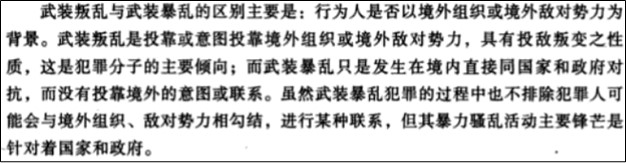
    Armed rebellion and armed rioting are not the same, as explained in Illustration of Standards and Application of Law for Filing a Case, Evidence Assessment, Conviction, and Sentencing (tu jie li an zheng ju ding zui liang xing biao zhun yu fa lü shi yong 图解立案证据定罪量刑标准与法律适用). Image credit:Illustration of Standards and Application of Law for Filing a Case, Evidence Assessment, Conviction, and Sentencing, China Legal Publishing House
    As public information about armed rebellion or armed rioting cases is almost non-existent, the defendants and their acts remain shrouded in secrecy. However, Dui Hua found evidence that these cases could be connected to an armed riot which broke out 24 years ago in Luzhou, Sichuan.
    Luzhou, Sichuan 
    The 24 people convicted in 1999 were all sentenced in a closed trial in Luzhou, Sichuan. Official sentencing records report that they participated in an anti-government militia called the Southwest Buddha League (西南佛联盟). Guizhou native Chen Faqing (陈发清) founded the militia in Yongxu County, Sichuan, in the early 1990s. Chen allegedly aimed to overthrow the Communist regime and save the Chinese people from an apocalypse that he said would occur between 1997 and 2000. The militia issued its own work permits, organized an independent household registration system, and established more than 30 bureaucratic divisions and a military academy. At its peak, the Southwest Buddha League had 1,120 registered members, according to provincial records.
    The militia attempted to stage an armed riot in April 1998 after two members were detained. On June 5, armed police surrounded the group’s stronghold in Daheidong Cave in Gulin County, detaining 48 core members and confiscating more than 400 pounds of explosives. The most lenient sentence in the case was three years in prison. However, Chen Faqing and three others were sentenced to death.
    A photograph of Luzhou, Sichuan, from August 2008. Image credit: Philip / CC BY-SA 4.0
    Another three were sentenced to 15 years’ imprisonment: two of them were released early while the third died in custody. In the early 2010s, Dui Hua inquired about the fate of two of the surviving members. Chen Yunhua (陈云华) was released on November 7, 2011, after receiving a 19-month sentence reduction. Zeng Xiangui (曾显桂) received four sentence reductions totaling 60 months between 2002 and 2008. Zeng was released on June 7, 2008.
    More Trials in Luzhou 
    Dui Hua’s research has uncovered more armed rioting trials after the case of Southwest Buddha League was concluded in 1999. Coincidentally, all the trials took place in Luzhou. In April 2008, Liu Zhonglin (刘中林) received a 10-year prison sentence and a one-year supplemental sentence of deprivation of political rights. In 2012, his sentence was reduced by one year. In 2015, Sichuan’s Ya’an Prison recommended that an additional 18-month sentence reduction be given to Liu because he demonstrated diligence in prison labor. If the recommendation was approved, Liu would have completed his sentence early in June 2015.
    An armed rioting trial as recently as 2019 was also concluded in Luzhou. The case involved three defendants: Li Guanghong (李光洪), Long Xianyao (龙先尧), and Wang Anhua (王安华). The judgment, which was published online on December 25, 2019, has since been removed amid the mass purge of court judgments beginning in June 2021. The specifics of the case are unclear because the contents of the judgment had not been disclosed. Precedent suggests that prison sentences for people convicted of armed rioting tend to be lengthier and more severe, and it is very likely that the three are serving their sentences somewhere in Sichuan.
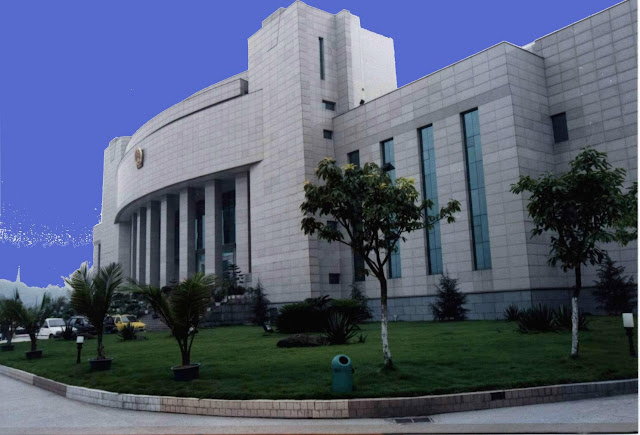
    Intermediate People’s Court of Luzhou City, Sichuan Province. Image credit: Baike 
    The 1998 incident in Luzhou took place at a time when the internet was at its infancy. It is the only armed riot known to have been documented online over the past two decades. It is difficult assess how truthful this official narrative is. Were there a recent outbreak of an armed riot, it is likely that some Chinese netizens would still have recorded and posted what they witnessed on blogging and messaging services.
    Dui Hua could not find information about any other armed riots or rebellion beyond what happened in Luzhou in 1998. The fact that all three known trials of armed rioting cases occurred in the same place can hardly be a coincidence. It is possible that those tried in 2008 and 2019 took part in the same 1998 incident and eluded police for an extended period. ESS cases are by nature sensitive and are subject to low transparency. Unless the Chinese government publishes more information about these trials, the incident officially labeled “Luzhou armed riot” will join the ranks of other mysterious ESS cases about which extremely little is known.
  • Of Dialogues and Prisoner Lists

     This essay, written by Dui Hua Executive Director John Kamm, was originally published in the US-Asia Law Institute’s journal USALI Perspectives, Volume 3, Number 16 on February 13, 2023. You can view the original posting here. 

    As China prepares to resume bilateral human rights dialogues, a human rights advocate reflects on their record.

    In August 1989, just weeks after the Chinese army opened fire on peaceful protesters in Tiananmen Square, the UN Human Rights Commission’s Subcommission on the Prevention of Discrimination and Protection of Minorities passed a resolution censoring China. It was the first and last time that China lost a vote at a UN forum over its human rights record.
    Since then, Beijing has strenuously lobbied and spent significant resources to make sure nothing like this ever happened again. Instead of multilateral discussions about its treatment of dissidents and minorities in open UN fora, the Chinese government persuaded Western countries to present their criticisms in closed-door, bilateral human rights dialogues. One of the main features of such dialogues was the presentation by the foreign party (and acceptance by the Chinese side) of prisoner lists. As China prepares now to revive its dialogues with some Western governments, it’s worth reflecting on the role that dialogues and prisoner lists have played.
    Switzerland and the United States were the first two countries that China invited to launch these dialogues, which began in 1991. Geneva was home to the Human Rights Commission (now the Human Rights Council), and China hoped to discourage future critical resolutions by lobbying Swiss officials in Geneva and Berne. Geneva also was home to the International Committee of the Red Cross (ICRC). Access to Chinese prisons by the ICRC has been a key demand of Western governments for decades.
    As for the United States, China was not fazed by the sanctions put in place by the George H.W. Bush administration after Tiananmen, but it was deeply worried by the prospect of Congress revoking its trade privileges, notably its MFN status. To avoid this outcome, Beijing made many concessions to prevent the loss of its trade status, including releasing dozens of political prisoners, agreeing to a memorandum on prison labor in 1992, and initiating numerous bilateral human rights dialogues.
    Throughout the early 1990s, other governments agreed to hold their own bilateral human rights dialogues with China. These included the European Union, the United Kingdom, Germany, Norway, Canada, Australia, and Japan. In addition to periodic human rights dialogues, the United States and China held seven sessions of a legal experts’ dialogue, focusing on rule of law issues. China also held human rights consultations with the Netherlands, New Zealand, and developing countries such as Brazil.
    In addition to the submission of prisoner lists, bilateral human rights dialogues featured visits to Chinese and American courts and prisons, and, in rare instances, meetings with representatives of civil society groups. All told, more than 120 sessions of human rights dialogues took place between China and foreign countries between 1991 and 2019, according to my count.
    As time went by, China held fewer and fewer dialogues with foreign governments. It also downgraded the status of officials leading the dialogues, from vice-minister to assistant minister, then to director general, and finally to deputy director general or special representative. According to a senior Chinese official, once China achieved its goals of lifting post-1989 economic sanctions and entering the World Trade Organization, it no longer felt the need to hold human rights dialogues or otherwise make human rights concessions.
    The last governmental dialogue, a session with the European Union, took place in 2019. China  cited various reasons for suspending or cancelling dialogues: with Norway, it was the 2010 award of the Nobel Peace Prize to Liu Xiaobo; with Japan, it was visits to the Yasukuni Shrine by senior Japanese officials.
    However, alarmed by the deterioration of China’s image in the West, Beijing decided in late 2022 to resume human rights dialogues with Western governments. On February 11, Hong Kong’s South China Morning Post reported that the EU and China would hold the 38th session of their human rights dialogue in Brussels at the end of the week of February 13. Beijing has hinted that it is willing to resume its dialogue with Australia.
    China suspended the dialogue with the United States on at least three occasions, most recently in 2016 after then-President Barack Obama met with the Dalai Lama. Then-assistant secretary of state for democracy, human rights, and labor, Tom Malinowski, declared that the dialogue with China had been a waste of time anyway. No efforts have been made to revive it.
    The suspension of both the human rights dialogue and the legal experts’ dialogue that same year were but two of the official US-China dialogues in various issue areas that were done away with immediately before or during the Trump administration. More recently, dialogues with the Biden administration on climate change and narcotics were frozen in the wake of then-House Speaker Nancy Pelosi’s visit to Taiwan in August 2022.
    The submission of prisoner lists to the Chinese government was always the most valuable part of rights dialogues. Some of these lists have been very long, containing hundreds of names of individuals subjected to coercive measures in virtually every province and autonomous region. Lists promote transparency and force the Chinese government to focus on specific individuals whose rights have been violated, drawing in ministries and courts responsible for the violations. In response to prisoner lists, over the years the government released information about the location and status of hundreds of political and religious prisoners who had simply dropped into a black hole.
    The lists also have played a role in gaining clemency for political and religious prisoners. According to a survey submitted by the Dui Hua Foundation to Congress in 2005, presence on a prisoner list tripled the chance that a prisoner would be granted clemency. Even when the Chinese government declines to respond to a list, evidence suggests that the inquiry is passed along to ministries and courts, where, occasionally, action is taken.
    For the same reasons that it downgraded human rights dialogues, China’s Ministry of Foreign Affairs increasingly resisted accepting prisoner lists. In one instance, a list was left on the table while the Chinese official leading the dialogue played video games on a cell phone. No written responses to prisoner lists submitted by governments have been recorded since 2012.
    Matters came to a head at the 18th session of the US-China dialogue in Kunming in July 2013. The leader of the Chinese side refused to accept the US list. Only after intense pressure from the US side was the list begrudgingly accepted. The director general who led the Chinese side made clear that this would be the last time the Ministry of Foreign Affairs accepted a prisoner list from a foreign government.
    While governments have been unable to hand over lists, my organization, the Dui Hua Foundation (whose name means “dialogue” in Chinese), has been able to submit lists continuously since it was established in 1999. By the end of December 2022, Dui Hua had handed over 463 lists containing altogether more than 2000 “unique” names of prisoners (“unique” means names are only counted once; it is not uncommon for a name to appear on dozens of Dui Hua lists). Interlocutors responded on 282 occasions, providing information on more than 1,000 unique names. In 2022, Dui Hua submitted 21 lists, received 27 responses, and learned of instances of clemency or better treatment for 22 names on its lists.
    The degradation of human rights dialogues that intensified after Xi Jinping assumed power in 2012 is not the only blow to judicial transparency during the strongman’s reign. In June 2021, China’s Supreme People’s Court purged all cases involving state security, “cults,” and death sentences from its judgment website. Crafting prisoner lists has become increasingly difficult for Dui Hua, but it has found new sources and new channels to continue submitting lists and getting responses.
    Experience tells us that dialogues cannot immediately solve China’s human rights problems, but they can increase transparency. Prisoner lists in particular have benefited prisoners and their families, and should be part of any resumed dialogues.  Dui Hua, which remains committed to a mutually respectful dialogue with the Chinese government, plans to continue submitting lists for as long as it is able to do so.
  • Crimes of Extremism, Part I: Observations on Use and Sentencing

    Crimes of Extremism, Part I: Observations on Use and Sentencing

    Screenshot from a 2019 CGTN program titled Fighting Terrorism in Xinjiang. Image credit: CGTN

    Extremism, officially defined in Chinese law as the “ideological basis of terrorism”, or more broadly, “inciting hatred, discrimination or agitating violence through distorting religious doctrines or other means, has long been integral to China’s security policy against the “three evil forces” (i.e terrorism, splittism, and religious extremism). However, it was not a precisely defined legal term until the following provisions were added in 2015 under Article 120 of the Criminal Law, “organizing, leading, and actively participating in a terrorist organization:”

    • Article 120(3): Promoting terrorism, or extremism or instigating terrorist activities;
    • Article 120(4): Using extremism to undermine implementation of the law;
    • Article 120(5): Coercing other people into wearing costumes or symbols to promote terrorism or extremism;
    • Article 120(6): Illegally possessing articles to promote terrorism or extremism.

    Reporting by overseas news media sources suggests that the four new crimes are most typically invoked against Uyghurs. The crimes have been criticized by United Nations’ special rapporteurs and working groups for being overly vague with no basis in binding international legal standards. Human rights groups have also said that many of the extremism arrests are made without evidentiary basis and authorities frequently fail to respect the due process rights of detainees.

    This is the first installment in a two-part series which discusses Dui Hua’s observations on extremism, with a focus on Article 120(3) and (6). Part I discusses the extent of the crimes’ application and sentencing trends, drawing on the 2016 statistics released by the Supreme People’s Court. Individuals charged with and convicted of extremism crimes are not exclusively members of ethnic minority groups, despite their accounting for most of the cases. Extremism cases are selectively published in Chinese government sources. Those involving Han are notably well documented, and only rarely do they receive lengthy prison sentences. Part II focuses on cases involving Muslim minorities. Hefty punishments appear commonplace in Xinjiang, but information on prisoners pre- and post-sentencing is extremely limited.

    Court Statistics One Year After Expansion

    According to the 12-volume Records of People’s Courts Historical Judicial Statistics: 1949-2016, China tried 1,403 extremism cases involving 2,463 defendants in 2016. Of them, 2,031, or 82 percent, were ethnic minorities. Additionally, 85 percent of the defendants were farmers. As Xinjiang has been cast as a key battlefield in the fight against extremism, it would be natural to assume that the charges are predominantly leveled against Muslim minorities.

    Table 1. Court statistics on extremism crimes for 2016

    Source: Records of People’s Courts Historical Judicial Statistics: 1949-2016
    Two-thirds of the defendants violated Article 120(3) “promoting terrorism, or extremism or instigating terrorist activities.” Slightly over one quarter were tried for Article 120(6) “illegally possessing articles to promote terrorism or extremism.” About five percent, or 124 people, were tried for Article 120(4) “using extremism to undermine implantation of the law.” Only 18 people were tried in 17 cases of Article 120(5) “coercing other people into wearing costumes or symbols to promote terrorism or extremism” in 2016.
    Of the four extremism crimes, Article 120(3) is most likely to result in lengthy prison sentences. Among the 1,669 people who received criminal punishment for this crime, 1,109, or 66 percent, received prison sentences of five years or more. By contrast, a much bigger portion of people who are tried for Article 120 (4), (5) and (6) received prison sentences below five years. The use of non-custodial punishment in all extremism cases was rare. Only 70 people convicted of the four extremism crimes were given suspended sentences or control (guanzhi).
    Members of China’s largest ethnic group, Han, are not immune to the crackdown on extremism. The court statistics indicated that 422, or 17 percent, of the 2,463 people tried for the new extremism crimes in 2016 were Han. Of them, 198 were tried for Article 120(3) “promoting terrorism, or extremism or instigating terrorist activities,” 172 for Article 120(6) “illegally possessing articles to promote terrorism or extremism,” 59 for Article 120(4) “using extremism to undermine implantation of the law,” and two for Article 120(5) “coercing other people into wearing costumes or symbols to promote terrorism or extremism.”
    Han Cases
     
    Han extremism cases are easily searchable in Chinese government and media sources. Their cases rarely result in lengthy prison sentences. Dui Hua found 18 cases tried in Beijing which invoked Article 120(3) or (6) from 2017-2021. There were 19 defendants, of whom 11 were Han, one ethnic Manchu, and one Dongxiang. Ethnicity is not always specified in the judgments. None of the Han defendants in Beijing received prison sentences of more than one year, and the lengthiest sentence of two years was given to a duo whose ethnicity is not specified.
    The circumstances of the publicly disclosed extremism cases in other Han-majority provinces are almost identical: they are accused of disseminating violent and terrorist videos they downloaded from overseas websites with the use of a VPN. The videos, typically filmed in the Middle East, contain scenes of violence with prisoners of war beheaded or executed, footage of Islamic State or sometimes Taliban attacks, training, and fighting. The defendants unwittingly commit Article 120(3) when they share the videos with their friends, post them on social media, or put them in cloud storage.
    A screenshot of a 2015 tweet from Mashable on Chinese-language ISIS propaganda. Image credit: Mashable Twitter account
    Most Han defendants are not religious, and they are depicted to have been driven by curiosity to download or share the violent videos. In some cases, they are convicted for simply poking fun at terrorist organizations or figures. In December 2019, news media sources reported that a man surnamed Zhang was sentenced to nine months in prison in Beijing for Article 120(3) for sending out a six-word joke in Chinese which can be translated as “follow me and believe in Islam, join the ISIS” to a WeChat group with over 300 people. He also used a photo of Bin Laden as his profile portrait.
    A portion of Han defendants were convicted of Article 120(6) “illegally possessing articles to promote terrorism or extremism” for keeping violent footage on their personal electronic or mobile devices, despite them not having shared anything with other people. None of the Han defendants convicted of this crime in Beijing received prison sentences exceeding one year.
    Targeting Han Dissidents
     
    While most Han defendants in extremism cases are portrayed as thrill seekers who inadvertently violate the law, precedents also show that extremism easily becomes a catch-all offense to be used in politically motivated prosecutions targeting political and religious dissenters. In such cases, prison sentences can be excessive. For instance, Huang Yunmin (黄云敏) is serving his 10-year prison sentence for Article 120(6), one of the longest prison sentences given to a Han dissenter for an extremism crime. Huang was initially detained for provoking ethnic hatred in March 2017 for accompanying farmers and ex-soldiers to Beijing to petition during the “Two Sessions.” Additionally, prosecutors accused Huang of downloading a large number of anti-China footage from overseas websites and audiovisual materials related to the July 5 Urumqi riots. Huang is scheduled for release in 2027.
    (Clockwise top left) Journalist Zhang Baocheng; Huang Yunmin, known for helping petitioners; Zhao Waikei, Xuncheng Reformed Church leader. Image credits: Civil Rights and Livelihood Watch via RFA; Asia News; WeChat via ChinaAid
    Han who express sympathy with the Uyghur cause are at heightened risk of imprisonment for extremism crimes. Zhang Baocheng (张宝成) is serving his 42-month prison sentence in Beijing for Article 120(3) and “picking quarrels and provoking trouble” until November 27, 2022. The extremism charge, which afforded him a prison sentence of eight months, stemmed from one video clip he circulated about “East Turkestan.” In November 2021, the UN Working Group on Arbitrary Detention concluded that Zhang’s detention since 2019 was “arbitrary” and called on China to “release Mr. Zhang immediately,” noting that the prosecution’s main evidence against him related not to violence but to his tweets criticizing the re-education camps in Xinjiang holding Uyghurs. The Working Group’s ruling was made public by one of the plaintiffs on April 25, 2022.
    In a separate case, Hu Xincheng (胡新城) was arrested for Article 120(3) in Taiyuan, Shanxi, in January 2022 because of his journalistic work. Hu became a thorn in the side of local governments after he published hundreds of articles and reports about corruption. Additionally, Hu reportedly gave advice to petitioners on how to find redress for grievances within the petitioning system.
    Extremism is also used to target Christians unwilling to join the state sanctioned Three Self Patriotic Church. In July 2020, police in Taiyuan arrested Zhao Weikai (赵维凯) for Article 120(6). Zhao, a leader of the Xuncheng Reformed Church, repeatedly faces harassment by the authorities because of his insistence on educating his three children at home instead of sending them to a state school to receive atheist education. Zhao was formally arrested in the same month, being accused of possessing extremism materials.
    Part II will be published next week. Subscribe to Dui Hua publications here. 
  • The Persecution of Unorthodox Religious Groups in China: A report by Dui Hua

    The Persecution of Unorthodox Religious Groups in China: A report by Dui Hua

    (Clockwise from top left) Chinese government anti-cult propaganda; Tablighi Jamaat members with Hui Muslims at a mosque; practitioners of Yi Guan Dao; promotion for Milky Way Federation; a notice expanding the penalties under Article 300; the Jesus Family. Image credits: The Paper; Umal Al-Dawa Youtube Account; Jin De Fo Tang’s Facebook account; Sohu; Liaoning Pindao; Bridge Magazine

    Dui Hua’s new report “The Persecution of Unorthodox Religious Groups in China” [PDF, 1.4 MB] details and analyzes the Chinese government’s treatment of unorthodox religious groups, listing known banned groups and the actions taken against them. The report, compiled over several months in 2021, offers a view into a substantial and largely unrecognized aspect of the Chinese population.

    “The Persecution of Unorthodox Religious Groups in China” is based on legal documents, media reports, case studies, official publications, Chinese government responses to requests for information on persecuted prisoners, court statistics, and Dui Hua’s Political Prisoner Database (PPDB).  It provides a comprehensive view of how non-state sanctioned religious practitioners come into conflict with the law, how officials at different levels of government criminalize unorthodox worship, and how past trends can inform future advocacy for those undergoing coercive measures for the non-violent expression of their beliefs.

    As early as 1951, regulations on punishing counterrevolutionaries targeted leaders of reactionary religious organizations. Currently, the Chinese government allows its citizens to take part in the five state-sanctioned patriotic associations of Buddhism, Catholicism, Daoism, Islam, and Protestantism, but many seeking spiritual salvation look beyond government-approved faiths and embrace unorthodox religious groups.

    Graph 1. Defendants and 1st-instance cases accepted and concluded for violating Article 300(1)
    Image credit: The Dui Hua Foundation

    Noting the extensive historical context informing the Chinese government’s approach to religious groups, especially those not sanctioned by the state, Dui Hua found that the 1997 revision to the criminal law placed “cult” trials into the purview of district courts, resulting in less transparency and attention for such cases. By 1999, trials of Article 300 cases—for those accused of organizing and using superstitious sects, secret societies, and religious organizations to undermine the law—soared, largely due to the ban on Falun Gong.

    The report includes an overview of 41 unorthodox religious groups; a summary of laws and regulations targeting unorthodox religious groups; analysis of court statistics from 1979-2016; discussion of deteriorating transparency in the disclosure of information on Article 300 cases; analysis of religious persecution using the PPDB; a summary of Dui Hua’s advocacy for such prisoners using prisoner lists and responses; and recommendations for future advocacy.

    Table 1. Breakdown of unorthodox religious practitioners in PPDB by affiliation
    Source: PPDB

    The objective of the report is to enable more effective interventions on behalf of practitioners of unorthodox religious groups who face coercive measures under Article 300 by providing insight and actionable information. Its main findings include the following:

    • The number of adherents of orthodox religious groups makes up more than 10 percent of China’s population, perhaps as many as 15 percent. Unorthodox religious groups exist in all of China’s provinces and autonomous regions, and many have developed links to international groups. If the number of unorthodox religious adherents was incorporated into official figures, then the number of all religious practitioners in China would far exceed the current government figure of 200 million official practitioners (as of 2018).
    • Adherents of unorthodox religious groups subjected to coercive measures for violating Article 300(1)—“organizing and using a cult to undermine implementation of the law”—and other charges make up 60 percent of all prisoners in the PPDB. Their numbers have swelled in recent years as sentence reductions and paroles have been restricted.
    • The most common crime for which adherents of unorthodox religious groups are imprisoned is covered by Article 300(1) of China’s Criminal Law but other crimes are also used, including endangering state security and economic crimes like committing fraud (Article 266) and operating illegal businesses (Article 225).
    • Falun Dafa (aka Falun Gong) and the Church of Almighty God have the largest number of adherents, but there are many other smaller groups. This report identified 41 unorthodox religious groups operating in China today or during the last two decades.
    • From 1998-2016, women made up 41 percent of those sentenced to prison for violating Article 300, five times the percentage of all women prisoners in China.
    Graph 2. Gender Breakdown of prisoners and unorthodox religious prisoners in PPDB
    Image credit: The Dui Hua Foundation
    • Adherents of unorthodox religions are typically non-violent. Instances of violence are rare; when they occur, the Chinese government features them in “anti-cult” propaganda. Adherents have been convicted of rape and murder. Those so convicted are often executed.
    • The persecution of unorthodox religious groups has existed since the founding of the People’s Republic in 1949; adherents were classified as counterrevolutionaries prior to 1997. They have been viewed as threats to the government’s hold on power.
    • Persecution of unorthodox religious practitioners rose sharply following the banning of Falun Gong in 1999. In recent years, practitioners have seen sentences increase and clemency restricted. Persecution shows no sign of abating. In 2018, there were 3,550 people tried for violating Article 300(1), one of the highest numbers of individuals tried for this charge in recent years.
    • Adherents of unorthodox religions rarely make their way onto prisoner lists submitted to the Chinese government in bilateral and multilateral human rights dialogues. Their numbers dwarf those subject to coercive measures for exercising their political beliefs.
    Dui Hua encourages governments to raise the issue of this persecution in formal and informal discussions on human rights with the Chinese government and to include the names of imprisoned practitioners of unorthodox religions to the lists compiled for use in human rights dialogues with China. When, and to the extent possible, governments and NGOs should support appeals of unorthodox religion practitioners to Special Procedures of the United Nations. More so, governments and NGOs should incorporate concerns about the persecution of unorthodox religious groups into submissions to China’s Universal Periodic Review, tentatively scheduled for October 2023.
    Finally, governments should use this report when considering applications of political asylum by practitioners of unorthodox religions. Some governments, particularly in Europe, have become more open to accepting asylum requests for Church of Almighty God members. Dui Hua encourages courts to recognize the persecution of unorthodox religious group members as grounds for asylum and to recognize precedents for such asylum requests.
  • Decoding State Security Trials, Part II: “Other” Trials & Other Provinces

    Decoding State Security Trials, Part II: “Other” Trials & Other Provinces

    Haikou Intermediate People’s Court in Haikou, Hainan Province, People’s Republic of China. Image credit: Anna Frodesiak / CCO

    In China, trials for crimes of endangering state security (ESS) are capable of generating intense, international media scrutiny while also being woefully opaque. In the face of severe degradations in judicial transparency, increasingly scant data—the latest from 2020—suggests that ESS trials have surged in recent years.

    In Part I, Dui Hua looked at available statistics for ESS trials, focusing on Tibet—where ESS cases rose sharply in 2020—and Xinjiang, which accounted for the largest percentage of ESS trials of any Chinese region through the mid-2010s. This entry considers the rates of additional trials categorized as “other” in China Statistical Yearbooks (中国统计年鉴): dereliction of military duty, criminal offenses prior to 1997, and ESS trials in Han-majority provinces and Guangdong.

    “Other” Trials: ESS, Dereliction of Military Duty, and Cases Before 1997

    Table 1. Number of cases and people arrested and indicted for dereliction of military duty, 2012-2018
    Source: China Statistical Yearbooks
    Dereliction of military duty typically makes up a negligible number of “other” trials. From 2012-2016, Chinese courts concluded 48 trials of dereliction of military duty, just one percent of “other” trials. China Statistical Yearbooks revealed that only two people were arrested for the crime in 2016, and no single arrest was made from 2017-2020. Additionally, no one was indicted in the three years since 2016. Assuming the same trend of arrest and indictment continues, it is to be expected that only a handful of dereliction of military duty cases had proceeded to trials in the four years since 2017.
    “Other” trials also include the little-known category of pre-1997 criminal cases, which concern crimes committed before the revised Criminal Law took effect on October 1, 1997. The Records of People’s Courts Historical Judicial Statistics: 1949-2016 indicated that nearly 60 percent of “other” trials concerned pre-1997 criminal cases from 2012-2016. In 2012 alone, fifteen years after the 1997 Criminal Law came into force, as many as 995 trials were concluded, accounting for 72 percent of “other” trials in that year. While there is insufficient information to estimate the number of pre-1997 criminal cases in recent years, the number showed signs of abating. In 2016, only 88 trials were concluded, down from 651 and 191 trials in 2014 and 2015, respectively.

    Table 2. Number of “other” trials and trials of ESS, dereliction of military duty trials, and pre-1997 criminal cases
    *(a) = (b) + (c) + (d); Sources: China Statistical Yearbooks & Records of People’s Courts Historical Judicial Statistics: 1949-2016
    Among the pre-1997 criminal cases to have been concluded after 1997 are the now-defunct crimes of counterrevolution, with a notable example being Chen Yulin (陈瑜琳). The former employee of Xinhua News Agency was accused of handing over materials, including the Xinhua telephone directory and organization chart, to a British agent embedded in the Hong Kong police force during his tenure in the early 1990s. In 2004, he was sentenced to life imprisonment in Guangzhou. He was convicted not of ESS, but of the counterrevolution crime of espionage in accordance with the 1979 Criminal Law. Chen completed his sentence in August 2020 following multiple sentence reductions granted to him since 2007.
    Hooliganism, another crime which no longer exists in the 1997 Criminal Law, was among the cases which could be found under the category of pre-1997 criminal cases before the mass purge of China Judgements Online in June 2021. China’s Criminal Law imposes no limit on the period of prosecution for cases where the suspect has escaped after a pre-1997 criminal case has been filed by police or the procuratorate, or heard by the courts. Some hooliganism cases concern prisoners who were released on probation but re-sentenced after 1997 for violating parole rules. Courts can also hear a new case and extend sentences for hooliganism prisoners for violating prison regulations. A few prisoners were sentenced to new offenses that were missing in the original hooliganism trials, and thus received sentence extensions.
    Han-Majority Provinces & Guangdong
    Outside of Tibetan regions and Xinjiang, Dui Hua’s research into provincial statistical yearbooks found that few ESS trials have been concluded in Han-majority provinces. In Chongqing, no ESS trials were held from 2018-2020. Hainan accepted and concluded two ESS trials in 2020, whereas Guizhou only held one ESS trial every year from 2014-2019.
    More ESS trials took place in Guangdong, but the figures are far out of proportion given the province’s large population. From 2013-2019, courts in Guangdong concluded 54 ESS trials. Although the numbers in 2020-2021 are not yet available, it is likely that some of the latest ESS trials were closely related to Hong Kong.
    In 2018 and 2019, Guangdong authorities arrested a total of 17 people on suspicion of ESS and indicted a total of 30 people on ESS charges. Some of the ESS arrests in Guangdong over the past three years involved Hong Kong’s anti-extradition bill protests. In April 2021, state-run news media publicized four ESS cases in Guangdong, two of which were Hong Kong-related. In June 2020, a university student from Hong Kong surnamed Yeung was accused of subversion while studying in the mainland. Yeung not only retweeted in support of Hong Kong’s “black-clad mobs,” but also smeared the police force with a stated goal to bring Hong Kong’s model of political resistance to China.
    In the second case, a mainland student studying at the University of Hong Kong posted information on social media to support Hong Kong protesters and attack the central government. His messages also included “liberate Hong Kong,” a banned slogan also deemed capable of inciting secession in the former British colony. Detained in June 2020 upon his return to the mainland, the student reportedly wrote a 100,000-word repentance statement in which he vowed not to take part in activity that endangers state security.
    More Hong Kong-related ESS arrests were made in Guangdong. In September 2021, news media sources reported that independent journalist Huang Xueqin (黄雪琴) was placed under residential surveillance at a designated location in Shenzhen. She was formally arrested for inciting subversion the following month. Prior to her arrest, Huang was briefly detained for “picking quarrels and provoking trouble” in 2019 after taking part in and publishing writings about the Hong Kong protests. Arrested with Huang in October was her friend Wang Jianbin (王建兵), an education and labor advocate. Wang too was arrested for inciting subversion.
    ESS trials have long been criticized for being opaque. A number of these trials were held behind closed doors with citizens, journalists and foreign diplomats shut out, as in the cases of the Canadians Michael Spavor and Michael Kovrig and Australian citizen Yang Hengjun (杨恒君, aka Yang Jun). The identities, acts, and fates of many more people tried, convicted, and sentenced in ESS cases are not known.
    Media attention for recent ESS cases on Twitter (left to right): Reporters Without Borders calls for the release of Huang Xueqin; PEN America calls for the release of Yang Hengjun; Canada’s Prime Minister hails the release of Michaels Kovrig and Spavor. Image credits: RSF in English Twitter account; PEN America Twitter account;  Justin Trudeau Twitter account
    In 2021, transparency of ESS cases dipped to a record low. Dui Hua’s Political Prisoner Database has information on 68 individuals who were sentenced in ESS trials of first instance in 2020. With the mass purge of court judgments online, the Chinese government has undone some of its progress in judicial transparency and, in doing so, possibly harmed its own rule of law.
  • Decoding State Security Trials, Part I: ESS Cases in Tibet Rose Sharply in 2020

    Decoding State Security Trials, Part I: ESS Cases in Tibet Rose Sharply in 2020

    Chinese guard in Potala Square on May 20, 2014. Image credit: Andrew and Annemarie / CC BY-SA 2.0

    Crimes of endangering state security in China achieved international attention in 2021 with high-profile cases related to hostage diplomacy, even as available information about individual trials decreased. Such crimes include subversion, splittism, incitement to subversion/splittism, espionage, and state secrets violations. They carry a mandatory supplemental sentence of deprivation of political rights, precluding individuals from writing articles, giving interviews, voting, standing for office, and working in a state-owned company.

    From 2017-2020, Chinese courts concluded 1,330 trials of endangering state security (ESS), dereliction of military duty, and pre-1997 offenses, according to Dui Hua’s analysis of data published annually in China Statistical Yearbooks (中国统计年鉴) by the National Bureau of Statistics. The yearbooks, accessible on the National Bureau of Statistics website, provide information on the number of first-instance criminal trials accepted and concluded by people’s courts nationwide.

    ESS, dereliction of military duty, and criminal offenses prior to October 1, 1997 are typically included in the category of “other” trials. In 2020, the latest year for which information is available, trials of ESS by Chinese courts appear to have surged. They accepted 417 “other” trials, up from 257 and 317 in 2018 and 2019, respectively. The courts also concluded 382 “other” trials in 2020, an increase from 218 and 283 over the previous two years.

    This post, the first of two, looks at the number of ESS trials in Tibetan areas as well as in Xinjiang. Part II details case numbers for “other” trials such as dereliction of military duty as well as ESS trials in Han-majority provinces and Guangdong.

    Table 1. Number of “other” trials and trials of ESS, dereliction of military duty trials, and pre-1997 criminal cases

    *(a) = (b) + (c) + (d); Sources: China Statistical Yearbooks & Records of People’s Courts Historical Judicial Statistics: 1949-2016

    A fair portion of “other” trials are made up of ESS. Statistics released by the Supreme People’s Court in the 12-volume Records of People’s Courts Historical Judicial Statistics: 1949-2016 confirmed that a total of 1,602 ESS trials were concluded from 2012-2016, making up 40 percent of “other” trials. In 2016, as many as two-thirds of the 285 “other” trials concluded were ESS.

    Tibet

    Tibet covers one-eighth of China’s territory and has a relatively small population of 3.6 million people, but a disproportionately large number of China’s ESS trials are concluded in the region. With a level of transparency not seen in other provinces, the high court of the Tibet Autonomous Region has annually disclosed the number of ESS trials in the region for the years 2018-2020. In 2018, 25 people were tried for inciting splittism and providing funds to entities/individuals to endanger state security. The following year, 37 people were tried in 24 ESS cases involving the same offenses. The latest available 2021 work report stated that the number of ESS cases in 2020 increased to 65 involving 74 defendants.

    Official figures disclosed in Ganzi Prefecture also hint at the extent of crackdown in the Tibetan autonomous region in western Sichuan. Although trial numbers are not available, the prefecture’s procuratorate approved the arrest of nine individuals in seven ESS cases in 2020, according to its 2021 annual work report. That same year, 15 people were indicted in 12 ESS cases. While figures are available for Tibet and Ganzi, it is not known how many people were arrested, indicted, or tried in other Tibetan regions in Sichuan, Gansu, Ningxia, and Yunnan.

    Tibetans stand accused of ESS for sharing news and opinions on social media and for contacting relatives living in exile, sometimes with news of anti-government protests. Chinese authorities maintain tight control over information flows across the Tibetan regions. Dui Hua’s research into court judgments found the names of nine Tibetans who were tried for inciting splittism in Ganzi between June and August 2020. From September to December of the same year, six more Tibetans were tried in Ganzi, and seven Tibetans were tried for the same crime in its neighboring Aba Prefecture. These judgments provided no information beyond their names, the charges against them, and the dates of the judgment.

    Xinjiang

    Dui Hua’s analysis of data published in the annual work reports of the Xinjiang High People’s Court through the mid-2010s found that the autonomous region accounted for the largest percentage of ESS trials of any Chinese region. About 300 ESS trials were held in Xinjiang each year in 2013 and 2014, accounting for three quarters of China’s total ESS trials. The number decreased in 2015, but Xinjiang continued to account for almost half of the 214 ESS trials nationwide. The lack of publicly available data in recent years makes it impossible to ascertain whether the majority of ESS cases continued to be concluded in the region. The use of the vast network of re-education camps beginning in 2017 might have an impact on the number of ESS trials. Authorities in Xinjiang can easily stifle dissent under the pretext of vocational training without invoking ESS crimes.

    In 2021, transparency of ESS cases dipped to a record low. Dui Hua’s Political Prisoner Database has information on 68 individuals who were sentenced in ESS trials of first instance in 2020. With the mass purge of court judgments online, the Chinese government has undone some of its progress in judicial transparency and, in doing so, possibly harmed its own rule of law.

    Read Part II.