Tag: torture

  • Chinese Asylum Seekers in Bangkok, Part I

    Chinese Asylum Seekers in Bangkok, Part I

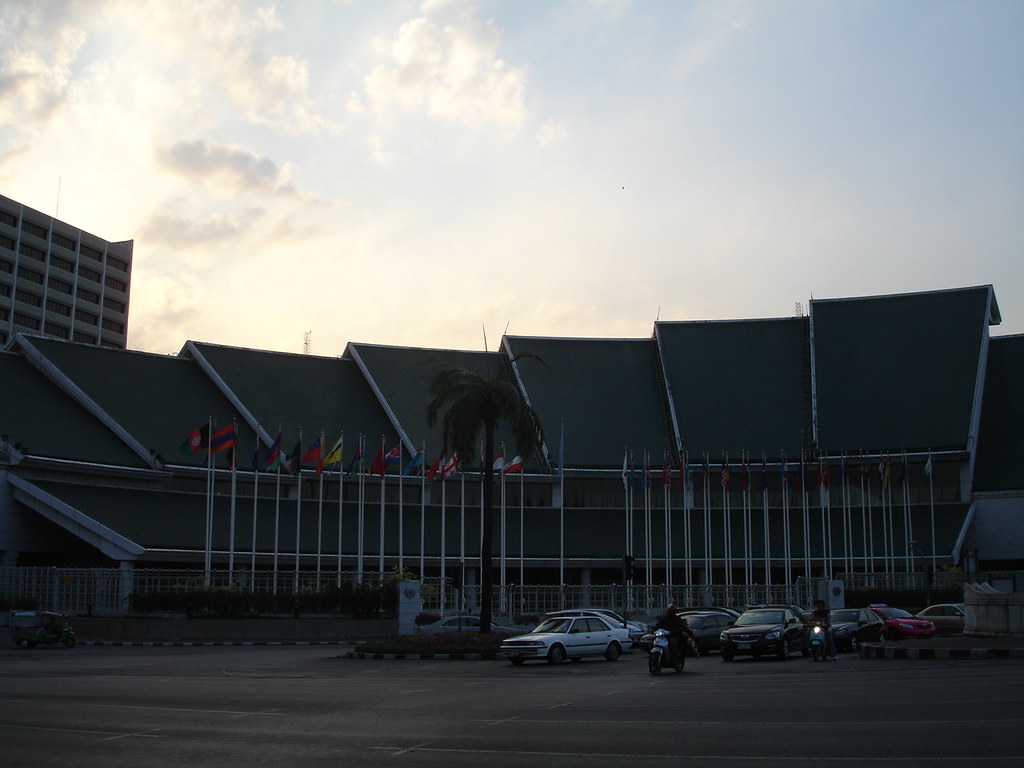
    The United Nations building in Bangkok, Thailand. Image credit: dsin_travel / CC BY 2.0 

    China has consistently ranked among the top 20 refugee producing countries every year since 2003, according to statistics published by the United Nations High Commission for Refugees (UNHCR). The latest statistics published in June 2021 indicated that China was 18th on the UNHCR’s list at the end of 2020. The number of UNHCR-registered refugees originally from China reached 175,585. Additionally, there were 107,864 Chinese asylum seekers around the globe with pending claims. The number of asylum seekers increased nine-fold from just 11,375 in 2011, the year before paramount leader Xi Jinping assumed power.  

    Table 1. UNHCR’s Forced Displacement Statistics (Country of Origin: China)

    Source: UNHCR, Refugee Data Finder, 2003-2020 
    Many UNHCR-recognized refugees from China consider the West a destination of choice for resettlement. After taking the first step in the long journey to asylum, many refugees from China sojourn in Thailand where they await refugee status determination. It is an administrative process by which the Bangkok-based regional office of UNHCR for Southeast Asia determines whether a person seeking protection qualifies as a refugee under international law. Bangkok is home to an estimated 8,000 urban refugees—hailing from Asia, the Middle East, and Africa.  

    Dui Hua is not aware of any official statistics about Chinese asylum seekers in Thailand. However, Bei Ling, founder of “Home of Refugees” in Thailand in 2015, estimated that more than 300 Chinese asylum seekers were in the country as of October 2018.  

    This is the first entry in a two-part series examining issues facing Chinese asylum seekers in Thailand. This entry explores who they are and why they have fled China. The second entry will look at how and why Thailand falls short of being a safe haven. Prospective refugees with or without valid passports risk criminal detention for overstaying in Thailand. Their predicaments also include indefinite wait times for third country resettlement. The fact that Thailand fails to abide by the principle of non-refoulement also places a heightened risk of repatriation for those seeking protection from persecution at home. 

    Why Thailand?

    Thailand started to become a popular place of transit for Chinese refugees about two decades ago. Prior to that, those with a well-founded fear of persecution decamped to colonial Hong Kong to flee political persecution thanks to the lax border controls at the time. Since China resumed sovereignty over the former British colony in 1997, Hong Kong has ceased to be a popular destination for asylum protection.  

    For decades, Hong Kong has been a magnet for refugees. It is troubling to see a spiked increase in asylum seekers from Hong Kong since civil unrest triggered first by the now-rescinded extradition bill, and then by the sweeping arrests made under the National Security Law. The law criminalizes secession, subversion, terrorism, and collusion with foreign forces. At the end of 2020, there were 487 registered asylum seekers from Hong Kong, up from 22 in 2018 before mass protests erupted in June 2019. 

    While a portion of those who fled China could be considered “economic migrants” in search of sustenance and a livelihood, China’s much-lauded economic success has fallen short of stopping people from fleeing abroad. Critics of one-party rule, adherents of banned religious groups, civil rights activists, petitioners, and ethnic minority groups are continuing to seek asylum protection abroad via Thailand.  

    Chinese nationals find entry to Thailand easier than other neighboring countries or regions including South Korea, Japan, and Taiwan, mainly because they benefit from the 15-day visas on arrival available to them (Thailand has suspended this arrangement due to the outbreak of coronavirus). Entry to elsewhere requires obtaining a pre-arranged visa. 

    The Thailand-Laos overland crossing checkpoint at Sop Ruak. Image credit: Slleong / CC0 via Wikimedia Commons 

    Because of geographical proximity, those without proper legal documents can resort to traveling illicitly overland from Yunnan with the help of smugglers. Chiang Mai, for instance, is reachable by land transport from Yunnan’s border in nine hours. From Chiang Mai, it is another half-day journey to Bangkok, where asylum seekers file their refugee claims at the UNHCR office. 

    Why Flee?

    Political Prisoners

    Geng He (耿和), wife of human rights lawyer Gao Zhisheng, is arguably the most notable example of a family member of a Chinese political prisoner fleeing political persecution via Thailand. She left for Bangkok with her children in January 2009 while her husband was serving his suspended sentence for inciting subversion. Gao’s entire family faced reprisal because Gao took on controversial cases and publicly called for an end to the persecution of Falun Gong. While in China, Gao’s children were prevented from attending school. Geng and her children stayed in Bangkok for two months before resettling in the United States. However, it must be noted that such speedy granting of asylum by the United States was only expedited by international attention. As will be discussed in Part II, the wait time for third country resettlement is often indefinite. Today, Gao remains under house arrest even after his sentence expired in August 2014. 

    Another asylum application involved Hua Yong (华涌), who arrived in Canada in April 2021. Hua is a well-known painter from Beijing who posted videos documenting forced evictions and demolitions in poor neighborhoods. He was placed under residential surveillance at a designated location for three months after meeting with the father of Dong Yaoqiong, a girl who was admitted to a psychiatric facility after she live-streamed a video of herself accusing the Chinese Communist Party of “thought control.” Hua escaped to Thailand in September 2019. 

    Dui Hua previously assisted former political prisoner Li Huangming (李焕明) with verifying his claim for political asylum. Before being granted political asylum in Finland in May 2013, Li fled to Bangkok after he completed his nine years’ sentence for inciting subversion in September 2010. The conviction stemmed from him distributing or planning to distribute tens of thousands of “reactionary” flyers in Shenzhen. While awaiting refugee resettlement, Li wrote stories about other Chinese asylum seekers in Bangkok for Boxun and other NGOs. In an article published by Human Rights in China in November 2012, Li wrote that Bangkok’s UNHCR office had a special team of interpreters and officials to handle the surge of applications from Chinese dissidents.  

    Li wrote about changing demographics of Chinese asylum seekers. A significant number of applications were submitted by petitioners contrary to the popular belief that most Chinese refugees are supporters of China’s democracy movement, violators of the one-child policy, and adherents of banned religious groups such as Falun Gong and house churches. 

    Petitioners

    Li’s observation is in line with what has been reported in unofficial news sources in recent years. Petitioners fled to Bangkok because they face reprisal in China after lodging futile complaints about land expropriation or forced demolition in their home cities.  

    Petitioner Zhang Shufeng protests at UNHCR’s Bangkok office while holding a bilingual slogan that says “Request UNHCR help.” Image credit: Mirror Media 

    Zhang Shufeng (张淑凤), a native of Beijing, fled to Bangkok in 2014 and obtained refugee status three years later. Taiwan-based Mirror Media reported that Zhang’s family was subjected to house arrest, beatings, and constant surveillance by government-hired thugs in China. Surveillance intensified during the “Two Sessions” (the National People’s Congress and the Chinese People’s Political Consultative Conference) and other political events. In Bangkok, Zhang protested at the UNHCR office while holding a bilingual slogan saying “Request UNHCR help,” in the hope that the UNHCR would expedite her resettlement process.  

    In January 2017, unofficial news media reported that Beijing evictee Wang Ling (王玲) joined her son who had arrived in Bangkok in December 2016 to maximize the chance of them both getting through Chinese immigration checks. Wang claimed that she had received death threats from police after pursuing complaints about the forced demolition of her home. In 2008, she was sentenced to 15 months of re-education through labor and had been detained a total of 11 times. The news of abnormal deaths in police custody made Wang fear for her life.

    Religious Persecution

    Falun Gong practitioners still make up a large portion of asylum seekers in Bangkok. Many of them have fled persecution after the suppression of the spiritual sect began in 1999. One widely publicized case concerns Song Zhiyu (宋志宇), who escaped to Thailand in early 2014 via Myanmar after completing his three-and-a-half-year sentence for “organizing a cult to undermine implementation of the law.” In a Reuters interview in 2016, Song recounted how he “was spirited across a river into Thailand and hidden in the luggage hold of a Bangkok-bound bus.” Song claimed that Thailand had about 160 Falun Gong refugees and asylum seekers. The Thai authorities have taken an interest in them owing to the close bond between the military junta and Chinese government since 2014. More than 29 practitioners had been arrested on immigration charges under the military junta, said Song. 

    Members of the Early Rain Covenant Church in Chengdu have also made their escapes via Thailand and joined the ranks of asylum seekers before pastor Wang Yi (王怡) was sentenced to nine years in prison for subversion and illegal business activity in December 2019. The crackdown on this prominent house church prompted Liao Qiang (廖强) to travel to Thailand with five of his family members in July 2019. They stayed in Thailand only for three days before transiting to Taiwan. However, their stay in Taiwan was only temporary because Taiwan does not have a refugee law. Liao and his family left for the United States on June 29, 2021 after receiving political asylum there. 

    Civil Activism

    New groups of asylum seekers have emerged following Xi Jinping’s sweeping crackdown on civil society since he took power in 2012. Some were participants of the “Southern Street Movement,” a series of small-scale street banner protests that occurred in southern cities such as Guangzhou and Shenzhen from 2012-2013. The movement called for democratic reform and government officials to disclose assets.  

    Among the “Southern Street Movement” asylum seekers were Wu Yuhua (吴玉华) and her husband Yang Chong (杨崇). They fled China in early 2015 after being targeted by police for supporting the protests in Guangzhou. Two years later, the couple was granted refugee status in Bangkok.  

    Yang Chong holding up a banner calling for human rights and elections in 2015. Image credit: Bnn.co
    Supporters of the New Citizens’ Movement have also sought political asylum. The movement was promoted by prominent legal scholar and civil rights lawyer Xu Zhiyong, who was formally arrested for subversion in January 2021 after calling on Xi Jinping to step down. Sharing similar aspirations with Xu, Yan Bojun (颜伯钧) arrived in Bangkok in early 2015 after several futile attempts to leave China. In 2016, Yan published a book in Japan recounting the suppression he faced after helping Xu provide legal assistance to victims of social injustice. He had been placed under criminal detention several times in China; the longest one lasted 30 days. 
    Liu Xinglian (刘兴联), another UNHCR-recognized refugee, was arrested in Hubei for inciting subversion in June 2015 due to his involvement in Qin Yongmin’s “China Human Rights Watch.” The group promoted the idea of a peaceful transformation to a democracy and circulated Qin’s articles about the inevitable demise of China’s autocratic rule. After Liu was released on bail in April 2016, he managed to escape to Bangkok in 2017.  

    Uyghurs & Kazakhs

    Pakistan, which borders Xinjiang, was once a popular escape route for Uyghurs seeking to escape Chinese state repression, but its growing economic reliance on China has made Uyghurs fear for their future. Pakistani Prime Minister Imran Khan said as recently as July 2021 that, “What they [China] say about the programs in Xinjiang, we accept it.”  In the mid-2010s, a large group of Uyghurs made a long detour south to Bangkok before human rights abuses associated with the “re-education camps” made international headlines. However, Uyghurs are typically not interested in registering in Thailand as asylum seekers, according to a UNHCR statement in 2015. They were only looking for ways to get to Turkey, a destination of choice with an estimated 50,000 Uyghur residents.  

    Thai authorities have confirmed a staggering number of Uyghur escapees in Thailand. In 2014, a group of 424 Uyghurs were detained in Thailand. In July 2015, over 170 Uyghurs were released to start new lives in Turkey, but a week later the Thai government repatriated 109 refugees to China. In July 2017, Thai immigration police said about 60 Uyghurs remained in detention centers across the country. As recently as 2020, their number was down to about 50. They were remnants of the Uyghurs who fled to Thailand in 2014. 

    Evidence also suggests that ethnic Kazakhs have fled Xinjiang’s massive surveillance and detention campaign. A recent case involved Qalymbek Shahman, who Uzbek authorities sent back to Thailand after being denied entry to Kazakhstan in January 2019. He was subjected to intense racial profiling in China, making it impossible for him to make a living. “I would have my ID checked every 50 to 100 meters when I was in Xinjiang…Whether it was getting on a plane, on a train or other public transportation, they would spend half an hour checking me out every time.” His clients became concerned as to why he was routinely monitored and consequently stopped doing businesses with him. 

    Chinese asylum seekers in Thailand face a number of problems beyond finding safe haven, including the lack of legal recognition. The second instalment will explore why and how Thailand falls short in protecting asylum seekers, and the challenges asylum seekers encounter once in Thailand. 

    Read Part II here.

  • Chinese Asylum Seekers in Bangkok, Part I

    Chinese Asylum Seekers in Bangkok, Part I

    The United Nations building in Bangkok, Thailand. Image credit: dsin_travel / CC BY 2.0

    China has consistently ranked among the top 20 refugee producing countries every year since 2003, according to statistics published by the United Nations High Commission for Refugees (UNHCR). The latest statistics published in June 2021 indicated that China was 18th on the UNHCR’s list at the end of 2020. The number of UNHCR-registered refugees originally from China reached 175,585. Additionally, there were 107,864 Chinese asylum seekers around the globe with pending claims. The number of asylum seekers increased nine-fold from just 11,375 in 2011, the year before paramount leader Xi Jinping assumed power.

    Table 1. UNHCR’s Forced Displacement Statistics (Country of Origin: China)

    Source: UNHCR, Refugee Data Finder, 2003-2020
    Many UNHCR-recognized refugees from China consider the West a destination of choice for resettlement. After taking the first step in the long journey to asylum, many refugees from China sojourn in Thailand where they await refugee status determination. It is an administrative process by which the Bangkok-based regional office of UNHCR for Southeast Asia determines whether a person seeking protection qualifies as a refugee under international law. Bangkok is home to an estimated 8,000 urban refugees—hailing from Asia, the Middle East, and Africa.

    Dui Hua is not aware of any official statistics about Chinese asylum seekers in Thailand. However, Bei Ling, founder of “Home of Refugees” in Thailand in 2015, estimated that more than 300 Chinese asylum seekers were in the country as of October 2018.

    This is the first entry in a two-part series examining issues facing Chinese asylum seekers in Thailand. This entry explores who they are and why they have fled China. The second entry will look at how and why Thailand falls short of being a safe haven. Prospective refugees with or without valid passports risk criminal detention for overstaying in Thailand. Their predicaments also include indefinite wait times for third country resettlement. The fact that Thailand fails to abide by the principle of non-refoulement also places a heightened risk of repatriation for those seeking protection from persecution at home.

    Why Thailand?

    Thailand started to become a popular place of transit for Chinese refugees about two decades ago. Prior to that, those with a well-founded fear of persecution decamped to colonial Hong Kong to flee political persecution thanks to the lax border controls at the time. Since China resumed sovereignty over the former British colony in 1997, Hong Kong has ceased to be a popular destination for asylum protection.

    For decades, Hong Kong has been a magnet for refugees. It is troubling to see a spiked increase in asylum seekers from Hong Kong since civil unrest triggered first by the now-rescinded extradition bill, and then by the sweeping arrests made under the National Security Law. The law criminalizes secession, subversion, terrorism, and collusion with foreign forces. At the end of 2020, there were 487 registered asylum seekers from Hong Kong, up from 22 in 2018 before mass protests erupted in June 2019.

    While a portion of those who fled China could be considered “economic migrants” in search of sustenance and a livelihood, China’s much-lauded economic success has fallen short of stopping people from fleeing abroad. Critics of one-party rule, adherents of banned religious groups, civil rights activists, petitioners, and ethnic minority groups are continuing to seek asylum protection abroad via Thailand.

    Chinese nationals find entry to Thailand easier than other neighboring countries or regions including South Korea, Japan, and Taiwan, mainly because they benefit from the 15-day visas on arrival available to them (Thailand has suspended this arrangement due to the outbreak of coronavirus). Entry to elsewhere requires obtaining a pre-arranged visa.

    The Thailand-Laos overland crossing checkpoint at Sop Ruak. Image credit: Slleong / CC0 via Wikimedia Commons
    Because of geographical proximity, those without proper legal documents can resort to traveling illicitly overland from Yunnan with the help of smugglers. Chiang Mai, for instance, is reachable by land transport from Yunnan’s border in nine hours. From Chiang Mai, it is another half-day journey to Bangkok, where asylum seekers file their refugee claims at the UNHCR office.

    Why Flee?

    Political Prisoners

    Geng He (耿和), wife of human rights lawyer Gao Zhisheng, is arguably the most notable example of a family member of a Chinese political prisoner fleeing political persecution via Thailand. She left for Bangkok with her children in January 2009 while her husband was serving his suspended sentence for inciting subversion. Gao’s entire family faced reprisal because Gao took on controversial cases and publicly called for an end to the persecution of Falun Gong. While in China, Gao’s children were prevented from attending school. Geng and her children stayed in Bangkok for two months before resettling in the United States. However, it must be noted that such speedy granting of asylum by the United States was only expedited by international attention. As will be discussed in Part II, the wait time for third country resettlement is often indefinite. Today, Gao remains under house arrest even after his sentence expired in August 2014.

    Another asylum application involved Hua Yong (华涌), who arrived in Canada in April 2021. Hua is a well-known painter from Beijing who posted videos documenting forced evictions and demolitions in poor neighborhoods. He was placed under residential surveillance at a designated location for three months after meeting with the father of Dong Yaoqiong, a girl who was admitted to a psychiatric facility after she live-streamed a video of herself accusing the Chinese Communist Party of “thought control.” Hua escaped to Thailand in September 2019.

    Dui Hua previously assisted former political prisoner Li Huangming (李焕明) with verifying his claim for political asylum. Before being granted political asylum in Finland in May 2013, Li fled to Bangkok after he completed his nine years’ sentence for inciting subversion in September 2010. The conviction stemmed from him distributing or planning to distribute tens of thousands of “reactionary” flyers in Shenzhen. While awaiting refugee resettlement, Li wrote stories about other Chinese asylum seekers in Bangkok for Boxun and other NGOs. In an article published by Human Rights in China in November 2012, Li wrote that Bangkok’s UNHCR office had a special team of interpreters and officials to handle the surge of applications from Chinese dissidents.

    Li wrote about changing demographics of Chinese asylum seekers. A significant number of applications were submitted by petitioners contrary to the popular belief that most Chinese refugees are supporters of China’s democracy movement, violators of the one-child policy, and adherents of banned religious groups such as Falun Gong and house churches.

    Petitioners

    Li’s observation is in line with what has been reported in unofficial news sources in recent years. Petitioners fled to Bangkok because they face reprisal in China after lodging futile complaints about land expropriation or forced demolition in their home cities.

    Petitioner Zhang Shufeng protests at UNHCR’s Bangkok office while holding a bilingual slogan that says “Request UNHCR help.” Image credit: Mirror Media

    Zhang Shufeng (张淑凤), a native of Beijing, fled to Bangkok in 2014 and obtained refugee status three years later. Taiwan-based Mirror Media reported that Zhang’s family was subjected to house arrest, beatings, and constant surveillance by government-hired thugs in China. Surveillance intensified during the “Two Sessions” (the National People’s Congress and the Chinese People’s Political Consultative Conference) and other political events. In Bangkok, Zhang protested at the UNHCR office while holding a bilingual slogan saying “Request UNHCR help,” in the hope that the UNHCR would expedite her resettlement process.

    In January 2017, unofficial news media reported that Beijing evictee Wang Ling (王玲) joined her son who had arrived in Bangkok in December 2016 to maximize the chance of them both getting through Chinese immigration checks. Wang claimed that she had received death threats from police after pursuing complaints about the forced demolition of her home. In 2008, she was sentenced to 15 months of re-education through labor and had been detained a total of 11 times. The news of abnormal deaths in police custody made Wang fear for her life.

    Religious Persecution

    Falun Gong practitioners still make up a large portion of asylum seekers in Bangkok. Many of them have fled persecution after the suppression of the spiritual sect began in 1999. One widely publicized case concerns Song Zhiyu (宋志宇), who escaped to Thailand in early 2014 via Myanmar after completing his three-and-a-half-year sentence for “organizing a cult to undermine implementation of the law.” In a Reuters interview in 2016, Song recounted how he “was spirited across a river into Thailand and hidden in the luggage hold of a Bangkok-bound bus.” Song claimed that Thailand had about 160 Falun Gong refugees and asylum seekers. The Thai authorities have taken an interest in them owing to the close bond between the military junta and Chinese government since 2014. More than 29 practitioners had been arrested on immigration charges under the military junta, said Song.

    Members of the Early Rain Covenant Church in Chengdu have also made their escapes via Thailand and joined the ranks of asylum seekers before pastor Wang Yi (王怡) was sentenced to nine years in prison for subversion and illegal business activity in December 2019. The crackdown on this prominent house church prompted Liao Qiang (廖强) to travel to Thailand with five of his family members in July 2019. They stayed in Thailand only for three days before transiting to Taiwan. However, their stay in Taiwan was only temporary because Taiwan does not have a refugee law. Liao and his family left for the United States on June 29, 2021 after receiving political asylum there.

    Civil Activism

    New groups of asylum seekers have emerged following Xi Jinping’s sweeping crackdown on civil society since he took power in 2012. Some were participants of the “Southern Street Movement,” a series of small-scale street banner protests that occurred in southern cities such as Guangzhou and Shenzhen from 2012-2013. The movement called for democratic reform and government officials to disclose assets.

    Among the “Southern Street Movement” asylum seekers were Wu Yuhua (吴玉华) and her husband Yang Chong (杨崇). They fled China in early 2015 after being targeted by police for supporting the protests in Guangzhou. Two years later, the couple was granted refugee status in Bangkok.

    Yang Chong holding up a banner calling for human rights and elections in 2015. Image credit: Bnn.co
    Supporters of the New Citizens’ Movement have also sought political asylum. The movement was promoted by prominent legal scholar and civil rights lawyer Xu Zhiyong, who was formally arrested for subversion in January 2021 after calling on Xi Jinping to step down. Sharing similar aspirations with Xu, Yan Bojun (颜伯钧) arrived in Bangkok in early 2015 after several futile attempts to leave China. In 2016, Yan published a book in Japan recounting the suppression he faced after helping Xu provide legal assistance to victims of social injustice. He had been placed under criminal detention several times in China; the longest one lasted 30 days.
    Liu Xinglian (刘兴联), another UNHCR-recognized refugee, was arrested in Hubei for inciting subversion in June 2015 due to his involvement in Qin Yongmin’s “China Human Rights Watch.” The group promoted the idea of a peaceful transformation to a democracy and circulated Qin’s articles about the inevitable demise of China’s autocratic rule. After Liu was released on bail in April 2016, he managed to escape to Bangkok in 2017.

    Uyghurs & Kazakhs

    Pakistan, which borders Xinjiang, was once a popular escape route for Uyghurs seeking to escape Chinese state repression, but its growing economic reliance on China has made Uyghurs fear for their future. Pakistani Prime Minister Imran Khan said as recently as July 2021 that, “What they [China] say about the programs in Xinjiang, we accept it.”  In the mid-2010s, a large group of Uyghurs made a long detour south to Bangkok before human rights abuses associated with the “re-education camps” made international headlines. However, Uyghurs are typically not interested in registering in Thailand as asylum seekers, according to a UNHCR statement in 2015. They were only looking for ways to get to Turkey, a destination of choice with an estimated 50,000 Uyghur residents.

    Thai authorities have confirmed a staggering number of Uyghur escapees in Thailand. In 2014, a group of 424 Uyghurs were detained in Thailand. In July 2015, over 170 Uyghurs were released to start new lives in Turkey, but a week later the Thai government repatriated 109 refugees to China. In July 2017, Thai immigration police said about 60 Uyghurs remained in detention centers across the country. As recently as 2020, their number was down to about 50. They were remnants of the Uyghurs who fled to Thailand in 2014.

    Evidence also suggests that ethnic Kazakhs have fled Xinjiang’s massive surveillance and detention campaign. A recent case involved Qalymbek Shahman, who Uzbek authorities sent back to Thailand after being denied entry to Kazakhstan in January 2019. He was subjected to intense racial profiling in China, making it impossible for him to make a living. “I would have my ID checked every 50 to 100 meters when I was in Xinjiang…Whether it was getting on a plane, on a train or other public transportation, they would spend half an hour checking me out every time.” His clients became concerned as to why he was routinely monitored and consequently stopped doing businesses with him.

    Chinese asylum seekers in Thailand face a number of problems beyond finding safe haven, including the lack of legal recognition. The second instalment will explore why and how Thailand falls short in protecting asylum seekers, and the challenges asylum seekers encounter once in Thailand.
    Read Part II here.

  • Mixed Signals in Reports of “Zero Confession” Executions

    In 2016, Nie Shubin was exonerated 21 years after his execution. Nie’s parents burn a copy of the exculpating court documents near Nie’s tomb in Hebei province, December 2016. Image credit: SixthTone.

    “Hunan Has Executed its First Criminal in a ‘Zero Confession’ Case; The Female Drug Lord Went to Her Death Refusing to Admit to Drug Trafficking” reads a recent Chinese news headline. The coverage suggests that Yang Kelian—a middle-aged woman with an elementary school education—thought that she could get away with her crimes if she did not confess, but she was nonetheless found guilty and put to death. Dui Hua has uncovered similar recent reports of “zero confession” capital convictions and executions for non-violent drug crimes in Sichuan, Jiangsu, and Hubei.

    In a healthy legal system, the presence or absence of a confession does not bear on the fairness and accuracy of judicial proceedings. Sometimes the guilty confess and sometimes they do not; sometimes the innocent insist on their innocence, but sometimes they admit to crimes they did not commit. Unfortunately, in China suspects are often pressured to confess, and face consequences if they do not. In recent years China has embarked on criminal procedure reform aimed at addressing these concerns. Insofar as recent “zero confession” headlines herald a departure from a singular focus on self-incrimination, these reports signal a laudable development. However, upon closer inspection, these cases depict a legal process in which the role of confession remains problematic.

    The tone, timing, and facts of these reports on zero confession cases send ambiguous signals about the rights of defendants and the role of evidence in capital cases today. In tone, defendants are portrayed as obstinate or foolhardy in their refusal to admit guilt. With respect to timing, state media tends to report these cases in the run-up to high-profile and heavily politicized anniversaries such as China’s June 26 International Anti-Drug Day. The evidence in these cases is impossible to judge independently, because these verdicts are not being posted online, despite the Supreme People’s Court’s professed commitment to release case documents on its new central database. Altogether, despite invoking improvements in criminal procedure, these reports serve as veiled warnings about the consequences for any criminal suspect who might wish to stay silent.

    “Zero Confession”

    What is a “zero confession” (零口供) case? In a widely cited 2001 article published in the People’s Procutorial Monthly, criminal law scholar He Jiahong describes “zero confession” as a legal standard used by Chinese law enforcement in deciding whether to pursue prosecution. When a defendant has not confessed, He writes, the procuratorate should view the lack of a confession as having zero or nil confessions—that is, the lack of a confession is indicative of neither guilt nor innocence. The procuratorate should therefore rely on the sufficiency of other evidence in deciding whether to proceed with the case.

    While the term zero confession was originally limited to charging decisions, it is now a catch-all term for defendants who do not confess at later stages of adjudication as well. In a zero confession drug trafficking case from Hubei, defendants Long and Hong (both are presumably pseudonyms) did not confess during the trial. And in the case from Hunan, Yang Kelian was convicted and executed without ever making a confession.

    The zero confession standard emerged as a response to a Chinese criminal procedure culture in which nearly all cases include confessions and virtually all prosecutions result in convictions. This system has long been criticized for both incentivizing coerced confessions and producing wrongful convictions and wrongful executions. In 2012, China amended its China’s Criminal Procedure Law to better safeguard the rights of criminal defendants and improve the rules of evidence, particularly in capital cases. While the 2012 Amendment (which took effect on January 1, 2013) was a step forward for criminal procedure reform, the language of the Amendment is in some places contradictory, and fails to establish an unambiguous “right to silence” for criminal defendants. The amendment also falls short in establishing rules of exclusion that prevent the introduction of confessions obtained through coercion. In practice, it is widely reported that law enforcement still coerces confessions in many criminal cases, including through the use of torture. In 2008, a grocery shop owner named Nian Bin was sentenced to death for allegedly poisoning his neighbors. Nian claimed he confessed to the crime under the duress of police torture. Years later, Nian’s lawyers proved that the police had fabricated evidence against Nian and withheld information that would have proven his innocence. One of most famous cases of forced confession involving torture and resulting in execution is the case of Nie Shubin. In 1995, Nie was sentenced to death for murder, even after rights groups and fellow inmates argued that Nie’s confession was forced under torture. More than twenty years later it was discovered that Nie was in fact wrongfully convicted when the real perpetrator came forward to admit guilt. In Nian’s case, the Fujian high court upheld the death sentence despite also finding that the case had “unclear facts and insufficient evidence.” In Nie’s case the only evidence was the confession he gave under police torture.

    A common theme in zero confession case coverage is the sufficiency of evidence in the absence of confession. In this regard, media coverage shines a welcome light on the legal and practical requirements of substantiating a case without the words of the defendant. In the case of Wei and Quan, two defendants from Jiangsu (who are only identified by last names), reports go to great pains to enumerate the evidence: including cell phone records, eye witness testimony, confessions from other defendants, and bank records. Ultimately, this evidence was deemed sufficient to sentence the two people to death for sale and transport of drugs.

    Recalcitrant Defendants

    Although the term zero confession was originally intended as a value-free description of a defendant’s decision not to confess, state media reports of zero confession convictions universally portray a defendant’s lack of confession as evidence of conniving or bad faith, rather than an assertion of rights or a sincere avowal of innocence. In describing the motivations of defendants in a case from Hunan, the reporter asserts that the two individuals, Long and Hong, believed that so long as they did not confess, they would not be convicted of a crime. Similarly, defendant Yang Kelian is described as thinking that as long as she didn’t confess, she would get away unpunished. In a zero confession case of drug manufacturing in Sichuan, state media reported that a Mr. Liu (full name withheld) was trying to “escape the crackdown of public security agencies. In the face of the interrogation of the police, Liu, a suspect in drug crimes, was not only deaf and mute, but also refused to sign all legal documents.”

    Nowhere in this coverage of zero confession cases is it suggested that these defendants have a right to stay silent, or that they might choose to do so because they believe themselves to be innocent. As is often the case in China, neither the condemned nor their representatives are interviewed or quoted in the coverage; in some of the reported cases defendants have already been executed. Reporters based their stories exclusively on law enforcement officials and investigators.

    Non-Violent Drug Crimes

    Although zero confession cases occur for other types of criminal charges, there appears to be a trend in state media reports that link zero confession cases with capital drug crimes in particular. This trend is likely due to both an underlying rise in capital drug cases and a Chinese state policy to combat drug crimes with harsh punishment.

    China has a drug problem. By the country’s own account, drug users, drug cases, and drug seizures have all increased dramatically in recent years. The increasing ease of manufacturing synthetic drugs has also dramatically scaled up drug operations and diffused drug enforcement challenges from border regions into the nation’s interior.

    China’s response to the drug epidemic has been to continue a course of punitive measures for narcotics, even as the state has reportedly eased off capital punishment for other types of crimes. Today, four types of drug crimes—manufacturing, trafficking, sale, and smuggling—are eligible for the death penalty in China. It is estimated that drug crimes make up a large portion of China’s annual executions. China is one of a small minority of countries that imposes the death penalty for drug crimes, a practice that violates both international laws and norms (although US President Donald Trump has recently voiced support for executing those convicted of drug crimes).

    China does not seem to be moving away from imposing capital punishment for drug offenses. Indeed, state media reports of zero confession convictions reflect not only the underlying phenomenon of capital drug cases, but also state efforts to publicize a crackdown on drugs. Two of the cases highlighted here, from Hubei and Jiangsu, were published in the week leading up to China’s June 26 International Anti-Drug Day. State media traditionally announce harsh punishments for drug offenders during this anniversary. Coverage of zero confession cases seems designed to make a public example of defendants who do not confess. One story about the Yang Kelian case from Hunan sums up, “presently, the number of drug cases is increasing. The quantity of drugs is increasing. Drug networks are becoming increasingly widespread. The age of participants is getting younger. Connecting drug crimes is becoming easier. This case has a deterrent effect.” A story about the Jiangsu case concludes in a similar way, stating that sentencing the two defendants to death “is of great significance for cracking down and preventing drug-related crimes.”

    Transparency and Rule of Law

    Ultimately the fairness of a conviction in any capital case—regardless of whether a confession is involved—can only be assessed through a public judicial process and a transparent court record. The Supreme People’s Court has made valuable steps in this direction by launching a central website hosting judgments from China’s courts. A review of the documents in zero confession cases is a necessary check on the claims about these cases published in state media.

    Dui Hua conducted a search on the central court website for records related to six defendants sentenced to death in four zero confession cases in four different provinces over the last year. Each case was reported in some detail by state media, (although in the cases from Sichuan, Hubei and Jiangsu just the defendants’ surnames or pseudonyms were provided). Dui Hua was able to locate a record related to only one the six defendants, Yang Kelian, the “Female Drug Lord” mentioned at the beginning of this article. That record is from the case of a co-defendant; it is a Hunan High Court second instance trial verdict from 2017 for defendant Chen Wenxin. The record indicates that Chen, who was given a suspended death sentence for drug trafficking, named Yang in a confession he provided to the court. Despite the detailed media accounts of Yang’s case, the judgment in her own case has not been published.

    Dui Hua calls on China’s Supreme People’s Court to publish all death penalty case records online. As a first step, the court should consider making public any cases that have been reported in state media. That way, even if those put to death will remain silent forever more, the public may still have the information necessary to make up its own mind about a defendant’s choice not to confess.

  • Dui Hua Book Review: The People’s Republic of the Disappeared

    Michael Caster’s The People’s Republic of the Disappeared: Stories from Inside China’s System for Enforced Disappearances. Image Credit: RSDLMonitor.Com


    Dui Hua examines the stories of dissidents held under the coercive measure “residential surveillance in a designated location” in Michael Caster’s The People’s Republic of the Disappeared: Stories from Inside China’s System for Enforced Disappearances (Safeguard Defenders, 2017).

    As the waves of repression in China have intensified over the past decade, one encounters the strange phrase “residential surveillance in a designated location” (RSDL) with greater frequency.

    It was memorably employed (though by no means for the first time) against the late Nobel Peace Prize laureate Liu Xiaobo, after the publication of “Charter 08” in December 2008. Later, it was used in the crackdown against the so-called “Jasmine Revolution” in the spring of 2011. Most recently, it has been a prominent feature of the ongoing crackdown against rights lawyers and activists that began in July 2015.

    This measure, with its relatively benign-sounding name, has been examined critically before, both inside and outside China. The new book The People’s Republic of the Disappeared makes an important contribution to this critique by collecting vivid accounts from those who have been subjected to the measure. Together, these accounts paint a damning portrait of how Chinese law enforcement agents are using the power they have been given under the law to violate human rights with impunity in the name of safeguarding state security.

    ***

    What exactly is RSDL? At first glance, it looks like it might be a form of house arrest, although “designated location” suggests that it might involve something other than being confined in one’s own home. “Surveillance” only adds to the mystery, suggesting some sort of monitoring without making exactly clear how intrusive it might be.

    In China’s Criminal Procedure Law (CPL), RSDL is what’s known as a “coercive measure.” Simply put, coercive measures authorize law enforcement agents to restrict a person’s liberty in the course of a criminal investigation. The degree and duration of that restriction depends on a variety of factors, but coercive measures are meant to serve a rather limited set of aims: preventing suspects from posing further threats to society or obstructing the investigation process and ensuring their availability to face questioning or stand trial. Coercive measures are not meant to be punitive or to be used as tools of investigation in their own right.

    In Chinese criminal procedure, “residential surveillance” exists alongside other coercive measures such as custodial detention (seen as the most restrictive measure) and “release on guarantee pending further investigation” (qubao houshen, which is much less restrictive). The ordinary form of residential surveillance—which, as the name suggests, permits suspects to remain in their homes under certain restrictions—is a relatively lenient, non-custodial measure. For that reason, the CPL allows it to be imposed for up to six months.

    Six months spent under house arrest is no picnic, but it is likely to be a more comfortable experience than being sent to a detention center. For this reason, reformers have promoted the greater use of non-custodial measures like residential surveillance as a way of reducing overuse of custodial detention.

    ***

    The book features eleven accounts, all but one of them presented in the first-person, from lawyers and political activists who were subjected to RSDL or similar measures between 2011 and 2016. These include well-known human rights lawyers, such as Tang Jitian, Liu Shihui, Sui Muqing, and Wang Yu. It also includes an account by Peter Dahlin, a Swedish human rights activist detained in 2016 for his connection with some of these lawyers and activists. Though each account is distinct, the victims’ experiences under RSDL share some key features. It is difficult to ignore how the measure of RSDL has become an integral part of a systematic regime used by authorities to target particular individuals.

    Though regulations require that the locations used for RSDL “possess conditions for ordinary living and rest,” it is clear from these accounts that disruption of routine daily activities is key to how the system operates. Sleep deprivation and the withholding of food and personal hygiene products are common practice. Detainees are cut off from communication with family, friends, and lawyers. Guards and interrogators use humiliation, enforced discipline, physical and verbal abuse, and threats to friends and family members. Family members of victims are also subject to varying degrees of surveillance, including house arrest, such as in the case of Wang Yu’s family. International law recognizes family members of victims of enforced disappearances as full victims.

    The victims’ accounts of confinement and interrogation becomes at times indistinguishable, since most detainees are subjected to questioning in the same place they are held—contrary to the provisions of RSDL. Invisible, alone, and at the mercy of guards and investigators who act with impunity, it is unsurprising that, in almost every case included in this book, involuntary confession is what brings the ordeal to an end.

    Lawyer Liu Shihui, who describes his 2011 confinement under RSDL, calls the measure “a system designed for prisoners of conscience [and] a place designed for torture.” Time and torment essentially ensure that any resistance gives way to capitulation. However, some accounts reveal that even in their acts of forced “confessions”, victims attempt to resist the abuse of state power. For example, lawyer Sui Muqing recounts the importance he placed in maintaining a degree of personal integrity and dignity by refusing to incriminate others in his confession.

    In reading these accounts one cannot escape the recurring sense that authorities use the brutal conditions of confinement in RSDL for the purpose of obtaining these confessions—the veracity and voluntariness of which does not necessarily matter. In this sense, one can certainly see how useful investigators would find RSDL—especially as a tool in sweeping crackdowns with multiple, linked suspects. Even if, as in most of the cases in this book, confessions do not lead to direct criminal prosecution, the authorities can still use them against other suspects. And by recording and broadcasting these forced confessions, the authorities can attempt to bring public discredit on both the individuals and the causes they promoted.

    Beyond confessions, the brutal confinement of RSDL constitutes a form of punishment in itself, especially when stretched to its six-month limit. Even the mere existence of RSDL seems designed to spread fear, and threat of its use can be enough, in some cases, to achieve the desired outcome.

    ***

    Of course, no matter how well RSDL might serve the aims of the Chinese authorities in terms of maintaining stability and political control, it doesn’t justify the use of torture and many other violations of individual human rights that it enables. Liu Shihui’s judgment that RSDL is a “place where law doesn’t exist” is amply backed up by the other accounts in this book.

    The similarities in these accounts unquestionably demonstrate a pattern of abuse. Yet, there may still be some who will claim that these stories are exceptional and do not represent the entirety of RSDL. For every instance of abuse under RSDL, there are sure to be examples in which the measure is being used in more benign ways. Even if these cases are exceptional, this is precisely why RSDL is so insidious. By labeling these acts a form of “residential surveillance,” Chinese authorities are engaged in a deliberate effort to obscure their use of torture and enforced disappearance. Through publishing these accounts, The People’s Republic of the Disappeared is attempting to shatter the veneer behind which these severe violations have tried to hide and expose them for the world to see. And given that the accounts are diverse in both the time frames and geographical regions they represent, it is unlikely that they are simply exceptional cases. The accounts come from two separate sweeps, one carried out in 2011 and the other in 2015-2016 and they take place across four distinct locations: Beijing, Guangzhou, Tianjin, and Changsha.

    Of all the people who should read this book, which has also recently been released in Chinese, it can only be hoped that it will be read by all of the Chinese academic legal experts who have been so instrumental in directing the reform of China’s criminal justice system. In the past, many of these experts had publicly criticized the ways Chinese investigators used residential surveillance. Yet these same experts stood by and even defended the inclusion of RSDL measures in the most recent revision to the CPL, rejecting predictions that the measure would be abused. In a perfect world, this book would prod their consciences and, in the name of human rights and rule of law, lead these influential experts to turn their efforts to stopping the outrageous abuses exercised under RSDL.

  • Five Years and Counting

    Five Years and Counting

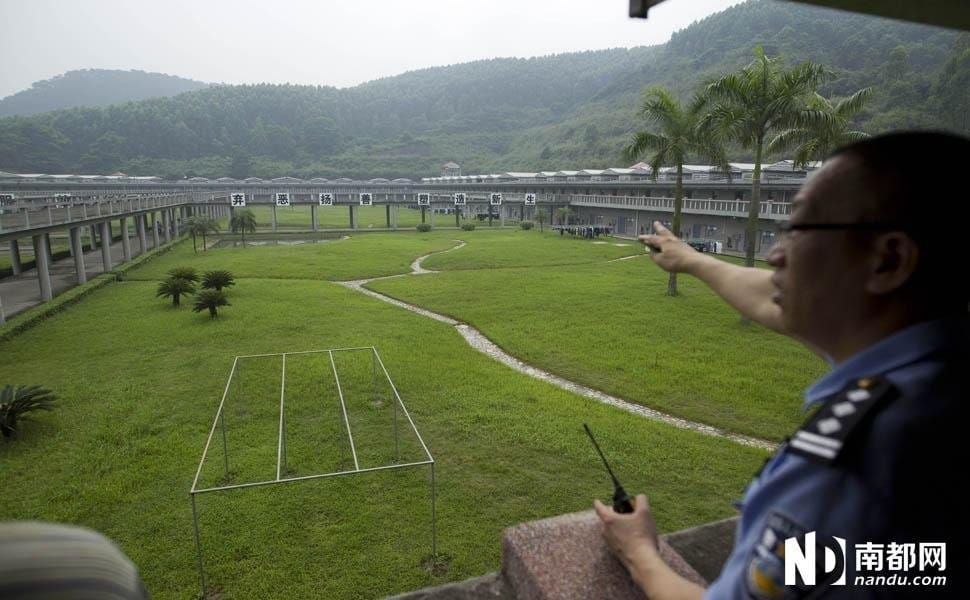
    Guangdong Jiangmen Detention Center. It is divided into 79 cells and the buildings form a large enclosed space in the middle. In 2013, the facility held about 1,600 detainees. One of them was Mark Swidan. Image: nandu.com.

    A troubling feature of China’s criminal justice system is that a judgment in a criminal trial can be postponed indefinitely after the trial concludes. American citizen Mark Swidan was formally detained on drug charges on November 14, 2012. He was tried in 2013 by the Guangdong Jiangmen Intermediate People’s Court. The court has yet to announce its judgment; the Supreme People’s Court in Beijing has extended the deadline for the court to render a judgment at least a dozen times. The most recent extension was granted on October 14, 2017. This extension, as with the others, is for three months. A judgment must be announced or another extension must be applied for by January 14, 2018. January 14 is Mark Swidan’s birthday.

    In the meantime, Mark Swidan remains held in the Jiangmen Detention Center run by the Jiangmen Public Security Bureau. He receives monthly visits from an officer at the American Consulate in Guangzhou.

    Mark Swidan in happier days. With mother, Katherine, in Houston, 1991. Image credit: Katherine Swidan

    Mark Swidan was taken into custody during a police raid on his hotel room on November 12, 2012. He was on a business trip. Two individuals – an interpreter and a driver – had come to his room. Police reportedly found drugs on their persons. No drugs were found on Mr. Swidan or in his room. Drugs were found in the room of another suspect. No forensic evidence has been produced – no drugs in his system, no DNA on the packages, no fingerprints on the packages or drug paraphernalia – tying Mr. Swidan to the drugs. No emails, letters, or phone calls have been found that link Mr. Swidan to any drug transaction. The indictment states that Mr. Swidan played a secondary role in the alleged crime. Prosecutors recommended a lesser sentence. Mr. Swidan has no history of criminal behavior, including using or trafficking in drugs.

    The alleged crime involved 11 people, including, in addition to American citizen Mark Swidan, four Mexicans, one Canadian, one Hong Kong resident, and four Chinese citizens. It is believed that some of defendants have pointed the finger at Mr. Swidan, who comes from a Texas family of limited means. He is unable to hire good legal counsel. Mr. Swidan refuses to admit guilt. He is said to rather die than admit to a crime he didn’t commit.

    Reports given to the family over the years suggest that Mr. Swidan has suffered during his five years in the detention center. He has had his art supplies seized. He has been shackled, bullied, and denied medical treatment. His mother is often unable to have her letters delivered. He has threatened suicide. Detention centers are often accused of being carceral facilities where torture is common place.

    According to a human rights officer working for the United Nations in Geneva, the way Mr. Swidan’s case has been handled is a “cut and dry case of arbitrary detention.” In perhaps the best known case of someone determined by the Working Group on Arbitrary Detention to have been arbitrarily detained in part because of a long delay in announcing a verdict, the WGAD found that the failure to announce a verdict in the case of American journalist Jason Rezaian, detained in Iran in 2014 and tried in the summer of 2015, was a violation of Article 14 of the International Covenant on Civil and Political Rights.

    It is not unheard of for Chinese defendants to have their judgments delayed for a period of several months. Prominent dissidents like Gao Yu, Guo Feixiong, and Pu Zhiqiang all had their judgments delayed for many months. But holding a foreigner for five years without adjudication is unheard of. No Chinese official has given an explanation for this interminable delay, merely stating that the case is “complicated.”

    Article 202 of China’s Criminal Procedure Law (CPL) states that a people’s court should announce judgment within two months of the completion of the trial, and no more than three months can pass without a judgment being announced. If the crime can result in a death sentence or if there are complicating factors, then the higher court can extend the time for rendering a judgment by three months. “If there are special circumstances requiring additional extensions, the court must apply to the Supreme People’s Court for approval.” There is no statutory limit for the number of times a judgment can be extended.

    Complicating factors leading to an extension of the judgment include 1) if the offense involves both criminal and civil penalties (Article 202); 2) if the case is an important or complicated one in rural areas with inconvenient transportation; 3) if the case involves large criminal organizations; 4) if it is an important case involving crimes committed in multiple locations; and 5) if collecting evidence is difficult (2-5 are covered by Article 156.) In short, there are many reasons why a Chinese court can extend a judgment for as long as it wants, and there are no means to force a decision.

    “Justice delayed is justice denied” is a legal maxim, widely ascribed to the British jurist William Gladstone, that is the basis of a fundamental due process right, the right to a speedy trial and judgment. Another legal maxim is that a suspect is innocent until proven guilty. In the eyes of the law, Mark Swidan is an innocent man.

    Justice has been denied to Mark Swidan and he and his family have suffered greatly. But China’s reputation as a country that respects the letter and spirit of law and protects fundamental rights has also suffered. The Jiangmen Court needs to announce its judgment, a judgment which will hopefully result in Mark Swidan going home without further delay.

  • China Issues Oversight Rules for “Non-residential” Residential Surveillance

    The Supreme People’s Procuratorate building in Beijing.

    Not long after the draft of the amended Criminal Procedure Law (CPL) was released by China’s National People’s Congress (NPC) for public comment in August 2011, the United Nations Working Group on Enforced or Involuntary Disappearances expressed concern that the provisions relating to the coercive measure known as “designated-location residential surveillance” (zhiding jusuo jianshi juzhu) would legalize enforced disappearances. In late 2015, the United Nations Committee against Torture (CAT) went further and called on China to abolish the measure.

    The Supreme People’s Procuratorate (SPP) subsequently issued trial rules for determining the necessity of detention and rules to govern oversight of “designated-location residential surveillance” (DLRS), which had leapt back into the headlines in 2015 as part of a police crackdown against Chinese rights lawyers that intensified in July.

    A Coercive Measure

    Custodial detention or arrest takes place in detention centers, ordinary residential surveillance in one’s residence. DLRS happens someplace else, perhaps in a hotel or guesthouse, where law enforcement agents hold criminal suspects or defendants for up to six months while they investigate alleged crimes or prepare a case for trial.

    Authorities justify the lengthy six-month period by stating that residential surveillance is relatively lenient—not depriving people of their liberty, but merely restricting it. Nonetheless, individuals held under DLRS face an environment ripe with potential abuse and rights violations.

    When law enforcement uses the practice against people charged with endangering state security (ESS), terrorist activity, or serious corruption, the outcome is hard to distinguish from enforced disappearance or incommunicado detention. In these types of cases, investigators may use the law to deny families the knowledge of where their loved ones are being held and to deny detainees’ access to a lawyer. Within 24 hours of carrying out DLRS, investigators are only required to provide families with notice of detention and of the alleged offense.

    What a Difference Two Years Makes

    Faced with public opposition to the practice, legislators granted oversight powers to the procuratorate, but it has taken nearly two years for the SPP to define its role. In the meantime, as predicted, DLRS has become a routine part of handling politically sensitive cases. Though its high costs of facilities and manpower are somewhat prohibitive, DLRS is unparalleled in its long duration, ability to isolate detainees, option to delay intervention by legal counsel, and general capacity to exert psychological (and, in some cases, physical) pressure on suspects.

    Unfortunately, the new rules will do little to diminish these serious violations of due process. Procurators are concerned with whether DLRS is carried out lawfully, yet the most concerning aspects of the practice are themselves spelled out in the law.

    Focus on Decisions, Implementation

    The SPP has yet to publish their oversight regulations, but highly controlled media reporting sheds some light on their content. One thing is clear: the intention of the rules is bureaucratic oversight, not judicial oversight. Procurators will likely focus on examining paperwork, making the occasional inspection, and issuing instructions in case anything is out of the ordinary. People held under DLRS may initiate the oversight process by filing complaints independently or through their advocates. What appear to be missing are mechanisms for hearings to allow for the presentation of evidence or for appeals to challenge procuratorial decisions.

    Monitoring by the procuratorate will focus on two areas: (1) whether the decision to impose DLRS was lawful and (2) whether DLRS has been lawfully implemented. The former chiefly concerns whether the case involves a person who either (a) lacks a fixed residence in the county or city where the criminal investigation is taking place, or (b) is suspected of ESS, terrorism-related offenses, or serious corruption. In case of (b), the law requires investigators to substantiate a claim that ordinary residential surveillance would impede their investigation and obtain approval for DLRS from their immediately superior law-enforcement unit.

    The second area of focus involves ensuring that all paperwork is in order; necessary notices have been delivered; and the appropriate location, duration, and personnel are employed. Procurators would also ensure that detainees’ lawful rights are being protected, interrogations are held in separate locations, and no “physical punishment or abuse” is inflicted.

    Adding Inspections

    Oversight activities require procurators to make an on-scene inspection within 24 hours of receiving a copy of a decision to carry out DLRS. This inspection presumably enables inspectors to interview detainees and establish whether they have any allegations to make. It should also allow them to ascertain whether the designated location meets the lawful conditions for “ordinary living and rest” and to ensure that surveillance cameras and safety equipment are installed.

    The rules also appear to require procurators to visit the location at least once a week for the duration of DLRS. Periodic inspections should offer minimal guarantees against physical torture or ill treatment. They are inadequate, however, in preventing mental suffering and the use of other cruel and degrading treatment.

    Also troubling is the requirement that inspections be carried out in ways that do not interfere with investigations. This prioritizes the needs of investigators over the rights of detainees and may give investigators broad discretion to delay access to facilities.

    Missing the Mark

    This type of oversight, with its emphasis on ensuring adherence to applicable laws and regulations, will no doubt help to limit certain kinds of arbitrary and abusive behaviors. Other arbitrary practices and violations of due process will remain unaffected because they are legally sanctioned. For example, procurators are very unlikely to challenge investigators’ decisions to deny access to legal counsel to individuals charged with ESS or terrorism. The CPL empowers investigators to deny such access if they believe it might interfere with their investigation.

    In their attention to the legality of decision and implementation, procurators may also fail to scrutinize the legitimacy of charges made against detainees. Investigators can use flimsy evidence to initiate ESS investigations—thereby justifying the use of DLRS and exclusion of legal counsel—only to modify the charges when requesting approval of formal arrest after expiry of the six-month time limit.

    Ultimately, however well intentioned it might be, this kind of bureaucratic review cannot address the risks of DLRS. The measure grants law-enforcement investigators too much power over individuals, and the procuratorate lacks both power and incentive to challenge DLRS decisions, especially in the kinds of politically sensitive cases where abuse is most likely.

    The best solution would be for China to abolish DLRS, or at the very least, to restore detainees’ rights to full access to legal counsel and to communicate with the outside world. Anything less, and China is sanctioning enforced disappearances.

  • Court Flaunting of Nian Bin Acquittal Raises Questions of Lessons Learned

    Nian Bin reunites with his sister, who built his legal defense team, and uncle after being released from prison in 2014. Image credit: You Jingyou, Weibo

    Last August, the Fujian High People’s Court acquitted Nian Bin, a former grocery-store owner sentenced to death in 2008 for allegedly poisoning his neighbors in 2006. The incident led to the deaths of two children. Nian claimed that he confessed to the crime only under the duress of police torture. After more than six years of trial and appeal, Nian’s lawyers were able to prove that police had fabricated evidence against him and withheld other evidence that showed his innocence.

    Nian’s case, which has long been in the public spotlight and a focus of anti-death-penalty activists in China, has been hailed as a landmark victory after a long and hard-fought struggle by Nian’s family and lawyers. Some credit for this victory must also go to legal reforms that have changed the environment in which death penalty cases are handled in China. The careful review of the death penalty by the Supreme People’s Court is one factor, as is the increased emphasis that has been placed on the exclusion of confessions extracted through torture or other illegal evidence.

    The outcome of Nian Bin’s case may also reflect the attention that Chinese leaders have paid in recent years to the serious problem of wrongful convictions and other miscarriages of justice. Because addressing individual cases of injustice is increasingly both a legal and political problem for Chinese courts, it is not surprising that the Fujian High People’s Court chose to make mention of the “positive” impact of the successful resolution of the Nian Bin case in its annual work report to provincial people’s congress deputies. After all, under China’s political system, approval of state institutions’ work by legislative bodies is supposed to serve as an important affirmation of the correctness and legitimacy of that work.

    But to commentator Zhu Changjun, writing in the February 2 edition of The Beijing News, the Fujian court’s attempt to take credit for overturning Nian Bin’s conviction inadequately addresses either the factors that contributed to Nian’s wrongful conviction in the first place or the provincial court’s failure to acquit Nian earlier despite identifying serious problems with the prosecution’s case.

    Zhu’s concern highlights a general problem faced in trying to evaluate achievement in reform of China’s legal system and human-rights protections. On the one hand, there is a tendency to exaggerate the progressive impact of new policies or legislation before there is concrete evidence that institutions and practices have truly changed for the better. On the other hand, it can often be difficult to say how indicative positive outcomes in individual cases are of systemic change.

    This is perhaps a particular problem when the progress in question is so closely linked to the undoing of past mistakes, rather than simply improving upon existing policies and practices. In these cases, as Zhu Changjun suggests, Chinese authorities might earn more credit for their efforts if they were to show with greater transparency how the lessons learned from past miscarriages of justice are being put to use in the reform process.

    *
    How Should the Impact of the Nian Bin Case be Recorded?

    Zhu Changjun
    The Beijing News, February 2, 2015

    Overturning the verdict in the Nian Bin case merely reflects the ordinary operation of the judicial system’s mechanisms to correct errors. Correcting these errors is a basic responsibility of a reasonable judicial system. It’s really inappropriate for local high courts to one-sidedly prettify this sort of action in a work report.

    According to recent reports citing a number of deputies to the Fujian Provincial People’s Congress, the Nian Bin case, which received a lot of attention in 2014, was mentioned in the work report of the Fujian High People’s Court. In that report, court president Ma Xinlan commented that the court’s “resolution of a number of cases in accordance with the law, including the case against Pingtan resident Nian Bin on charges of poisoning with a hazardous substance, caused a positive impact both legally and socially.”

    Nian Bin’s case was a classic example of a miscarriage of justice and received national attention. As such, reversal of the verdict against Nian Bin is of course worth including in the annual work report of the local judicial authorities. But what is the most appropriate way of discussing it? Should it be a full accounting of the lessons learned from how this miscarriage of justice came to pass or simply a comment on the significance of how mistake were ultimately rectified? The answer should be self-evident. The way that judicial authorities have, at least at the current stage, chosen to focus on the “positive impact both legally and socially” of their “resolution of the case in accordance with the law,” deserves further scrutiny and discussion.

    One can of course understand the Fujian High People’s Court’s mention of the positive social value of overturning Nian’s wrongful conviction. After all, Nian Bin’s case was finally overturned after eight years of 10 verdicts—four of those carrying a sentence of immediate execution, but this is not simply about restoring justice to a single individual. It allows people to hope for the rectification of even more wrongful convictions, a kind of judicial multiplier effect. To be sure, this has a positive social and legal impact. But it’s rather biased for an annual work report to only reveal and magnify the positive side and fail to reflect the complexity and real external impact of the case.

    On multiple occasions, the Fujian high court sent the case back to the intermediate court for retrial on the grounds of “unclear facts and insufficient evidence.” This does actually show the high court’s cautious attitude in trying the case. But it’s also worth noting that on June 8, 2009, the Fuzhou Intermediate People’s Court once again sentenced Nian Bin to death for poisoning with a hazardous substance. Once again, Nian appealed the verdict. Only this time, on April 7, 2010, the Fujian high court issued its final ruling, rejecting the appeal and upholding the lower court’s verdict. The case was then sent to the Supreme People’s Court for review of the death sentence in accordance with the law. In other words, the Fujian high court upheld the death sentence against Nian Bin despite its previous findings of “unclear facts and insufficient evidence.” If it weren’t for the SPC decision to reject the death sentence, Nian Bin’s fate and the outcome of the case would most likely have been completely different.

    Moreover, since the Fujian high court found multiple times that the case had “unclear facts and insufficient evidence,” why did it continue to send the case back for retrial time and again instead of directly acquitting Nian Bin? In this respect, even though neglect of supervision over the police investigation stage has enormous relevance to the way the case against Nian Bin developed, the Fujian high court’s role in “correcting errors” clearly shouldn’t be overstated.

    It’s even more important to see that by only paying attention to the “social and legal impact” of the case, the Fujian high court takes the position of a cool and detached observer without fully considering the fate of Nian Bin, the victim.

    No matter how you approach it, the lessons of the Nian Bin case are all very serious. Overturning the verdict in the case merely reflects the ordinary operation of the judicial system’s mechanisms to correct errors. And correction of the errors in this case was never a foregone conclusion and came only after such great difficulty. If it weren’t for the persistence of Nian Bin’s relatives and lawyers and the decision of the SPC not to approve the death sentence, the outcome would be utterly unimaginable. In summing up the case as a participant, the Fujian high court ought to place its primary emphasis on the lessons and errors that led to this wrongful conviction in the first place. It should offer a deep reflection on and take appropriate responsibility for negligence and flaws in trying the case. To talk so single-mindedly about “impact” and “turning negatives into positives” is not only flippant; it makes it difficult for people to have any faith that the court has learned any lessons about miscarriages of justice.

    A miscarriage of justice is a miscarriage of justice, and correcting these errors is a basic responsibility of a reasonable judicial system. It’s really inappropriate to one-sidedly prettify this sort of action in a work report.

  • Torture in Harbin Drug Cases Met with Little Punishment

    Seven defendants stand trial for torture at the appellate court, Harbin Intermediate People’s Court, in August. Image credit: dbw.cn

    A recent court case in the northeastern city of Harbin is shining new light on some of the extremes to which police investigators occassionally go to get criminal suspects to confess in China. It also raises new questions about whether the Chinese criminal justice system punishes the perpetrators of torture severely enough to act as a deterrent.

    Last May, a court in Harbin convicted seven defendants of coercing confessions through torture in connection with seven separate incidents, all committed in March 2013. The court imposed sentences ranging from a suspended one-year prison sentence to two-and-a-half years in prison. At least one of the defendants appealed the verdict, landing the case at the Harbin Intermediate People’s Court for an appellate hearing at the end of August.

    The court found evidence of what appeared to be routine use of electric shock and other physical torture in the investigation of drug cases by officers at the Daowai District Branch Public Security Bureau. One suspect recalled being handcuffed to a metal chair and shocked with electric batons. Mustard oil was poured up his nose. When he refused to tell police where he got his drugs, they took off his shoe and applied wires to one of his toes. The wires were then connected to an old-fashioned military crank telephone, which sent a current of 120 volts through his body as they cranked it, causing his entire body to convulse.

    The same technique was used during another drug investigation that same month. Again, a drug suspect surnamed Liang was handcuffed to a chair. When he began to shout, a towel was stuffed in his mouth. One interrogator began beating Liang in the face with the sole of a shoe. During this ordeal, Liang lost consciousness. By the time they realized that something was wrong, he was dead.

    One of the unusual things about this case is that only three of the defendants were police officers. Most of the defendants, including the ones responsible for carrying out most of the actual physical torture, were what is commonly known as “special informants” (teqing, or teshu qingbao renyuan). Police investigators often rely on these informants to provide information or leads that can help them crack cases. In this instance, however, it seems that police were also delegating some of their authority to carry out interrogations—or at least using special informants to do some of their dirty work for them.

    Another thing that has attracted attention about the case is the relatively light sentences, especially considering that one victim of torture apparently died during interrogation. As legal scholar Wang Gangqiao pointed out in an opinion piece published in The Beijing News on September 23, the maximum penalty for coercing confessions through torture is three years’ imprisonment, but torture resulting in serious injury or death should be punished according to the more serious offenses of intentional injury or homicide. He questions the court’s failure to hand down more serious penalties in this case, even hinting at the possibility of collusion between law-enforcement authorities to prevent torturers from being held fully accountable.

    According to reports, however, local prosecutors lacked evidence to bring homicide charges because police cremated the body of the deceased as the incident was under investigation. As a consequence, a deputy chief at the Daowai Public Security Bureau who ordered the cremation has since been put on trial for abuse of power.

    Use of torture to extract confessions is a problem in many countries, especially in situations where investigators lack the skill or experience to build a case through other means. But acceptance of torture can also become part of an institutional mindset, especially when there are expectations of impunity. In this case, the highly politicized nature of China’s “People’s War on Drugs” and the criminal justice system’s long-standing reliance on confession to secure convictions appear to have been contributing factors.

    *
    Don’t Let Harbin Torture Trial Serve as Negative Model

    Wang Gangqiao
    The Beijing News, 23 September 2014

    Recently, the trial of Wu Yan and others charged with extracting confessions through torture entered the second-instance appellate phase in Harbin. Earlier, the court of first instance found evidence of seven instances of torture, all occurring in March 2013. Official reporting on the case said “the methods used to extract confessions were extremely vile.” [One defendant,] Wu Yan, was sentenced to two-and-a-half years’ imprisonment. [Another,] Zhao Xiaoguang, received a one-year sentence, suspended for a year. All of the other defendants in the first-instance trial received sentences of between one and two years in prison.

    A maximum sentence of two-and-a-half years doesn’t seem all that severe. Looking at the statute, the Criminal Law provision on coercing confessions through torture states: “Any law-enforcement officer who extorts confession from a criminal suspect or defendant by torture or extorts testimony from a witness by violence shall be sentenced to fixed-term imprisonment of not more than three years or penal servitude. If he causes injury, disability, or death [to the victim], he shall be convicted and given a heavier punishment based on the provisions covering the crimes of intentional injury or intentional homicide.” According to the Xinhua News Agency’s report on the case yesterday, on March 24 of last year, Wu Yan accused Chen Xiaowei, Pan Yongquan, and Li Yingbin of using an old-fashioned military crank telephone to electrocute a [suspect] surnamed Liang; Cheng Xiaowei was in the process of beating Liang in the face with the sole of a shoe when Liang suddenly died.

    This is probably the reason why the Harbin torture case has been described as involving “extremely vile” methods. The law says that when torture leads to death, it should be “given a heavier punishment based on the provisions covering the crimes of intentional injury or intentional homicide.” Looking at the less serious of these two offenses, intentional injury resulting in death, the penalty should be “fixed-term imprisonment of 10 years or more, life imprisonment, or the death penalty.” This is worlds apart from the sentences handed down in the present case. The reason for this case being tried in second instance is apparently because the defendants appealed. It’s unclear whether the prosecution also appealed the verdict acording to the provisions of the Criminal Law on the grounds that the sentences were abnormally light. It’s really nonsense to think that a one- or two-year sentence—especially a suspended sentence—could help to contain the coercion of confessions through torture, a practice which previous prohibitions have failed to stop.

    It’s even more noteworthy that, of the defendants in this case, only Wu Yan, Zhang Siliang, and Zhao Xiaoguang were police officers. Defendants Cheng Xiaowei, Pan Yongquan, Li Chunlong, and Li Yingbin, who also took part in torturing suspects, were not police at all, but rather, “special informants.”

    Investigative power is a power specially designated by the state that only specialized units and personnel are authorized to exercise. The interrogation of criminal suspects is the most important part of the investigative process, an activity that is to be carried out only by qualified investigative personnel. “Special informants,” also known as xianren, are individuals whose status is defined by their ability to provide needed information for use by investigators during the investigative process and help them to solve cases. According to the law, “special informants” are still ordinary citizens. They play an auxilliary role in investigations and come under the responsibility of investigative units, but they do not have any investigative power themselves.

    Everyone understands the evils of coercing confessions through torture. Police are law-enforcement personnel who have a personal responsibility to maintain law and discipline and safeguard human rights. So when some law-enforcers instead knowingly violate the law and treat torture as an ordinary investigative tool, they ought to be severely punished in accordance with the law. In this case, however, if the prosecution never appealed the verdict, then under the principle of “no heavier penalty on appeal,” the court of second instance cannot increase the penalties given to the defendants in the first-instance verdict. This perhaps demonstrates that, in some locations, police, prosecutors, and courts have come to a kind of “consensus” about lenient punishment for the use of torture to extract confessions.

    “Incidents” in the criminal process like this Harbin torture case are a portent of things to come. Behind this incident are the sprouts of many other incidents. For example, the extreme chaos surrounding the system of “special informants,” the extremely casual way that investigative powers are delegated, etc. Open violations like this involve “sprouts of accidents” that should have been extremely obvious to see. While we are pursuing criminal responsibility for coercion of confessions through torture, those units and officials who are responsible for oversight should undertake some serious reflection: As the “safety officials” of the criminal process, what have you done to contain and eradicate this kind of mishap? Oversight requires the establishment of rules and measures that prevent law enforcers from doing things they’re not supposed to do. These are preventative measures for which we can no longer wait!

  • Politico-Legal Committee Issues Rules to Prevent Injustice

    Four well-known miscarriages of justice befell (from left) Zhao Yanjin (in prison nearly a decade), Nie Shubin (executed, 1995), She Xianglin (in prison 11 years), Hugejiletu (executed, 1996). Photo credits: Sanlian Life Weekly, xinhuanet.com, sohu.com

    A series of high-profile cases involving wrongful conviction and other miscarriages of justice has increasingly forced China’s top law-enforcement officials to address this troubling issue head-on. In March, the president of Zhejiang’s High People’s Court placed much of the blame for wrongful convictions on the extraction of confessions through torture. President Xi Jinping has spoken prominently about the need for “the popular masses to feel fairness and justice in every judicial case,” and new Supreme People’s Court President Zhou Qiang has called on lawyers and scholars to help reform the criminal justice system.

    Then, in mid-August, the Chinese Communist Party’s Central Politico-Legal Commission (CPLC) issued a set of 15 provisions aimed at systemic changes that could help prevent future injustice. Met with considerable fanfare by Chinese media, the provisions included a call to establish a new responsibility system in which judges, prosecutors, and police would be held accountable for life for negligent or wrongful acts that result in wrongful conviction.

    Over the past two months, judicial and law-enforcement bodies throughout China have been studying the CPLC pronouncements. The Supreme People’s Procuratorate has already issued provisions for implementation. Despite all the attention, copies of the provisions have not been widely circulated. In fact, Dui Hua has only been able to find one copy online (translated below) as circulated by a local party branch politico-legal committee in Jining, Shandong Province.

    On one level, much of the CPLC guidelines reiterate provisions and principles that are already part of China’s Criminal Procedure Law and related regulations. The emphasis on fully recording interrogations and excluding illegally obtained evidence reflect the growing recognition of the need to protect the rights of criminal suspects and defendants, but implementation of these important protections has yet to become routine. Likewise, the CPLC provisions emphasize the importance of keeping channels of communication open within the criminal process and acting on information in a timely manner, whether it be the opinions of defense lawyers or allegations of wrongdoing made by convicted persons.

    Besides the proposed responsibility system, another theme of note in the CPLC provisions is the need to insulate the judicial process from external interference. Public opinion, petitioning, and “stability preservation” are all cited as sources of external pressure that should not be allowed to influence decisions made during the criminal process. By the same token, the guidelines also point to the possibility of less interference by local party and government officials by limiting the scope of politico-legal committees’ guiding opinions and efforts to “coordinate” opinions between law-enforcement bodies when there are disagreements about how a case ought to be handled.

    There is much in these guidelines that sounds positive from the perspective of promoting procedural fairness and rule of law in China. The ultimate impact of these pronouncements, however, is likely to depend on how much weight they are given vis-a-vis other, well-established imperatives to pursue stability in the interest of the overall socio-political order, for it is the perception that these interests can trump the law and political and civil rights that contributes most to miscarriages of justice in China.

    *
    Provisions on Earnest Prevention of Miscarriages of Justice

    In order to give thorough implementation to the spirit of the important written instructions given by General Secretary Xi Jinping and Comrades Meng Jianzhu and Guo Shengkun, fully realize the spirit of the Fourth Plenary Session of the Central Politico-Legal Commission, punish crime in accordance with the law, respect and safeguard human rights, increase the credibility of the judicial system, and uphold social fairness and justice, we hereby enact the following provisions on the subject of strict adherence to legal procedure and holding firm to the bottom line on prevention of miscarriages of justice.

    1. Except in emergencies when it is necessary to conduct on-the-spot questioning, questioning of criminal suspects or defendants ought to be carried out in case-handling locations provided for [by law and regulation]. After a criminal suspect has been transferred to a detention center for custody, questioning shall be carried out in the detention center interrogation room with simultaneous audio- or video recording of the entire process. The investigating organ may not use reasons such as recovering stolen goods or [conducting an] identification [procedure] to remove suspects from the detention center in order to conduct questioning outside the facility.
    2. When the investigating organ transfers a case [to prosecutors], it ought to include all evidence of the guilt or innocence of the suspect or defendant as well as of the severity of the crime. It is strictly forbidden to withhold or fabricate evidence.
    3. When evidence that ought to be excluded is discovered during investigation, prosecutory review, or trial, it ought to be excluded in accordance with the law and may not serve as the basis for requesting arrest approval, approving or issuing an arrest decision, transferring the case for prosecutory review, making a decision to prosecute, or issuing a verdict. Suspect or defendant confessions obtained through torture or other illegal means, or witness testimony or victim statements obtained through violence, threats, or other illegal means may not be used as the basis for conviction.
    4. People’s procuratorates shall conduct oversight in accordance with the law as to whether investigation activities are lawful; provide opinions and recommendations as to the collection, securing, and perfection of evidence; and, when necessary, appoint procurators to take part in discussions with the investigating organs concerning major or serious cases and re-testing or re-examination of crime scenes or items, persons, or corpses associated with a crime.
    5. People’s procuratorate shall strictly ensure the standards for arrest review, prosecutory review, and prosecutory appeal. In cases that do not meet the statutory requirements for arrest or prosecution, it shall withhold arrest approval or issue a decision not to prosecute in accordance with the law. Appeal shall be made in accordance with the law in cases that meet the conditions for prosecutory appeal, especially when the innocent are found guilty, the guilty are found innocent, or the sentence is either unusually light or unusually heavy.
    6. Firmly adhere to the principle of judgment on the basis of evidence. When a witness who ought to appear in court in accordance with the law refuses to appear or appears but refuses to testify without good reason and the court has no way to confirm the veracity of his or her testimony, the testimony of that witness may not be used as the basis for conviction. Any evidence that has not been presented, examined, and cross-examined in court and verified through these court investigation procedures may not be used as the basis for conviction.
    7. Strictly implement the legal standard of proof. When there is only a defendant’s confession and no other evidence, the defendant cannot be convicted or given criminal punishment. In cases where there is insufficient evidence to convict, the presumption of innocence shall be adhered to and the defendant pronounced innocent in accordance with the law, standards cannot be lowered to issue a verdict with a “margin of error.” When evidence to convict is truthful and sufficient but there are doubts concerning evidence with implications for sentencing, a sentence favoring the defendant shall be issued.
    8. When people’s courts, people’s procuratorates, or public security organs handle criminal cases, they must take facts as the basis and law as the criterion and cannot issue judgments or decisions that violate the provisions of the law due to pressure caused by public-opinion hype, disruptive petitioning by a parties to the case or their relatives, “case-solving deadlines,” or local “stability preservation.”
    9. Earnestly safeguard the rights of defense lawyers to meet [with clients], read case files, carry out investigations, and obtain evidence, and to raise questions, cross-examine evidence, and debate in court. During the phases of concluding the investigation, prosecutory review, and final review of death sentences, people’s courts, people’s procuratorates, and public security organs ought to hear defense lawyers’ opinions in accordance with the law. With respect to the defense arguments and evidentiary materials submitted in defense by defendants and their defense counsel, people’s courts ought to give them serious review and provide an explanation in the court decision as to why they were accepted or rejected.
    10. People’s procuratorates and people’s courts ought to conduct timely review in accordance with the law when receiving allegations or petitions that may truly involve miscarriage of justice. After review, if a criminal verdict or decision is found to be in error, prosecutory appeal or request for retrial shall be made in accordance with the law. People’s procuratorates shall immediately rectify mistaken decisions made in a criminal case by itself or by its subordinate procuratorates in accordance with statutory procedures.
    11. Prisons or other penalty-enforcement organs may not withhold petitions, allegations, or accusation materials made by offenders and ought to transmit them or request the relevant authority to handle them in a timely manner. The relevant authority ought to conduct a serious review and handle [the petition, allegation, or accusation] in a timely manner and notify the prison or other penalty-enforcement organ of its decision. When offenders make petitions or allegations, it shall not affect their eligibility for sentence reduction or parole.
    12. Establish a strong case-management responsibility system in which the collegiate bench as well as individual judges, procurators, and police officers are held equally accountable and judges, procurators, and police officers are held accountable for life for the quality of the way a case is handled insofar as the purview of their duties is concerned. Responsibility for unlawful acts related to the handling of cases by judges, procurators, and police officers shall be pursued in accordance with the relevant laws and provisions.
    13. Clarify the standards for [what constitutes] a miscarriage of justice as well as procedure for and agent who can initiate remedial action and establish a strong mechanism for pursuing responsibility in miscarriages of justice. Acts such as coercion of confession through torture, use of violence to obtain evidence, and withholding or fabricating evidence shall be severely punished in accordance with the law.
    14. Establish a strong, scientific, and rational system for case-management performance evaluation that adheres to judicial rules; do not one-sidedly pursue targets such as a case-solution rate, arrest rate, prosecution rate, or conviction rate.
    15. Party politico-legal committees at all levels ought to support the independent and fair exercise of judicial and procuratorial powers by the people’s courts and people’s procuratorates and support each politico-legal unit in carrying out its work in an independently responsible and coordinated manner in accordance with the constitution and laws. In cases where the facts are unclear or the evidence is insufficient, do not coordinate [opinions between law enforcement bodies]; when coordinating [opinions regarding] cases, generally refrain from making specific opinions regarding the determination or substantive handling of a case.
  • Magazine Exposé Reinvigorates Calls to End RTL

    The story as it appears in the April edition of Lens

    The recurrent exposure of individuals sent on dubious charges to reeducation through labor (RTL) is one important impetus to growing consensus about the need to reform or abolish RTL in China. Details of cases involving online criticism or petitioning have galvanized opinion against the nearly 60-year-old system of administrative detention, which central authorities indicate will undergo reform later this year.

    The past few days have added urgency to an overhaul of the RTL system. In its April issue (published on April 6), Lens magazine included a 14-page exposé of exploitation, abuse, and torture at the Masanjia women’s RTL facility in Liaoning Province. Based on interviews with more than 20 women formerly incarcerated there—most of whom were sent to Masanjia over the past decade as punishment for petitioning—the article documents dehumanizing treatment in an institution where power can be exercised with near complete impunity.

    Domestic Media Wildfire

    The article is remarkable for its detailed descriptions of conditions at Masanjia and its corroboration of detainee accounts by labor-camp staff. Coming from Lens, a mainland publication owned by the publishers of popular financial magazine Caijing, the report arguably lends concern over RTL abuse more weight and traction inside China than reports by Western media or NGOs. Human rights organizations have reported the appalling conditions in RTL facilities before, and many of the accounts of torture at Masanjia echo allegations that have been raised for many years by practitioners of Falun Gong, banned by the Chinese government in 1999. In late 2012, Masanjia was named in mainstream Western media after an Oregon woman opened a box of Halloween decorations to find a letter apparently enclosed by a detainee at that women’s RTL facility. The letter described workers laboring for long hours with little rest and nearly negligible pay in order to avoid torture or abuse.

    Once online, the Lens story created an immediate sensation. A slightly shortened version of the article was the most-read item on four major Chinese news sites. According to analysis (subsequently deleted from the Internet) by the “Public Opinion Monitoring Office” of People’s Daily Online, by noon on April 8, at least 420,000 had participated in online discussion of the report. The story could be found on more than 200 news sites and web forums, and it was discussed in 16,000 microblog posts, up from just over 200 the day before. Discussion has been overwhelmingly negative and has strengthened calls for the abolition of RTL and better oversight of the criminal justice system. Based on the data, analysts predicted that the public would become increasingly incensed and warned relevant authorities to “pay close attention to the potential for further developments.”

    Official responses to the allegations have so far been mixed. On the one hand, authorities in Liaoning announced that they would form a special investigative team, including members of the media and the local people’s congress, to look into the charges. (This resembles the response of Yunnan officials who were faced with public pressure over a series of suspicious deaths in police detention centers in 2009.) On the other hand, officials from the Central Publicity Department of the Chinese Communist Party reportedly issued instructions on April 9 prohibiting media outlets from “reposting, reporting, or commenting” on the Masanjia story. In response, many websites have pulled the article, although, at present, most of the Lens report remains openly available online.

    Extreme Corporal Punishment

    The most shocking details from the Lens article are of inhuman and degrading punishment. Formerly incarcerated women describe being sent to solitary confinement in tiny cells with as little as two square meters of floor space. Inadequate air circulation left women—many of whom already suffered from physical ailments—gasping for breath and nosing the ground for drafts that might waft under the door. These damp, fetid spaces lacked adequate heating in winter, and the women often had no choice but to relieve themselves on the floor. One woman describes being handcuffed to a cell door and forced to remain standing day and night for two weeks. Although Ministry of Justice regulations limit the use of solitary confinement cells to a maximum of 10 days, women recount being held for months at a time.

    The article also reports beatings, reckless use of electric batons, bodily suspension, and use of the notorious “tiger bench.” Women were hung, their outstretched arms handcuffed to the upper frames of bunk beds, so that the tips of their toes just barely touched the ground. Others were hung in awkward positions with their bodies stretched and contorted. One woman described being suspended for 28 hours. Asked about the use of such torture at Masanjia, one of the article’s inside informants explained that it was similar to the way a parent uses corporal punishment to force a child to submit: “This is related to a guard’s individual personality. Some see themselves as those who are in control, whose every action is correct. They do not have an understanding of those sent to RTL.”

    Many of the petitioners interviewed used hunger strikes as a form of protest, but the response from authorities was nothing short of brutal. Hunger strikers were routinely placed on “death beds,” their bodies strapped down tightly while their mouths were wrenched open and feeding tubes forced down their throats. Confined this way for days, many of the women came away with permanent scars and broken and loosened teeth. In extreme cases, women subjected to these various treatments have developed serious mental illness and been forced to undergo radical treatments, including electroshock.

    Seeking Redress on Shaky Ground

    Whether describing inhuman treatment, exploitative working conditions, or the quality of food and sanitation, a recurring theme in the article is that the conditions at Masanjia fail to meet norms set forth in Chinese laws and regulations. This fact seems obvious even to those running the carceral institution, but despite such recognition, incarcerated women appear to have little recourse to protection.

    An anonymous source quoted throughout the article repeatedly blames the system of “stability maintenance” for putting undue pressure on the RTL apparatus—in particular, for institutionalizing people who do not meet the criteria for confinement. “In the past, the people sent here were really bad types,” the informant explained. “Now, it’s vulnerable groups like petitioners or university students involved in pyramid schemes. I feel pity for them.” Because petitioners, in particular, tend not to acknowledge that they have violated any laws, “they don’t acknowledge guilt and they don’t work—this puts us in a difficult position.”

    Procurators assigned to monitor conditions at the RTL facility are flooded with complaints, and they seem to investigate many. But gathering evidence can be difficult. The worst abuses often occur beyond the reaches of closed-circuit cameras, and potentially implicating footage is often erased. When investigators do find evidence of wrongdoing, it tends to be classified as a “disciplinary violation” for internal handling, rather than criminal prosecution. Given RTL’s shaky legal foundation, the basis for procuratorial oversight is unclear, and procurators at Masanjia seem reluctant to “take on the entire facility.” Since 2004, there has only been one criminal prosecution at Masanjia, when a guard was sentenced to 12 years in prison for assaulting an incarcerated woman, leaving her in a coma.

    Some women have succeeded in getting their RTL decisions overturned through administrative litigation, but results are not guaranteed, even with clear evidence of violation. After one woman successfully had her RTL decision annulled, the Chaoyang RTL committee appealed, arguing: “Though there were flaws in the procedure [we] used . . . there was nothing inappropriate about the decision to send [her] to RTL. [The decision] was made in the interest of preserving overall stability and accords with the local law-enforcement realities of Chaoyang. Sending [her] to RTL benefits the preservation of social order and stability.”

    The appeals court ultimately upheld the lower court’s decision to annul the RTL decision, a welcome rejection of the “stability above all else” mentality that has dominated China’s criminal justice system for too long. That type of mentality still has deep roots in China’s law enforcement institutions, but exposure of the many social costs associated with the overriding priority given to stability is leading the public to demand change. As Chinese authorities prepare to bring an end to RTL, and replace it with something new, these demands must be taken into account.

  • Targeting Evidence to End Wrongful Execution

    NPC delegate and Zhejiang High People’s Court President Qi Qi. Photo credit: China.org.cn

    Although frequently criticized for being relatively powerless “rubber-stamp” bodies, China’s national legislative body, the National People’s Congress, and its main consultative body, the Chinese People’s Political Consultative Conference, provide delegates from throughout the country a forum to make policy and legislative proposals targeting some of China’s most pressing problems. Most of these proposals are fruitless, but with hundreds of domestic and foreign journalists covering these important annual events, some of these proposals ultimately have the opportunity to gain a wider audience that might result in more broad-based pressure to put actions behind all the talk.

    In the March 11 edition of the influential newspaper The Beijing News, NPC delegate and Zhejiang High People’s Court President Qi Qi speaks about his proposal to issue regulations that would govern a new system for the additional investigation of problematic evidence in death penalty trials. In this interview, Qi speaks frankly about the relationship between torture and wrongful conviction. Having spent much of his career as an administrator in the court and procuratorial systems, Qi has a broad perspective on the pressures faced by law enforcement and judicial authorities that make it difficult to eliminate torture completely. Qi has clearly given much thought to these questions recently, as his court is in the process of reviewing a case in which five men have spent nearly 18 years behind bars for homicides that fingerprint evidence now suggests was committed by someone else.

    This case, like the Zhao Zuohai case in 2010, highlights the way in which pressure to solve homicide cases leads to an over-reliance on confessions with investigators framing innocent people and courts turning a blind eye to problematic evidence. Fortunately for the defendants in this case, initial death sentences were later suspended on appeal, for, as Qi notes, under the circumstances of the time it would have been easy and expected for these young men to be put to death in order to address the social harm caused by the murders.

    *
    Zhejiang High Court President: Basis of Wrongful Convictions Relates to Torture

    NPC Delegate Qi Qi recommends public security, procuratorates, and courts jointly issue
    regulations to improve procedures for additional investigation of evidence in death penalty cases

    Song Shijing, The Beijing News
    March 12, 2013

    National People’s Congress (NPC) delegate and Zhejiang High People’s Court President Qi Qi presented a proposal at the First Plenary Session of the 12th NPC, recommending that the Supreme People’s Court, Supreme People’s Procuratorate, and Ministry of Public Security jointly enact regulations governing the procedure for additional investigation of evidence during the trial period for death penalty cases in order to resolve problems in the operational mechanisms of the criminal procedure; establish a “trial-centered” system for evidence collection, production, examination, certification and review; and establish corresponding provisions to pursue responsibility for violations of the law and prevent wrongful death penalty convictions.

    Qi Qi says that problems with evidence are encountered from time to time in trying death penalty cases. In order to ensure conviction, some investigation authorities do not fully submit evidence that is beneficial to the defendant. Some investigators and prosecutors believe that their investigation work is over and are indifferent to or delay the work of additional investigation. This puts courts in a difficult position between “conviction and sentencing” and “acquittal and release” and directly affects the quality of death penalty trials.

    Qi Qi also indicates that wrongful criminal convictions are basically all related to coercion of confessions through torture.

    According to media reports, there were two robbery-homicides of two taxi drivers in Xiaoshan, Zhejiang, in 1995. Lacking murder weapons or fingerprint evidence and primarily relying on confessions, four people were sentenced to suspended death sentences and one person was sentenced to life imprisonment. Last December, it was proven that another person may have been the culprit. Currently, the Zhejiang high court has already launched a review of the case.

    “Pursuing a 100-Percent Solution Rate is Unrealistic”

    The Beijing News [hereafter, “BN”]: In your recommendation, you listed 11 circumstances in which the evidence in death penalty cases may be problematic.

    Qi Qi [hereafter, “QQ”]: These circumstances can all lead to mistaken judgements, so it’s necessary for investigative authorities to strengthen their work in these areas.

    BN: Sometimes coercion of confessions through torture is used in order to obtain evidence. How do you view [this problem]?

    QQ: Objectively speaking, police and crime are antagonistic. Despite this opposition, even when a suspect disavows and denies [criminal activity], his human rights still need to be protected. But sometimes police will get emotional and use brute force or even torture. Even if this brute force leads to confessions that solve some cases, it still can lead to some major negative side effects and forced admissions that lead to wrongful convictions. So, the law in all countries takes a negative view toward the coercion of confession and prohibits it.

    BN: Why has it still not been eliminated?

    QQ: In the past, there was a one-sided saying that “confession is the king of evidence.” Once there’s a confession, finding some evidence to prove the crime based on that confession seems to have relatively few costs. Moreover, police are often under pressure to solve cases as quickly as possible, and it’s very difficult to go around searching for traces and remnants when time is relatively short. Now we ask police not to be over-reliant on confessions and place more emphasis on using detection and technical methods to gather objective evidence. Confessions are also important, but they must accord with the truth.

    BN: Where does the pressure on public security to solve cases come from?

    QQ: For example, if there has been a series of major cases involving serious threats to social order, there will be great pressure on public security. When there’s great pressure to solve cases, sometimes one may be misled and biased in the collection of evidence.

    In the past, there was a saying that “murder cases must be solved.” This actually was a kind of idealistic target, but blindly pursuing a 100-percent solution rate is unrealistic. From their perspective, courts cannot approve this “murder cases must be solved” notion because it doesn’t accord with [the principle of] seeking truth from facts. The ability to maintain a relatively high solution rate is already pretty good.

    BN: If there are problems with the evidence provided by the investigating authority, is it difficult for the court to discover them?

    QQ: Besides sending along evidence of the defendant’s criminal charges, [investigators] also must send along any mitigating or exculpatory evidence. When evidence that doesn’t support conviction is not sent, it becomes a choice between subjective and objective evidence. If they don’t submit it, it becomes much harder for us to discover, because there’s no way for us to know about the evidence they haven’t submitted. If we haven’t even seen any evidence that benefits the defendant, this can lead to mistaken judgments.

    “Court Acquittals Pressure Police, Prosecutors”

    BN: Who should be held responsible for wrongful convictions?

    QQ: If one of our judges handled a case improperly, we first need to look at whether he intentionally concealed evidence or there was gross negligence. If [there was], then [the judge] bears major responsibility. If there wasn’t this sort of intent or gross negligence, then mainly we need to analyze the lessons learned, learn from this case, and work hard to raise the level of professionalism.

    BN: Can’t lawyers put forward evidence that benefits the defendant?

    QQ: If a lawyer discovers evidence that is beneficial to the defendant—including the belief that the defendant was tortured—he or she will provide it. But lawyers don’t have the means to conduct criminal investigations and are generally only able to provide assistance on the basis of the existing evidence.

    BN: Can [defendants] afford to retain lawyers in all criminal cases?

    QQ: In most instances, no. In recent years, Zhejiang courts have taken the lead in expanding the scope of legal aid. Defendants who face sentences of three years’ imprisonment or more but cannot afford a lawyer are all provided with legal aid. Last year alone, we added more than 10,000 people to the ranks of those getting criminal defense.

    In the past, the proportion of indigent defendants who got legal aid was very low because they had to go through a tedious process of providing all sorts of documentation to prove their financial need. Then, we talked things over with the [provincial] justice department, [noting that] anyone whose family had the least bit of economic means would certainly do their best to hire a lawyer. If someone didn’t hire a lawyer, generally it was because their family was poor. Later, the justice department supported legal aid in criminal cases.

    BN: Isn’t it more trouble for judges when there is greater participation from lawyers?

    QQ: Yes, it’s somewhat troublesome for judges. When defense counsel is present, court hearings are a bit longer. But without defense counsel, there is an imbalance between prosecution and defense in the criminal court. Some say that more than 95 percent of criminal cases are merely a formality [because] the evidence is basically on file and clear and it doesn’t matter whether there’s a defense lawyer or not.

    I tell judges that even if 99 out of 100 cases are merely a formality, if we can stop one case where there are real problems with the evidence that may even lead to wrongful conviction, then that would be terrific and protective of human rights.

    BN: What is the impact of an acquittal?

    QQ: Acquittals are a common occurrence in some developed countries with Anglo-American legal systems. For a long time, based on the inertia of our criminal process, if a court acquits then the public might put a lot of pressure on the prosecutors and the police because it seems really serious. Actually, when a court rules against the procuratorate it doesn’t mean that it is indulging criminals.

    If this time the evidence at court wasn’t enough to trap you, we’ll continue to keep an eye on you and when we collect enough evidence we’ll eventually bring you to justice. If only the public thought this way! Now, [judges] are only allowed to be right; they can’t make mistakes. When faced with obstacles, we have very little leeway.

    “Conclusions of Xiaoshan Case Review Can’t Be Put Off Indefinitely”

    BN: In the Xiaoshan case, there were suspended death sentences instead of immediate death sentences. Why was there no “presumption of innocence”?

    QQ: Looking at it from a professional standpoint, at the time it was unthinkable not to impose the death penalty for the murder of two taxi drivers, so it wasn’t easy to suspend those three death sentences. Under the conditions of the time, [death with reprieve] was the only available leeway. If those people had been executed, then now there would be even less ability to remedy the situation. In all fairness, the evidence at the time perhaps wouldn’t have [triggered] a “presumption of innocence.”

    BN: How much longer will it take for conclusions in the review of this case?

    QQ: I think this case won’t be put off indefinitely, and we won’t have to wait very long. I understand that the media wants things to move more quickly. But I want to explain to the media that conviction of crime needs to be done carefully. It shouldn’t be done in the campaign style of “shooting tigers.” Correcting errors also needs to be done carefully and mustn’t be done in the campaign style of following herd mentality. Give us a bit of time. We’re very serious [about this case].

    BN: Do you feel that there are any patterns behind wrongful convictions?

    QQ: Wrongful criminal convictions are basically all related to the coercion of confessions through torture. The majority likely involve eagerness to solve the case, following preconceived notions, subjective judgment, listening only to one side, relying on torture to obtain confessions, and confessions made under duress. Recently, an American prosecutor published a book called False Justice: Eight Myths that Convict the Innocent. We have already distributed copies to judges in the higher court and intermediate courts.

    BN: What do you hope they’ll learn from this book?

    QQ: This book’s author [The book is authored by Jim and Nancy Petro; Mr. Petro is the former attorney general of Ohio—Ed.] uses his experience as a prosecutor to educate legal professionals about how to prevent miscarriages of justice. There are many patterns, and he summarizes 17 common mistakes that are made. For example, don’t assume that only the guilty confess to crimes, don’t assume that miscarriages of justice occur because of rational human error, and don’t assume that all false convictions get corrected during the appellate process.