Tag: ethnic minorities

  • Chinese Asylum Seekers in Bangkok, Part I

    Chinese Asylum Seekers in Bangkok, Part I

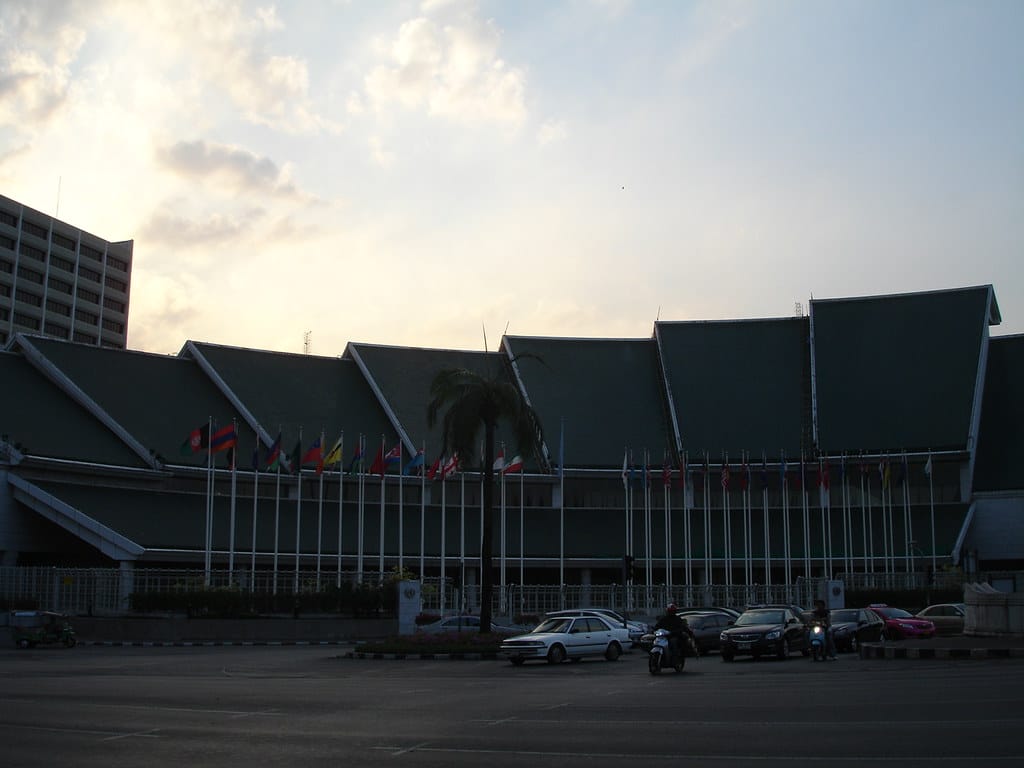
    The United Nations building in Bangkok, Thailand. Image credit: dsin_travel / CC BY 2.0

    China has consistently ranked among the top 20 refugee producing countries every year since 2003, according to statistics published by the United Nations High Commission for Refugees (UNHCR). The latest statistics published in June 2021 indicated that China was 18th on the UNHCR’s list at the end of 2020. The number of UNHCR-registered refugees originally from China reached 175,585. Additionally, there were 107,864 Chinese asylum seekers around the globe with pending claims. The number of asylum seekers increased nine-fold from just 11,375 in 2011, the year before paramount leader Xi Jinping assumed power.

    Table 1. UNHCR’s Forced Displacement Statistics (Country of Origin: China)

    Source: UNHCR, Refugee Data Finder, 2003-2020
    Many UNHCR-recognized refugees from China consider the West a destination of choice for resettlement. After taking the first step in the long journey to asylum, many refugees from China sojourn in Thailand where they await refugee status determination. It is an administrative process by which the Bangkok-based regional office of UNHCR for Southeast Asia determines whether a person seeking protection qualifies as a refugee under international law. Bangkok is home to an estimated 8,000 urban refugees—hailing from Asia, the Middle East, and Africa.

    Dui Hua is not aware of any official statistics about Chinese asylum seekers in Thailand. However, Bei Ling, founder of “Home of Refugees” in Thailand in 2015, estimated that more than 300 Chinese asylum seekers were in the country as of October 2018.

    This is the first entry in a two-part series examining issues facing Chinese asylum seekers in Thailand. This entry explores who they are and why they have fled China. The second entry will look at how and why Thailand falls short of being a safe haven. Prospective refugees with or without valid passports risk criminal detention for overstaying in Thailand. Their predicaments also include indefinite wait times for third country resettlement. The fact that Thailand fails to abide by the principle of non-refoulement also places a heightened risk of repatriation for those seeking protection from persecution at home.

    Why Thailand?

    Thailand started to become a popular place of transit for Chinese refugees about two decades ago. Prior to that, those with a well-founded fear of persecution decamped to colonial Hong Kong to flee political persecution thanks to the lax border controls at the time. Since China resumed sovereignty over the former British colony in 1997, Hong Kong has ceased to be a popular destination for asylum protection.

    For decades, Hong Kong has been a magnet for refugees. It is troubling to see a spiked increase in asylum seekers from Hong Kong since civil unrest triggered first by the now-rescinded extradition bill, and then by the sweeping arrests made under the National Security Law. The law criminalizes secession, subversion, terrorism, and collusion with foreign forces. At the end of 2020, there were 487 registered asylum seekers from Hong Kong, up from 22 in 2018 before mass protests erupted in June 2019.

    While a portion of those who fled China could be considered “economic migrants” in search of sustenance and a livelihood, China’s much-lauded economic success has fallen short of stopping people from fleeing abroad. Critics of one-party rule, adherents of banned religious groups, civil rights activists, petitioners, and ethnic minority groups are continuing to seek asylum protection abroad via Thailand.

    Chinese nationals find entry to Thailand easier than other neighboring countries or regions including South Korea, Japan, and Taiwan, mainly because they benefit from the 15-day visas on arrival available to them (Thailand has suspended this arrangement due to the outbreak of coronavirus). Entry to elsewhere requires obtaining a pre-arranged visa.

    The Thailand-Laos overland crossing checkpoint at Sop Ruak. Image credit: Slleong / CC0 via Wikimedia Commons
    Because of geographical proximity, those without proper legal documents can resort to traveling illicitly overland from Yunnan with the help of smugglers. Chiang Mai, for instance, is reachable by land transport from Yunnan’s border in nine hours. From Chiang Mai, it is another half-day journey to Bangkok, where asylum seekers file their refugee claims at the UNHCR office.

    Why Flee?

    Political Prisoners

    Geng He (耿和), wife of human rights lawyer Gao Zhisheng, is arguably the most notable example of a family member of a Chinese political prisoner fleeing political persecution via Thailand. She left for Bangkok with her children in January 2009 while her husband was serving his suspended sentence for inciting subversion. Gao’s entire family faced reprisal because Gao took on controversial cases and publicly called for an end to the persecution of Falun Gong. While in China, Gao’s children were prevented from attending school. Geng and her children stayed in Bangkok for two months before resettling in the United States. However, it must be noted that such speedy granting of asylum by the United States was only expedited by international attention. As will be discussed in Part II, the wait time for third country resettlement is often indefinite. Today, Gao remains under house arrest even after his sentence expired in August 2014.

    Another asylum application involved Hua Yong (华涌), who arrived in Canada in April 2021. Hua is a well-known painter from Beijing who posted videos documenting forced evictions and demolitions in poor neighborhoods. He was placed under residential surveillance at a designated location for three months after meeting with the father of Dong Yaoqiong, a girl who was admitted to a psychiatric facility after she live-streamed a video of herself accusing the Chinese Communist Party of “thought control.” Hua escaped to Thailand in September 2019.

    Dui Hua previously assisted former political prisoner Li Huangming (李焕明) with verifying his claim for political asylum. Before being granted political asylum in Finland in May 2013, Li fled to Bangkok after he completed his nine years’ sentence for inciting subversion in September 2010. The conviction stemmed from him distributing or planning to distribute tens of thousands of “reactionary” flyers in Shenzhen. While awaiting refugee resettlement, Li wrote stories about other Chinese asylum seekers in Bangkok for Boxun and other NGOs. In an article published by Human Rights in China in November 2012, Li wrote that Bangkok’s UNHCR office had a special team of interpreters and officials to handle the surge of applications from Chinese dissidents.

    Li wrote about changing demographics of Chinese asylum seekers. A significant number of applications were submitted by petitioners contrary to the popular belief that most Chinese refugees are supporters of China’s democracy movement, violators of the one-child policy, and adherents of banned religious groups such as Falun Gong and house churches.

    Petitioners

    Li’s observation is in line with what has been reported in unofficial news sources in recent years. Petitioners fled to Bangkok because they face reprisal in China after lodging futile complaints about land expropriation or forced demolition in their home cities.

    Petitioner Zhang Shufeng protests at UNHCR’s Bangkok office while holding a bilingual slogan that says “Request UNHCR help.” Image credit: Mirror Media

    Zhang Shufeng (张淑凤), a native of Beijing, fled to Bangkok in 2014 and obtained refugee status three years later. Taiwan-based Mirror Media reported that Zhang’s family was subjected to house arrest, beatings, and constant surveillance by government-hired thugs in China. Surveillance intensified during the “Two Sessions” (the National People’s Congress and the Chinese People’s Political Consultative Conference) and other political events. In Bangkok, Zhang protested at the UNHCR office while holding a bilingual slogan saying “Request UNHCR help,” in the hope that the UNHCR would expedite her resettlement process.

    In January 2017, unofficial news media reported that Beijing evictee Wang Ling (王玲) joined her son who had arrived in Bangkok in December 2016 to maximize the chance of them both getting through Chinese immigration checks. Wang claimed that she had received death threats from police after pursuing complaints about the forced demolition of her home. In 2008, she was sentenced to 15 months of re-education through labor and had been detained a total of 11 times. The news of abnormal deaths in police custody made Wang fear for her life.

    Religious Persecution

    Falun Gong practitioners still make up a large portion of asylum seekers in Bangkok. Many of them have fled persecution after the suppression of the spiritual sect began in 1999. One widely publicized case concerns Song Zhiyu (宋志宇), who escaped to Thailand in early 2014 via Myanmar after completing his three-and-a-half-year sentence for “organizing a cult to undermine implementation of the law.” In a Reuters interview in 2016, Song recounted how he “was spirited across a river into Thailand and hidden in the luggage hold of a Bangkok-bound bus.” Song claimed that Thailand had about 160 Falun Gong refugees and asylum seekers. The Thai authorities have taken an interest in them owing to the close bond between the military junta and Chinese government since 2014. More than 29 practitioners had been arrested on immigration charges under the military junta, said Song.

    Members of the Early Rain Covenant Church in Chengdu have also made their escapes via Thailand and joined the ranks of asylum seekers before pastor Wang Yi (王怡) was sentenced to nine years in prison for subversion and illegal business activity in December 2019. The crackdown on this prominent house church prompted Liao Qiang (廖强) to travel to Thailand with five of his family members in July 2019. They stayed in Thailand only for three days before transiting to Taiwan. However, their stay in Taiwan was only temporary because Taiwan does not have a refugee law. Liao and his family left for the United States on June 29, 2021 after receiving political asylum there.

    Civil Activism

    New groups of asylum seekers have emerged following Xi Jinping’s sweeping crackdown on civil society since he took power in 2012. Some were participants of the “Southern Street Movement,” a series of small-scale street banner protests that occurred in southern cities such as Guangzhou and Shenzhen from 2012-2013. The movement called for democratic reform and government officials to disclose assets.

    Among the “Southern Street Movement” asylum seekers were Wu Yuhua (吴玉华) and her husband Yang Chong (杨崇). They fled China in early 2015 after being targeted by police for supporting the protests in Guangzhou. Two years later, the couple was granted refugee status in Bangkok.

    Yang Chong holding up a banner calling for human rights and elections in 2015. Image credit: Bnn.co
    Supporters of the New Citizens’ Movement have also sought political asylum. The movement was promoted by prominent legal scholar and civil rights lawyer Xu Zhiyong, who was formally arrested for subversion in January 2021 after calling on Xi Jinping to step down. Sharing similar aspirations with Xu, Yan Bojun (颜伯钧) arrived in Bangkok in early 2015 after several futile attempts to leave China. In 2016, Yan published a book in Japan recounting the suppression he faced after helping Xu provide legal assistance to victims of social injustice. He had been placed under criminal detention several times in China; the longest one lasted 30 days.
    Liu Xinglian (刘兴联), another UNHCR-recognized refugee, was arrested in Hubei for inciting subversion in June 2015 due to his involvement in Qin Yongmin’s “China Human Rights Watch.” The group promoted the idea of a peaceful transformation to a democracy and circulated Qin’s articles about the inevitable demise of China’s autocratic rule. After Liu was released on bail in April 2016, he managed to escape to Bangkok in 2017.

    Uyghurs & Kazakhs

    Pakistan, which borders Xinjiang, was once a popular escape route for Uyghurs seeking to escape Chinese state repression, but its growing economic reliance on China has made Uyghurs fear for their future. Pakistani Prime Minister Imran Khan said as recently as July 2021 that, “What they [China] say about the programs in Xinjiang, we accept it.”  In the mid-2010s, a large group of Uyghurs made a long detour south to Bangkok before human rights abuses associated with the “re-education camps” made international headlines. However, Uyghurs are typically not interested in registering in Thailand as asylum seekers, according to a UNHCR statement in 2015. They were only looking for ways to get to Turkey, a destination of choice with an estimated 50,000 Uyghur residents.

    Thai authorities have confirmed a staggering number of Uyghur escapees in Thailand. In 2014, a group of 424 Uyghurs were detained in Thailand. In July 2015, over 170 Uyghurs were released to start new lives in Turkey, but a week later the Thai government repatriated 109 refugees to China. In July 2017, Thai immigration police said about 60 Uyghurs remained in detention centers across the country. As recently as 2020, their number was down to about 50. They were remnants of the Uyghurs who fled to Thailand in 2014.

    Evidence also suggests that ethnic Kazakhs have fled Xinjiang’s massive surveillance and detention campaign. A recent case involved Qalymbek Shahman, who Uzbek authorities sent back to Thailand after being denied entry to Kazakhstan in January 2019. He was subjected to intense racial profiling in China, making it impossible for him to make a living. “I would have my ID checked every 50 to 100 meters when I was in Xinjiang…Whether it was getting on a plane, on a train or other public transportation, they would spend half an hour checking me out every time.” His clients became concerned as to why he was routinely monitored and consequently stopped doing businesses with him.

    Chinese asylum seekers in Thailand face a number of problems beyond finding safe haven, including the lack of legal recognition. The second instalment will explore why and how Thailand falls short in protecting asylum seekers, and the challenges asylum seekers encounter once in Thailand.
    Read Part II here.

  • Dueling Statements, and Visions, at UN Human Rights Council

    Dueling Statements, and Visions, at UN Human Rights Council

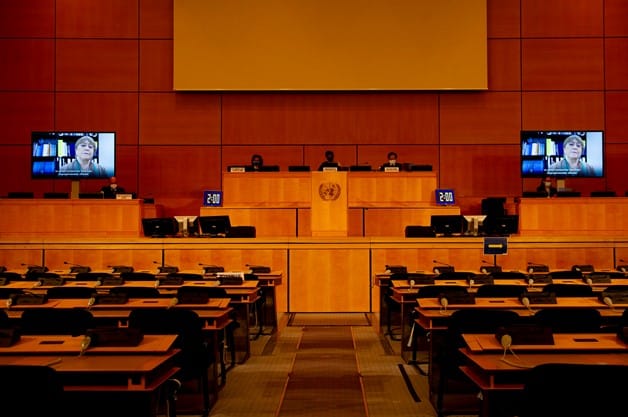
    United Nations High Commissioner for Human Rights Michelle Bachelet makes remarks during the annual high-level panel discussion on human rights mainstreaming at the 46th session of the Human Rights Council on February 22, 2021. Image credit: UN photo by Violaine Martin

    The United Nations Human Rights Council is an ideological battleground between China and its allies and the United States and its allies. Its 47th regular session (hereafter HRC 47) took place from June 21 to July 14, 2021 in Geneva. At the start of the session, Permanent Representative of Canada to the United Nations (UN) in Geneva Leslie E. Norton delivered the Joint Statement on the Human Rights Situation in Xinjiang on behalf of 44 countries. In response, Belarus delivered a joint statement from 69 countries refuting criticisms against China and urging non-interference.

    In recent years, HRCs and other UN sessions have seen dueling statements expressing concern over China’s human rights record on the one hand and lauding it on the other. Two blocs have emerged since a joint letter at HRC 41 in 2019. While each of the UN’s 193 member states has its own motivations, some factors offer insights into how countries are negotiating the US-China relationship and the current human rights climate.

    Dueling Statements

    The Canada statement at HRC 47 expressed concerns about the human rights situation in Xinjiang Uyghur Autonomous Region (XUAR), Hong Kong Special Administrative Region (SAR), and Tibet Autonomous Region (TAR) citing “credible reports” of rights abuses including widespread arbitrary detention, surveillance, restrictions on fundamental freedoms, torture, and gender-based violence by authorities. It urges China to allow “immediate, meaningful, and unfettered access” to the region and to implement the concluding observations of the UN Committee on the Elimination of Racial Discrimination (CERD).

    The signatories to the Canadian statement are predominantly developed democracies in North America, Europe, and Asia-Pacific. European states make up the majority. Most of the signatories have been outspoken against China’s human rights record and, as with Asia-Pacific signatories, have geopolitical concerns about China. Ukraine allegedly backed out of signing the statement when China threatened to halt sending vaccines. Israel was reportedly pressured to join by the United States.
    All of the G7 – Canada, France, Germany, Italy, Japan, the United Kingdom, and the United States – signed the Canadian statement. In 2020, the G7 countries made up at least a third of China’s foreign trade revenue. Except for Japan and the United States, the G7 countries are also members of the China-launched Asia Infrastructure Investment Bank. The countries that signed the Canadian statement likely account for at least 50 percent of China’s export revenue. Trade between the United States and China, meanwhile, has surged to record levels, with some reports writing that it is “as if the protracted tariff war and pandemic never happened.”
    Belarus’ counter statement emphasized the importance of “sovereignty, independence and territorial integrity of states and non-interference in internal affairs.” It implies that the Canadian statement is politically motivated and based on disinformation and double standards. The statement originally had 65 signatories with four nations joining later, and has broad support among the Organization of the Islamic Cooperation (OIC). Twenty-three of the OIC’s 57 members did not sign the Belarus statement, nor did most of China’s major trading partners.
    Table 1. HRC 47 Statement Signatories
    There were notable omissions. Both Turkey and Kazakhstan have not signed either statement despite cultural links to persecuted groups in China. Multiple ASEAN nations, particularly those that are Muslim-majority and/or have concerns about the South China Sea, have not aligned with either bloc. Several of the world’s largest economies have also been absent, including India and Brazil. South Korea, which enjoys strong economic ties with both but is politically aligned with the United States, refrained from signing, as did Singapore. Finally, four members of the EU have not signed either statement: Cyprus, Greece, Hungary, and Malta.
    As mentioned, HRC 47 was not the first instance of dueling statements on China’s human rights record. At HRC 41 in 2019, 25 nations signed a letter criticizing China while a counter letter garnered 50 signatories. At HRC 44, the UK issued a joint statement signed by 27 nations; in turn, two statements supported China—one on Xinjiang issued by Belarus signed by 53 states and another on Hong Kong issued by Cuba signed by 46 states. At HRC 46, Belarus and Cuba switched: Belarus offered a statement on Hong Kong for 69 states while Cuba’s statement on Xinjiang garnered 64 signatories. There was no joint measure critical of China; instead, 21 member states made 34 separate remarks criticizing China’s human rights record.
    Similarly, in the 74th session of the General Assembly, the UK issued a statement on behalf of 23 states, which was met by a counter statement from 54 member states. In the 75th session, Germany issued a joint statement on behalf of 39 states. Cuba supported Xinjiang policy on behalf of 45 states and Pakistan supported Hong Kong policy on behalf of 55 states.
    Statements critical of China have been issued by the UK, Germany, and Canada while joint actions supporting China have been issued by Belarus, Cuba, and Pakistan. Both Belarus and Cuba are among the last communist dictatorships in their regions, and both have faced political turmoil and threat of regime change in recent months. Should political instability in Cuba result in the fall of the regime, China could lose one of its key supporters.
    Table 2. Selected Actions at the UN
    The joint statements have consistent messaging. Statements critical of China have expressed concern over human rights, noted China’s obligations under international law, recommended that China implement the CERD observations, and urged China to allow meaningful, unfettered access to independent observers. Statements in support of China consistently accuse the other bloc of being politically motivated, commend China’s actions in Xinjiang as human rights achievements through the right to development and, because there have been no terrorist attacks in Xinjiang in three consecutive years, the right to life.
    Regions Beyond the Rhetoric
     
    The most obvious bloc is that of the developed democratic economies of North America, Europe, and Asia-Pacific that express concern over human rights in China. Canada’s HRC 47 statement was the most supported statement yet: 44 states signed on, 23 from the EU and 32 in Europe. This corresponds to recent polling in which publics in 17 advanced economies said China does not respect the personal freedoms of its citizens. Of the nations surveyed—all in North America, Europe, and Asia-Pacific—13 signed the HRC 47 statement. Several of these nations have designated China’s actions in Xinjiang as genocide in their domestic political bodies. Of the remainder, South Korea, Greece, and Singapore have not signed any statement; the latter two reported favorable views of China, and Singapore was the only public to prefer close economic ties with China and to express confidence in Xi Jinping. However, the United States induces uncertainty. Of the 16 other nations, a third said that the United States considered their foreign policy interests. While most described the United States as a “somewhat reliable partner,” most believe that it is no longer a good model of democracy.
    Much has been made of the Islamic world’s support for China’s actions in Xinjiang. Belarus’ HRC 47 statement was signed by 13 MENA countries and the majority of OIC countries. Only one OIC member, Albania, signed Canada’s statement. Muslim populations’ support for alleged genocide against a Muslim population has been explained as a byproduct of strong-man rule because many MENA, OIC, and Central Asian nations have authoritarian features. However, polling has found consistently positive views of China and Xi Jinping even when support for the United States increased among seven MENA countries. Arab publics consistently view the United States as a larger economic threat than China. Across 13 Arab countries, 58 percent viewed US policy towards the region negatively while a majority held positive views on China’s foreign policy. These views persist even though respondents view China as a less desirable employer and a source of inferior goods, and they express broad support for democracy, which suggests that China’s argument for sovereignty is attractive. Dismissing the Muslim world’s support of China as a product of illiberalism may validate China’s narrative that human rights are individualistic western ideals used to infiltrate and subjugate otherwise sovereign states.
    Among ASEAN countries, seven of its 10 members did not sign either statement. The Philippines stopped supporting China after HRC 41. While sharing the Philippines’ concerns over the South China Sea, Indonesia and Malaysia are also facing pressure, both external and internal, over the situation of the Uyghurs in their country. A 2021 survey of government and civil society experts in ASEAN nations found that support for the United States has increased in recent years. A 2020 poll found 79 percent identified China as the most influential power in the region, with 72 percent expressing wariness over this: “China’s economic influence is deeply felt but not very well received in the country.” Still, China is favored in many ASEAN countries with the United States being the overwhelming preference in the Philippines and Vietnam.
    Africa has been a consistent source of support for China at the UN, even as some of the continent’s largest economies avoid statements. (In a surprise development, Côte d’Ivoire issued a statement expressing concern over actions in Xinjiang, Hong Kong, and Tibet despite not signing either statement.) A survey of 18 African countries found that while the United States is still the preferred development model, in countries where China had invested mainly in infrastructure, perceptions have held steady or improved. Less than half of those polled said they were aware of Chinese loans or financial assistance to their country but among those who were, 77 percent were concerned about loan repayment and a majority (58 percent) said that their governments had overborrowed. This might indicate that narratives about debt traps and asset seizures are having an effect.
    Like Africa, the region consisting of Latin America and the Caribbean (LAC) has seen hefty Chinese investment. According to the Congressional Research Service, 19 LAC countries have Belt and Road Initiative (BRI) projects in the region and total trade between China and the region reached $316 billion in 2019. Accumulated loans from 2005 to 2020 totaled $137 billion, with top recipients being Venezuela, Brazil, Ecuador, and Argentina—only one of which signed the Cuba statement. Public polling in Brazil, Argentina, and Mexico suggests that people have more positive views of China than negative, and these ratings have improved since 2014; these publics were more likely to name the United States as the top threat but say that they have good economic relations with both countries.
    Trading Onwards
     
    A look at China’s top trading partners suggests that any battle for hearts and minds is occurring separate from trade deals. China’s top 10 countries for imports and exports are dominated by Canada statement signatories—the United States, Germany—and non-signers—Brazil, South Korea. While supporters like Russia and the odd MENA state factor in at lower levels, China’s economy is still supported by the countries it accuses of weaponizing human rights. Amongst ongoing calls for decoupling and an economic reality that suggests the opposite, there are several issues to consider moving forward.
    Investment and attention seem to matter. In public polls, countries that receive investments tend to have more favorable opinions of a country, which sometimes translates into UN support or at least the absence of opposition. The United States and Europe have recently announced initiatives to compete with China’s BRI, and vaccine diplomacy, as seen by the Ukraine case, remains a crucial issue for international engagement.
    Narratives can create opportunities. Narratives on predatory investment may have sway in regions lacking a power monopoly; China-led narratives about sovereignty at the very least provide effective cover for post-colonial societies, some of whom may be truly weary of invasion. Similarly, China’s human rights whataboutism can deflect attention from criticism. It has highlighted the United States’ history of genocide and aggression in the MENA region. At the same time that Canada issued its statement, reports of mass graves at its relocation schools revealed its own human rights abuses. China even issued its own joint statement expressing “deep concerns” on human rights in the United Kingdom largely due to severe systemic racism.
    China’s accusations of political bias might seem contrived to western audiences, but the United States has at times taken a similar approach. The Bush administration declined to join the HRC in 2006 when the HRC replaced the Human Rights Commission, which was widely seen as ineffective and even counterproductive. The Bush presidency also cited anti-Israel bias as a reason for non-involvement, and the United States was one of four nations—with Israel, the Marshall Islands, and Palau—to vote against the HRC’s formation. Belarus, Iran, and Venezuela abstained. During the Obama administration, the United States joined and was elected to the HRC. In 2018, the Trump administration withdrew from the HRC, again citing anti-Israel bias as the reason.
    On June 19, 2018, then-Ambassador to the United Nations announced the US withdrawal from the HRC. Image credit: C-Span
    Similarly, China has used the US-led war on terror to justify its actions. Many Western countries have expressed indignation at China’s actions without acknowledging parallels to US programs of extraordinary rendition, extrajudicial drone killings, and the “off-shoring” of refugees by developed democracy economies. This helps reinforce China’s narrative that human rights are culturally biased, politicized devices. Ignoring these aspects may reinforce China’s notion that the choice between the US and China-led narratives on human rights is a political one, as opposed to one rooted in international law and morality.
    The Biden administration seems to be progressing on some of these fronts. The administration’s statement on key outputs from HRC 47 listed achievements such as co-sponsoring resolutions in human rights in Syria and the human rights of migrants, leading events on Hong Kong’s National Security Law and business and human rights, and cooperating on a new mechanism to combat systemic racism. It also confirmed that the United States will seek election to the HRC leadership for 2022-2024.
  • Transparency in Inciting Splittism Trials

    Transparency in Inciting Splittism Trials

    A picture of the town of Ganzi in the Tibetan Autonomous Region in western Sichuan Province, China, taken in 2005. Image credit: Colegota / CC BY-SA 2.5 ES

    China’s Fifth Judicial Reform Plan Outline in 2019 committed itself to an “open, dynamic, transparent, convenient sunshine judicial system.” Although much progress has been made in the number of court rulings and judgments posted online, the level of transparency varies by case type, crime, and region. Criminal cases classified as endangering state security (ESS) are among the least transparent.

    Part of this is because judges frequently exercise their discretion to decide what information, including rulings and judgments, to publish. They may also conceal information about cases they deem “inappropriate for posting.” In regions rocked by incidents of ethnic unrest, accessing information about ESS cases is considered difficult or even impossible at times due to media blackouts which occur periodically following violent clashes with Han Chinese.

    While this presumption about judicial transparency holds true in Xinjiang, it does not accurately reflect the availability of Chinese government sources with regard to ethnic minority prisoners who are convicted of political crimes in the Tibetan regions outside of the Tibetan Autonomous Region (TAR) and Han-majority provinces.

    Despite being a restive region, Ganzi, or Garze, a Tibetan Autonomous Prefecture occupying the western arm of Sichuan Province, is the top region in all of China with the highest number of publicly disclosed ESS court rulings and judgments. In Ganzi, 26 of the 28 publicly disclosed ESS cases concerned the crime of inciting splittism (煽动分裂国家罪). Dui Hua previously reported that the Ganzi Intermediate People’s Court convicted nine Tibetans of inciting splittism between June and August 2020. In the last four months of 2020 the same court released five more judgments involving six defendants who were tried for the same crime.

    Table 1. ESS Rulings Disclosed on China Judgements Online (as of April 30, 2021)

    Aba, also known as Ngaba, similarly maintains a high level of transparency notwithstanding an astonishing number of self-immolation protests which occurred in the prefecture between 2012 and 2017. This Tibetan prefecture in northwestern Sichuan is ranked third in Table 1, with 20 ESS rulings and judgments disclosed on China Judgements Online. Thirteen of them were trials of inciting splittism. In 2020 alone, eight judgments were posted online by the Ganzi Intermediate People’s Court.

    Dui Hua previously reported that Xinjiang makes up the majority of China’s ESS cases (see Court Statistics on Splittism and Inciting Splittism, Part II: Uyghurs and Tibetans for a detailed analysis). The Chinese government has made an apparent attempt to obfuscate information in the autonomous region. At the time of writing, none of the ESS rulings and judgments on China Judgements Online were disclosed in Xinjiang. A small number of Xinjiang ESS court judgments Dui Hua unearthed earlier from court websites have since been taken down.

    Table 2. A list of inciting splittism cases in Ganzi and Aba posted on China Judgements Online after August 31, 2020

    Political Prisoner Database

    The names of political prisoners convicted of inciting splittism can also be found in other open-source materials. In its “official registry,” Dui Hua’s restricted-access Political Prisoner Database (PPDB) has information on 250 individuals who were tried nationwide for inciting splittism. The cases referred to here were collected from official sources including court judgments and rulings, state-run news media reports, judicial annals available in libraries and electronic yearbooks, and responses provided to Dui Hua by Chinese interlocutors.

    Access to information in Xinjiang is far more restricted than in Tibetan regions. Table 3 shows that about 60 percent of people tried for inciting splittism in the official registry are in the Tibetan plateau, compared to only 38 people, or 17 percent, in the entire Xinjiang Uyghur Autonomous Region (XUAR) including It is worth noting that the eight percent remainder also involved Uyghurs, they were scattered across Han-majority provinces, including Shanghai, Tianjin, Guangdong, Fujian, Jiangsu, Henan, Liaoning, and Jilin also involved Uyghurs.

    Table 3. Regional breakdown of inciting splittism trials with information in Dui Hua’s Official Registry

    Ganzi comes out on top of all regions in Table 4; 68 prisoners convicted of inciting splittism are recorded in the official registry of the PPDB. The number is 11 times higher than that of Kashgar, Xinjiang, with records in the PPDB. The contrast is striking when we factor in a 2009 Chinese court report, which stated that more than 60 percent of Xinjiang’s ESS cases were tried in Kashgar. The paucity of prisoner information in the Uyghur prefecture has left the identities, acts, and fates of many of those convicted of inciting splittism unknown.

    Labelled “the self-immolation capital” by The New York Times, Aba comes as a distant second in Table 4. The latest Tibetan to set himself ablaze, in November 2019, occurred in Aba.

    Aba is followed by Huangnan, a Tibetan Autonomous Prefecture in Qinghai. It was another site of self-immolations and clashes between monks and Chinese security forces similar to Ganzi and Aba from 2012-2017.

    Table 4. Top three regions with information of inciting splittism trials in PPDB Official Registry

    In Qinghai, people tried for inciting splittism are not exclusively Tibetans. According to court judgments posted online, three ethnic Mongols were sentenced to nine to ten years in prison in the provincial capital of Xining in October 2008. Their imprisonment was likely related to the unrest in Tibet. Originally from Huangnan, they were detained in April 2008, just a month after the unrest in Lhasa set in motion a series of protests and demonstrations across the Tibetan plateau.

    Outside of Xinjiang

    Official information about Uyghur political cases appears more accessible outside of Xinjiang, at least for a brief period. Table 5 shows a breakdown of inciting splittism trials in the official registry of the PPDB. Of the 19 prisoners who were tried for inciting splittism in Han-majority provinces, all but one were Uyghurs.

    Table 5. Number of inciting splittism trials in Han-majority provinces with information in PPDB Official Registry
    Except for the three cases concluded in Shanghai in 2003, other cases in Table 5 were uncovered from court documents which were posted online between 2014 and 2016. Although the names of defendants were occasionally redacted or obscured, fewer ESS rulings and judgments at the time were classified as “unsuitable for posting.” These uncensored court judgments showed that most Uyghur defendants belonged to the “post-90s generation’ and were in their early twenties at the time of sentencing. Common allegations against them included using the internet to disseminate information about “East Turkestan” and the “Holy War.”

    Some of the case highlights are:

    1. Rozi Wulayimu, born in 1985, was a cake seller who traveled back and forth to Guangzhou from Yiwu, Zhejiang, prior to detention in January 2015. While in Yiwu, he became acquainted with what prosecutors called a Uyghur “religious extremist” (zongjiao jiduan fenzi 宗教极端分子). According to the judgment, the “religious extremist” called the ban on veils and beards in Xinjiang a repression of Islam. The “religious extremist” bought Rozi a cellphone. It was preinstalled with Voxer, an app best known for walkie-talkie messaging, and another app with access to IRIB World Service, Iran’s international broadcasting radio network.

    Rozi did not use the preinstalled apps until after he moved back to Guangzhou in late 2014. IRIB World Service allegedly contained articles and images of violence, “East Turkestan,” and the “Holy War.” This browsing history became evidence of him inciting others to split China. Additionally, Rozi used Voxer to contact the “religious extremist,” who shared the idea of them illicitly going overseas. Uyghurs could not legally exit China because of tight travel restrictions placed on them, said Rozi during the trial. Rozi also expressed having a strong impulse to leave China because he was deeply moved by the contents of IRIB World Service. However, he dismissed this idea as he could not bear to leave his parents behind in China.

    In July 2016, Rozi was sentenced to two years in prison by the Guangzhou Intermediate People’s Court. Rozi was released from prison in January 2017, having already spent 17 months in custody prior to conviction.

    • A Uyghur farmer, whose name was redacted in the judgment, was sentenced to two years in prison in Nanjing on July 17, 2015. He signed in to his QQ account with his cellphone and from cybercafes, where he disseminated audio and video messages of “religious extremism, the Holy War, and ethnic hatred.” Additionally, he was accused of sharing links to Turkistan Times, a multilingual news website covering news about Xinjiang.

    • Cases are also documented in China’s northeast provinces. Eli Exmet studied at Changchun’s Northeast Normal University. The then-25-year-old student was sentenced to eight years in prison in October 2014. Prosecutors accused him of teaching private religious classes to Uyghurs studying there. In the classes, he raised funds from attendees to buy tablets and removable storage to use as teaching tools and explained why he supported the “Holy War” and “East Turkestan” with information he downloaded and copied from e-books and online videos.

      Another defendant, Metabdulla Iminniyaz, born in 1992, was sentenced to six years in prison. He was in charge of lecturing on Arabic-language videos. According to the judgment, he expressed the idea of “driving away all bad Han Chinese in Xinjiang” in his classes.

    • Born in 1993, a Uyghur barbeque shop worker was sentenced to three years in prison in Dalian in February 2016. His name was redacted in the judgment. He was accused of uploading images from 2013-2014 containing violence and religious extremism to his personal cloud storage. Since he did not set a passcode to restrict access, the images were seen by many of the over 200 people on his contact list. Among the images was a map of China separating Taiwan, Tibet, and Xinjiang from Chinese territory. Xinjiang was also labelled “East Turkestan” and painted blue with a white crescent flag.

    The empirical data presented in this post indicated a varying level of judicial transparency concerning the trials of inciting splittism. While Tibetans and Uyghurs are both disproportionately represented in such trials, the Chinese government appears more willing to disclose information about Tibetans than Uyghurs. That said, courts in Aba, Ganzi, Huangnan, and other Tibetan regions are far from genuinely transparent. The judgments which have thus far been posted online there merely contain defendants’ names, courts, and sentence dates. Information about their sentences, whereabouts, and health status remains concealed.
    As mentioned earlier, the Uyghur cases outside of Xinjiang were concluded in 2014-2016, but Dui Hua is unable to find additional cases from Chinese government sources published over the past four years. The same practice of concealing information in publicly disclosed court rulings and judgments has also extended to cases of Han Chinese convicted of ESS crimes. As such, the opacity of ESS cases is suggestive of an overall downward trend in judicial transparency. ESS cases are by nature sensitive, but the strategic use of “discretion” by judges can serve as a smoke screen for crimes to be reclassified and charges shuffled. As long as this happens, China’s stated intentions of having a dynamic and transparent justice system will be out of reach.
  • Tablighi Jamaat and Hui Muslims

    Tablighi Jamaat and Hui Muslims

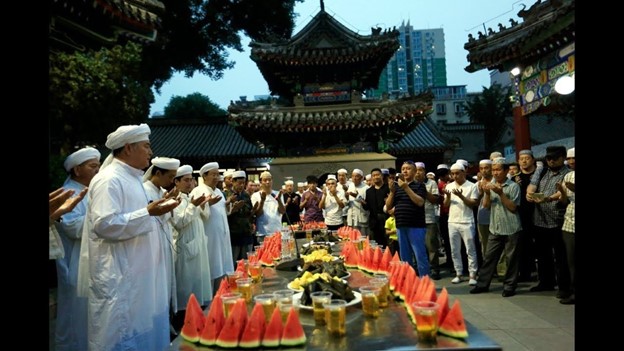
    Footage posted in 2015 shows Chinese Muslims, who appear to be members of Tablighi Jamaat (in white robes), holding a prayer in a Chinese-style mosque. The skullcapped worshippers to the right are believed to be Hui Muslims. Image credit: Umal Al-Dawa Youtube Account
    Literally translated as “society for spreading faith,” Tablighi Jamaat (TJ) is a transnational movement closely tied to the Deobandi interpretation of the Sunni Islamic teachings. It is often seen as an ultraorthodox sect, and some media outlets have erroneously reported that TJ calls on Muslims to travel the world to convert non-believers. Founded in India in 1926, TJ encourages all members to form small groups to proselytize both in- and outside of mosques.

    TJ’s proselytizing method differs from the mainstream practice in that it is revivalist and insular. Rather than focus on non-Muslims, TJ adherents encourage other Muslims to adopt more orthodox lifestyles akin to those of Muhammad and the first Muslim adherents, and to focus proselytizing on current believers and Muslims of lapsed faith. Branding itself as a pietistic movement that eschews politics, TJ is active in over 150 countries, according to a study published in 2010 by Pew Research Center. TJ has an estimated 25 to 80 million participants around the globe, with the majority living in South Asia.

    Although TJ openly rejects violence as a means for evangelism, it is banned by Russia and a number of Middle East nations due to its suspected connections to militancy and terrorism. TJ, however, continues to operate legally in much of Europe. While a French intelligence official remarked that TJ provided “fertile ground for breeding terrorism,” other European anti-terrorism officials said there is insufficient proof to substantiate the claim. The United Kingdom has become a center of TJ activities with the arrival of South Asian immigrants since the 1960s. In the United States, officials have been unable to prove that TJ is a terrorist group although the then-assistant director of the FBI said in 2003 that “al-Qaida used them for recruiting.” Since the attacks of September 11, 2001, the United States has placed the 50,000 TJ participants in the country under close surveillance.

    The Chinese government sees TJ as a matter of serious concern and employs similar rhetoric to discredit the sect. That said, because of its diffuse nature and scarcity of public information, little is known about how TJ operates and the extent of its influence in China. Researching this subject is also difficult because varying transliterations are in use, including taibilike (台比力克), zhema’erti (哲麻尔体), zhemati (哲麻提), and chuzhemati (出哲麻提). In government sources, TJ is also called Da’wah Preaching Society (dawa xuanjiaotuan 达瓦宣教团). The name is occasionally shortened as Da’wah (达瓦), dawaer (达瓦尔), or dawa (达洼), all of which stem from an Arabic word used in the Quran to describe Allah’s call to proselytize. Some scholars have also said that in China and elsewhere, Da’wah refers to a range of educational and social welfare activities catering to Muslims in need.

    The participation of Hui Muslims in TJ has attracted some scholarly interest. Among the first English literature on this topic is “Hui Muslims: The Milieu of Radicalization and Extremism,” a chapter of Ethnic Identity and National Conflict in China, but it only mentions in passing that TJ increases the risk of radicalization among Hui. There are also a few Chinese-language studies about TJ, but none of them go beyond providing basic facts about its history, practices, and overseas activities.

    Alexander Stewart

    Anthropology scholar Alexander Stewart conducted an in-depth study on this little-known subject. His 2018 article titled “Tabligh Jama’at in China: Sacred self, worldly nation, transnational imaginary” focuses on Hui participation in TJ in Xining, Qinghai. Stewart pointed out the sensitivity of the subject matter, citing anecdotal remarks from a graduate student who was told by mainland professors to avoid touching on it. Stewart indicated that many TJ participants in Xining “wear the loose, white, South Asian-style clothing common to the movement…” Unlike TJ participants outside of China, they do not gather in exclusively dedicated mosques or institutes. They have distinctive ritualized behaviour and proselytizing methods: they lead study sessions and travel occasionally in groups of four to ten people to preach all over China. “Instead of violently opposing the Han-dominated atheist state like some extremists among Uyghur splittists in Xinjiang,” TJ stresses the unity of all Muslims, transcending the many Islamic sectarian divides. Another reason why TJ appeals to Hui is because the sect provides an escape for those dissatisfied with state-appointed imams who prioritize patriotism over religious orthodoxy.

    Stewart noted that the legal status of TJ in China is ambiguous. In his article, Stewart cites one criminal case which strongly suggests that TJ participants are at risk of imprisonment in Xinjiang. The case was concluded in Gulja County in September 2013 and involved a Hui farmer sentenced to two years’ imprisonment for “gathering a crowd to disturb social order.” The charge stemmed from his participation in TJ and illegally proselytizing in Xinjiang, Gansu, Ningxia, and Qinghai. In the judgment, the court designated Da’wah as an “overseas religious infiltration organization… unanimously boycotted by China’s traditional Islamic groups.”

    Dui Hua’s Research

    The Hui farmer case cited by Stewart was not an isolated instance. Politically driven accusations against TJ are dominant in official narratives. In 1999, Kashgar Yearbook recounted finding “reactionary propaganda” from hostile forces that included TJ. In that year, police broke up 11 secret TJ gatherings and confiscated about 2,000 copies of “reactionary” books, 80,000 copies of illegal religious publications, and thousands of reactionary and religious cassette tapes. Kashgar and other Xinjiang localities have also branded TJ as a source of “sabotage and infiltration” and religious extremism despite a lack of evidence to substantiate the claims. In Xinjiang, TJ is also categorized as one of the sanfei (三非, i.e. three illegal) cases, which include people who take part in illegal religious activities, produce illegal religious publications, and propagate illegal religion online.

    Government gazettes sometimes give piecemeal figures of police raids that hint at the extent of influence of TJ. In 2004, Kashgar police reportedly investigated 220 participants in the whole prefecture. In 2010, police outlawed five gatherings involving 76 people. The sources, however, did not state whether the TJ participants were Uyghurs, Hui, or members of other Muslim minorities.

    Dui Hua’s research into court judgments uncovered several criminal cases in connection to TJ, all of which involved Hui Muslims. None of them were accused of terrorism or convicted of terrorism-related crimes. Allegations against them all centered on “illegally proselyting” or “illegally teaching illegal Islamic classes.” For instance, Ma Decang (马德仓) was sentenced to six years’ imprisonment on December 12, 2014, in Turpan City, for the same offense of “gathering a crowd to disturb social order” because he was not authorized by the state to teach the Quran in mosques and his home. As a leader of a local TJ group, he received non-local TJ visitors in his home, where he held prayers and arranged proselytizing missions to Xinjiang, Gansu, Shaanxi, Ningxia, and Sichuan.

    Available sources also suggest that some TJ participants travelled abroad to preach. As recently as April 2020, news media reported that six Chinese nationals were among the 960 TJ members who were blacklisted and their tourist visas cancelled by India’s Union Home Ministry as the deepening coronavirus sparked border closures and strict lockdowns.

    In China, even making arrangements for TJ participants to travel overseas can be seen as a criminal act. On May 19, 2015, Jin Dehuai (金德怀) received an even lengthier seven years’ prison sentence in Xinjiang, again for “gathering a crowd to disturb social order.” The judgment stated that Jin arranged Bangladesh visas for other TJ participants. In 2013, Jin himself paid a 40-day visit to Bangladesh, where he met with other TJ participants from China. Additionally, Jin was accused of organizing multiple “jamaat’” gatherings and Islamic classes in his home in Changji Hui Autonomous Prefecture.

    Another reason for the severity of Jin’s sentence is that he reoffended. In 2009, Jin was sentenced to one year and six months for the same offense as he was found guilty of teaching the Quran to over two dozen Hui and Uyghur children aged three to 16. The religious classes Jin provided were said to have inflicted harm on the children’s health because they were confined in several small apartments that “restricted their free movement,” according to the judgment.

    From “reactionary” to “infiltration, extremism and terrorism,” the different accusations put forward by the Chinese government against TJ appear to suggest that local officials in Xinjiang do not share the same understanding on how to pursue the sect. There were also cases where TJ participants were instead charged with Article 300 of the Criminal Law “organizing/using a cult to undermine implementation of the law.” The application of this offense is unusual because TJ is not an officially recognized cult organization such as Falun Gong or Almighty God.

    Riyad as-Salihin Hadiths, once available for sale in online bookstores, was said to be an illegal religious publication in the case of Ma Sheng in 2013. The image was originally from www.kongfz.com but is no longer on the site.

    In one case concluded in October 2010, the Gulja County People’s Court sentenced seven Hui TJ participants to three-four years’ imprisonment for “cult.” One of them is Ma Sheng (马胜), who was similarly accused of conducting illegal religious classes. Available sources stated that he taught several banned books, including Islamic Six Virtues and Riyad as-Salihin Hadiths. Publications of the same titles are downloadable free of charge from various online file sharing services.

    Beyond Xinjiang

    The crackdown on Muslims that began with the Uyghurs in Xinjiang has spread to other regions. Dui Hua has also found criminal cases involving TJ participants in other provinces. Ningxia, home to a large concentration of Hui Muslims, is another center of Hui TJ participants. In 2014, public security in Litong District launched a district-wide crackdown on “cults”, breaking up five different Da’Wah gatherings and “dismissing” 48 participants. In 2015, Ningxia raided 48 instances of “Da’wah Work” involving 355 individuals throughout the province. In 2016, in Tongxin County alone, also in Ningxia, authorities reportedly stopped 125 Da’Wah participants from “illegally proselytizing.”

    An online judgment unearthed by Dui Hua indicated that a local court in Ningxia found Ma Zongcheng (马宗成) guilty of “gathering a crowd to disrupt a public place and traffic order” for taking part in TJ activities from 2009-2018 and gathering TJ members in his home from other parts of Ningxia, Gansu, and Henan. Ma was sentenced to two years’ imprisonment and was released on December 23, 2019.

    A document issued by the Hohhot Islamic Association in August 2019 asks all mosques to deny entry of Da’wah imams in order to comply with the state policy to Sinicize religion. Initially posted on QQ, a web portal developed by Chinese tech giant Tencent, the image has been deleted.

    How TJ is officially designated in China remains ambiguous—does it really share a propensity towards extremism and terrorism, or is it another a peaceful group banned in China because of its effort to preach and conduct classes outside the state system? Instead of violent or other terrorism-related crimes, TJ members of Hui descent were mostly convicted of public order offenses, or sometimes “cult,” for illegally proselytizing or conducting Islamic classes.

    Media attention to Hui Muslims began relatively recently around 2018 when authorities across China started demolishing mosques perceived to be “un-Chinese,” shuttered Arabic language schools, and launched “anti-halal” crackdowns which affected tens of thousands of Hui entrepreneurs and restaurant owners. However, the cases demonstrated in this post show that a portion of Hui Muslims, particularly participants of TJ, faced repression even before Chinese president Xi Jinping announced his plan to Sinicize religion. First mentioned at the Central United Front Work Conference in May 2015, Sinicization brought about major bureaucratic restructuring that put state organs in charge of religious affairs directly under the CCP’s United Front Work Department, with the primary objective to safeguard CCP’s power. At a Central Religious Work Conference in April 2016, Xi directed his Sinicization remark in part at Hui Muslims for their troubling extension of “Islamization” of Chinese society.

    Today, the clampdown on Islam has become more widespread, and some Hui Muslims are known to have been swept into re-education camps alongside Uyghurs. More research is needed to evaluate how Sinicization has accelerated the clampdown on Hui participants of TJ, whose beliefs, practices, and overseas connections are at odds with increasingly xenophobic body politic under Xi.

    In addition to Uyghurs and Hui, the Sinicization of Islam has taken aim at additional minority groups. In September 2020, reports of a crackdown on the Utsul Muslims, a population of around 10,000 living in Hainan, emerged. New restrictions ban traditional Islamic dress, including the hijab and a traditional long skirt worn by female practitioners, from schools in Utsul neighborhoods. The ban is allegedly part of a wider prohibition against any traditional ethnic garments in schools, even though it only affects the Utsuls. In addition to the ban on traditional dress, other measures to be implemented include increased surveillance of residents in Muslim neighborhoods, restrictions on the sizes of mosques, and the removal of Arabic script and architectural features from mosques and other buildings.

  • Court Statistics on Splittism & Inciting Splittism, Part III: Mongols & Han Chinese

    Court Statistics on Splittism & Inciting Splittism, Part III: Mongols & Han Chinese

    The following has been posted to Dui Hua’s Human Rights Journal. It is the third in a three-part series examining the application of splittism and inciting splittism charges using Records of People’s Courts Historical Judicial Statistics: 1949-2016.
    Part I examined the application of splittism and inciting splittism from 1998-2016 as it corresponded to major incidents of ethnic unrest in China.
    Part II focused on two ethnic groups who are more likely to face trial for splittism and inciting splittism: Uyghurs and Tibetans. Court statistics discussed in both parts indicate that splittism and inciting splittism charges were disproportionately used against ethnic minorities. However, a breakdown of ethnicities is not available.
     

    Mongols

     
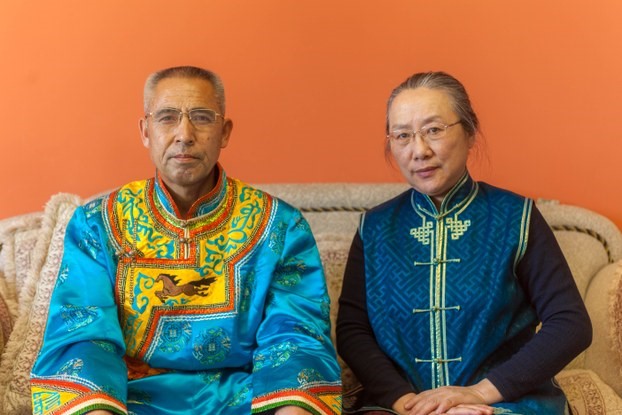
    Compared to Uyghurs and Tibetans, Mongolian splittism is rarely discussed in state discourse, perhaps reflecting its status as a smaller security threat to China. An important reason is that ethnic Mongols in Inner Mongolia have been heavily assimilated with Han Chinese. Despite Inner Mongolia’s designation as China’s first autonomous region, ethnic Mongols have long been greatly outnumbered by Han Chinese in the region. The 2010 census indicated that ethnic Mongols accounted for a mere 17 percent of the population in Inner Mongolia, compared to 80 percent Han.
    Signs of Mongolian nationalism emerged among university students in the 1980s. While some preferred political separation and the establishment of an independent Inner Mongolian state, others promoted unity with Mongolia and the ethnic Mongols in Russia. Separatist sentiments were further rekindled by the disintegration of the Soviet Union in 1991. Although there were demonstrations in Inner Mongolia in 1990 in favor of independence, key figures were quickly arrested. In 1991, leaders of a group based near Hohhot were sentenced to two years for separatist activity, according to British Sinologist Michael Dillon. In the same year, Mongol independence activist Xi Haiming (席海明) fled persecution in China to Mongolia and was granted political asylum in Germany in 1993.
    Hada (left), founder of the Southern Mongolian Democratic Alliance, was sentenced to 15 years’ imprisonment for splittism and espionage in 1996. Image credit: Radio Free Asia
    Perhaps the most iconic case was Hada (哈达). Unlike Xi Haiming, Hada chose to stay in Inner Mongolia to continue his peaceful activism and formed the Southern Mongolian Democratic Alliance with other Mongol activists in 1992. The alliance’s mission was to oppose colonization by the Han people and call for self-determination, freedom, and democracy in Southern Mongolia. He was later sentenced to 15 years’ imprisonment for conspiring to split the country and espionage. Having completed his full sentence without a sentence reduction in December 2010, Hada continues to live under close police surveillance and numerous restrictions, including a travel ban and frozen bank accounts.
    Other than Hada, cases of ethnic Mongolian splittism have not been widely reported or well documented. Dui Hua’s research into government gazettes unearthed only a few cases of endangering state security:
    • In 1992, 11 of the 197 people classified as the “targeted population” in Ordos were splittists;
    • In 1996, Ordos police solved the case of the illegal ethnic splittism publication Dure and the case of the “Ordos Branch of the Southern Mongolia Democratic League Central Committee” ethnic splittism organization. Police quickly uncovered and stopped a small number of Mongol students who were carrying out efforts in support of Hada’s “Southern Mongolia Democratic League;”
    • In 2009, two of the 18 people classified as the targeted population in Urad Rear Banner were “ethnic splittists.”
    Large-scale ethnic Mongol protests erupted in 2011; they were triggered by collective grievances over the ecological destruction of grasslands as a result of excessive mining operations dominated by Han-owned entities in Inner Mongolia. Pro-independence groups overseas also pointed out that the protests had nothing to do with self-determination or independence but were focused on legal rights for indigenous herders. Beijing, however, still blamed foreign forces for fueling unrest among ethnic Mongols.
    Dui Hua’s Political Prisoner Database only has information on four ethnic Mongols who were convicted of inciting splittism over the past two decades.
    • On October 29, 2008, the Xining Intermediate People’s Court sentenced Quehezhou (却合周) and E’erjian (俄尔尖) to nine and ten years in prison, respectively. They were both detained on April 16, 2008. The timing of their detention coincided with the protests which spread across the Tibetan plateau before the Beijing Olympics.
      • Lobsang Gongpo (洛藏公保) was likely involved in the same case; he was sentenced to ten years in prison by the same court on the same day. Despite his Tibetan-sounding name, Lobsang Gongpo is an ethnic Mongol, according to a court judgment Dui Hua discovered online.
    Quehezhou, E’erjian and Lobsang Gongpo are all from Henan Mongol Autonomous County, an ethnic Mongol-majority county in the south of Huanggang Tibetan Autonomous Precture in Qinghai Province. The judgments did not provide further information about the case.
    • In July 2019, Lhamjab A. Borigin received a one-year suspended prison sentence in Shili Yin Gool for splittism and illegal business activity. The charges stemmed from his book written in Mongolian about the Cultural Revolution. Published in 2006 by an underground press and subsequently translated into Mandarin, the book discloses survivor testimonies and details torture techniques used during political campaigns.
    Han Chinese
     
    Court statistics have confirmed that splittism and inciting splittism have been disproportionately applied to ethnic minorities, but no less striking is the remainder of the defendants who are not classified as ethnic minorities. Dui Hua believes that these people are Han Chinese.
    Charts 1 and 2 show that of the 3,936 people convicted of splittism and inciting splittism with judgments taking effect from 1998-2016, 347, or 8.8 percent, were not ethnic minorities. There was a slightly bigger proportion of non-ethnic minorities in inciting splittism cases: 155 people, or 14 percent, in inciting splittism cases, compared to 192, or just 6.5 percent, in splittism cases.
    In inciting splittism cases, the number of non-ethnic minority defendants varied from 1.6 percent in 2001 to 83 percent of all defendants in 2012. In 2006, slightly over half of the 13 people convicted of inciting splittism were not ethnic minorities; in 2012, 15 of 18 people convicted were Han Chinese.
    Unlike Uyghurs, Tibetans, and, to a lesser extent, ethnic Mongols who are imprisoned for promoting ethnic independence, demanding genuine or greater autonomy, or criticizing China’s ethnic policy, the reasons for convicting Han Chinese in splittism or inciting splittism cases are not immediately obvious.
    Dui Hua’s Political Prisoner Database only has information on one Han Chinese who was convicted of inciting splittism: Wang Jicheng (王集成) was sentenced to eight years in prison in Nanping, Fujian, in December 2009 for inciting splittism, inciting subversion, and teaching methods of committing crimes. In this case, Wang was sentenced to four years in prison for inciting splittism. A judgment Dui Hua discovered indicated that Wang was released on December 25, 2015, more than seven months earlier than the original release date, without providing information on his criminal acts, which were said to have incited other people to divide China.
    A case recently posted by Wei Quan Wang shed some light on the obscure cases of Han Chinese inciting splittism. Originally from Wuhan, Li Ke stood trial in Xining, Qinghai, where he was caught red-handed displaying a “Free Tibet” banner and a Snow Lion flag at a Tibetan monastery. The source also said Li was found in possession of a U-drive with images of overseas Tibetan protesters disrupting the 2008 Olympic Torch relay. The trial outcome is nevertheless unclear.

    The following two cases show how Han Chinese can be at risk of being accused of inciting splittism because of their online speech, although neither was found guilty of this particular ESS crime:
    • Huang Qi (黄琦) was sentenced to five years’ imprisonment for inciting subversion in February 2003. Prosecutors moved forward with the inciting splittism charge against Huang because his website contained articles about ethnic independence. The court dismissed the inciting splittism charge and upheld that Huang did not have the intent to divide the country since he did not author the articles.
    • Prominent human rights lawyer Pu Zhiqiang (浦志强) was sentenced to three years’ imprisonment for inciting ethnic hatred, picking quarrels, and provoking trouble in December 2015. The initial allegations against him included inciting splittism, a charge stemming from his negative online comments about China’s policies in Xinjiang. Pu urged China to stop treating Xinjiang as a colony and to stop acting as a conqueror and plunderer.
    Taiwan
     
    The developments in Taiwan might be relevant to understand how China curbs separatism among Han Chinese in the mainland. Dui Hua, however, has yet to find proof that promoting Taiwan independence is a reason for conviction in cases of splittism or inciting splittism in mainland China.
    Over the years, Beijing has proactively blocked Taiwan in the international arena in a bid to suppress independence. China typically undertakes countermeasures and ramps up rhetoric against the Taiwan independence movement when the Democratic Progressive Party (DPP) becomes the majority ruling party in Taiwan. A year after Chen Shui-bian of the DPP was re-elected as Taiwan president, China ratified the Anti-Succession Law in 2005. The law claims that Taiwan is a part of China and suggests the use of non-peaceful means against Taiwan independence in the event of a declaration of independence.
    Evidence suggests that Han Chinese are not necessarily criminally liable for discussing Taiwan independence online. A court judgment Dui Hua discovered indicated that Wang Yong (王勇) was only given “admonishment” in Shandong for posting messages on Twitter to “incite Taiwan independence.” Wang was not imprisoned for tweets about Taiwan independence, but rather for the 1,200 “anti-Communist Party” messages and images he tweeted as of August 14, 2019. In January 2020, Wang was sentenced to 10 months’ imprisonment for “picking quarrels and provoking trouble.”
    Hong Kong
     
    China has been increasingly wary of the newly emerged independence movement in Hong Kong. Beginning with the student-led movement in 2014 calling for the right to vote for their chief executive, the calls for independence have become more visible in the wake of the civil unrest through the second half of 2019 triggered by the ill-fated extradition bill.
    A man found carrying a “Hong Kong Independence” flag in his backpack during a protest on July 1, 2020 was the first person arrested under the Hong Kong National Security Law. Netizens said that the flag said “no to” (反对) in tiny print above the independence slogan. The man has been released without formal charges at the time of publication. Image credit: Hong Kong Police Force Twitter account
    As the coronavirus outbreak subsided from May-June 2020, throngs of demonstrators chanting pro-democracy slogans and displaying banners saying “Hong Kong Independence” and “Liberate Hong Kong, Revolution of our times” returned to the city’s streets and shopping malls. Chinese officials condemned the Hong Kong protesters as a “political virus” using violence to promote independence claims.The Hong Kong government has also declared that the protest slogans are pro-independence, secessionist and subversive, and can be prosecuted under the newly enacted national security law, which came into force on June 30, 2020.
    Openly supporting Hong Kong independence in the mainland is a risky proposition, but this act alone does not necessarily constitute a crime of ESS. Dui Hua’s research into online judgments found that Twitter user Tang Guogang (唐国刚) was sentenced to 18 months in prison, also for “picking quarrels,” in Liaoning in December 2019. His imprisonment stemmed in part from his messages supporting the independence of both Hong Kong and Taiwan. The court also found him guilty of tweeting hundreds of “subversive” messages attacking China, the Communist Party, and the socialist system.
    In a separate case, a local court in Foshan, Guangdong, sentenced Deng Xiqiang (邓锡强) to two years in prison (suspended for three years) on January 20, 2020, also for “picking quarrels.” Deng was accused of using circumvention software to access Instagram and post 48 messages, which “attacked the socialist system, satirized Chinese leaders, and vilified the Hong Kong Special Administrative Region’s government.” The court also found him guilty of posting “unhealthy and fake” information about Hong Kong independence. Other allegations against Deng included the “yellow umbrella” accessories he designed in support of Hong Kong’s Occupy Central Movement in 2014.
    The two cases above were concluded before the National People’s Congress passed national security legislation on June 30, 2020. The law, which covers secession, subversion, terrorism, and collusion with foreign forces, signals a harsher crackdown to crush the Hong Kong independence movement. It remains to be seen whether mainland courts will mete out more severe punishment to deter dissenters who publicly express sympathy for the Hong Kong cause under the catch-all crime of “picking quarrels.” It is also possible that the same acts conducted online will be construed as endangering state security amid a worsening political climate.
    Minor splittism movements
     
    There are a few other minor splittism movements in China advocating for provincial independence, but the threat is more apparent than real. Individuals who promote this cause are not known to have been charged with splittism or inciting splittism:
    The Haizhu District People’s Court convicted Yang Xubin (杨旭彬) of “picking quarrels” for spray painting graffiti slogans, including “Liberate Guangzhou” and “Guangdong independence,” as shown in the image of a court judgment posted online. The court did not explain why the slogans did not amount to splittism or other endangering national security crimes. Image credit: China Political Prisoner Concern
    • Yang Xubin (杨旭彬), of Han ethnicity, was sentenced to nine months in prison for “picking quarrels” in January 2020. He spray-painted graffiti of slogans in Guangzhou about the anti-extradition bill protests in Hong Kong and also daubed slogans of “Free Guangzhou” and “Guangdong Independence.”
    • In a separate case, Wang Zhan (王展) was detained for subversion on October 15, 2019 upon returning to China from Finland, where he pursued his post-doctorate study. Wang, whose ethnicity is unclear, was an advocate for independence for Manchuria and Shanghai.
    It is hard to understand the rationale behind the tactics of criminalization against Han Chinese supporters of any independence movement. The above cases demonstrated that splittism and inciting splittism are not necessarily applicable even when Han Chinese openly criticize China’s ethnic policy or disseminate information about independence for Taiwan, Hong Kong, or other less developed provincial independence movements. Because of the opacity of China’s criminal justice system, the identities, acts, and fates of the 347 Han Chinese who were convicted of splittism and inciting splittism from 1998-2016 remain unknown.
    What is clear is that the application of splittism and inciting splittism charges has an ethnic bias. Similar acts to split or incite splittism by Uyghurs, Tibetans, or ethnic Mongols are more likely to lead to more severe consequences. Instead of “picking quarrels,” they will likely be charged with splittism and inciting splittism—crimes of endangering state security, which China gives utmost priority and carry much harsher prison sentences.
    On a final note, the drop in splittism and inciting splittism cases beginning in 2014 is no cause for celebration. In an upcoming post, Dui Hua will analyze the reasons and explain how the Chinese government has employed new tactics of criminalization against ethnic minority dissenters: from using splittism and inciting splittism to non-ESS crimes, including terrorism-related crimes and inciting ethnic hatred.
    China’s propaganda often denounces western critics for their “hypocrisy” and defends its own anti-splittism law by drawing comparisons with separatist movements in the west. While it is true that punishing splittism-adjacent crimes through other laws, including anti-terrorism measures, are in place in western democracies to suppress separatism, people in many countries and regions other than China and Hong Kong are at least “free to express secessionist views.” In Spain, political parties that support the independence of Catalonia are represented in the parliament. By contrast, China has zero tolerance for political parties that promote splittism. It also makes peaceful speech punishable under splittism, inciting splittism, or other criminal offenses.
  • Court Statistics on Splittism & Inciting Splittism, Part II: Uyghurs & Tibetans

    Court Statistics on Splittism & Inciting Splittism, Part II: Uyghurs & Tibetans

    The following has been posted to Dui Hua’s Human Rights Journal. It is the second in a three-part series examining the application of splittism and inciting splittism charges using Records of People’s Courts Historical Judicial Statistics: 1949-2016.
    In Part I, Dui Hua discussed the application of splittism and inciting splittism from 1998-2016, examining how the trends and sentencing corresponded to major incidents of ethnic unrest in China. The court statistics also indicated that splittism and inciting splittism were disproportionately used against ethnic minorities, but a breakdown of ethnicities is not available.
    Part II focuses on two major ethnic groups who are more likely to face trial for splittism and inciting splittism: Uyghurs and Tibetans.
    Uyghurs
     
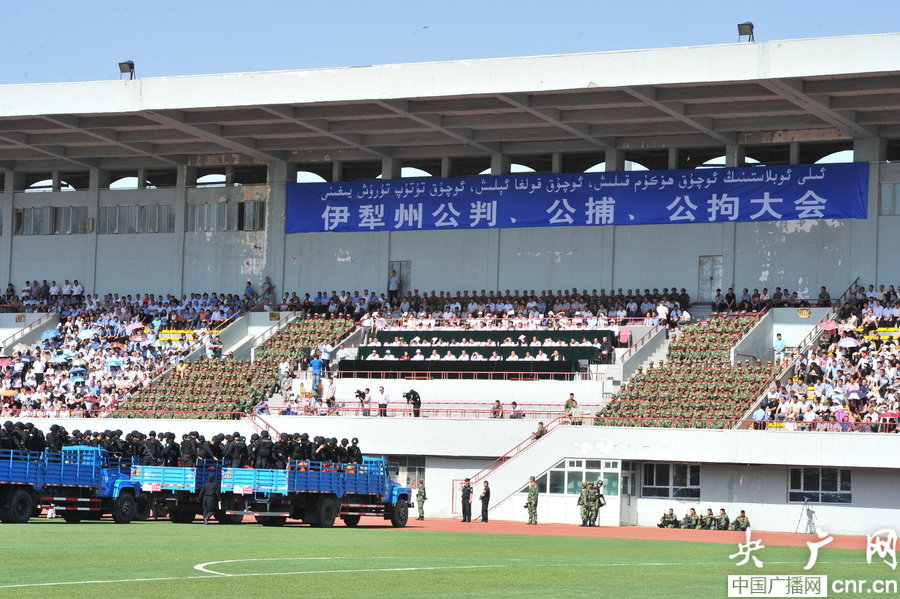
    Individuals who are convicted of splittism or inciting splittism are predominantly Uyghurs. Parts of today’s Xinjiang Uyghur Autonomous Region briefly enjoyed independence in the two decades before 1949. The disintegration of the Soviet Union in 1991 and the subsequent emergence of independent Muslim nations in Central Asia rekindled Uyghurs’ desire to establish an independent state of their own. To curb the emerging separatist sentiments, China launched its first “strike hard” campaign in Xinjiang in 1996 following large-scale protests, bombings, and killings of government cadres. Thousands of Uyghurs suspected of violence and separatism were reportedly rounded up, and hundreds were executed.
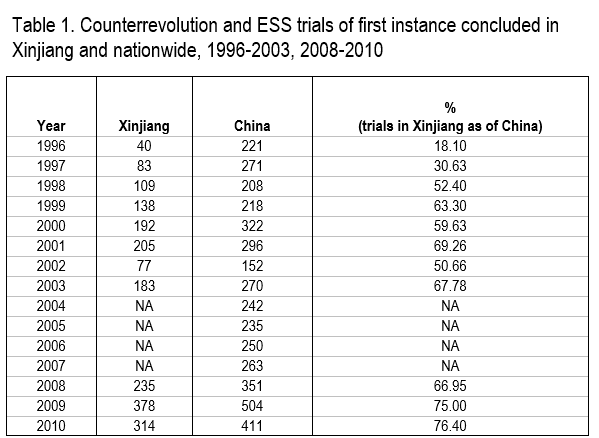
    The following year, the Chinese government suppressed the Uyghur uprising in Ghulja, which was sparked by the news that as many as 30 Uyghur independence activists were executed and of the prohibition on traditional Uyghur gatherings known as meshrep. A large but unknown number of people were charged with the counterrevolutionary crime of “conspiring to split the country.” In 1997, Xinjiang concluded 83 counterrevolution cases of first instance, accounting for 30 percent of all counterrevolution cases nationwide.
    Sources: Dui Hua, Xinjiang Yearbook, Records of People’s Courts Historical Judicial Statistics: 1949-2016
    Dui Hua’s research into government records confirmed that Xinjiang made up an even bigger portion of political cases in China after counterrevolutionary crimes were expunged in the 1997 Criminal Law. From 1998-2003, at least half of endangering state security (ESS) cases were concluded every year in Xinjiang; the number even increased to two-thirds in 2001 and 2003. Between 1996 and 2003, there was an average of two to four defendants per trial. Figures from 2004-2007 are not available.
    Despite global attention to the suppression of the Tibetan Riots in 2008, Xinjiang remained the epicenter of ESS cases. Government sources also revealed that Xinjiang made up 67 percent of ESS cases nationwide in that year. From 2009-2010, three quarters of China’s ESS cases were tried in Xinjiang.
    Based on analysis of annual work reports disclosed by Xinjiang’s high court from time to time, Dui Hua estimated that Xinjiang concluded approximately 300 ESS case each year from 2013-2014. During this period, Xinjiang continued to account for about 75 percent of the ESS cases in China. The number of Xinjiang ESS trials dropped to 100 cases in 2015. This drop coincided with the overall decline in ESS cases nationwide beginning in the same year. The same work report also reveals that trials for crimes that cover “terrorism” surged by about 25 percent in 2015. Dui Hua believes that many of the trials for terrorism crimes had previously been handled as ESS trials.
    Most, if not all, of these ESS cases were splittism or inciting splittism, and a large portion of them took place in west Xinjiang. For instance, government sources confirmed that more than 60 percent of Xinjiang’s most serious ESS cases between 2001-2009 were tried in Kashgar. In 2009 alone, Kashgar courts handled 49 ESS cases involving 225 defendants. Among them, 33 cases involving 171 defendants concerned separatist organizations, such as Hizb ut-Tahrir (伊扎布特) and Hijrah Jihad (伊吉拉特).
    In recent years, government reporting often conflates splittism and inciting splittism cases with terrorism-related crimes, making it impossible for observers to discern how many people were convicted for non-violent expressions of dissent. The Supreme People’s Court reported that 712 people were convicted of inciting splittism, terrorism, and other violent crimes in 2014, an increase of 13.3 percent compared to 2013. Alleged members of Hizb ut-Tahrir and Hijrah Jihad are often charged with splittism, inciting splittism, and terrorism. The identities, acts, and fates of these people remain largely unknown.This is not to suggest that peaceful dissenters are necessarily treated more leniently than people convicted of violent crimes. Uyghurs who openly oppose Xinjiang independence remain at great risk of facing lengthy prison sentences for the two ESS crimes if they refuse to toe the party line or are critical of China’s ethnic policy. Notable examples include:

    Gheyret Niyaz in a screengrab from the now-defunct uyghurbiz.net. Image credit: Radio Free Asia
    However, the prosecutors focused on his critical essays about Mandarin-focused bilingual education policies, which he said had resulted in widespread layoffs of Uyghur teachers. He also opposed a government program to transfer Uyghur women to jobs in the interior of China because Uyghur communities feared that the programs would result in prostitution and intermarriage. He is not known to have received a sentence reduction over a decade into his sentence and is scheduled for release in October 2024.
    Uyghur economics professor Ilham Tohti was sentenced to life imprisonment for splittism by the Urumqi Intermediate People’s Court on September 23, 2014. Image credit: news.cri.cn
      • Ilham Tohti, arguably the most prominent Uyghur prisoner, was sentenced to life imprisonment for splittism in September 2014. The scholar rejected violence and independence but argued that the Uyghur population has been largely left out of Xinjiang’s economic development and routinely face discrimination. He was accused of colluding with the East Turkestan Independence Movement and promoting ethnic separatism on uighurbiz.net, a website he founded to reconcile differences between Han and Uyghurs.
    Over the years, Dui Hua has been advocating for clemency and better treatment on behalf of non-violent Uyghur activists who were sentenced for splittism or inciting splittism. Our research indicated that clemency provided to ESS prisoners has a clear ethnic bias: Han Chinese convicted of espionage and supplying foreign entities with state secrets are more likely to receive clemency than Uyghurs convicted of splittism and inciting splittism, despite all these crimes being categorized under ESS.
    One noteworthy development is that Uyghur splittism and inciting splittism cases are not just confined to Xinjiang. Some of these Uyghurs were job seekers or students who pursued tertiary education in Han-majority cities. Evidence also suggests that some of these cases were related to Hijrah Jihad, which means “migration” and “holy war.” This group encourages members to leave their hometowns to proselytize.
    • Dui Hua previously reported that two Uyghurs were detained in Pingdingshan, Henan, in 2012 for ESS crimes: Adili Tursun was allegedly as one of 61 fugitives of “three forces” (i.e., separatism, religious extremism, and terrorism), while Iliyar Kublati was charged with inciting splittism.
    • Another duo in their early twenties were also indicted for inciting splittism in Henan but were tried in Jilin. Eli Exmet continues to serve his eight years’ sentence in a prison in Changchun until November 2020, while Paziniye completed her five years’ prison sentence in 2019.
    • Fujian’s Nanping Intermediate People’s Court sentenced Ailaijiang Abuliti to seven years’ imprisonment for inciting splittism in December 2015. The judgment only stated that he was given a five-month sentence reduction in June 2019 because of good behavior.
    • In 2016, Guangdong tried an inciting splittism case involving Warisjan Ghopur. No government responses have been provided to Dui Hua despite repeated inquiries about the case.
    Tibetans
     
    The Tibetan regions are widely considered to be trouble spots. Mounting resentment against Beijing began after China reasserted control of Tibet in 1950. Outbreaks of armed resistance, which culminated in the Lhasa Uprising in March 1959, compelled the Dalai Lama to escape to Dharamsala, India, where he currently lives as a refugee.
    Protests in the Tibetan regions are typically initiated by monks calling for the return of the Dalai Lama, and are joined by lay people supporting the same cause. Over the past decades, Chinese policies within Tibet have shifted from relatively liberal to repressive and back again. The 1980s were a period of relative tolerance in Tibet: Beijing briefly allowed temples and monasteries to reopen, and the Tibetan language was reintroduced in schools. However, China tightened its policy after then-Tibet party secretary Hu Jintao violently suppressed large-scale anti-Chinese demonstrations in Lhasa in honor of the 30th anniversary of the 1959 uprising. Martial law was declared on March 8, 1989 and lasted about two years.
    Chinese rule in Tibet remained largely repressive in the 1990s. Monks and nuns who were serving sentences for counterrevolution coordinated large numbers of prisoners to join hunger strikes, shout campaigns, and to chant pro-independence slogans. They also sought to solicit international attention from visiting diplomats. The most severe crackdown on prison protests took place after demonstrations in Drapchi, Tibet’s largest prison, on May 1 and May 4 in 1998. On both occasions, prisoners who were ordered by Chinese officials to celebrate the socialist achievements in Tibet shouted political slogans just ahead of a visit by a delegation from the European Union. Defiant prisoners were reportedly dealt with by deadly force and given sentence extensions for inciting splittism.
    Tibetan prisoners convicted of splittism and inciting splittism were largely peaceful, but in some cases, they received additional sentencing for violent crimes. One notable example is Tenzin Delek, who was sentenced to death with two-year reprieve for inciting splittism and setting explosions in December 2002. A respectable leader among Tibetans in eastern Sichuan who had spoken out against deforestation, the monk was accused of staging a series of bombings in Chengdu. Tenzin Delek also denied the charges against him, human rights groups said in 2004, citing a recording smuggled out of prison. Tenzin Delek died in July 2015 while serving his sentence in Chuangdong Prison.
     
    Tibetan monks clashed with armed police during the Lhasa riots in 2008, which the Chinese government saw as a separatist movement plotted by the Dalai Lama. Image credit: CCTV
    The impact on ESS cases of the Lhasa Riots, which began on March 14 just months ahead of the Beijing Olympics, cannot be overstated. As noted earlier in this post, 67 percent of China’s ESS cases were concluded in Xinjiang. That said, a portion of ESS cases involved young Tibetans who questioned the path of non-violence promoted by the Dalai Lama and resorted to violence to express political grievances. Foreign journalists reported cases where Tibetan rioters focused on setting fire to and looting businesses owned by Han Chinese and Hui.
    Two weeks into the protests, China brought a delegation of foreign journalists to Lhasa to allow independent reporting from the Tibetan capital. Several dozen monks at the Jokhang temple protested in front of the foreign reporters and yelled “We want the Dalai Lama to return to Tibet, we want to be free.” Some of these monks were likely charged with or sentenced for ESS, including splittism and inciting splittism. Reliable arrest figures are not available.
    Amid the outbreak of the Tibetan protests, filmmaker Dhondup Wangchen joined the ranks of political prisoners because of his independent coverage of the tensions in Tibet. He produced a 25-minute documentary “Leaving Fear Behind,” in which he interviewed Tibetans about their hopes and frustrations living under Chinese rule. His footage was smuggled overseas before he disappeared into detention on March 26, 2008. He was sentenced to six years’ imprisonment for inciting splittism in December 2009 and completed his full sentence without a sentence reduction on June 5, 2014. In December 2017, he fled China and was reunited with his family in the United States who had been granted political asylum there.
    The spate of self-immolations in the Tibetan regions, which began in 2009, brought into sharp relief the despair and defiance of Tibetans. Some Tibetans see these acts as altruistic suicide committed in order to not cause material damage or inflict physical harm on others. State-run news media reported at least two cases of inciting splittism in connection to the self-immolation protests:
    • A court in Qinghai sentenced Phagpa to 13 years’ imprisonment for inciting splittism and murder in February 2013. Phagpa allegedly encouraged a monk to set himself ablaze for the Tibetan cause. In November 2012, Phagpa organized pro-independence demonstrations in Tongren County and was found in possession of a large number of “Snow Lion Flags” and photos of the Tibetan government in exile. In this case, the crime of inciting splittism alone carried five years’ imprisonment.
    Due to limited information available, it is hard to estimate the number of splittism and inciting splittism cases throughout all Tibetan regions, which span not only the Tibetan Autonomous Region but also parts of Qinghai, Sichuan, Gansu, Ningxia, and Yunnan. Although comprehensive data of arrests, indictments, and trials for splittism and inciting splittism across all Tibetan regions are not available, piecemeal figures from government sources suggest that Tibetan cases came in a distant second after Xinjiang:
    Self-immolation protests by Tibetans have not stopped; the latest incident was reported on November 26, 2019. At the same time as the rate of occurrence has slowed down, considerably fewer political cases in the Tibetan regions have been reported over the past few years.
    One of the most well-known cases over the past few years concerns Tashi Wangchuk. Like some of the previously discussed Uyghur cases, promoting or discussing independence for Tibet is not a requisite for conviction. Tashi Wangchuk was sentenced to five years’ imprisonment for inciting splittism in May 2018 because of the interviews he gave to The New York Times. In the interviews, he explicitly stated that he was not calling for Tibetan independence; rather, he expressed worries about the disappearance of the Tibetan language because Chinese authorities have been prohibiting the use of Tibetan in spheres ranging from schools to commerce. He is scheduled for release from Qinghai’s Dongchuan Prison in January 2021.

    In Part III, Dui Hua examines two other ethnic groups who have also faced trials for splittism and inciting splittism: ethnic Mongols and Han Chinese.

      • However, the prosecutors focused on his critical essays about Mandarin-focused bilingual education policies, which he said had resulted in widespread layoffs of Uyghur teachers. He also opposed a government programs to transfer Uyghur women to jobs in the interior of China because Uyghur communities feared that the programs would result in prostitution and intermarriage. He is not known to have received a sentence reduction over a decade into his sentence and is scheduled for release in October 2024.
    • Ilham Tohti, arguably the most prominent Uyghur prisoner, was sentenced to life imprisonment for splittism in September 2014. The scholar rejected violence and independence but argued that the Uyghur population has been largely left out of Xinjiang’s economic development and routinely face discrimination. He was accused of colluding with the East Turkestan Independence Movement and promoting ethnic separatism on uighurbiz.net, a website he founded to reconcile differences between Han and Uyghurs.
    Uyghur economics professor Ilham Tohti was sentenced to life imprisonment for splittism by the Urumqi Intermediate People’s Court on September 23, 2014. Image credit: news.cri.cn
    Official news media reports confirmed that seven students of Ilham have also been jailed for splittism: Perhat Halmurat, Shohret Nijat, Mutellip Imin, Abduqeyyum Ablimit, Atikem Rozi, Akbar Imin, and Luo Yuwei, who is from the Yi ethnic minority. One of them was sentenced to eight year’ imprisonment and two other students were sentenced to seven years, also for splittism. Their sentencings, whereabouts, and current statuses cannot be individually confirmed.

    Over the years, Dui Hua has been advocating for clemency and better treatment on behalf of non-violent Uyghur activists who were sentenced for splittism or inciting splittism. Our research indicated that clemency provided to ESS prisoners has a clear ethnic bias: Han Chinese convicted of espionage and supplying foreign entities with state secrets are more likely to receive clemency than Uyghurs convicted of splittism and inciting splittsm, despite all these crimes being categorized under ESS.

    One noteworthy development is that Uyghur splittism and inciting splittism cases are not just confined to Xinjiang. Some of these Uyghurs were job seekers or students who pursued tertiary education in Han-majority cities. Evidence also suggests that some of these cases were related to Hijrah Jihad, which means “migration” and “holy war.” This group encourages members to leave their hometowns to proselytize.
    • Dui Hua previously reported that two Uyghurs were detained in Pingdingshan, Henan, in 2012 for ESS crimes: Adili Tursun was allegedly as one of 61fugitives of “three forces” (i.e., separatism, religious extremism, and terrorism), while Iliyar Kublati was charged with inciting splittism.
    • Another duo in their early twenties were also indicted for inciting splittism in Henan but were tried in Jilin. Eli Exmet continues to serve his eight years’ sentence in a prison in Changchun until November 2020, while Paziniye completed her five years’ prison sentence in 2019.
    • Fujian’s Nanping Intermediate People’s Court sentenced Ailaijiang Abuliti to seven years’ imprisonment for inciting splittism in December 2015. The judgment only stated that he was given a five-month sentence reduction in June 2019 because of good behavior.
    • In 2016, Guangdong tried an inciting splittism case involving Warisjan Ghopur. No government responses have been provided to Dui Hua despite repeated inquiries about the case.
    Tibetans
     
    The Tibetan regions are widely considered to be trouble spots. Mounting resentment against Beijing began after China reasserted control of Tibet in 1950. Outbreaks of armed resistance, which culminated in the Lhasa Uprising in March 1959, compelled the Dalai Lama to escape to Dharamsala, India, where he currently lives as a refugee.
    Protests in the Tibetan regions are typically initiated by monks calling for the return of the Dalai Lama, and are joined by lay people supporting the same cause. Over the past decades, Chinese policies within Tibet have shifted from relatively liberal to repressive and back again. The 1980s were a period of relative tolerance in Tibet: Beijing briefly allowed temples and monasteries to reopen, and the Tibetan language was reintroduced in schools. However, China tightened its policy after then-Tibet party secretary Hu Jintao violently suppressed large-scale anti-Chinese demonstrations in Lhasa in honor of the 30th anniversary of the 1959 uprising. Martial law was declared on March 8, 1989 and lasted about two years.
    Chinese rule in Tibet remained largely repressive in the 1990s. Monks and nuns who were serving sentences for counterrevolution coordinated large numbers of prisoners to join hunger strikes, shout campaigns, and to chant pro-independence slogans. They also sought to solicit international attention from visiting diplomats. The most severe crackdown on prison protests took place after demonstrations in Drapchi, Tibet’s largest prison, on May 1 and May 4 in 1998. On both occasions, prisoners who were ordered by Chinese officials to celebrate the socialist achievements in Tibet shouted political slogans just ahead of a visit by a delegation from the European Union. Defiant prisoners were reportedly dealt with by deadly force and given sentence extensions for inciting splittism.
    Tibetan prisoners convicted of splittism and inciting splittism were largely peaceful, but in some cases, they received additional sentencing for violent crimes. One notable example is Tenzin Delek, who was sentenced to death with two-year reprieve for inciting splittism and setting explosions in December 2002. A respectable leader among Tibetans in eastern Sichuan who had spoken out against deforestation, the monk was accused of staging a series of bombings in Chengdu. Tenzin Delek also denied the charges against him, human rights groups said in 2004, citing a recording smuggled out of prison. Tenzin Delek died in July 2015 while serving his sentence in Chuangdong Prison.

    Tibetan monks clashed with armed police during the Lhasa riots in 2008, which the Chinese government saw as a separatist movement plotted by the Dalai Lama. Image credit: CCTV
    The impact on ESS cases of the Lhasa Riots, which began on March 14 just months ahead of the Beijing Olympics, cannot be overstated. As noted earlier in this post, 67 percent of China’s ESS cases were concluded in Xinjiang. That said, a portion of ESS cases involved young Tibetans who questioned the path of non-violence promoted by the Dalai Lama and resorted to violence to express political grievances. Foreign journalists reported cases where Tibetan rioters focused on setting fire to and looting businesses owned by Han Chinese and Hui.
    Two weeks into the protests, China brought a delegation of foreign journalists to Lhasa to allow independent reporting from the Tibetan capital. Several dozen monks at the Jokhang temple protested in front of the foreign reporters and yelled “We want the Dalai Lama to return to Tibet, we want to be free.” Some of these monks were likely charged with or sentenced for ESS, including splittism and inciting splittism. Reliable arrest figures are not available.
    Amid the outbreak of the Tibetan protests, filmmaker Dhondup Wangchen joined the ranks of political prisoners because of his independent coverage of the tensions in Tibet. He produced a 25-minute documentary “Leaving Fear Behind,” in which he interviewed Tibetans about their hopes and frustrations living under Chinese rule. His footage was smuggled overseas before he disappeared into detention on March 26, 2008. He was sentenced to six years’ imprisonment for inciting splittism in December 2009 and completed his full sentence without a sentence reduction on June 5, 2014. In December 2017, he fled China and was reunited with his family in the United States who had been granted political asylum there.
    The spate of self-immolations in the Tibetan regions, which began in 2009, brought into sharp relief the despair and defiance of Tibetans. Some Tibetans see these acts as altruistic suicide committed not to cause material damage or inflict physical harm on others. State-run news media reported at least two cases of inciting splittism in connection to the self-immolation protests:
    • A court in Qinghai sentenced Phagpa to 13 years’ imprisonment for inciting splittism and murder in February 2013. Phagpa allegedly encouraged a monk to set himself ablaze for the Tibetan cause. In November 2012, Phagpa organized pro-independence demonstrations in Tongren County and was found in possession of a large number of “Snow Lion Flags” and photos of the Tibetan government in exile. In this case, the crime of inciting splittism alone carried five years’ imprisonment.
    Due to limited information available, it is hard to estimate the number of splittism and inciting splittism cases throughout all Tibetan regions, which span not only the Tibetan Autonomous Region but also parts of Qinghai, Sichuan, Gansu, Ningxia, and Yunnan. Although comprehensive data of arrests, indictments, and trials for splittism and inciting splittism across all Tibetan regions are not available, piecemeal figures from government sources suggest that Tibetan cases came in a distant second after Xinjiang:
    Self-immolation protests by Tibetans have not stopped; the latest incident was reported on November 26, 2019. At the same time as the rate of occurrence has slowed down, considerably fewer political cases in the Tibetan regions have been reported over the past few years.
    One of the most well-known cases over the past few years concerns Tashi Wangchuk. Like some of the previously discussed Uyghur cases, promoting or discussing independence for Tibet is not a requisite for conviction. Tashi Wangchuk was sentenced to five years’ imprisonment for inciting splittism in May 2018 because of the interviews he gave to The New York Times. In the interviews, he explicitly stated that he was not calling for Tibetan independence; rather, he expressed worries about the disappearance of the Tibetan language because Chinese authorities have been prohibiting the use of Tibetan in spheres ranging from schools to commerce. He is scheduled for release from Qinghai’s Dongchuan Prison in January 2021.
    In Part III, Dui Hua examines two other ethnic groups who have also faced trials for splittism and inciting splittism: ethnic Mongols and Han Chinese.


  • Court Statistics on Splittism & Inciting Splittism, Part I

    Court Statistics on Splittism & Inciting Splittism, Part I

    This is the first post in a three-part series examining the application of splittism and inciting splittism charges using Records of People’s Courts Historical Judicial Statistics: 1949-2016. Previous posts drawing on SPC statistics discussed the decline in juvenile convictions, cases related to Hong Kong and Taiwan, and cases covered by Article 300 of the Criminal Law—“using or organizing a cult to undermine implementation of the law.”

    On May 27, 2014, the Yili Kazakh Autonomous Prefecture Branch of the Xinjiang High People’s Court convicted 55 defendants of splittism, “organizing/leading/participating in a terrorist organization” and murder in a public rally of sentencing, arrest and criminal detention jointly held by the party secretary and public security. Image credit: China Daily

    Splittism and inciting splittism are crimes of endangering state security (ESS), introduced in 1997. They are routinely used to suppress calls for greater self-determination rights, including genuine autonomy and political separation from China. Trials of these two crimes have been used as proxies for the suppression of dissenters from ethnic minority groups, most notably Uyghurs and Tibetans.
    Defined in Article 103 of the Criminal Law, splittism and inciting splittism serve to deter people from “splitting the country or undermining national unification.” The former carries a potential death sentence and targets those who organize, plot, or act to divide China. Inciting splittism is not a capital crime and is applicable when an offender urges or persuades others to commit splittism through the use of language, text, images, or other communication tools but does not commit splittism him- or herself.
    Statistics released by the Supreme People’s Court (SPC) in the 12-volume Records of People’s Courts Historical Judicial Statistics: 1949-2016 corroborate Dui Hua’s observation that splittism and inciting splittism are considered by the Chinese government to be the two principal state security threats in China. The two crimes account for the majority of ESS cases nationwide and are disproportionately applied to ethnic minorities.

    Chinese courts accepted 5,863 ESS cases and brought 14,072 people to trial for ESS in the first 18 years after the 1997 Criminal Law came into effect. Charts 1 and 2 show that among them, 4,304, or 73 percent of the ESS cases, and 11,810, or 84 percent of the defendants, stood trial for splittism or inciting splittism.

    Chart 3 shows that the first peak of splittism and inciting splittism cases occurred in 2001; a total of 731 people were brought to trial. Although sporadic incidents of ethnic unrest had started earlier in the 1990s, China remained relatively silent and downplayed the severity of the security threat before 2001, according to a research report by CNA China Studies.
    China began speaking more openly and frequently about separatist violence in Xinjiang after the September 11, 2001, terrorist attacks on New York and Washington. After 9/11, Beijing employed similar rhetoric to the United States to justify its own “War on Terror” and designated the East Turkestan Independence Movement (ETIM) as a terrorist organization with assistance from global jihadist networks. In the same year, China started blaming ETIM for instigating a number of separatist and terrorist activities in China. Because most information on ETIM can only be tracked back to Chinese government sources, some critics have raised questions of credibility and said the threats were exaggerated.
    Due to the limited information available, it is impossible to quantify the extent of ETIM’s involvement in splittism and inciting splittism cases. Dui Hua’s research, however, revealed that a substantial proportion of these cases after 2000 were attributed to Hizb ut-Tahrir (伊扎布特), or Party of Liberation. For example, in 2010, police in Kashgar identified 522 people for their involvement with Hizb ut-Tahrir. Many countries have banned the group, but independent media reports documenting Hizb ut-Tahrir activity in China are scarce. Members of this group are also likely to face terrorism-related charges. Part II will feature a more in-depth discussion of this topic.
    The six years before the Beijing Summer Olympics were a period of relative calm. The number of people tried for splittism and inciting splittism dropped every year from 2002-2005, falling from 630 people to 310, but increased steadily in the two years since 2006. From 2002-2007, the number of people tried for splittism and inciting splittism made up around 80 percent of ESS defendants nationwide.
    The crackdown on separatism intensified in 2008; the number of defendants tried for the two crimes doubled to 1,155 from 564 in 2007. This surge was likely triggered by calls for an Olympics boycott by international activists over China’s extensive human rights violations. Chinese state media blamed ETIM and Tibetan separatists in exile for fanning anti-China sentiment overseas. Just months ahead of the Beijing Olympics, Tibetan protests erupted in Lhasa on March 14, 2008, and spread across the entire Tibetan plateau.
    The number stayed high between 2009 and 2013, during which 3,871 people were brought to trial. Notable incidents of ethnic unrest included the Urumqi Riots in July 2009, a spate of Tibetan self-immolation protests, and violent attacks allegedly committed by Uyghurs in- and outside of Xinjiang.
    A significant drop in the number of people brought to trial for splittism and inciting splittism occurred in 2014, falling to 577 from 886 in 2013. The number dipped almost threefold to 199 in 2015 and remained low in 2016. From 2015-2016, splittism and inciting splittism cases accounted for 58 percent of all ESS cases, down from over 90 percent when these cases were at their peak in 2012.
    It is worth noting that China consistently tried and concluded more cases of splittism than inciting splittism from 1998-2013, but the case ratio vastly fluctuated. In 2013, ten people were tried for splittism for every one person tried for inciting splittism. The ratio dropped to 1.7:1 in 2005. Between 2006 and 2013, the number of defendants tried for splittism was 1.7-4.6 times more than those tried for inciting splittism.
    The number of cases and defendants tried for splittism was superseded by inciting splittism after 2013. From 2014-2016, 630 people were tried for inciting splittism, more than double the number of defendants for splittism. More research is needed to better understand this emerging trend.
    Sentencing

    From 1998-2016, only 15 people tried for splittism or inciting splittism were acquitted. These acquittals mostly occurred in the first five years after 1997. No one was acquitted for either crime from 2003 through 2016. The only exception was in 2009; four people were acquitted for inciting splittism.
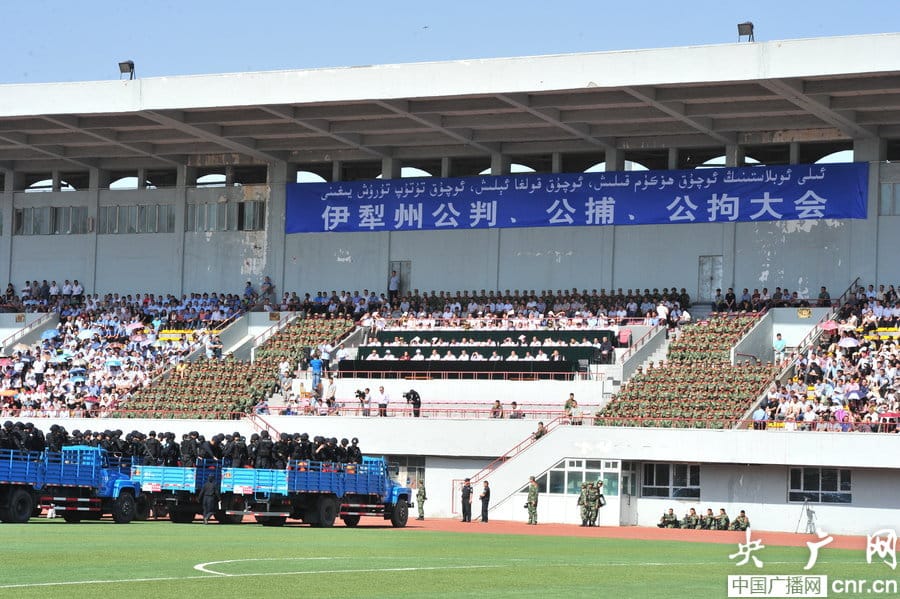
    About 99.6 percent of splittism and inciting splittism trials ended with a conviction. Charts 4 and 5 show the following types of punishment: a. below three years, b. three to five years, c. over five years to death penalty, d. other, which includes exemption from criminal punishment, suspended sentence, criminal detention, and public surveillance.
    Thirty-five people, 0.8 percent, were exempt from criminal punishment. Only three people, or 0.07 percent, were given criminal detention.
    Non-custodial punishments were also rare. Only 26 people received suspended sentences (eight for splittism, 18 for inciting splittism), and 16 people were given public surveillance (nine for splittism, seven for inciting splittism).
    The vast majority of people received imprisonment sentences. Chart 4 shows that considerably more people convicted of splittism received longer prison sentences than those convicted of inciting splittism. In the 18 years beginning in 1998, 74 percent of defendants convicted for splittism received prison sentences longer than five years, compared to 41 percent for inciting splittism as shown in Chart 5.

    Chart 6 shows a year-by-year sentencing breakdown for people convicted of splittism from 1998-2016. The surge of long prison sentences (i.e. longer than five years) meted out from 2008-2013 coincided with the aforementioned incidents of ethnic unrest involving Uyghurs and Tibetans. During this restive period, as many as 90 percent of them received prison sentences longer than five years, including an unknown number of people who might have received the maximum sentence of death.
    However, the same trend was not reflected in inciting splittism cases. Chart 7 shows that although nearly half of the defendants received longer prison sentences in 2009, the number dropped to 32 percent in 2010 and 34 percent in 2013.
    The Publicity Department of Shache County in Xinjiang reported that 840,000 people from different ethnic groups took oaths to fight against extremism and splittism before the Chinese Communist Party flag, following a deadly terror attack which occurred in the city on July 28, 2014. Image credit: China News

    Severe punishments were meted out in both splittism and inciting splittism cases in 2014. Nine out of every 10 splittism defendants received long prison sentences, as did eight out of every 10 defendants for inciting splittism. In that year, state-run Xinhua News Agency called the frenzied violence at a crowded train station in Kunming, Yunnan, “China’s 9/11.” The attack was allegedly committed by Uyghur separatists.

    Social Backgrounds

    The SPC statistics also provide interesting insights into the social backgrounds of defendants with judgments taking effect. Notable observations gleaned from the statistics include:

    • A substantial portion of splittism and inciting splittism cases appeared to concern rural grievances. Chart 8 shows that from 1998-2016, over 70 percent of people convicted of splittism were farmers, whereas farmers made up half of the defendants convicted of inciting splittism.
    • Classified as a sub-category of farmers in the court statistics, migrant workers emerged as a numerically significant group in 2009. Of the 322 individuals convicted for splittism, 113 were migrant workers. In that year, a violent dispute between migrant Uyghurs and Han Chinese workers from June 25-26 at a toy factory in Shaoguan, Guangdong, triggered the days-long riots that broke out in Urumqi on July 5.
      Unemployed (370) and private business owners (355, including self-employed), came in a distant second and third place, respectively.
    • Women committed splittism and inciting splittism at a fraction of the rate of men. Only 118, or less than three percent, of all the 4,238 people convicted of the two crimes were women.

    • Women have received harsh prison sentences. For instance, Gulmire Imin was sentenced to life imprisonment for splittism in April 2010; she is not known to have received a sentence reduction. The Chinese government accused her of calling on Uyghurs to join the protests in Urumqi in July 2009. 
    • Splittism and inciting splittism were disproportionately applied to ethnic minorities. Of the 4,283 convicted individuals, 3,936, or 92 percent, were ethnic minorities. 
    Read Part II to learn about the two main ethnic minority groups in splittism and inciting splittism cases: Uyghurs and Tibetans 
  • Court Statistics on Splittism & Inciting Splittism, Part I

    Court Statistics on Splittism & Inciting Splittism, Part I

    This is the first post in a three-part series examining the application of splittism and inciting splittism charges using Records of People’s Courts Historical Judicial Statistics: 1949-2016. Previous posts drawing on SPC statistics discussed the decline in juvenile convictions, cases related to Hong Kong and Taiwan, and cases covered by Article 300 of the Criminal Law—“using or organizing a cult to undermine implementation of the law.”
     
    On May 27, 2014, the Yili Kazakh Autonomous Prefecture Branch of the Xinjiang High People’s Court convicted 55 defendants of splittism, “organizing/leading/participating in a terrorist organization” and murder in a public rally of sentencing, arrest and criminal detention jointly held by the party secretary and public security. Image credit: China Daily
    Splittism and inciting splittism are crimes of endangering state security (ESS), introduced in 1997. They are routinely used to suppress calls for greater self-determination rights, including genuine autonomy and political separation from China. Trials of these two crimes have been used as proxies for the suppression of dissenters from ethnic minority groups, most notably Uyghurs and Tibetans.
    Defined in Article 103 of the Criminal Law, splittism and inciting splittism serve to deter people from “splitting the country or undermining national unification.” The former carries a potential death sentence and targets those who organize, plot, or act to divide China. Inciting splittism is not a capital crime and is applicable when an offender urges or persuades others to commit splittism through the use of language, text, images, or other communication tools but does not commit splittism him- or herself.
    Statistics released by the Supreme People’s Court (SPC) in the 12-volume Records of People’s Courts Historical Judicial Statistics: 1949-2016 corroborate Dui Hua’s observation that splittism and inciting splittism are considered by the Chinese government to be the two principal state security threats in China. The two crimes account for the majority of ESS cases nationwide and are disproportionately applied to ethnic minorities.
    Chinese courts accepted 5,863 ESS cases and brought 14,072 people to trial for ESS in the first 18 years after the 1997 Criminal Law came into effect. Charts 1 and 2 show that among them, 4,304, or 73 percent of the ESS cases, and 11,810, or 84 percent of the defendants, stood trial for splittism or inciting splittism.
    Chart 3 shows that the first peak of splittism and inciting splittism cases occurred in 2001; a total of 731 people were brought to trial. Although sporadic incidents of ethnic unrest had started earlier in the 1990s, China remained relatively silent and downplayed the severity of the security threat before 2001, according to a research report by CNA China Studies.
    China began speaking more openly and frequently about separatist violence in Xinjiang after the September 11, 2001, terrorist attacks on New York and Washington. After 9/11, Beijing employed similar rhetoric to the United States to justify its own “War on Terror” and designated the East Turkestan Independence Movement (ETIM) as a terrorist organization with assistance from global jihadist networks. In the same year, China started blaming ETIM for instigating a number of separatist and terrorist activities in China. Because most information on ETIM can only be tracked back to Chinese government sources, some critics have raised questions of credibility and said the threats were exaggerated.
    Due to the limited information available, it is impossible to quantify the extent of ETIM’s involvement in splittism and inciting splittism cases. Dui Hua’s research, however, revealed that a substantial proportion of these cases after 2000 were attributed to Hizb ut-Tahrir (伊扎布特), or Party of Liberation. For example, in 2010, police in Kashgar identified 522 people for their involvement with Hizb ut-Tahrir. Many countries have banned the group, but independent media reports documenting Hizb ut-Tahrir activity in China are scarce. Members of this group are also likely to face terrorism-related charges. Part II will feature a more in-depth discussion of this topic.
    The six years before the Beijing Summer Olympics were a period of relative calm. The number of people tried for splittism and inciting splittism dropped every year from 2002-2005, falling from 630 people to 310, but increased steadily in the two years since 2006. From 2002-2007, the number of people tried for splittism and inciting splittism made up around 80 percent of ESS defendants nationwide.
    The crackdown on separatism intensified in 2008; the number of defendants tried for the two crimes doubled to 1,155 from 564 in 2007. This surge was likely triggered by calls for an Olympics boycott by international activists over China’s extensive human rights violations. Chinese state media blamed ETIM and Tibetan separatists in exile for fanning anti-China sentiment overseas. Just months ahead of the Beijing Olympics, Tibetan protests erupted in Lhasa on March 14, 2008, and spread across the entire Tibetan plateau.
    The number stayed high between 2009 and 2013, during which 3,871 people were brought to trial. Notable incidents of ethnic unrest included the Urumqi Riots in July 2009, a spate of Tibetan self-immolation protests, and violent attacks allegedly committed by Uyghurs in- and outside of Xinjiang.
    A significant drop in the number of people brought to trial for splittism and inciting splittism occurred in 2014, falling to 577 from 886 in 2013. The number dipped almost threefold to 199 in 2015 and remained low in 2016. From 2015-2016, splittism and inciting splittism cases accounted for 58 percent of all ESS cases, down from over 90 percent when these cases were at their peak in 2012.
    It is worth noting that China consistently tried and concluded more cases of splittism than inciting splittism from 1998-2013, but the case ratio vastly fluctuated. In 2013, ten people were tried for splittism for every one person tried for inciting splittism. The ratio dropped to 1.7:1 in 2005. Between 2006 and 2013, the number of defendants tried for splittism was 1.7-4.6 times more than those tried for inciting splittism.
    The number of cases and defendants tried for splittism was superseded by inciting splittism after 2013. From 2014-2016, 630 people were tried for inciting splittism, more than double the number of defendants for splittism. More research is needed to better understand this emerging trend.
    Sentencing
     
    From 1998-2016, only 15 people tried for splittism or inciting splittism were acquitted. These acquittals mostly occurred in the first five years after 1997. No one was acquitted for either crime from 2003 through 2016. The only exception was in 2009; four people were acquitted for inciting splittism.
    About 99.6 percent of splittism and inciting splittism trials ended with a conviction. Charts 4 and 5 show the following types of punishment: a. below three years, b. three to five years, c. over five years to death penalty, d. other, which includes exemption from criminal punishment, suspended sentence, criminal detention, and public surveillance.
    Thirty-five people, 0.8 percent, were exempt from criminal punishment. Only three people, or 0.07 percent, were given criminal detention.
    Non-custodial punishments were also rare. Only 26 people received suspended sentences (eight for splittism, 18 for inciting splittism), and 16 people were given public surveillance (nine for splittism, seven for inciting splittism).
    The vast majority of people received imprisonment sentences. Chart 4 shows that considerably more people convicted of splittism received longer prison sentences than those convicted of inciting splittism. In the 18 years beginning in 1998, 74 percent of defendants convicted for splittism received prison sentences longer than five years, compared to 41 percent for inciting splittism as shown in Chart 5.
    Chart 6 shows a year-by-year sentencing breakdown for people convicted of splittism from 1998-2016. The surge of long prison sentences (i.e. longer than five years) meted out from 2008-2013 coincided with the aforementioned incidents of ethnic unrest involving Uyghurs and Tibetans. During this restive period, as many as 90 percent of them received prison sentences longer than five years, including an unknown number of people who might have received the maximum sentence of death.
    However, the same trend was not reflected in inciting splittism cases. Chart 7 shows that although nearly half of the defendants received longer prison sentences in 2009, the number dropped to 32 percent in 2010 and 34 percent in 2013.
    The Publicity Department of Shache County in Xinjiang reported that 840,000 people from different ethnic groups took oaths to fight against extremism and splittism before the Chinese Communist Party flag, following a deadly terror attack which occurred in the city on July 28, 2014. Image credit: China News

    Severe punishments were meted out in both splittism and inciting splittism cases in 2014. Nine out of every 10 splittism defendants received long prison sentences, as did eight out of every 10 defendants for inciting splittism. In that year, state-run Xinhua News Agency called the frenzied violence at a crowded train station in Kunming, Yunnan, “China’s 9/11.” The attack was allegedly committed by Uyghur separatists.

    Social Backgrounds
     
    The SPC statistics also provide interesting insights into the social backgrounds of defendants with judgments taking effect. Notable observations gleaned from the statistics include:

      • A substantial portion of splittism and inciting splittism cases appeared to concern rural grievances. Chart 8 shows that from 1998-2016, over 70 percent of people convicted of splittism were farmers, whereas farmers made up half of the defendants convicted of inciting splittism.
    Classified as a sub-category of farmers in the court statistics, migrant workers emerged as a numerically significant group in 2009. Of the 322 individuals convicted for splittism, 113 were migrant workers. In that year, a violent dispute between migrant Uyghurs and Han Chinese workers from June 25-26 at a toy factory in Shaoguan, Guangdong, triggered the days-long riots that broke out in Urumqi on July 5.
    Unemployed (370) and private business owners (355, including self-employed), came in a distant second and third place, respectively.
      • Women committed splittism and inciting splittism at a fraction of the rate of men. Only 118, or less than three percent, of all the 4,238 people convicted of the two crimes were women.
    Women have received harsh prison sentences. For instance, Gulmire Imin was sentenced to life imprisonment for splittism in April 2010; she is not known to have received a sentence reduction. The Chinese government accused her of calling on Uyghurs to join the protests in Urumqi in July 2009.
    • Splittism and inciting splittism were disproportionately applied to ethnic minorities. Of the 4,283 convicted individuals, 3,936, or 92 percent, were ethnic minorities.
    Read Part II to learn about the two main ethnic minority groups in splittism and inciting splittism cases: Uyghurs and Tibetans 
  • “Two Restraints, One Leniency”: Part II, The Legacy of a Controversial Policy

    “Two Restraints, One Leniency”: Part II, The Legacy of a Controversial Policy

     
    In “Two Restraints, One Leniency”: Part I, Dui Hua looked at the origins of, and controversies over, this policy. It originated in a criminal policy pushed through the Central Committee as a part of Document Number Five by then-General Secretary Hu Yaobang in 1984. The policy called on law enforcement to be lenient towards criminal offenders from ethnic minority groups, by making fewer arrests and handing down fewer executions and lighter sentences to ethnic minority offenders. In Part II, Dui Hua looks at its legacy in Han-minority relations today and its current, still unsettled status.
    The execution of Wo Weihan, an ethnic Daur accused of spying for Taiwan, indicated that members of ethnic minorities do not necessarily benefit from leniency in accordance with China’s policy of liangshao yikuan. Wo’s execution received widespread state media coverage in late 2008.  Image Credit: dahe.cn (大河网)


    Liangshao Yikuan: The Current Status

    There has been ongoing debate concerning the current status of Two Restraints One Leniency, or liangshao yikuan, since the Publicity Department, the State Ethnic Affairs Commission, and the United Front Work Department jointly issued a statement on policies toward minorities in 2010. Some observers believe that the policy has been abolished by virtue of this statement, which maintains that “everyone should be equal before the law, and all criminals should be punished regardless of ethnicity.” In 2014, the Fourth Plenary Session of the Eighteenth Central Committee of the Chinese Communist Party reiterated the principle of equality irrespective of ethnicity and incorporated equality as a core socialist value. Nevertheless, liangshao yikuan remains formally in effect because the joint statement cannot override an earlier national policy apparently promulgated by a superior authority, the Standing Committee of the Central Committee. Thus, while the actual hierarchy of authority regarding the policy initiated by then-General Secretary Hu Yaobang in the 1984 criminal policy document Number 5 remains somewhat obscure, liangshao yikuan has not yet been repealed.
    Academics cannot reach a consensus concerning how liangshao yikuan is being implemented across China. Prior to his imprisonment, prominent Uyghur scholar Ilham Tohti expressed support for repeal in an interview in 2012. He claimed that abolition would be easy because the policy itself was not being enforced in ethnic regions. Another opinion published by legal scholar Chen Lanxin on the social media website Douban states that the policy is implemented only “to some extent.” His argument highlights the ambiguity about how liangshao yikuan is being enforced, or even fundamentally understood. Such a status is also underpinned in the findings of a doctoral thesis by a Uyghur scholar, Erken Shumamshak, who points out in a 2013 article that judicial personnel in minority regions may not be cognizant of liangshao yikuan despite over 30 years of its existence. The author found that a number of judicial personnel in the cities of Urumqi, Kashgar, Hotan, and Tacheng in Xinjiang had “never heard” about the policy. Another study conducted among judicial officials in Gansu’s Tianzhu Tibetan Autonomous County indicated that ethnicity played no role in law enforcement because the officials claimed there were no marked political, economic, or cultural differences between Han and ethnic minorities in the county.


    Beyond Liangshao Yikuan: Security Trumps Leniency

    Policy makers in the 1980s might not have foreseen the complex problems brought about by the increase in inter-ethnic contact in the subsequent decades, resulting from the mass migration of Han Chinese to traditionally minority regions in China’s interior. Eastward migration to traditionally Han Chinese cities by ethnic minorities on the lookout for better job opportunities, albeit on a smaller scale, has also contributed to the surge of inter-ethnic conflicts. Although the arguments against liangshao yikuan are not entirely without grounds, recent public discussions reveal the rise of Han chauvinism in both physical and virtual spaces. While stressing that preferential policies for ethnic minorities violate the right to equality, many critics fail to realize that ethnic minorities today face discrimination in many other respects. For instance, Tibetans and Uyghurs are placed on a security blacklist when they seek accommodations in major cities. Their right to travel both internationally and abroad is severely restricted because their passports have been seized in a bid to tighten control over their movements.
    While Han Chinese widely believe that liangshao yikuan has contributed to an increase in petty crimes by ethnic minorities, some critics believe that the policy’s negative effect has been exaggerated. A 2010 article originally posted on a website founded by Ilham Tohti, www.uighur.biz.net (no longer valid), claimed that the problem of Uyghur petty thieves is chiefly caused both by the lack of social mobility among Uyghurs and the criminal policy that exempts children under the age of 14 from criminal liability, rather than liangshao yikuan. The age of criminal responsibility has likewise benefited many Han Chinese juvenile offenders. Prominent Tibetan blogger Woeser has written that the policy of restraints and leniency has virtually no effect on political cases.
    Woeser’s argument is in line with Dui Hua’s observation that ethnic minorities receive excessive punishment in endangering state security cases. The offenses of splittism and inciting splittism are almost exclusively used to punish Uyghurs, Tibetans, and, to a lesser extent, ethnic Mongolians. Dui Hua’s Political Prisoner Database (PPDB) indicates that, since 2000, over 180 ethnic minority prisoners were sentenced to ten years’ imprisonment or more severe sentences, including life imprisonment, death with reprieve, and death, for these two offenses. Two-thirds of them are Uyghurs, while the remainder are mostly Tibetans. In regard to death sentences specifically, Dui Hua’s research found that five Uyghurs were sentenced to death for splittism alone, and five Uyghurs for splittism combined with terrorism or other charges. The number of ethnic minority offenders receiving harsh sentences for splittism or inciting splittism is strikingly high compared to Han Chinese democracy activists sentenced for subversion and inciting subversion, which are also categorized under endangering state security. Dui Hua’s PPDB showed that about 50 prisoners, 37 Han and 13 others with unclear ethnicity, have received prison sentences of ten years or more since 2000 for subversion and inciting subversion.
    The principle of restraints and leniency has been largely superseded by the “War on Terror,” after China employed similar rhetoric from the U.S. to justify the anti-terrorism campaign following the September 11 attacks in 2001. After 2009, propaganda offensives against the “three evil forces” of terrorism, ethnic separatism, and religious extremism have intensified. China’s 2019 white paper on national defense reported that Xinjiang’s armed police forces have broken up 1,588 terrorist gangs and captured 12,995 terrorists since 2014.
    Based on information selectively publicized by Chinese government sources, many of these terrorists are believed to be Uyghurs. Of the over two dozen people sentenced to death in connection with the 2009 Urumqi Riots, at least two were Han Chinese, whereas the remainder are thought to be Uyghurs. A decade on, those who are continuing to serve their lengthy sentences for splittism or inciting splittism are almost exclusively Uyghurs, including Gulmire Imin and Gheyret Niyaz. None of them are known to have received any sentence reductions or other forms of clemency.
    There are additional coercive measures targeting Xinjiang’s Muslim minorities. Dui Hua previously reported on educational placement (anzhi jiaoyu 安置教育), a coercive measure which targets prisoners considered “a danger to society,” even when they have completed their sentences for terrorism or extremism offenses. The measure provides no time limit for how long someone can be held under the measure, leaving open the possibility of de facto life imprisonment. It has been used exclusively against Uyghurs and ethnic Kazakhs. Today, these two Muslim minority groups are facing repression unprecedented in China, as exemplified by the massive internment camps which are said to house over one million people across the autonomous region, as well as intensive surveillance, enabled by artificial intelligence, of those not, or no longer, confined to camps.
    There is little evidence to suggest that liangshao yikuan serves to mitigate criminal sentencing when members of other ethnic groups are accused of endangering state security, even outside of restive Xinjiang and Tibet. Tong Daning (佟达宁), an ethnic Manchu, and Wo Weihan (沃维汉), an ethnic Daur, were sentenced to death in 2005 and 2007, respectively, for spying for Taiwan amid the strained cross-strait relations during Chen Shui-bian’s presidency. Tong, who spent many years working at the Ministry of Foreign Affairs before taking a senior position at the National Council for the Social Security Fund, was one of the top Chinese officials to have been executed for providing top military secrets about China’s military preparations against Taiwan. As part of the anti-spy propaganda in China, videotapes of Tong’s trial were distributed as a deterrent to civil servants. Wo, an entrepreneur and medical scientist, was convicted of providing photocopies of a missile defense system and information on a senior leader’s health to a Taiwanese intelligence agency. Wo’s execution in 2008 was strongly condemned by the European Union and U.S., which had sought a stay of execution.
    Example of reporting on the execution of Wo Weihan. In the photo accompanying this article, which takes up four columns, he is shown in happier days at his daughter’s wedding.
    Image Credit: dahe.cn (大河网)
    Other discriminatory rules and practices against ethnic minorities prevailing in the carceral system are much in evidence. For example, Dui Hua has reported that clemency provided to prisoners convicted of the now-defunct offense of hooliganism has a clear ethnic bias against non-Han. Unlike Han Chinese who were considered for clemency a few years into their sentences, the same opportunity was not given to Uyghurs possibly (based on the date, as no precise reason is given in the judgment) sentenced for their involvement in the 1997 Ghulja Incident—demonstrations in the Xinjiang city of Ghulja, or Yining in Mandarin Chinese, which ended with repression by the Chinese military—until they had served many more years of their sentences. Finally, prisoners from ethnic minorities who fail to comply with the Mandarin-language-only visitation rules also have slimmer prospects for obtaining clemency than Han Chinese.


    Whither Liangshao Yikuan?

    The policy of liangshao yikuan might have saved the lives of many ethnic minorities from execution during the Strike Hard campaign in the 1980s, when the party deemed it necessary to preserve interethnic harmony as it countered the surge in criminal offenses across Han Chinese cities following the economic reforms. Nevertheless, as we have seen, the need to safeguard state security trumps liangshao yikuan, especially in Xinjiang and Tibet, where the majority of China’s endangering state security cases are believed to take place today. The role of liangshao yikuan in restraining harsh punishments and enabling lenient treatment for ethnic minority offenders has virtually disappeared in cases deemed to endanger state security. The same state security rationale has produced a spate of prejudicial rules, measures, and harsh sentences intended to suppress separatist sentiments. It is likely, in fact, that these policies are responsible for negative outcomes instead: higher levels of interethnic tensions, more grievances, the desire for greater autonomy or even independence by ethnic minority groups, and more efforts to flee the country by minorities who fear for their lives and safety.
    There is no easy way to strike a balance between tolerating ethno-cultural diversity and promoting interethnic harmony. Hu Jintao’s rhetoric of building a “harmonious society” contrasted sharply with the incidents of ethnic unrest that began to occur towards the end of the first decade of the 21st century. The continuing incidents of interethnic violence into the Xi Jinping era have been widely seen as proof of the failure of the liangshao yikuan policy by both Han and other ethnic groups. The fact that Xi continues to blame “hostile foreign forces” for instigating ethnic problems demonstrates Beijing’s reluctance to change the status quo. The controversy surrounding “Two Restraints, One Leniency” is only the tip of the iceberg of China’s ethnic relations challenges. Even if Xi accepts the mainstream desire to have liangshao yikuan repealed, China’s ethnic policies will still fall far short of the principle of equality before the law, as long as China’s overall domestic strategy is to maintain stability by indiscriminately suppressing ethnic minorities.
  • “Two Restraints, One Leniency”: Part I, China’s Ethnic Minorities and Criminal Law

    “Two Restraints, One Leniency”: Part I, China’s Ethnic Minorities and Criminal Law

    An image of an early propaganda poster (1964), that states, “Long live the great unity of all ethnicities across the country,” from a discussion of “Two Restraints, One Leniency” reposted by Tibetan blogger Woeser in 2014. Image Credit: Woeser Blog
    China’s criminal policy of “Two Restraints, One Leniency” (liangshao yikuan 两少一宽) was enacted during the administration of reformist leader Hu Yaobang (1982-1987). Derived from a Soviet-era policy that granted regional autonomy and preferential protection to ethnic minorities, the policy had the intended purpose of strengthening the political loyalty of ethnic minorities in the multi-national country. Hu believed that granting sufficient autonomy to members of ethnic minority groups was indispensable for safeguarding national unity. To this end, Hu improved ethnic representation in politics across autonomous regions. This progressive policy was reversed by Deng Xiaoping and Hu’s successors. In 1984, Hu pushed through the Central Committee Document Number Five, a new criminal policy which called on law enforcement to be lenient towards criminal offenders from ethnic minority groups by making fewer arrests and handing down fewer executions and lighter sentences to ethnic minority offenders.
    The policy has been a source of contention since its promulgation. Supporters of the policy argue that it embodies the government’s deep respect towards China’s diverse population and upholds the ideal of “ethnic unity.” Critics of the policy have become increasingly vocal following a spate of violent attacks involving Uyghurs on Han Chinese targets after 2009. They argue that the policy runs counter to the principle of equality before the law. Preferential treatment towards ethnic minorities stokes anger within a large segment of China’s Han population. Many Han Chinese claim to have experienced discrimination because of prejudicial law enforcement, or because ethnic minorities have been exempt from strict policies restricting family size and have easier access to tertiary education and lower business taxation rates – many of which are legacies from reformer Hu.
    This article, the first of two on this topic, serves to provide an overview of public opinion from the two opposing camps in the liangshao yikuan controversy. Despite being a national criminal policy, liangshao yikuan has been enforced only to varying degrees across the country. In matters relating to state security, today the policy is largely disregarded. The instrumental use of the policy to further the interests of the state has left the treatment of ethnic minority offenders highly unpredictable, and dependent on the political climate of the day.

    The Argument by Supporters

    An article published in 1991 by the Journal of Qinghai University for Nationalities, entitled “We Must Enforce ‘Two Restraints and One Leniency’ for Criminals from Ethnic Minorities,” has been widely circulated by supporters of liangshao yikuan. The article claimed that ethnic minority communities were “culturally and economically behind” their Han counterparts, and called for more lenient policies towards them. In Qinghai, liangshao yikuan was said to be enforced in six major types of criminal cases: rape, hooliganism, bigamy, assault, murder, and crimes triggered by historical grievances or mass disputes. The authors stated that sex crimes inflicted a lesser degree of social harm on ethnic minorities than other crimes. Statutory rape, for instance, was generally not perceived as heinous in the ethnic regions. According to the article, liangshao yikuan protects ethnic minority women from social stigma, because many Tibetan, Mongolian, and Monguor women in the province faced mockery or discrimination as victims of sex abuses. The authors claimed that these women would suffer even more humiliation within their communities if offenders received severe punishments.
    The authors also argued that liangshao yikuan was designed to protect ethnic minorities from China’s first Strike Hard (yanda 严打) campaign in the early 1980s, during which criminal offenders were given “swift and severe” punishments, with sentences up to immediate execution, not only for violence or trouble-making, but also for other non-violent acts seen as “immoral.” The offense of hooliganism could have landed tens of thousands of ethnic minorities in jail, since “immoral” behaviors such as premarital sex and promiscuity remained commonplace in minority communities, said the authors.
    A major argument for liangshao yikuan is premised on the political need to maintain stability and interethnic harmony: a rigid application of the Criminal Law, irrespective of cultural differences, is bound to provoke ethnic resentment across the nation. Supporters of liangshao yikuan say that by giving flexibility to law enforcement, the policy pays respect to ethnic diversity. The 1991 article also stated that the Criminal Law was at odds with numerous ethnic minority traditions, particularly regarding marriage. Although concubinage, polygamy, and polyandry had shown signs of abating after 1949, some of these practices remained commonplace in the Islamic and Tibetan communities in Qinghai. Under the Criminal Law, many people in these regions would have been convicted of bigamy.
    On a propaganda poster from the early years of the People’s Republic of China: “All ethnic groups in our country have united to become a great free and equal family of nationalities.”
    Image Credit: Woeser Blog

    Legal awareness in China remained weak even after the Criminal Law was enacted in 1979. Ethnic minorities typically resorted to their own customs and traditions to resolve inter- and intra-ethnic disputes. In cases in many minority communities that involved violence, offenders offered compensation, either monetary or non-monetary, to the victim’s family in exchange for forgiveness; the 1991 article contrasts this with what it claimed was the Han Chinese deeply-rooted retributive belief in “a life for a life.” In handling members of ethnic minorities involved in incidents “involving mass weapons resulting from interethnic disputes,” the authors called on the government to give severe punishments selectively to ringleaders, masterminds, and those who caused serious injuries or deaths, while generally observing the policy of leniency for ordinary participants, in order to minimize inter-ethnic resentment

    Ethnic minorities’ religions, customs, and traditions varied from region to region, and their psychology and concept of law differed greatly from those of the Han Chinese, according to the article: “Imposing a set of laws in the Han areas [that also apply to ethnic minorities] will inevitably lead to political chaos and intensify contradictions among ethnic groups, thus creating new political inequalities.”

    The Abolitionist Argument

    The arguments put forward by supporters in the 1991 article are now widely seen as anachronistic. Even if the arguments held true, many of them have lost validity because the problems liangshaoyikuan sought to address have largely ceased to exist. In the four decades of modernization following China’s reform and opening, many of the customary practices and marriage traditions that could have triggered confrontation between ethnic minorities and the criminal justice system have weakened or died out.
    The policy has garnered fierce criticism among Han Chinese who believe that liangshao yikuan has turned into a privilege pertaining exclusively to ethnic minorities in their interaction with Han Chinese. For example, many Han feel that law enforcement is lax when it comes ethnic minorities’ practices, such as operating unlicensed businesses in street stalls or selling banned animal products. In recent years, the policy has been blamed for causing a surge of Uyghur thieves, pickpockets, and aggressive purveyors of street foods in urban areas, like the so-called “nut cake gangs,” Uyghur street vendors who coerce customers into paying exorbitant prices for large portions of traditional Uyghur confectionary. Because of a high level of negative media coverage, language barriers, and, more importantly, liangshao yikuan, many Han Chinese believe law enforcers typically let Uyghur offenders off lightly compared to Han Chinese, thus inciting them to commit more petty crimes and even violence.
    Today, Uyghurs are universally blamed in state discourse when they are involved in incidents of ethnic unrest. In the aftermath of the 2009 Shaoguan Incident (a brawl between Uyghur and Han workers at a Guangdong toy factory that turned violent), the Urumqi Riots, also in 2009, and a series of terrorist attacks both inside and outside of Xinjiang, China’s Internet has been filled with expressions of anti-Uyghur sentiments. After the Kunming train station attack in 2014, state news media reports even ascribed cases of terrorism, splittism, and incitement to the liangshao yikuan policy. A policy originally designed to promote ethnic harmony has instead exacerbated the rift between Han and other ethnic groups. In view of its deleterious impact, many legal experts have advanced proposals to phase out the policy. From a legal point of view, liangshao yikuan serves only to provide guidance and is not criminal law per se. Using a government policy as a basis of conviction in place of law runs counter to the legal principle of no penalty outside the law.
    In the absence of a unified nationwide standard, it was to be expected that judicial officials throughout the country would have different understandings of how liangshao yikuan should be implemented. For example, in 1992, legal scholar Ma Kechang proposed that the policy be indiscriminately applied to all ethnic minorities, regardless of the locations of their residences. Another school of thought, proposed in 1988 by legal scholar Zhou Mohen in China Legal Science, advocated for restricted application: only ethnic minorities with a low level of education residing in the autonomous regions should benefit from it (i.e., excluding minority migrants residing in urban areas). In recent years, some experts have argued that liangshao yikuan has fulfilled its mission to safeguard the lives of many ethnic minorities in the historical context of the Strike Hard campaign. They suggest adopting the policy of “combining leniency and severity” (kuanyanxiangji 宽严相济) in place of liangshao yikuan, because in 2010 the Supreme People’s Court issued a judicial interpretation to clarify the use of this new legal principle. The interpretation calls for the use of discretion in granting prisoners clemency and lenient punishment in cases considered “less heinous” by society, such as those involving juvenile or elderly prisoners. More importantly, the policy has the stated purpose of preventing and reducing crime without ethnic preference or bias.
    Read Part II to explore this policy’s legacy on Han-minority relations and its effects on today’s society.
  • Clemency for Singing Red Songs

    Prisoners compete in a red song contest at Fuquan Prison in Guizhou province. Image Credit: Weibo.

    Before Bo Xilai’s famous downfall in 2012, he was widely known for his role in launching Chongqing’s “Red Culture Movement” as the city’s Party Secretary. The movement was an attempt to revive Mao-era culture through a series of propaganda campaigns. A hallmark of the movement was the promotion of singing “red songs” from China’s “revolutionary era.” The songs reached nearly every corner of daily life in Chongqing, from televisions and radio programs to schools and workplaces.

    What is perhaps less known is how the red culture movement also found its way into China’s prisons. In 2008, a total of 100 revolutionary songs glorifying the Communist Party of China, the People’s Liberation Army, and the People’s Republic of China were selected to “rehabilitate” prisoners through prisoner performances. In some cases, these performances have been used to gain points towards granting clemency for prisoners in the form of sentence reductions.

    There is little doubt this directive comes from the highest echelons of judicial power in China. In a statement released by the Ministry of Justice, they acknowledged the “benefits” of instilling red culture for both prison administration and prisoner rehabilitation. They encouraged all judicial officials to further understand the “essence” of red culture. The Ministry even claimed that the contribution of red songs to prisoner reform was “statistically proven.” In 2010, the success rate of reforming “stubborn” prisoners was celebrated for having marginally increased from 79.1 to 81.56 percent since the introduction of red songs in 2008. Over the same period, red songs also purportedly helped to lower the number of prisoners classified as “at-risk.”

    Red song rehabilitation has been widely challenged in and outside of China by former prisoners. In an interview with The Beijing News in November 2012, former Chongqing village official Ren Jianyu (任建宇) recounted his experience serving in a re-education through labor (RTL) facility. He said that in the now defunct system of RTL, detainees would receive sentence reductions for singing red songs. Ren was sentenced to two years for inciting subversion in November 2011 for circulating critical messages online about China’s political system. After Ren had served over one year of his sentence, the Chongqing RTL Committee vacated his sentence on the grounds of insufficient evidence. When asked why Ren refused to sing in RTL while he had promoted red songs in his capacity as a village official in the past, Ren responded that red songs were “meaningless” and had no actual benefits for rehabilitation. Government officials are better off spending resources improving people’s livelihood rather than promoting red songs, said Ren.

    Reforming Prisoners through Red Song Rehabilitation

    In the first few decades after 1949, red songs were used as a legitimate tool for ideological reeducation and prisoner rehabilitation against the “class enemy.” Today, official narratives claim that red songs can widen prisoners’ intellectual and cultural horizons, instill repentance, and ultimately transform them into law-abiding citizens. On August 31, 2015, prisoners in Guangdong’s Huizhou Prison took part in a red song performance contest to commemorate the 70th anniversary of the War of Resistance Against Japan. The prison’s website displayed a picture of three prisoners singing on a red-carpet podium underneath a slogan reading “Remember History and Martyrs; Treasure Peace.” The nature of the contest was described as both artistic and rehabilitative. The prison claimed that the participants were inspired by the “revolutionary heroes” mentioned in the red songs and through their participation became more “enthusiastic, determined, and confident” to reform.

    A red song can be performed as a small choir of a few dozen prisoners or as a massive show with hundreds of participants. To celebrate China’s National Day in 2016, over a thousand prisoners in Guizhou’s Liupanshui Prison spent two months rehearsing patriotic songs and choreography for a performance titled “Blessing the Motherland, Thankful for Society.” The prison stated that red songs allowed prisoners to reflect on their crimes and alleviate stress. A month later, Sichuan’s Yibin Prison reported hosting a red song contest with over 500 prisoners.

    Red song performances are about more than just singing. To diversify and develop a unique prison culture, Fuquan Prison in Guizhou organized 64 prisoners in an artistic troupe to play musical instruments such as drums, gongs, and cymbals in preparation for a red song contest. The prison even hired an expert musician from Shaanxi to teach how to play the instruments to the prisoners.

    The messages of nationalism and party allegiance underlying these red songs are clear. In June 2014, Guangxi’s Guizhou Prison organized a red song concert in celebration for the 93rd anniversary of the founding of the CCP. Each participant was required to perform two propaganda songs, one of which was titled “Without the Communist Party, There Would Be No New China.” The second song could be chosen from a list of eleven songs provided by the prison. The Guangxi Prison Administration Bureau claimed that the positive energy and patriotism cultivated from red songs created a healthy environment for rehabilitation.

    Prisoners in a Xinjiang prison perform in a red singing song contest titled “Remember History, Treasure Peace, Love the Motherland, Combat Splittism.” December, 2015. Image Credit: Xinjiang Prison Website.

    Prisoners from ethnic minority groups are no strangers to the red song artistic troupes, in fact their participation is actively sought out. In a China National Radio article, the Xinjiang Agriculture Construction Division praised red songs not only for their propensity to boost the “low levels of cultural development among prisoners,” but also as a way to nurture a sense of national identity. On October 25, 2015, eight Uyghur prisoners were selected to sing the song “Socialism Is Good” in Xinjiang’s Alar Prison. In Alar Prison, Han Chinese and Uyghur prisoners reportedly recite red poems and sing red operas together, of course all in Mandarin Chinese. Instilling messages of nationalism and party allegiance through red songs and the deliberate usage of Putonghua education serves the party and prison’s wider aim to “de-extremize” Uyghur prisoners in the restive region, stated Xinjiang Production and Construction Corps Prison Administration Bureau.

    Clemency Rewards for Red Prisoners

    In May 2011, Chongqing Standing Committee member Liu Guanglei demanded that clemency be granted to prisoners for their excellent performances of red songs, leading to widespread criticism concerning the legality and arbitrariness of such a practice. The Chongqing government issued a vague defense, reiterating that sentence reductions and parole are granted in accordance with the law and that the performance of red songs was not the only basis to evaluate clemency. There are no legal provisions that reference red songs as determining meritorious behavior or remorse – conditions necessary for granting clemency under China’s Criminal Law.

    It’s unclear how many prisoners have benefited from early releases for red song performances. After delving into clemency judgments from the Supreme People’s Court website, Dui Hua found that the performance of red songs continues to be commonly used to gauge meritorious behavior and remorse, even for prisoners who are sentenced to life imprisonment or death with reprieve for violent crimes. For example, a prisoner convicted of rape in Heilongjiang was deemed to have an outstanding performance and to have shown remorse due to his active participation in a red song singing contest in 2015. “He actively requested to participate, earnestly took part in rehearsals, memorized well the lyrics, mastered the singing technique, and played a positive leading role [among prisoners].” As a result, he was granted a two-year sentence reduction in January 2016.

    Normally, prisoners can accrue points for acts of meritorious behavior that can then be used towards sentence reductions and parole. Participation in a red song performance generally awards one point. A prisoner from Fujian sentenced to life for aggravated assault earned two points for winning the championship in a red song performance during a “culture week” event in December 2013. He received additional points for his keen participation in political and cultural learning alongside his excellent labor. In October 2015, the Fujian High People’s Court commended his enthusiasm to reform and commuted his sentence to a fixed-term of 20½ years’ imprisonment.

    From government offices to schools and television stations, red song performances have been promoted at the behest of propaganda officials to stir patriotism and party allegiance. While many leftist groups today gather in public spaces in China to sing red songs in praise of Chairman Mao, ironically many have been placed under surveillance and even imprisoned for subversion for organizing underground parties seeking to revive pre-reform era socialism.

    Within the carceral system, Ren Jianyu’s criticisms concerning the superficiality of promoting red songs as a means to rehabilitation ring true. Using public displays of patriotism as a benchmark for rehabilitation indicates a trend towards a more moralistic form of criminal justice and one that opens more opportunities for the arbitrary treatment of prisoners. While China has made early releases more accessible to “ordinary” prisoners who avidly sing praises of the nation, it is likely that those imprisoned for expressing dissent of one-party rule or criticism of the state are less willing to participate. Dui Hua has long observed that the rate of clemency for prisoners convicted of inciting subversion or splittism is far lower than the rate enjoyed by the general prison population. Red song rehabilitation has made clemency for political prisoners more difficult, and further derailed China’s crafting of a single-track criminal justice system committed to equal procedural rights for all.